Natural Pest Control: Welcoming Mosquito Predators
Calendula's Garden is reader suported This post may contain affiliate links, more on our Disclaimer page. Thank you!
As gardeners and nature lovers, we’re always looking for environmentally friendly ways to maintain a healthy and thriving outdoor green space. One effective method is to encourage the presence of mosquito-eating animals in your garden.
Not only does this provide natural pest control, but it also promotes a balanced ecosystem. In this guide, we’ll explore the types of animals that feed on mosquitoes and provide practical steps for attracting them to your garden.
Mosquito Natural Predators: Nature’s Pest Control
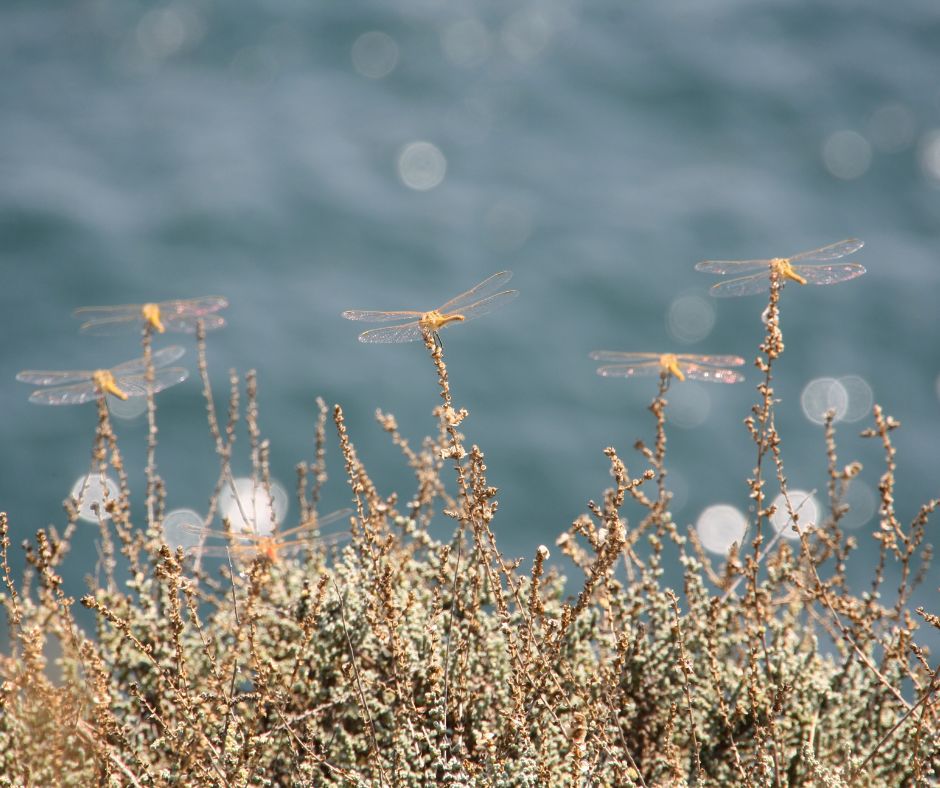
Several animals are known for their appetite for mosquitoes, contributing significantly to natural pest control. Bats, for instance, can consume thousands of mosquitoes in a single night, while dragonflies, often referred to as “mosquito hawks,” prey on both adult mosquitoes and their larvae.
Certain fish species, such as guppies and goldfish, are also mosquito predators feeding on larvae in water features. By supporting these animals, gardeners can reduce mosquito populations effectively and foster a healthier, more balanced ecosystem.
Bats: Nocturnal Guardians of the Garden

Bats are extraordinary creatures that play a crucial role in natural pest control. Equipped with echolocation, a biological sonar system, bats emit high-frequency sound waves that bounce off objects and return to them, helping these nocturnal hunters navigate and locate their prey in total darkness.
When it comes to mosquitoes, bats are remarkably efficient. A single bat can devour hundreds of mosquitoes in just one night, significantly reducing the mosquito population in your garden.
Most common mosquito-eating bats include species like the little brown bat and the big brown bat. At dusk, these mosquito predators emerge from their roosts and begin their hunt.
They fly swiftly and erratically, using their keen sense of echolocation to detect mosquitoes and other small insects. Once a mosquito is located, the bat swoops in, capturing it with its sharp, agile wings before devouring it on the wing or carrying it back to its roost.
By attracting bats to your garden, you not only benefit from their pest control capabilities but also contribute to the preservation of these fascinating and highly beneficial animals.
Dragonflies: Agile Aerial Predators
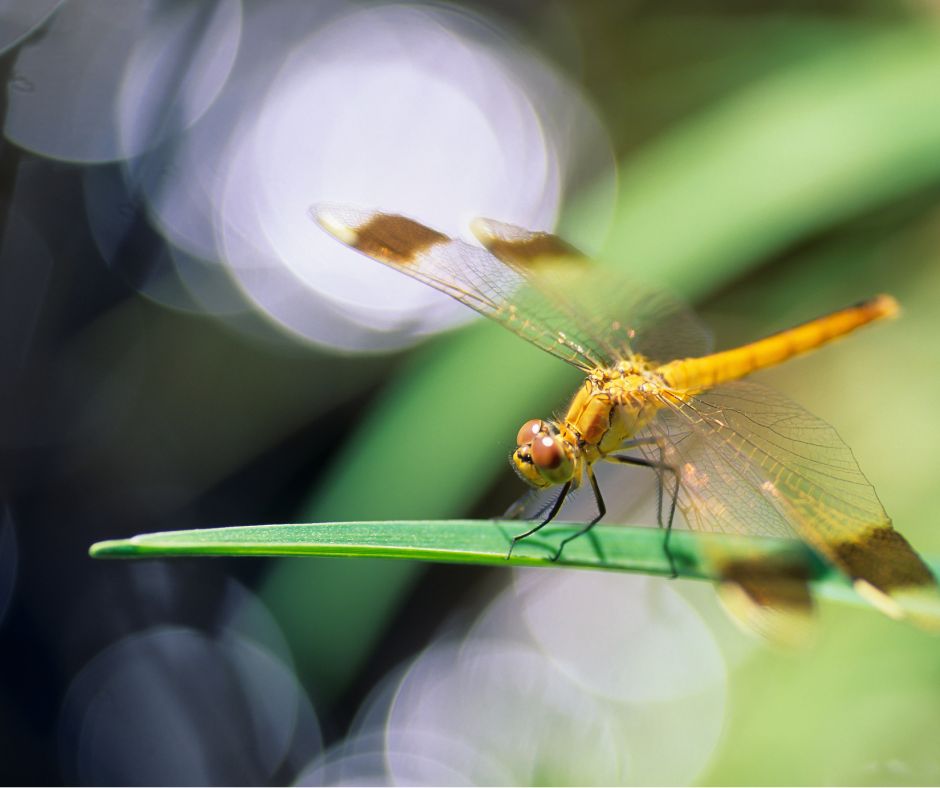
Often referred to as “mosquito hawks,” dragonflies are skilled aerial predators that effectively control mosquito populations in your garden. With their striking iridescent wings and agile flight capabilities, dragonflies are not only a beautiful sight but also fierce hunters.
Unlike bats, which rely on echolocation, dragonflies use their exceptional vision to locate and capture mosquitoes.
Dragonflies have large compound eyes that provide a nearly 360-degree field of vision, making it easy for them to spot the smallest of movements. They rely on their acute eyesight to track and target mosquitoes, often catching them mid-air with remarkable precision.
Their flight mechanics allow them to hover, dart, and change directions swiftly, making it almost impossible for their prey to escape.
Create a Tranquil Oasis with These 5 Ideas for Backyard Ponds
Both adult dragonflies and their aquatic nymphs are ferocious mosquito eaters. While adult dragonflies patrol the skies, consuming adult mosquitoes, their nymphs reside in water bodies, preying on mosquito larvae, thereby tackling the problem at two critical stages of the mosquito lifecycle.
Attracting dragonflies to your garden involves creating a habitat that includes water sources like ponds or water features, which serve as breeding grounds for these beneficial insects.
Not only will dragonflies add a dynamic beauty to your garden, but they will also significantly contribute to reducing the mosquito population, enhancing the overall health and enjoyment of your outdoor space.
Birds: Aerial Acrobats in Mosquito Control
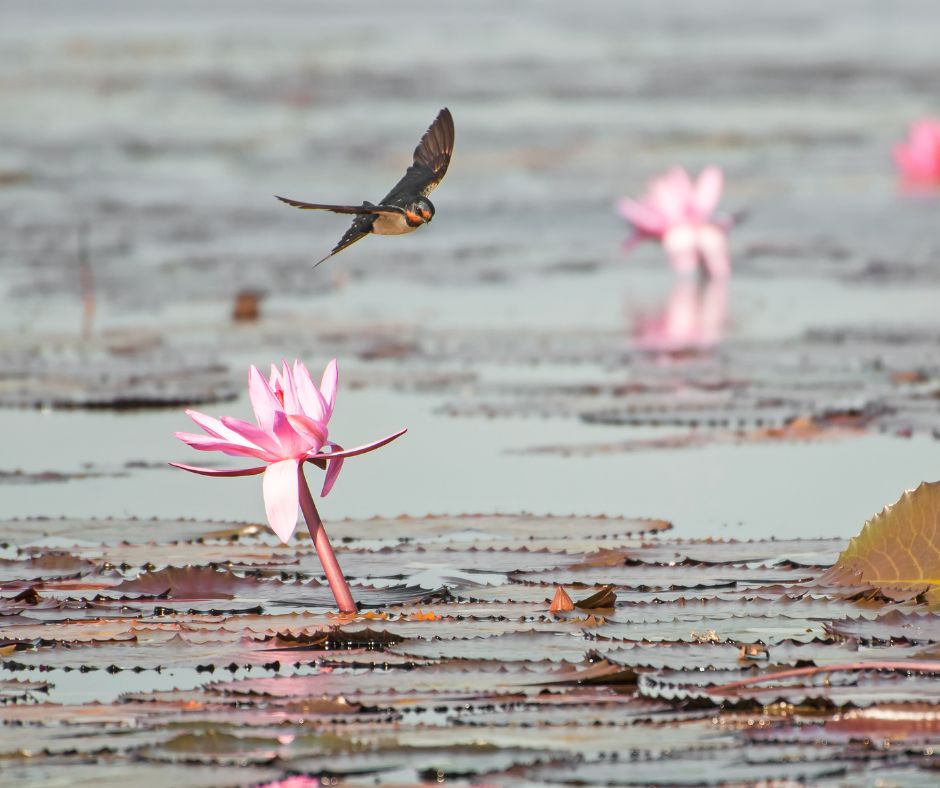
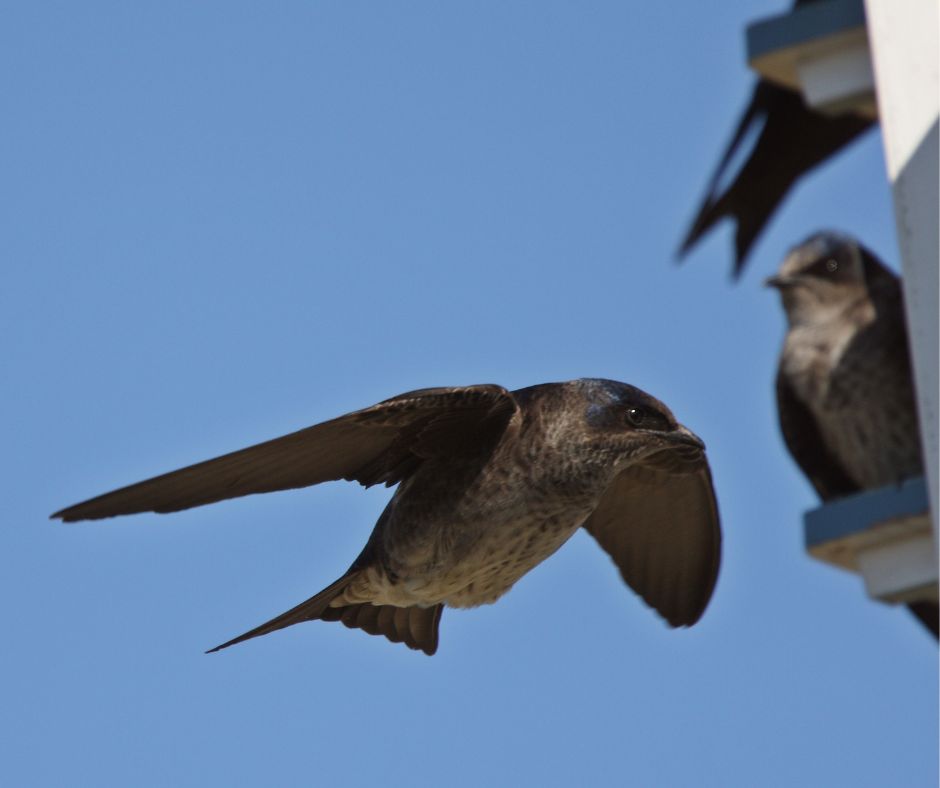
Birds such as purple martins and barn swallows are exceptional mosquito predators, playing an important role in natural pest management. These aerial acrobats are known for their impressive flight patterns and insatiable appetites for mosquitoes and other flying insects, making them valuable allies in maintaining a mosquito-free garden.
Purple Martins
Purple martins are the largest members of the swallow family in North America, and they are particularly cherished for their mosquito-eating prowess. These birds are often seen gracefully soaring and darting through the air, capturing flying insects with skillful precision.
Purple martins feed exclusively while on the wing, and their diet primarily consists of mosquitoes, flies, beetles, and moths. By attracting purple martins to your garden, you can significantly reduce the mosquito population in the vicinity.
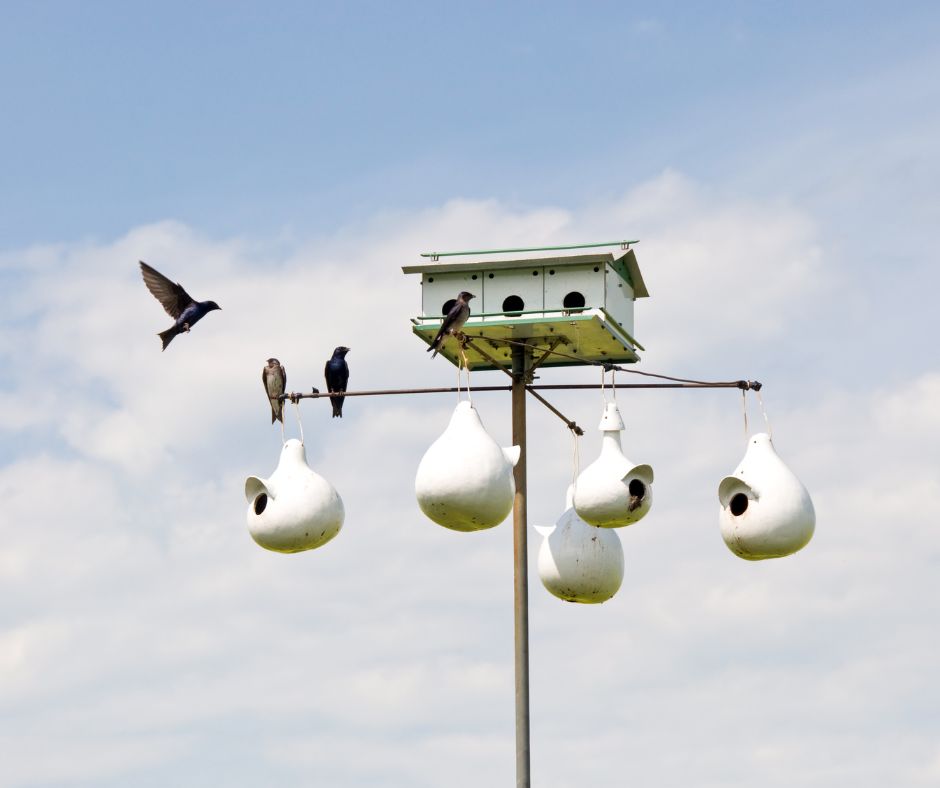
Creating a habitat for purple martins involves setting up specially designed birdhouses known as martin houses or gourds. These structures should be placed high off the ground, in open areas where the birds can easily access and navigate.
Offering multiple compartments or nesting cavities can help attract a colony of purple martins, increasing the mosquito control benefits for your garden.
Barn Swallows
Barn swallows are another bird species that are adept mosquito predators. Recognizable by their vibrant blue backs, creamy underbellies, and long, forked tails, barn swallows are agile fliers capable of making sharp turns and acrobatic maneuvers to catch their prey.
They consume a large number of mosquitoes, as well as other insects, contributing to the natural reduction of pest populations.
Barn swallows often build their cup-shaped mud nests in sheltered locations such as under eaves, bridges, or inside barns—hence their name.
To attract barn swallows to your garden, provide open areas for foraging and consider installing nest cups or platforms in appropriate locations. Maintaining nearby water sources can also encourage these birds, as they often use the water for drinking and mud for nest-building.
By inviting purple martins and barn swallows to your garden, you not only enhance mosquito control but also enjoy the added beauty and dynamic activity that these birds bring to your outdoor space. Supporting these aerial acrobats contributes to a balanced ecosystem and enriches your garden experience.
Fish: Aquatic Allies in Mosquito Control
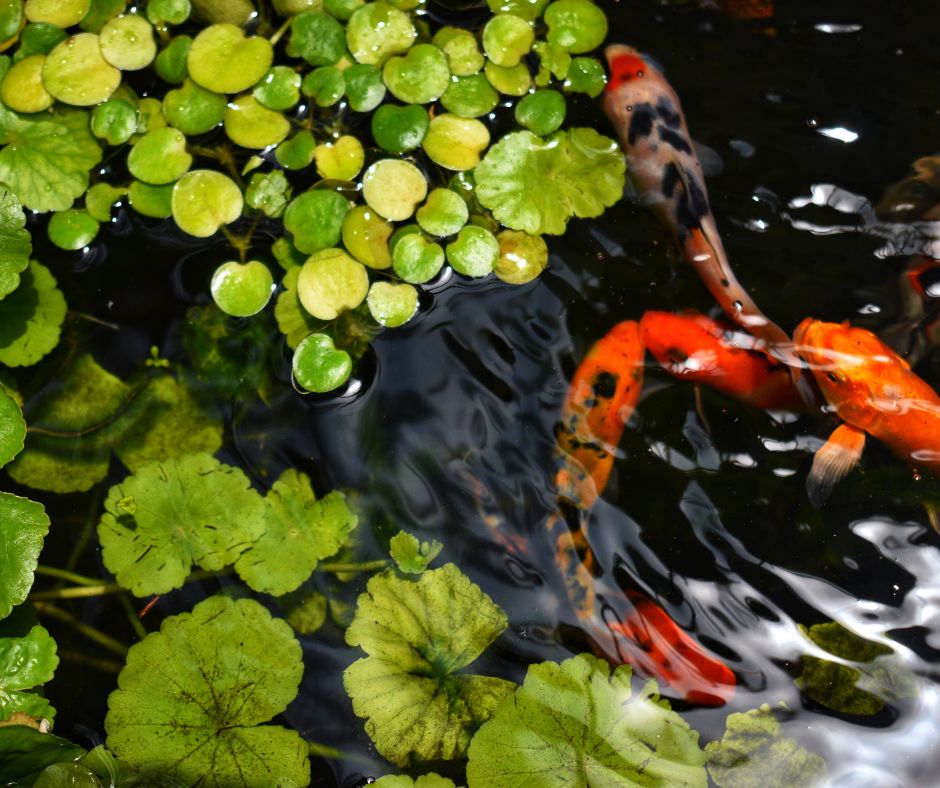
Certain fish species are highly effective at controlling mosquito populations, particularly in ponds and other water features in your garden. These aquatic allies consume mosquito larvae, preventing them from maturing into adult mosquitoes and thus breaking the lifecycle of these pests.
One of the most renowned mosquito-eating fish is the mosquitofish (Gambusia affinis). Small and hardy, mosquitofish are voracious feeders that thrive in a variety of aquatic environments.
They actively hunt for mosquito larvae, using their keen sense of sight to locate and consume them. Mosquitofish are particularly beneficial in garden ponds and water containers, as they require minimal maintenance and reproduce quickly, ensuring a consistent population of larvae consumers.
5 Captivating Carnivorous Plants
Another effective species is the koi (Cyprinus rubrofuscus), which, while primarily known for their ornamental value, also contribute to mosquito control.
Koi fish search for mosquito larvae among aquatic plants and substrate, using their sensory barbels to detect the larvae. Their presence not only adds aesthetic appeal to your water features but also helps maintain a balanced ecosystem by reducing mosquito breeding.
Goldfish (Carassius auratus) and guppies (Poecilia reticulata) are also notable mentionable fish for mosquito control. Both species are adaptive and feed on mosquito larvae, providing a natural and attractive solution to mosquito problems in garden ponds and fountains.
5 Great Fish for Backyard Ponds Adding A Splash to Your Backyard
To incorporate these beneficial fish into your garden, consider installing ponds or other water features with adequate shelter and vegetation.
Ensuring the water is clean and well-maintained will provide a hospitable environment for these fish, enabling them to thrive and effectively control the mosquito population.
By integrating mosquito-eating fish into your garden’s aquatic features, you can enjoy a serene water setting free from the nuisance of mosquitoes.
Frogs: Amphibious Mosquito Hunters
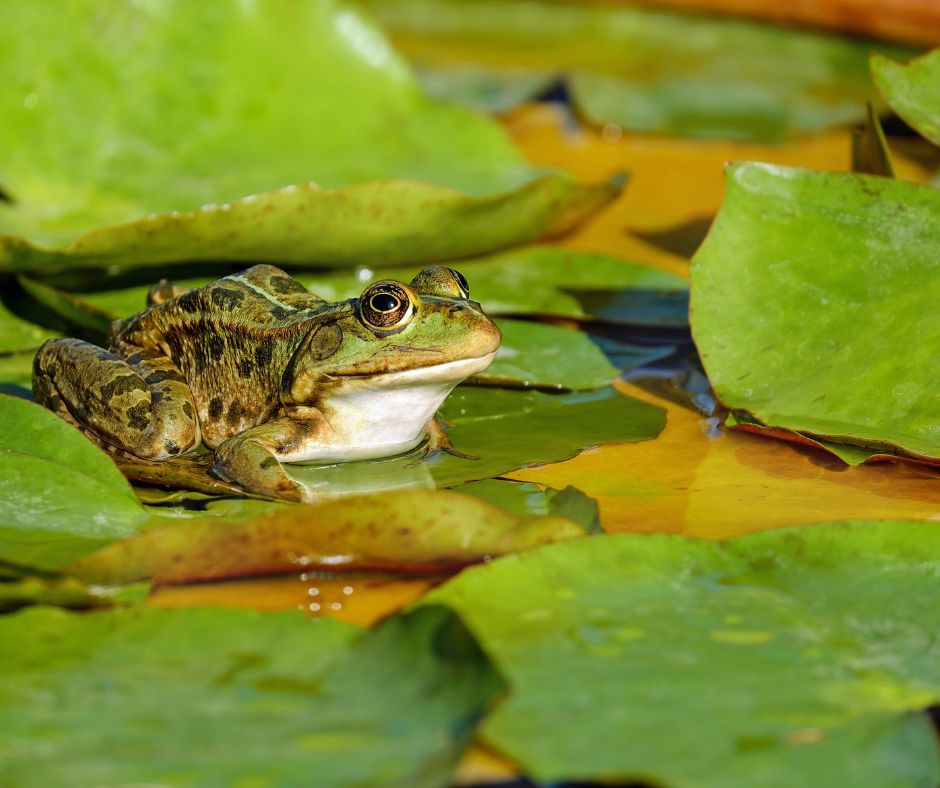
Frogs are another integral component in the natural battle against mosquitoes, making them valuable additions to any garden ecosystem aiming to minimize these pests.
As amphibians, frogs exhibit a dual life, thriving in both aquatic and terrestrial environments, which grants them the ability to significantly impact mosquito populations.
Life Cycle and Mosquito Control
Frogs contribute to mosquito control during both their larval (tadpole) and adult stages. Tadpoles, found in ponds, streams, and other water bodies, primarily consume algae and plant matter. Which can reduce stagnant water by removing water flow and blocking plant masses from building up.
Adult frogs expand the fight against mosquitoes as formidable insect predators. They have a diverse diet that includes a variety of pests, with mosquitoes being a frequent item on their menu.
Frogs use their long, sticky tongues to quickly snatch mosquitoes out of the air, exhibiting precision and speed that contribute to effective pest control in a garden.
Attracting Frogs to Your Garden
To entice frogs to your garden, creating an appealing habitat that supports their needs is essential. Frogs are highly dependent on water bodies, as they require moisture for their skin and breeding.
A well-maintained pond or water feature with gradual edges and varied depths can provide an excellent habitat for frogs. Including aquatic plants not only offers shelter and breeding sites for frogs but also creates a balanced ecosystem conducive to their presence.
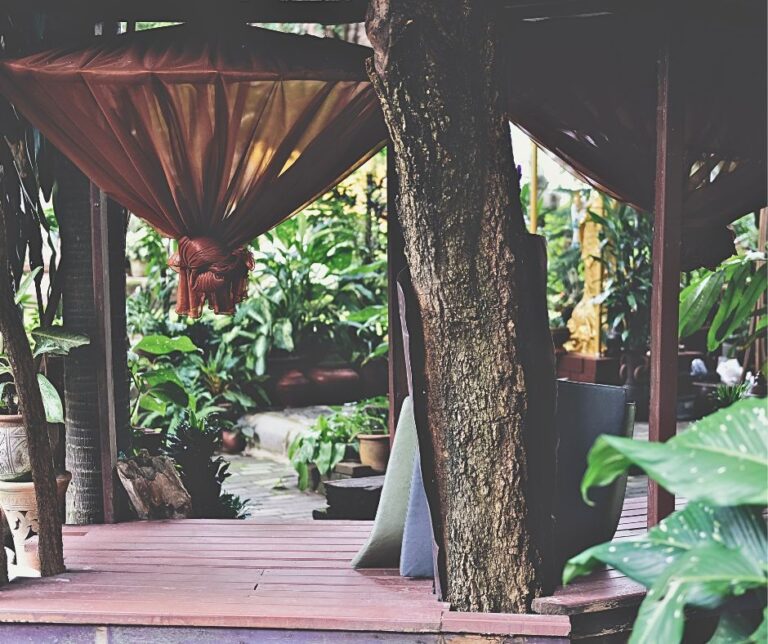
Creating a Cool Oasis: The Importance of Shade in Your Garden
Moreover, providing shaded areas with ample vegetation, such as ferns and shrubs, ensures that frogs have cool, moist hiding spots during the day. Our resident frogs love sitting behind the cascading waterfall on hot days.
Rocks, logs, and leaf litter can also serve as suitable shelter, enhancing the overall attractiveness of your garden for these amphibious allies.
Benefits Beyond Mosquito Control
In addition to their role in mosquito management, frogs bring other benefits to your garden. Their presence often signals a healthy, biodiverse ecosystem, as frogs are sensitive to environmental changes and pollutants.
Furthermore, frogs add an element of natural beauty and tranquillity to garden spaces, with their distinctive calls and vibrant appearances contributing to the sensory experience.
By fostering an environment that welcomes frogs, you not only harness a natural method for controlling mosquitoes but also support a richer, more dynamic garden ecosystem.
These amphibian hunters offer an eco-friendly way to reduce pest populations while enhancing the overall health and enjoyment of your outdoor space.
Creating a Welcoming Environment
To attract mosquito eaters to your garden, it’s essential to provide a suitable habitat. Here are some guidelines:
Water Sources: Install a small pond, birdbath, or other water feature to attract dragonflies and other mosquito predators. Ensure the water is clean and free of chemicals.
Shelter: Offer hiding spots and resting places for animals like bats and dragonflies. Consider installing a bat house or leaving hollow logs and brush piles in your garden.
Cultivating Moments of Awe in the Garden: How to Turn Your Backyard into an Inspiring Sanctuary
Plant Selection: Choose native plants that attract mosquito predators. For example, dragonflies are drawn to aquatic plants like water lilies and cattails.
Avoid Pesticides: Harsh chemicals designed to kill mosquitoes can also harm beneficial animals. Opt for natural pest control methods instead.
Maintenance and Monitoring
Once you’ve taken steps to make a home for mosquito-eating animals, it’s important to maintain and monitor their habitat:
Keep Water Sources Clean: Regularly clean and refresh water in birdbaths and ponds to prevent stagnation and mosquito breeding.
Monitor Bat and Bird Houses: Check your houses annually for signs of wear or damage and clean them if necessary.
Observe and Enjoy: Take time to observe the animals in your garden and enjoy the benefits of a balanced ecosystem.
By inviting mosquito-eating animals into your garden, you’re not only reducing the mosquito population naturally but also contributing to a healthier environment. Remember, a diverse and thriving ecosystem is key to a successful and enjoyable gardening experience. Start implementing these tips today and watch your garden become a haven for beneficial animals and a more pleasant space for you to enjoy.
Visit the Garden Resources page for supplies and inspiration. Don’t forget to subscribe to the Calendula’s Garden Newsletter for more gardening tips.
Calendula’s Garden is reader supported. When you buy through links on our site, we may earn an affiliate commission. As an Amazon Associate, I earn from qualifying purchases. For more information, view our Disclaimer page. Thank you!