Make the Perfect Vegetable Stock Using Homegrown Ingredients
Calendula's Garden is reader suported This post may contain affiliate links, more on our Disclaimer page. Thank you!

A rich, aromatic vegetable stock can transform your cooking, adding depth and flavor to soups, stews, and sauces. Plus, you can control sodium levels. While store bought options exist, nothing compares to the taste of homemade stock crafted from your own homegrown ingredients.
It’s fresher, more flavorful, and a beautiful way to celebrate the produce from your garden. Not to mention, it’s a sustainable practice that reduces food waste.
This guide will walk you through the process of building the perfect vegetable stock from scratch using ingredients you’ve grown yourself. From selecting the best vegetables to simmering and storing, you’ll learn everything you need to create a versatile base for all your culinary adventures.
Why Make Vegetable Stock at Home?
Homemade vegetable stock is a game-changer in the kitchen. Here’s why:
- Superior Flavor: Your garden-fresh vegetables provide a robust, natural flavor that far exceeds pre-packaged stock options.
- Control Over Ingredients: You get to choose exactly what goes into your stock—no additives, excess salt, or artificial flavors.
- Sustainability: Making stock is an excellent way to use vegetable scraps that might otherwise go to waste.
- Budget-Friendly: If you’re growing your vegetables, your stock is virtually free.
Suplies
- Stock Pot
- Single Propane Burner – Outdoor Cooking
- Strainer
- Vegetable Scrubber
- Large Ladle
- Mason Jars
- Ice Cube Trays
Step 1: Selecting the Right Vegetables
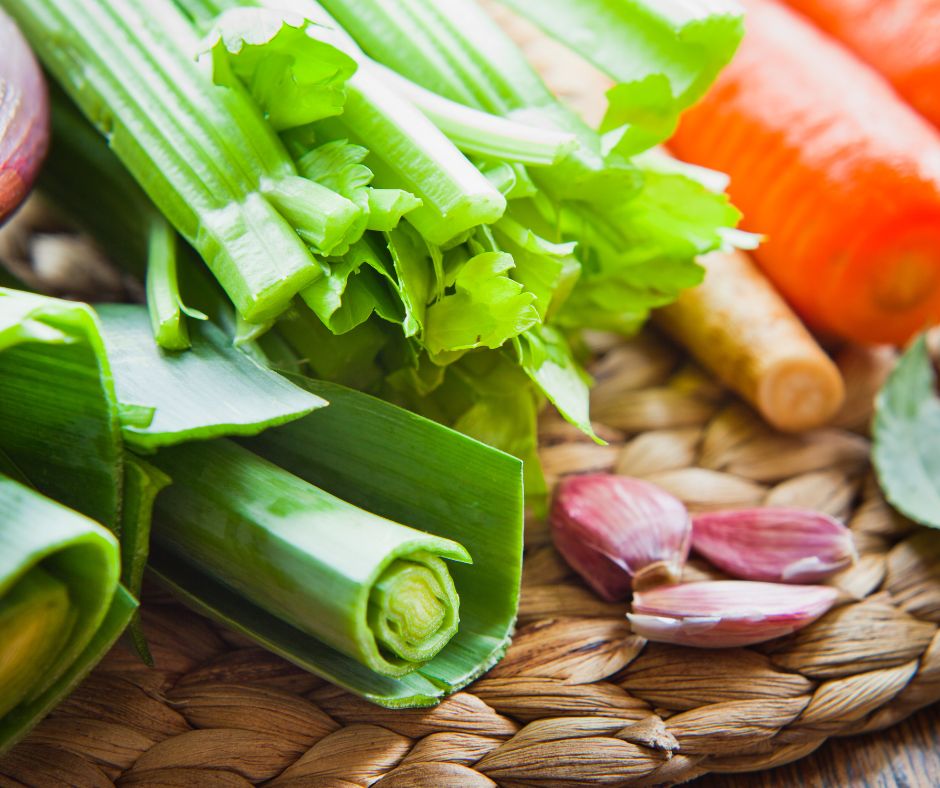
The backbone of any vegetable stock lies in balance. Not all vegetables contribute equally to the flavor, so choose wisely from your garden’s bounty. Here are some key players to include and exclude:
Vegetables to Include:
- Carrots: Add sweetness and depth.
- Celery: Lends an earthy, savory flavor.
- Onions: Provide a pungent, aromatic base (red or yellow onions work beautifully).
- Garlic: Offers a subtle complexity.
- Green Tops: Save leafy tops from carrots, celery, or parsley to enhance flavor.
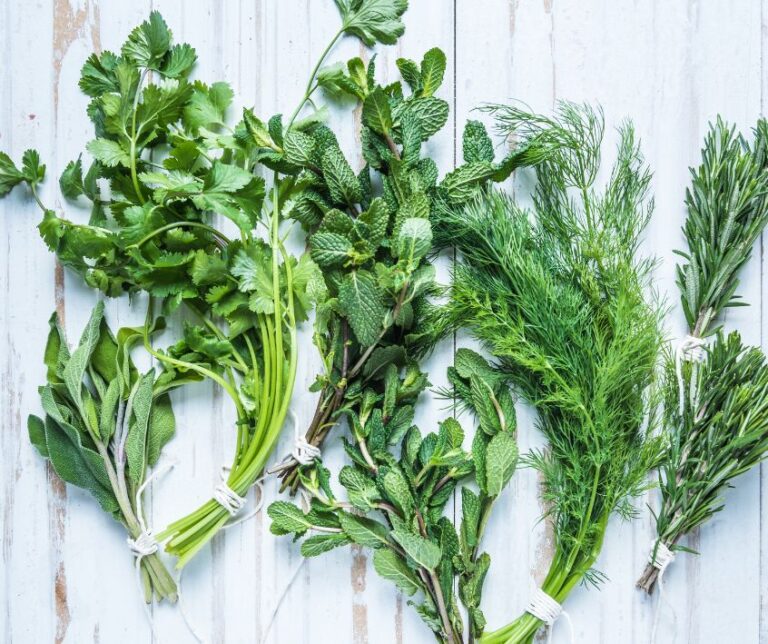
- Herbs (e.g., thyme, parsley, bay leaves): Fresh herbs offer a fragrant boost.
Vegetables to Avoid:
- Bitter Greens and Cruciferous Vegetables (e.g., cabbage, kale, broccoli): These can turn your stock bitter.
- Starchy Vegetables (e.g., potatoes): These cloud the stock and make it gummy.
- Peppers (spicy or sweet): They can dominate the flavor and clash with other ingredients.
Tip: Think seasonal! If you’re harvesting from your garden, build your stock using what’s fresh from the soil. For example, tomatoes are a great addition in summer, while leeks are perfect for fall.
Step 2: Preparing and Cleaning Vegetables
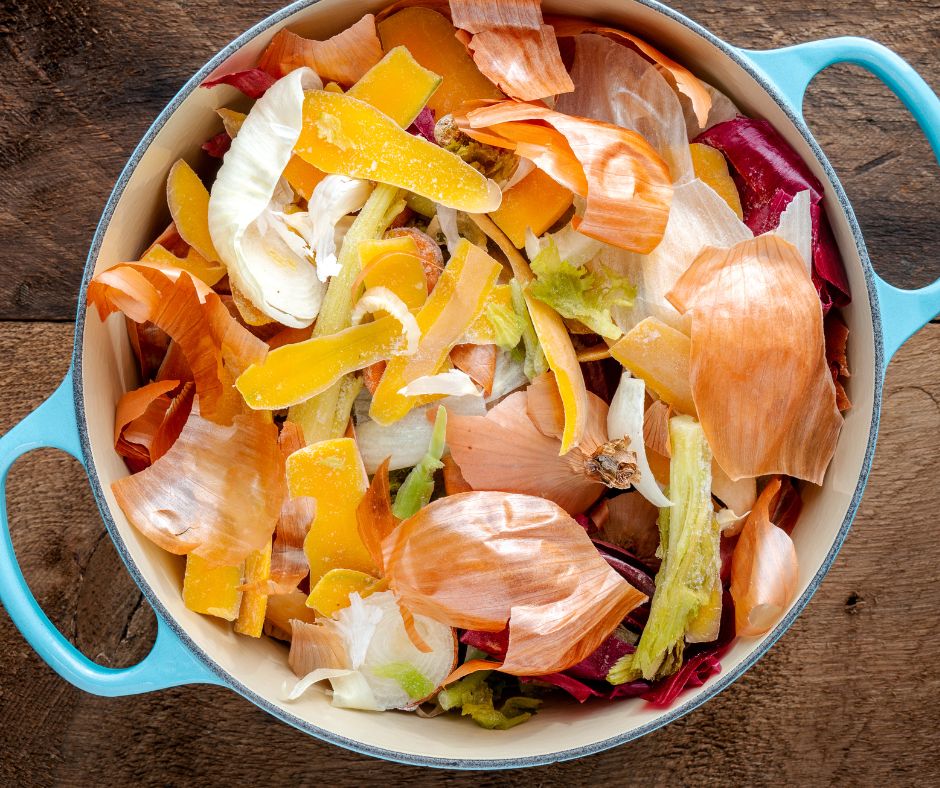
The key to a flavorful and clean vegetable stock is proper preparation. Dirt and debris can quickly ruin the taste, so follow these steps to ensure your vegetables shine:
- Wash Thoroughly: Rinse your vegetables under cold water to remove dirt. For root veggies, a scrub with a brush works wonders.
- Cut into Chunks: Chop vegetables into large, even pieces. This allows flavors to release evenly while cooking.
- Save Scraps: Don’t toss those peels, ends, and trimmings! Celery ends, carrot tops, and onion skins are excellent for stock. Just ensure they’re clean and free of mold or decay.
Pro Tip: Collect vegetable scraps in a freezer-safe bag over time. Once you have enough, they make a fantastic foundation for stock!
Step 3: Cooking the Stock
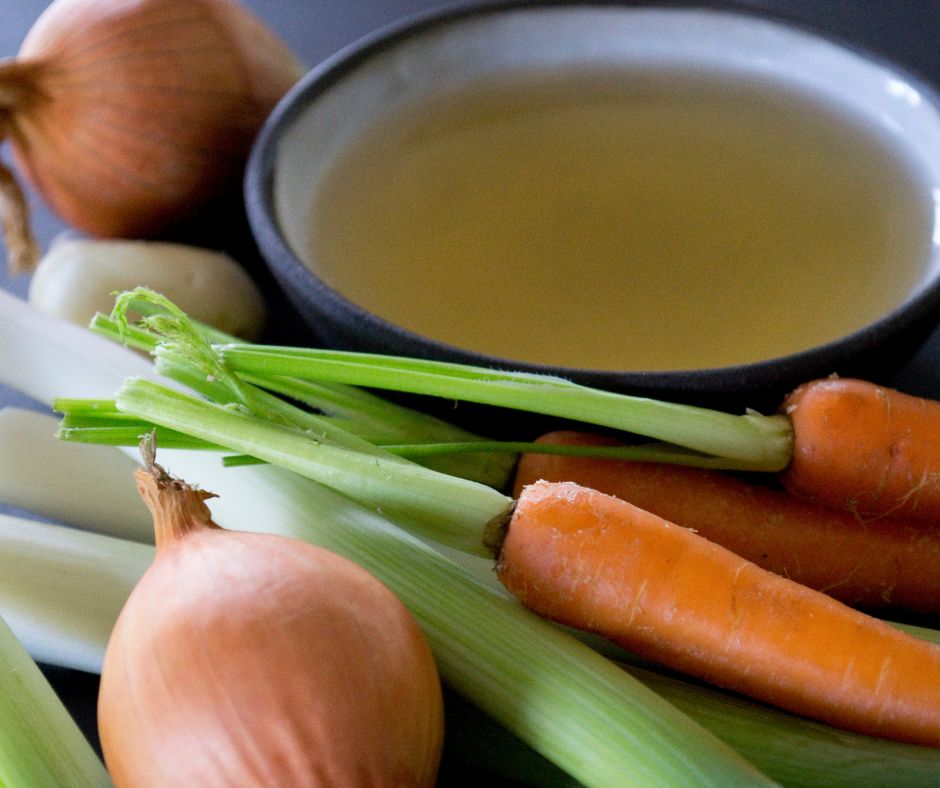
The cooking process extracts and develops your stock’s rich, savory flavor. Here’s how to do it right:
- Combine Ingredients: Place your prepared vegetables and herbs in a large stockpot. Use about 4 cups of vegetables for every gallon of water.
- Add Water: Fill the pot with cold water, ensuring there’s enough to completely cover the ingredients.
- Bring to a Simmer: Heat the pot over medium-high heat until the water comes to a gentle simmer. Avoid boiling, as this can make the stock cloudy.
- Cook Low and Slow: Simmer the stock uncovered for 45 minutes to 1 hour. Stir occasionally to ensure even cooking.
- Strain the Stock: Use a fine mesh strainer to remove solids, leaving behind a clear, golden liquid.
Pro Tip: For a concentrated flavor, reduce the stock further by simmering after straining.
See why Boston Medical Center refers to Vegetable Broth as true “vitamin water”.
Step 4: Storing Your Homemade Stock
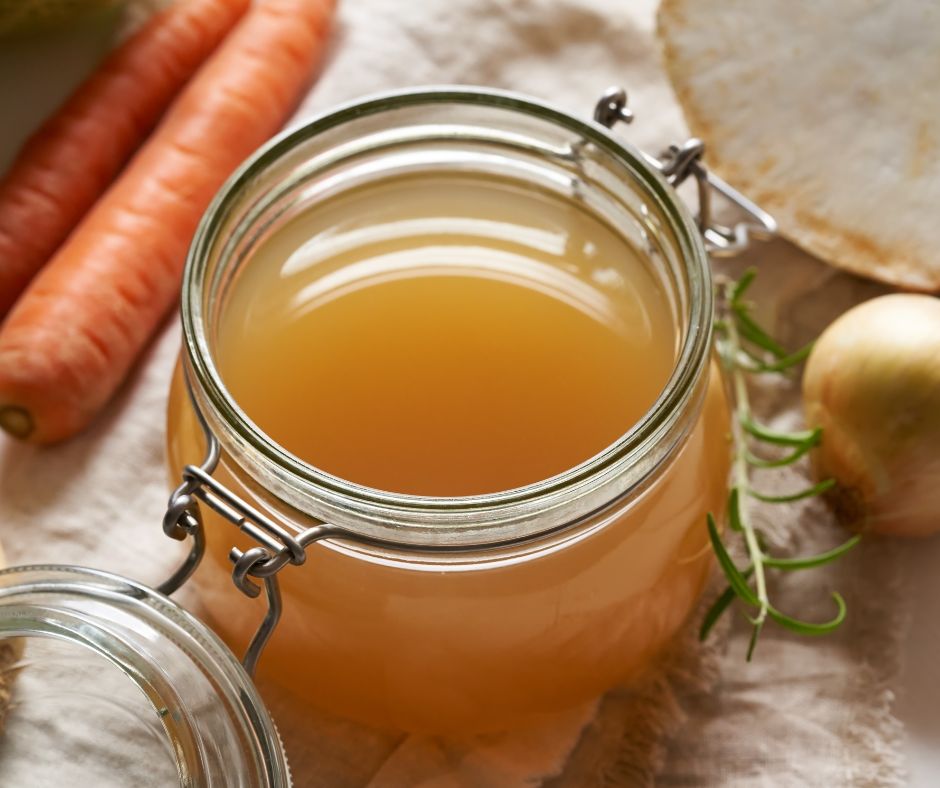
Once your stock is cooked and cooled, proper storage will ensure it stays fresh and ready to use whenever inspiration strikes.
- Refrigeration: Store your stock in airtight containers and keep it in the fridge for up to 5 days.
- Freezing: For long-term storage, divide the stock into freezer-safe containers or ice cube trays. Freeze for up to 3 months.
- Labeling: Don’t forget to label your stock with the date to track its use-by timeframe.
Pro Tip: Freeze small portions of stock in ice cube trays so you can conveniently defrost just what you need.
Step 5: Customizing Your Stock
One of the best things about making stock is how versatile it is. Here are some simple ways to customize it to suit your dishes:
- Seasoning: Add salt, but only after cooking. This prevents over-salting, especially if you plan to further reduce the stock.
- Unique Ingredients: Consider adding a handful of mushrooms for umami, tomatoes for acidity, or a dash of soy sauce for richness.
- Spices: Experiment with spices like paprika, coriander seeds, peppercorns, red pepper flakes, or a cinnamon stick for more complex flavor profiles.
Step 6: Sustainable Stock-Making Tips
Homemade stock is inherently sustainable, and a few mindful practices can take it even further:
- Use Everything: Toss in veggie scraps and herb stems that might otherwise go unused.
- Compost Leftovers: Once you’ve strained your stock, compost the vegetable solids to close the loop.
- Grow What You Need: Consider planting high-use ingredients like carrots, celery, and parsley in your garden to maintain a steady supply.
A Garden to Table Flavor Revolution

Building the perfect vegetable stock using homegrown ingredients is not just a way to elevate your dishes. It’s an act of sustainability and creativity. By harnessing garden-fresh produce, you’ll create a stock that’s tailor-made to your tastes and values.
Start small, experiment with different combinations of vegetables, and discover the flavors that bring you joy. Before long, you’ll have a tried-and-true recipe that becomes a kitchen staple.
Now it’s your turn to get simmering. Start gathering those fresh vegetables—or scraps!—and build a stock that’s as unique as your garden. Tag us in your creations, and share your favorite combinations!
Visit the Garden Resources page for supplies and inspiration. Don’t forget to subscribe to the Calendula’s Garden Newsletter for more gardening tips.
Calendula’s Garden is reader supported. When you buy through links on our site, we may earn an affiliate commission. As an Amazon Associate, I earn from qualifying purchases. For more information, view our Disclaimer page. Thank you!