Low Maintenance Small Home Garden Ideas for Busy People
Calendula's Garden is reader suported This post may contain affiliate links, more on our Disclaimer page. Thank you!
Short on Time? Here’s How to Grow a Thriving Garden
We often think of gardening as a leisurely pursuit. Something retired folks do with sunhats and endless afternoons.
But for the rest of us, juggling careers, families, and social lives, the idea of adding “plant care” to the to-do list can feel overwhelming. Yet, the desire to connect with nature and grow our own food is stronger than ever.
The good news is that you don’t need acres of land or hours of free time to cultivate a green sanctuary.
A small, low-maintenance garden can offer the same stress relief and fresh flavors as a sprawling farm, without the back-breaking labor. It’s about working smarter, not harder, and choosing plants that are happy to thrive with just a little bit of attention.
Gardening offers a unique antidote to our fast-paced digital lives. Getting your hands in the soil, even just for five minutes, grounds you in the present moment.
Plus, there is an unbeatable satisfaction in tossing a handful of your own basil into a pasta sauce or slicing a tomato that you grew yourself. It’s a small act of sustainability that benefits your health and the planet.
This guide is designed for the busy beginner who wants to dip their toes into the world of horticulture without drowning in commitment. We’ll explore how to set up a resilient, small-scale garden that fits your lifestyle, not the other way around. Let’s get growing.
Planning Your Low Maintenance Oasis
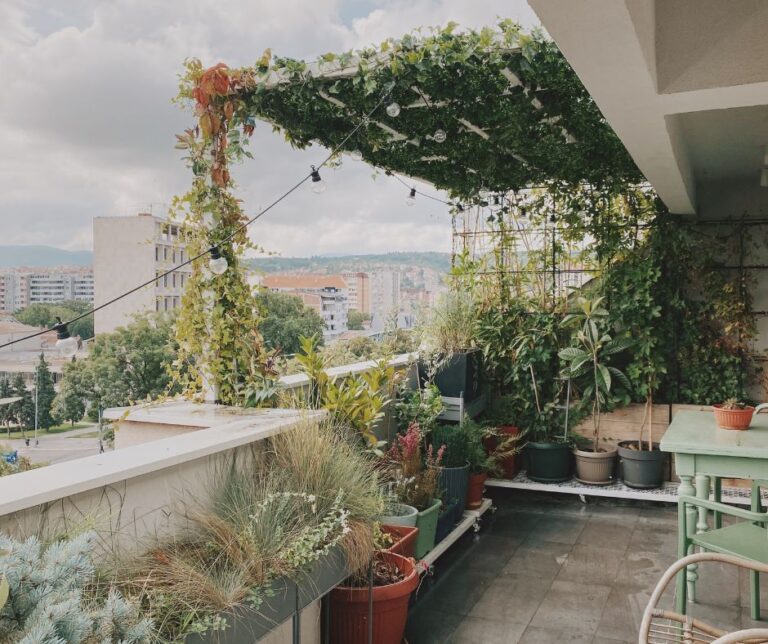
Before you buy a single seed, a little observation goes a long way. The biggest mistake new gardeners make is fighting their environment rather than embracing it. Take a moment to look at your available space, whether it’s a balcony, a patio, or a sunny windowsill.
Where to find seeds, plants, and supplies:
Sunlight is Key
Most edible plants crave the sun. Observe your chosen spot throughout the day. Does it get blasted by afternoon rays, or is it shaded by a neighbor’s tree?
- Full Sun (6+ hours): Ideal for vegetables like tomatoes, peppers, and most herbs.
- Partial Shade (3-6 hours): Good for leafy greens like spinach, kale, and lettuce, which might actually appreciate protection from the harsh midday sun.
- Shade (Less than 3 hours): Best for ornamental ferns or shade-tolerant ornamentals, though some herbs like mint can survive here.
Container Gardening: The Busy Person’s Best Friend
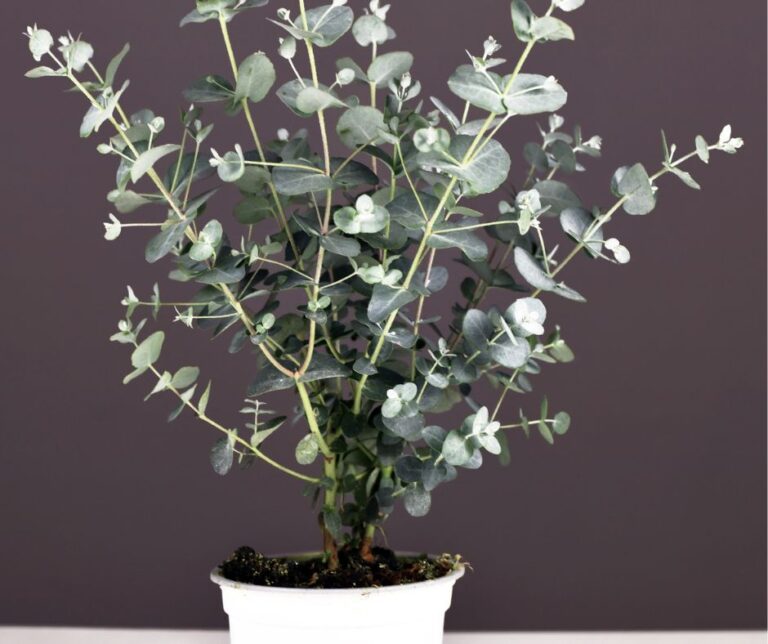
For small spaces and busy schedules, containers are a game-changer. They offer total control over the soil quality and allow you to move plants around if they aren’t happy. Plus, fewer weeds!
- Drainage is non-negotiable: Ensure your pots have holes at the bottom. Waterlogged roots lead to rot, which is the quickest way to kill a plant.
- Size matters: Larger pots hold more soil, which retains moisture longer. This means you don’t have to water as often. A huge bonus for the time-poor gardener.
Choosing Plants That Thrive on Neglect
The secret to a low-maintenance garden is selecting plants that are easy to keep alive. Avoid fussy divas that drop their leaves if you look at them wrong. Instead, opt for hardy varieties known for their resilience.
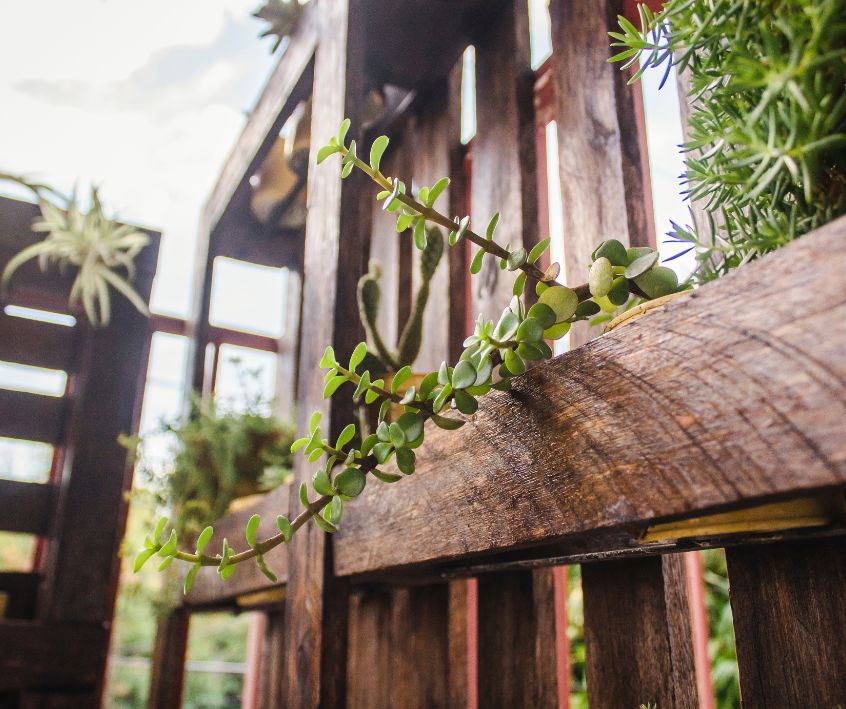
Succulents and Cacti
If you often forget to water, these are your best friends. They store water in their leaves and thrive in dry conditions.
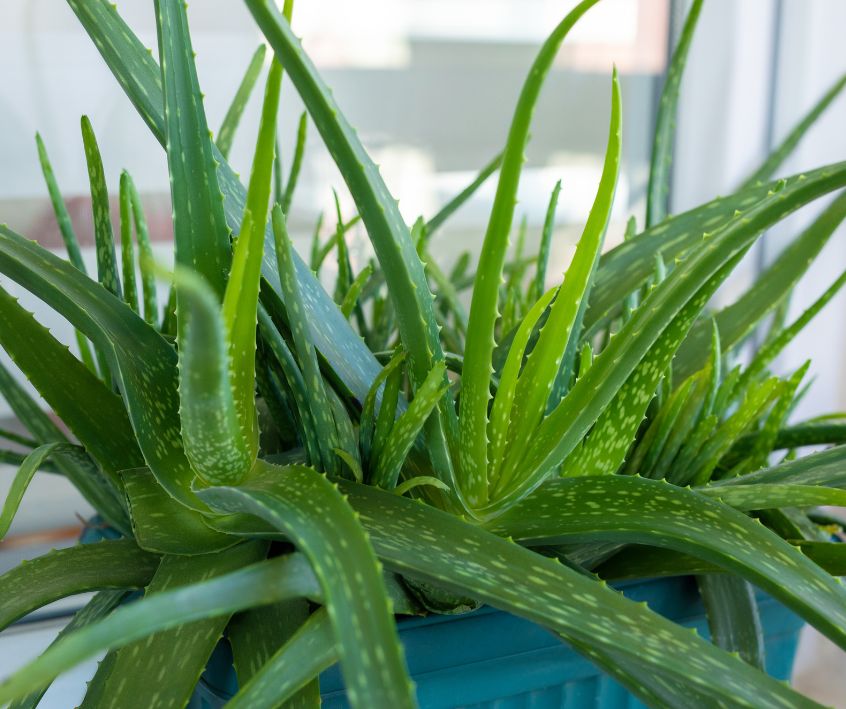
Aloe vera is a fantastic dual-purpose plant. It looks architectural, and its gel soothes kitchen burns.
Hard-to-Kill Herbs
Herbs are the gateway drug to gardening. They are generally robust, grow quickly, and add immense flavor to your cooking.
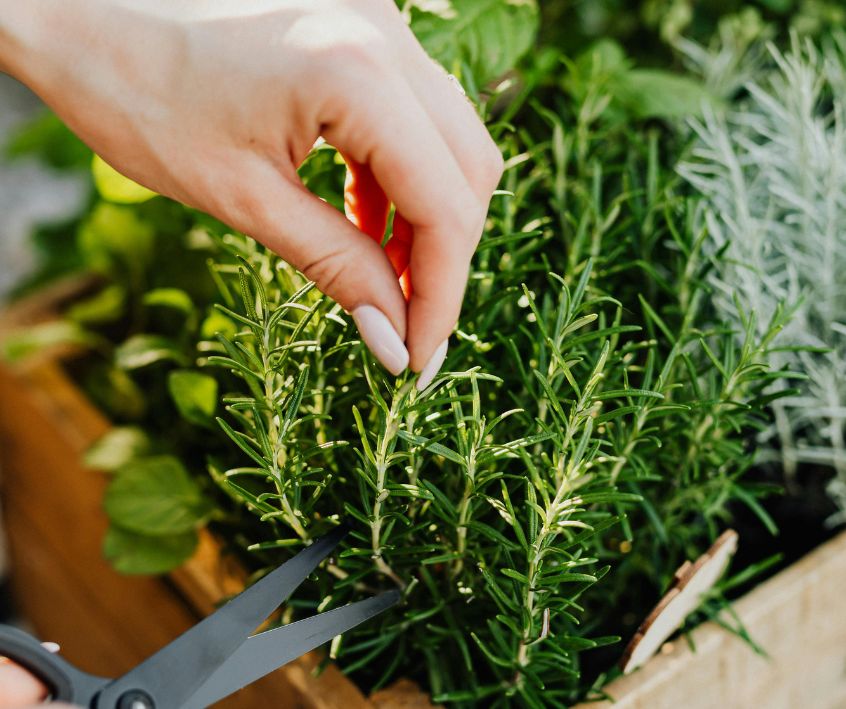
- Rosemary and Thyme: These Mediterranean natives love sun and prefer their soil to dry out between waterings. They are practically drought-tolerant once established. Rosemary: From Garden to Kitchen
- Mint: This plant is so vigorous that it should only be grown in a container, or it will take over your entire garden. It’s impossible to kill and perfect for tea or cocktails.
- Chives: A perennial favorite that comes back year after year with minimal effort.
Beginner-Friendly Vegetables
You don’t need a farm to grow food.
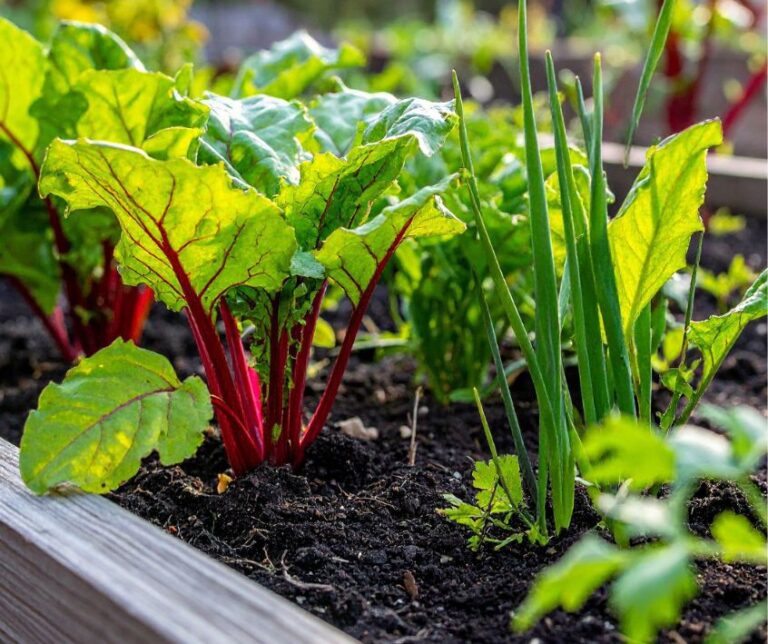
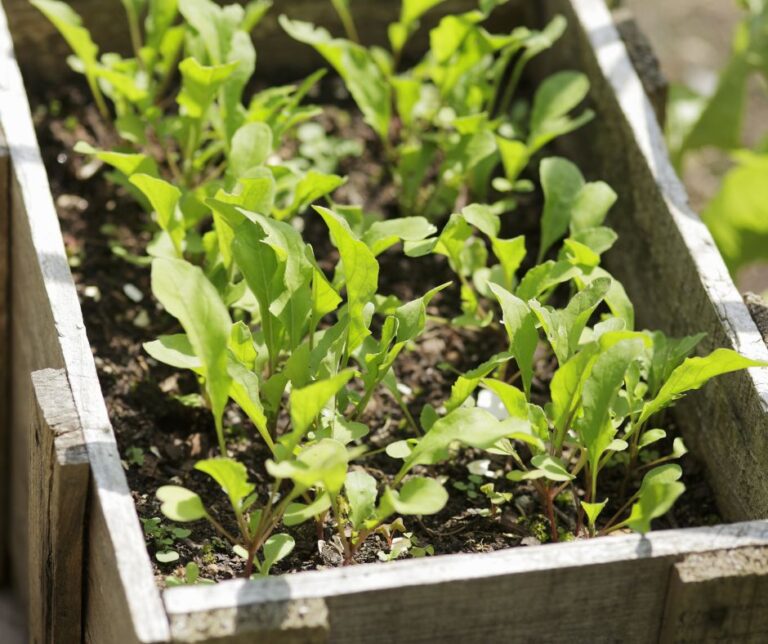
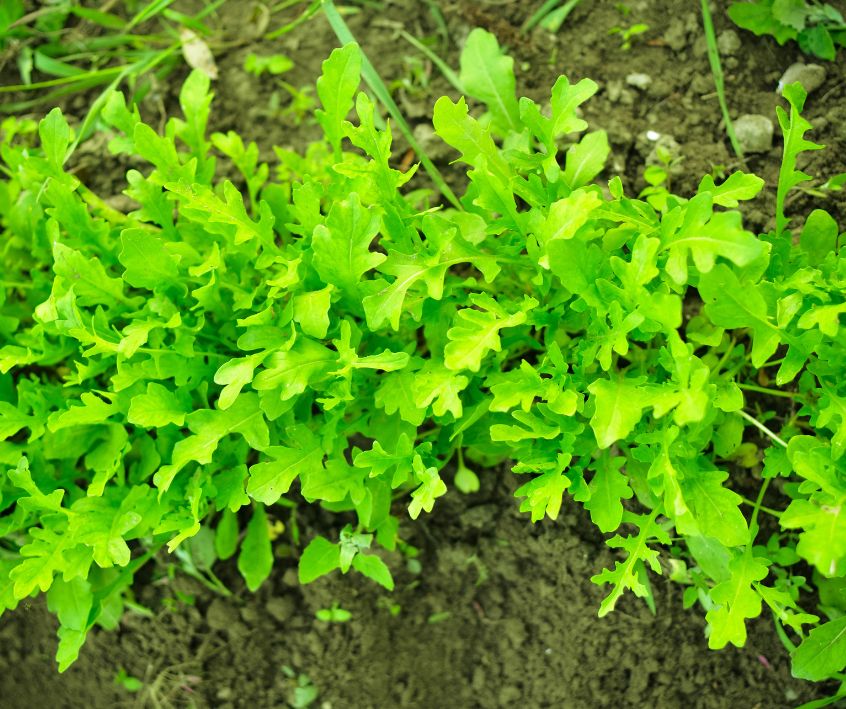
- Lettuce and Greens: These grow fast and have shallow roots, making them perfect for shallow containers. You can harvest leaves as you need them (“cut-and-come-again”), and they’ll keep growing. How to Grow Lettuce
- Radishes: The speed demons of the vegetable world. You can go from seed to harvest in about 30 days. Instant gratification!
- Cherry Tomatoes: While they need support (a cage or stake), cherry varieties are often more disease-resistant and prolific than their larger beefsteak cousins.
Go Native
Native plants are the ultimate low-maintenance choice. Because they evolved in your local climate, they are adapted to your specific rainfall and soil conditions.
Find plants native to your region: Xerces Society Pollinator Conservation Program Pollinator-Friendly Native Plant Lists
They also provide essential habitat and food for local pollinators like bees and butterflies, boosting your garden’s biodiversity without any extra effort from you.
Smart Watering Strategies
Watering is the most demanding task in gardening, but you can automate it or make it more efficient.
Self-Watering Pots
These containers have a reservoir at the bottom that holds water. The soil wicks moisture up as needed.
Self Watering Pots for Indoor/Outdoor Plants
You simply fill the reservoir once every few days (or even weeks, depending on the size), and the plant takes care of the rest. This is a lifesaver for frequent travelers.
The Magic of Mulch
Mulching is the single best thing you can do for a low-maintenance garden. Applying a layer of organic material, like straw, wood chips, or even shredded leaves, over the surface of your soil does three things:
- Retains Moisture: It prevents water from evaporating, meaning you water less often.
- Suppresses Weeds: It blocks sunlight from reaching weed seeds.
- Improves Soil: As it breaks down, it feeds your plants.
We like HealthiStraw GardenStraw. It doesn’t have any extra chemicals added to it, it’s easy to handle, and it looks nice.
Drip Irrigation
If you want to get a little techy, a simple drip irrigation kit connected to a hose timer can water your plants automatically.
It delivers water directly to the roots where it’s needed, reducing waste and preventing fungal diseases that come from wet leaves.
Orbit B-hyve XD 4-Port Smart Hose Watering Timer
Rain Bird Drip Irrigation Landscape/Garden Watering Kit with Drippers, Micro-Bubblers, Micro-Sprays
Rain Bird Drip Irrigation Pressure Compensating 1/4″ Emitter Tubing, 6″ Emitter Spacing, 50 Roll
Eco-Friendly Pest and Weed Control
Pests are a natural part of any ecosystem, but they don’t have to ruin your harvest. Since you’re likely growing food to eat, you’ll want to avoid harsh chemicals.
Prevention is Better Than Cure
Healthy plants are less susceptible to pests. By choosing the right plant for the right spot (sun/shade) and keeping the soil healthy with compost, you’re winning half the battle.
Companion Planting
Some plants help each other out.
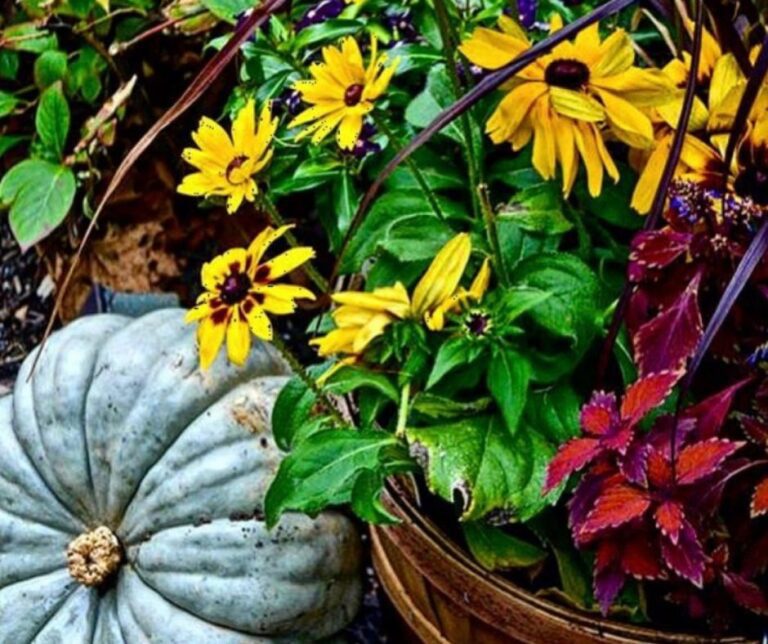
- Marigolds: These cheerful flowers are workhorses. Their scent repels many garden pests like aphids and mosquitoes. Plant them near your tomatoes.
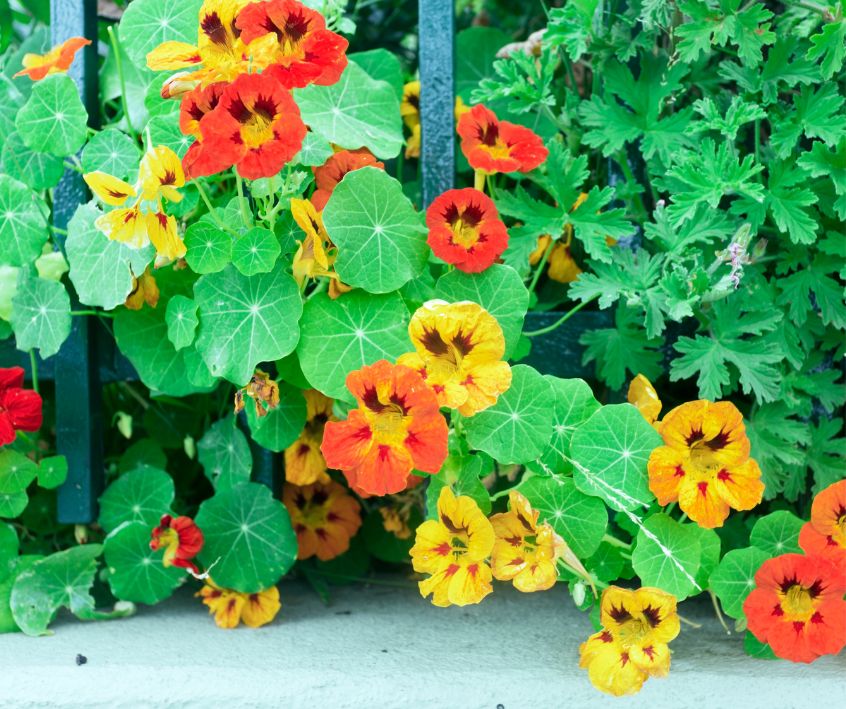
- Nasturtiums: These trap crops lure aphids away from your precious veggies. Plus, their flowers are edible and peppery!
There are a few books I refer to on a regular basis when planning my gardens with companion planting in mind. They are:
Carrots Love Tomatoes: Secrets of Companion Planting for Successful Gardening,
Roses Love Garlic: Companion Planting and Other Secrets of Flowers
Vegetables Love Flowers: Companion Planting for Beauty and Bounty.
Natural Remedies
If you do see an infestation, start with a blast of water from the hose to knock insects off. For persistent soft-bodied insects like aphids, a spray of water mixed with a few drops of mild dish soap often does the trick. Neem oil is another organic option for fungal issues and pests.
Combatting Aphids: Tips for a Thriving Garden
Seasonal Maintenance Checklist
Even a low-maintenance garden follows the rhythm of the seasons. Here is a simplified calendar to keep things on track.
- Spring: Top up your pots with fresh compost or organic potting mix. Plant your seeds or seedlings after the last frost. Start watering as the weather warms.
- Summer: This is maintenance mode. Water regularly (early morning is best). Harvest often, picking herbs and veggies actually encourages the plant to produce more. Add more mulch if the layer is looking thin.
- Autumn: Clean up dead plant material to prevent pests from overwintering. Plant cool-weather crops like spinach or garlic.
- Winter: Rest! Bring sensitive potted plants indoors or move them to a sheltered spot. Clean your tools so they are ready for next year.
Cultivate Your Own Patch of Green
Gardening doesn’t have to be an all-or-nothing endeavor. It can be a few pots of herbs on a windowsill or a single tomato plant on a balcony.
The goal isn’t perfection; it’s connection. By starting small and choosing resilient plants, you can enjoy the mental and physical benefits of growing your own food without adding stress to your busy schedule.
Every leaf you grow cleans the air, and every flower feeds a bee. You are building a tiny, thriving ecosystem right at home. So grab a pot, get some soil, and see what grows.
If you are ready to dive deeper, check out your local university extension office for region-specific planting calendars, or visit a nearby community garden to see what thrives in your neighborhood.
Visit the Garden Resources page for supplies and inspiration. Don’t forget to subscribe to the Calendula’s Garden Newsletter for more gardening tips.
Calendula’s Garden is reader supported. When you buy through links on our site, we may earn an affiliate commission. As an Amazon Associate, I earn from qualifying purchases. For more information, view our Disclaimer page. Thank you!