Lost Your Backyard Privacy? How to Reclaim It After Leaf Drop
Calendula's Garden is reader suported This post may contain affiliate links, more on our Disclaimer page. Thank you!
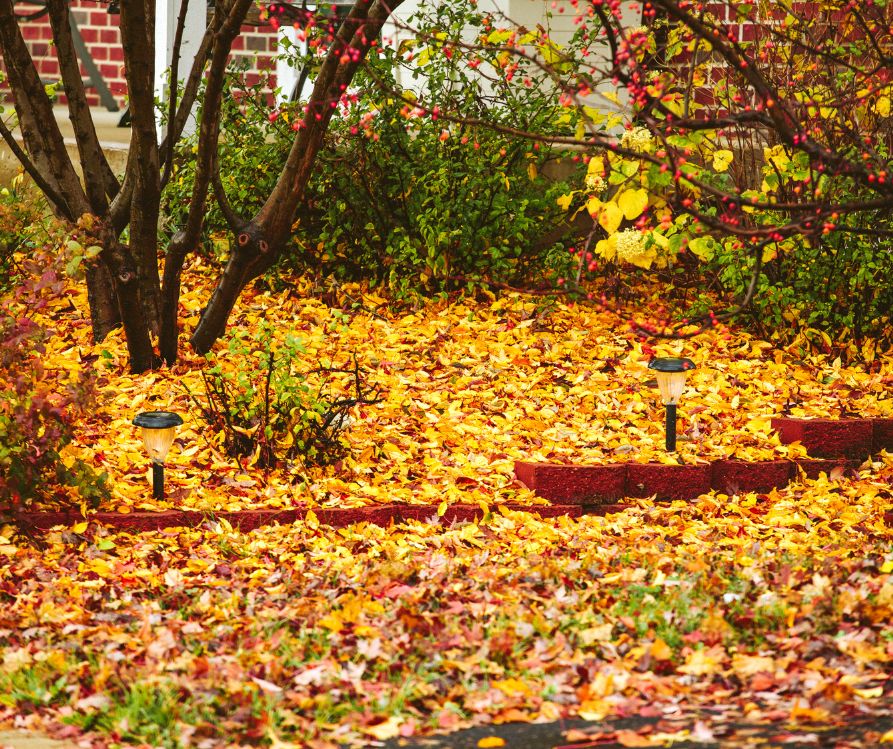
The arrival of fall brings crisp air, cozy sweaters, and beautiful foliage. But as the last leaves fall, you might notice something else: your private backyard oasis suddenly feels exposed. The natural screen you relied on all summer is gone, leaving you in full view of your neighbors.
Don’t resign yourself to life in a fishbowl until spring. You can reclaim your yard’s secluded feel with a mix of quick fixes, smart structures, and long-term planting strategies. This guide will walk you through practical solutions to restore your privacy now and build a beautiful, year-round screen for the future.
Quick Fixes for Immediate Privacy
When you need to block a sightline fast, these temporary and movable solutions offer instant relief without a major commitment.
Create a Soft Wall with Textiles
Privacy curtains aren’t just for indoors. Adding weather-resistant fabric panels to a pergola, covered porch, or gazebo can instantly create a cozy, enclosed space. Use simple tension rods or a more permanent cable system for easy installation and removal.
Use Freestanding Panels and Screens
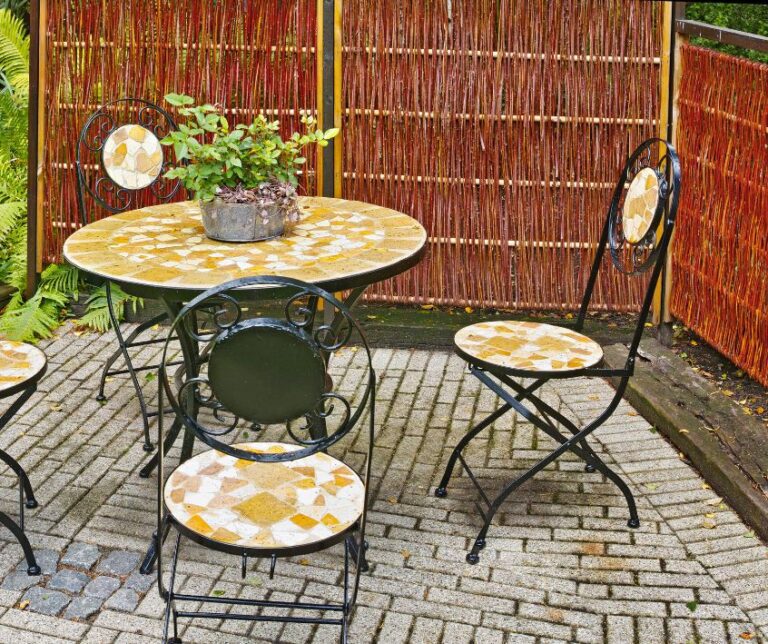
Think of these as portable walls for your garden. Freestanding options are perfect for blocking specific views, like a neighbor’s second-story window or an adjacent patio.
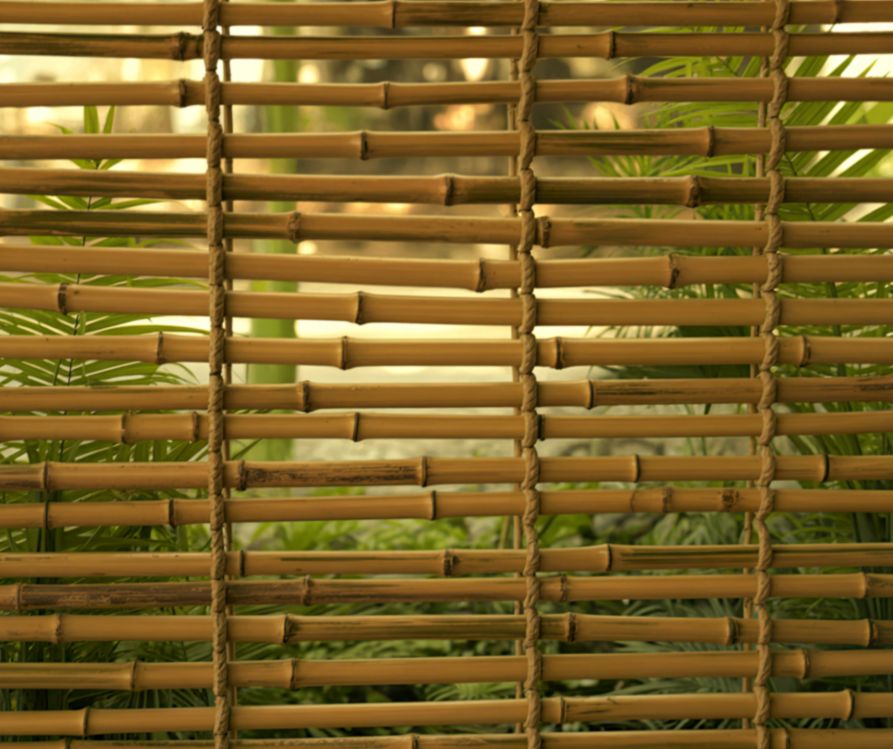
- Lattice or Bamboo Screens: These classic panels are lightweight and can be moved easily as your needs change.
- Composite Slat Dividers: Modern and durable, these offer a clean look and excellent screening.
- Foldable Panels: Easy to store in the off-season, these can be deployed in seconds.
- Faux Plants in Pots: Quick, lightweight solution for small areas.
Plant a Movable Green Wall
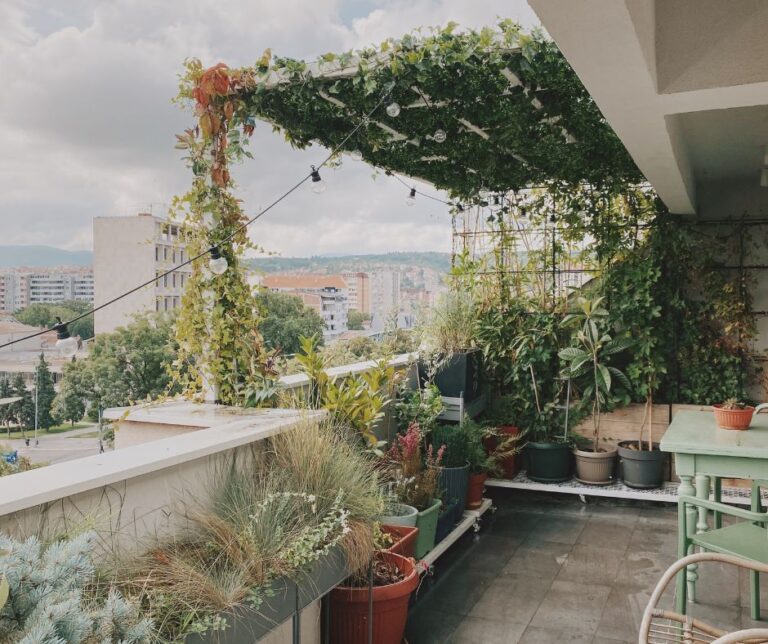
Container gardening is a powerful tool for privacy. Grouping tall, cold-hardy plants in large planters creates a living screen you can rearrange as needed.
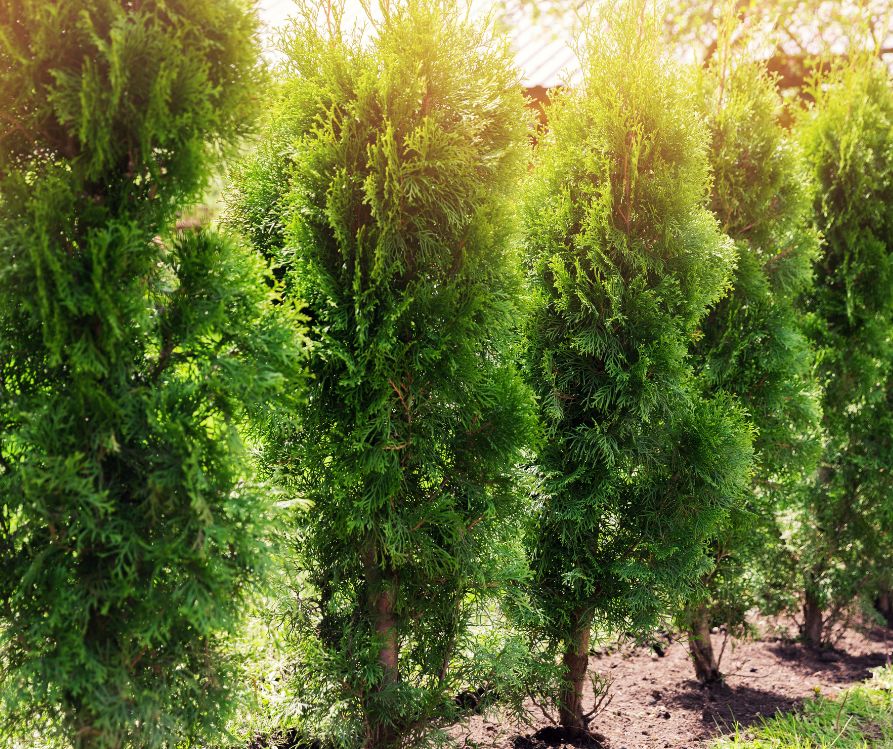
- Evergreens: Choose narrow, upright varieties like ‘Emerald Green’ Arborvitae, Boxwood, or ‘Sky Pencil’ Holly.
- Ornamental Grasses: Tall grasses like Feather Reed Grass or Miscanthus provide excellent texture and screening, even in their dormant winter state.
Add Vines on Temporary Trellises
A simple metal trellis or a sturdy section of cattle panel can become a privacy feature. While it takes time for vines to grow, the structure itself helps break up sightlines. For faster results in milder climates, consider an evergreen clematis.
Decorate with Purpose
Your outdoor decor can do double duty. Strategically place functional items to interrupt views and add style to your space.
A tall, stacked firewood rack not only preps you for winter but also creates a solid barrier. Similarly, vertical shelving units can hold plants and decorative objects while screening your yard.
Adjust Your Seating
Sometimes the simplest solution is the most effective. Analyze where you feel most exposed and reorient your outdoor furniture.
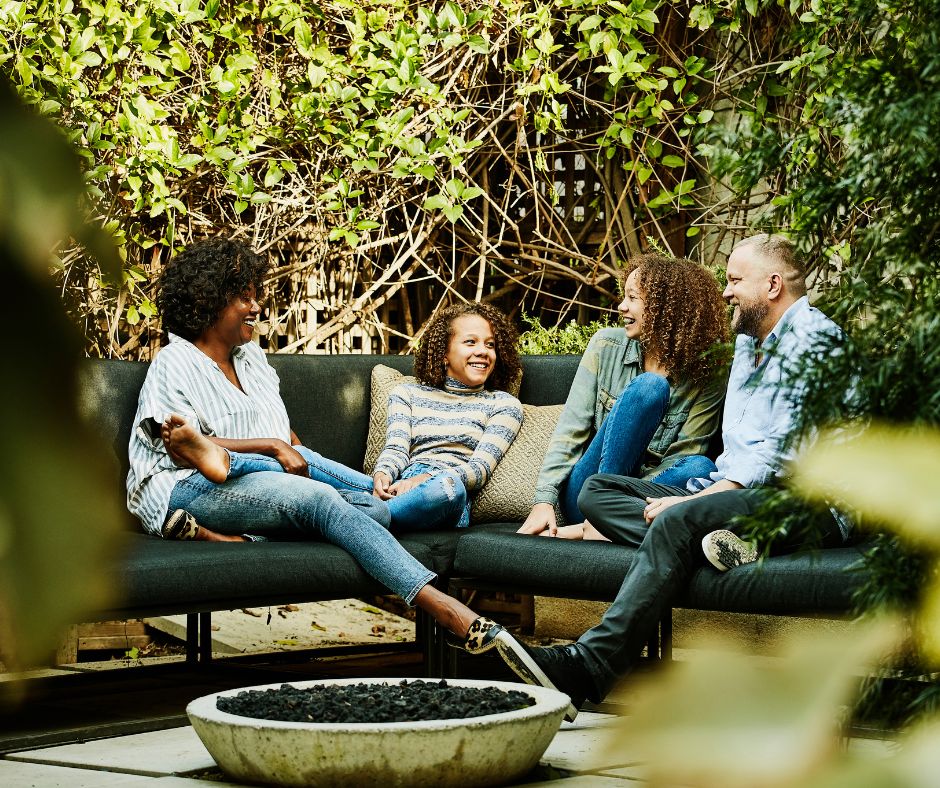
Turn chairs and sofas to face inward, toward a fire pit or garden feature, rather than outward toward a neighbor’s yard. Position benches behind large planters or other decorative screens.
Semi-Permanent Structures for Lasting Privacy
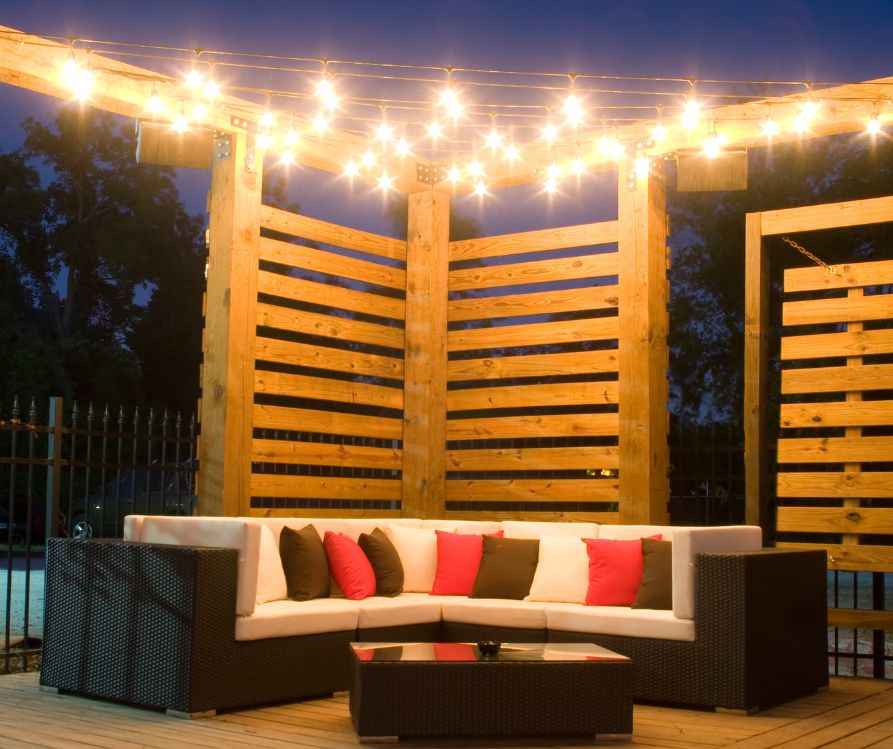
If you’re looking for a more durable solution, these structures blend seamlessly into your landscape design and provide reliable, year-round screening.
- Louvered or Slatted Screens: These built-in walls offer the best of both worlds. Adjustable louvers let you control the amount of light, airflow, and privacy. Fixed cedar or composite slats provide a modern aesthetic and a permanent visual block.
- Pergola Add-Ons: Enhance an existing pergola by adding lattice panels to the sides. For a contemporary look, install laser-cut metal panels with artistic patterns. Frosted polycarbonate sheets are another great option, offering privacy while still letting light through.
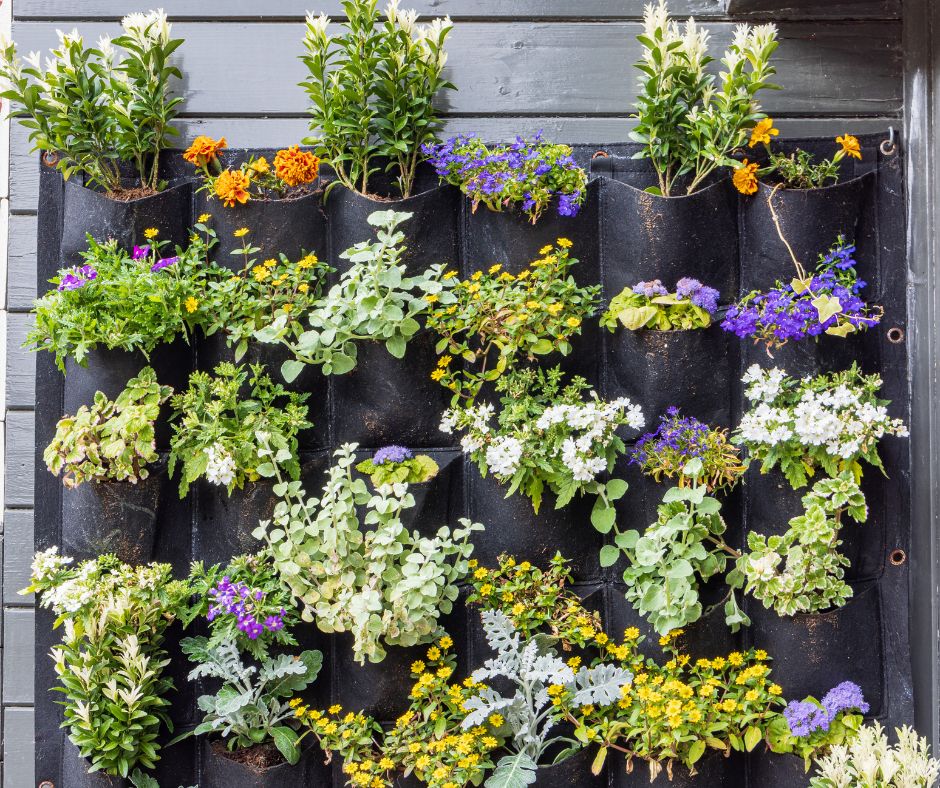
- Living Walls: A vertical garden is a stunning and effective privacy screen. Modular systems allow you to plant rows of evergreens or hardy perennials that will create a dense wall of green.
Long-Term Planting for a Natural Screen
The best long-term solution is a well-designed landscape that provides four-season interest and privacy. By layering different types of plants, you can create a beautiful and effective natural barrier.
Build an Evergreen Backbone
Evergreens are the foundation of any privacy hedge because they retain their foliage year-round. Mix different species and shapes to create a more resilient and visually interesting screen.
- Narrow Evergreens: Ideal for tight spaces, look for Arborvitae, Spartan Juniper, and upright Holly varieties.
- Broadleaf Evergreens: In milder zones, plants like Camellia, Osmanthus, and Viburnum Tinus offer dense foliage and often have the bonus of fragrant winter or spring flowers.
- Dense Hedging: Classic choices like Yew, Laurel, and Holly can be sheared into a formal, impenetrable hedge or left to grow in a more natural form.
Embrace Semi-Evergreen and Marcescent Trees
Some deciduous trees don’t drop their leaves in the fall. Marcescent trees, such as certain varieties of Oak and Hornbeam, hold onto their dry, brown leaves throughout the winter, providing a partial screen until new growth appears in spring.
Layer Your Hedges
Create a deeper, more effective barrier by planting in layers. Place a row of tall evergreens at the back and plant a shorter, deciduous hedge in front.
The dense twig structure of shrubs like Red Twig Dogwood or Ninebark will provide good visual screening even after their leaves have dropped.
Use Ornamental Grasses in Drifts
Don’t underestimate the screening power of ornamental grasses. Planted in large groups, or “drifts,” their tall plumes and foliage form a soft, permeable screen that persists well into winter, adding texture and movement to the landscape.
Smart Design Strategies for Maximum Effect
How you place your privacy solutions is just as important as what you choose.
- Block the Sightline, Not Just the Boundary: Identify the specific vantage point you need to block (e.g., your neighbor’s kitchen window) and place your screen or plant diagonally to it. This is often more effective than a straight fence line.
- Stagger Heights for Fuller Coverage: A multi-layered approach works best. Use a combination of low planters (3–4 ft), medium shrubs or panels (5–7 ft), and taller trees (10–15 ft) to create a deep, visually impenetrable barrier.
- Choose Permeable Materials: Solid walls can create harsh shadows and wind tunnels. Permeable materials like lattice, slatted screens, and grasses diffuse views and soften winds, creating a more pleasant environment.
- Consider Your Microclimate: Pay attention to how sun, shade, and wind affect different parts of your yard. A plant that thrives in a sheltered, sunny spot may struggle on a windy corner.
Budget-Friendly DIY Ideas
You don’t need a huge budget to restore your privacy.
- Cattle Panel Screen: Create an affordable and stylish screen or arch using a cattle panel, a few posts, and some zip ties.
- Bamboo Reed Fencing: This inexpensive material can be rolled out and attached directly to an existing chain-link or wood fence for an instant upgrade.
- Upcycled Doors or Shutters: Hinge a few old doors or shutters together to create a charming, foldable privacy screen that you can move wherever you need it.
Maintenance and Timing Tips
- Planting: The best time to plant new trees and shrubs is in the early fall or early spring. This gives them time to establish roots before the stress of summer heat or deep winter cold.
- Watering: Continue to water new plantings until the ground freezes. A good layer of mulch will help protect their roots through the winter.
- Fabrics: To extend the life of your outdoor curtains, take them down and store them before heavy winter storms arrive.
- Final Adjustments: Once the last leaves have fallen, do a final audit of your yard. Identify any new gaps and reposition your container plants and freestanding screens to tighten up your privacy.
With a little planning, you can easily turn your exposed backyard back into the private retreat you love. Start by assessing your yard’s specific sightlines and understanding your region’s planting capabilities. A few thoughtful additions can make all the difference, ensuring your outdoor space remains your own personal sanctuary, no matter the season.
Visit the Garden Resources page for supplies and inspiration. Don’t forget to subscribe to the Calendula’s Garden Newsletter for more gardening tips.
Calendula’s Garden is reader supported. When you buy through links on our site, we may earn an affiliate commission. As an Amazon Associate, I earn from qualifying purchases. For more information, view our Disclaimer page. Thank you!