Light Requirements for Plants: How to Choose the Right Location for Your Garden
Calendula's Garden is reader suported This post may contain affiliate links, more on our Disclaimer page. Thank you!
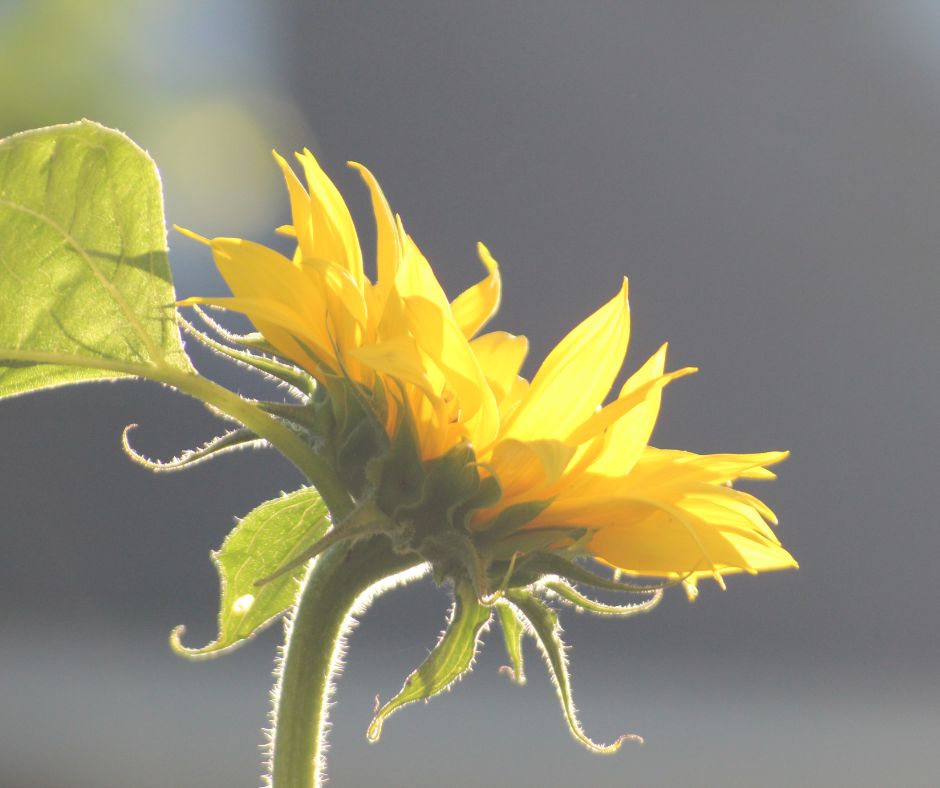
If you want to have a successful garden, it is important to understand the light requirements for plants. Not all plants need direct sun; some can actually sunburn if they are exposed to too much sun.
Others require partial sun or even full shade. In this post, we will help you choose the right location for your garden based on the light needs of your plants.
Figuring out how much light your yard gets
When planting anything outdoors, one important factor to consider is how much sun exposure the location gets. Too much sun can result in sunburned leaves, which can damage or kill the plant.
Not enough sun will also stunt growth or prevent flowering So how do you know how much sun your plants need?
The best way to determine the sun exposure of a location is to observe it throughout the day. If the location is in direct sun for most of the day, it is considered full sun.
If the location only receives sun for part of the day, it is considered partial sun. And if the location is in shade for most of the day, it is considered shade.
It is also important to consider microclimates when choosing a location for your garden. A microclimate is a small area that has a different climate than the surrounding area.
For example, a south-facing slope will be warmer than a north-facing slope. Knowing about microclimates can help you choose the perfect location for your
How much light do different plants need?
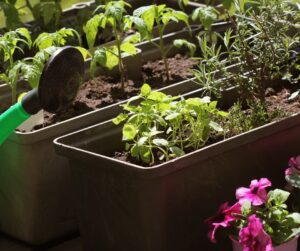
There are three main types of lighting: sun, partial sun, and shade. Each type of lighting affects plant growth in different ways.
Full sun plants need at least six hours of direct sun per day. These plants usually have large leaves and can grow quite tall.
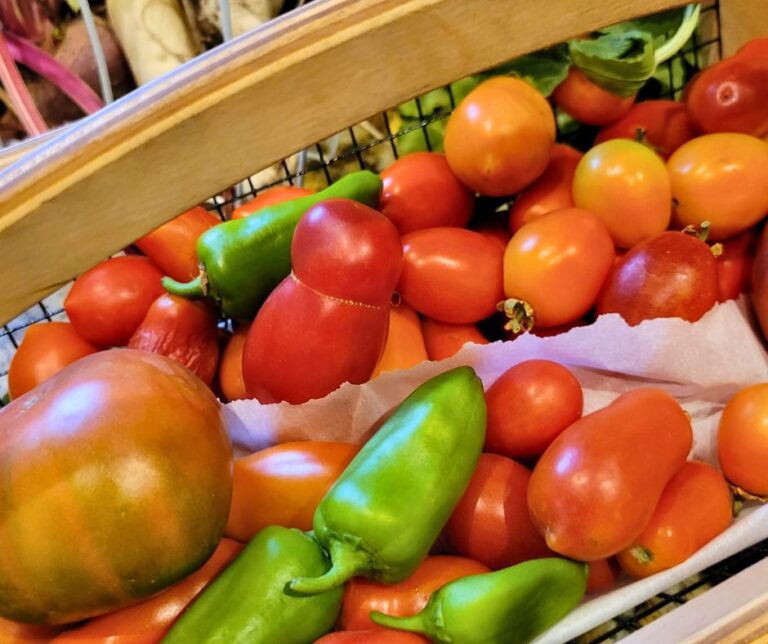
They often produce more fruits or vegetables than partial sun or shade plants, but they are also more susceptible to sunburn and drought damage. Some good examples of full sun plants include tomatoes, peppers, and squash.
Partial sun plants need four to six hours of sun per day. These plants are usually smaller than full sun plants and have more delicate leaves.
They often produce fewer fruits or vegetables than full sun plants, but they are also more tolerant of drought and heat. Some good examples of partial sun plants include lettuce, spinach, and chard.
Shade plants need less than four hours of sun per day. These plants often have large leaves that help them to stay cool in the shade.
They often produce fewer fruits or vegetables than full sun or partial sun plants, but they are more tolerant of cold weather and frost damage. Some good examples of shade plants include lettuce, impatiens, ferns, and hostas.
Tools to get your garden started:
Raised Garden Bed – Best Choice Products 6x3x2ft Outdoor Metal Raised Garden Bed, Deep Root Box Planter for Vegetables, Flowers, Herbs, and Succulents w/ 269 Gallon Capacity
A great book to get you started – All New Square Foot Gardening, by Mel Bartholomew
Make sure your plant spacing is perfect with the Seeding Square – Square Foot Gardening Template
Where to find seeds, plants, and supplies:
Designing a beautiful and functional garden
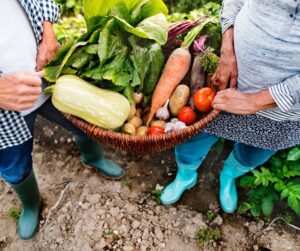
When designing your dream garden, don’t forget about function. Incorporate beautiful flowers that also attract pollinators like bees and butterflies or plant vegetables that also deter pests.
These little details will make your garden not only pretty to look at but also productive!
When designing your garden, it is important to consider the needs of all the plants, including those that attract beneficial insects. Beneficial insects are insects that help to control pests in the garden.
Some good examples of beneficial insects include ladybugs, lacewings, and hoverflies.
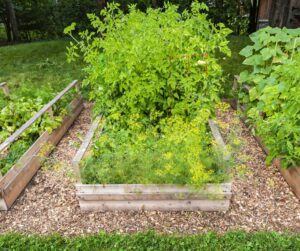
If you want to attract beneficial insects to your garden, you need to plant flowers that are attractive to them. Some good flowers to plant include sunflowers, zinnias, and asters.
You can also plant herbs like lavender and mint, which are both attractive to beneficial insects and delicious to humans!
Just remember to take into consideration the light requirements of your plants when choosing the right location for your garden. With a little planning, you can have a beautiful and productive garden!
Consider container gardening
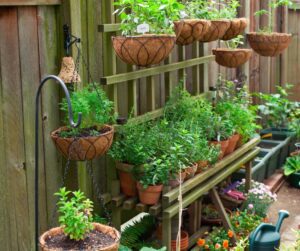
If you want to grow plants but don’t have a lot of space, consider container gardening. Container gardening is a great way to grow plants in small spaces, like on a balcony or patio.
All you need is a container, like a pot or a planter, and some soil. You can even grow plants in recycled materials, like old tires or buckets.
When choosing a container for your plants, make sure it has drainage holes so that the water can drain out. Also, choose a size that is appropriate for the plant you want to grow.
For example, a small plant will need a small pot, while a larger plant will need a larger pot.
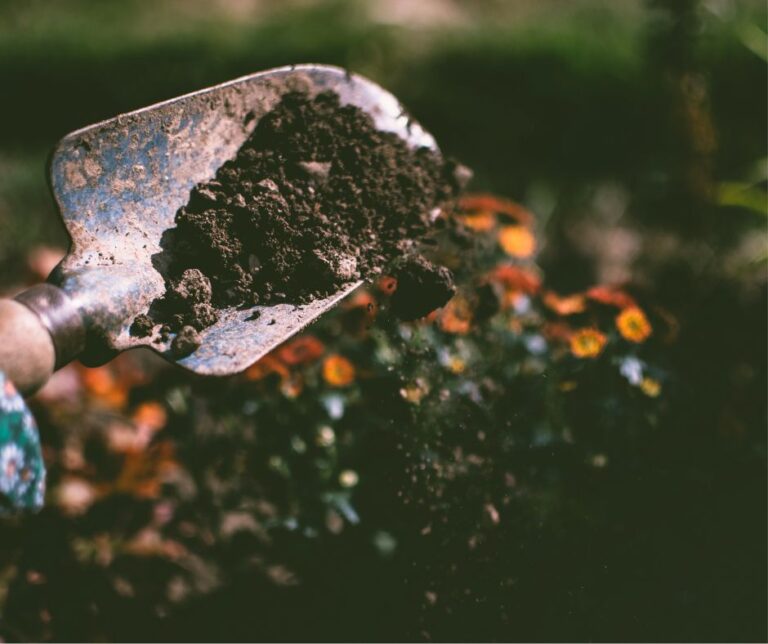
Once you have chosen your containers, fill them with soil and add your plants. Water regularly and give your plants the right amount of sun or shade depending on their needs.
Container gardening is a great option when gardening in a new location. Being portable containers allows you to move your plants to where they are happiest.
Designing a raised bed garden
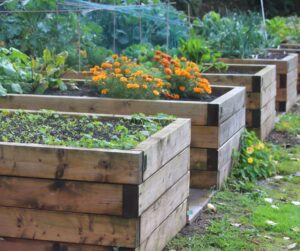
Building a raised bed garden is easy and can be done with just a few simple supplies. All you need is some lumber, nails or screws, and soil. The size of your raised bed garden will depend on the amount of space you have available.
To build a raised bed garden, start by measuring and cutting your lumber to the desired size. Next, nail or screw the lumber together to form a frame. Once the frame is complete, fill it with soil and add your plants.
Another option is to buy premade raised bed garden. They arrive flat packed with all of the pieces pre-cut and ready for you to assemble. This strategy can save a significant amount of time when planning a new garden.
We ordered a couple of metal raised beds to quickly create a privacy screen garden.
Organize your garden with square foot gardening
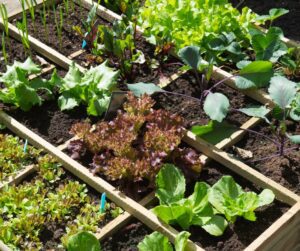
The square foot gardening method is a popular way to garden that is based on the idea of growing plants in square foot boxes. This method is perfect for people who have limited space or who want to garden indoors.
With the square foot gardening method, you divide your garden into small square boxes and then plant one type of plant in each box. This allows you to grow a variety of plants in a small space.
To get started with the square foot gardening method, you will need some lumber, nails or screws, and soil. The size of your garden will depend on the amount of space you have available.
Start by measuring and cutting your lumber to the desired size. Next, nail or screw the lumber together to form square boxes. Once the boxes are complete, fill them with soil and add your plants.
With a little planning and effort, you can have a beautiful garden even in a small space! Just remember to take into consideration the light requirements of your plants when choosing the right location for your garden. With a little planning, you can have a beautiful garden that thrives!
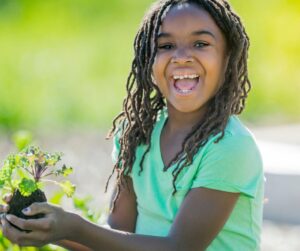
And finally, don’t forget to have fun! Gardening is a great way to relax and connect with nature. So take your time, enjoy the process, and let your creative juices flow! With a little planning and some elbow grease, you can create a stunning garden that you’ll enjoy for years to come.
Thanks for reading, and happy gardening!
Visit the Garden Resources page for supplies and inspiration. Don’t forget to subscribe to the Calendula’s Garden Newsletter for more gardening tips.
Calendula’s Garden is reader supported. When you buy through links on our site, we may earn an affiliate commission. As an Amazon Associate, I earn from qualifying purchases. For more information, view our Disclaimer page. Thank you!