Lemongrass: The Aromatic Herb for Your Garden and Well-Being
Calendula's Garden is reader suported This post may contain affiliate links, more on our Disclaimer page. Thank you!
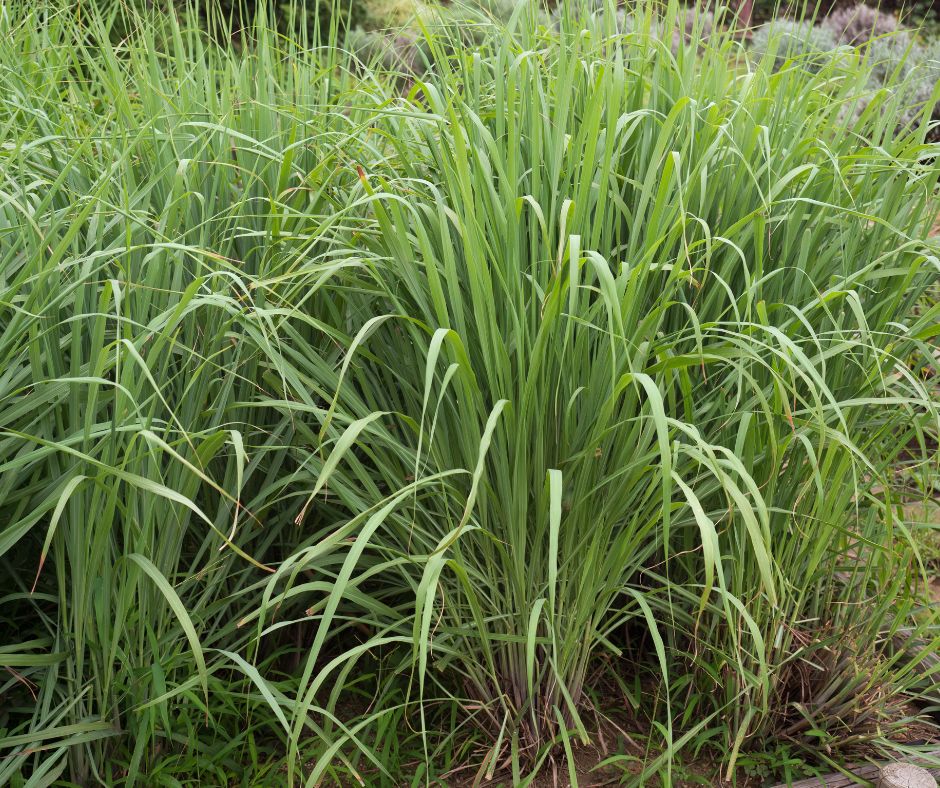
Lemongrass (Cymbopogon citratus) is a fragrant and versatile herb that has gained popularity among gardeners and health enthusiasts alike. Its citrusy aroma and distinct flavor make it a staple in many cuisines, while its medicinal properties have been valued for centuries.
In this guide, we will explore how to grow Lemongrass in your garden or containers, the benefits of companion planting, and the herb’s potential health benefits.
Where to find seeds, plants, and supplies:
Growing Lemongrass in the Garden
To successfully cultivate Lemongrass in your garden, follow these steps:
- Choose the Right Location: Select a spot that receives full to partial sun exposure. Lemongrass thrives in warm, sunny conditions.
- Prepare the Soil: Ensure the soil has good drainage and is rich in organic matter. Amend the soil with compost or well-rotted manure to provide essential nutrients.
- Plant and Space: Plant Lemongrass divisions or seedlings about 2-3 feet apart, as they can grow quite large. If using seeds, sow them indoors and transplant the seedlings once they are about 6 inches tall.
- Water and Fertilize: Water your Lemongrass plants regularly, especially during dry spells. Apply a balanced, slow-release fertilizer every 6-8 weeks to support healthy growth.
- Mulch: Apply a layer of organic mulch around the base of the plants to retain moisture, suppress weeds, and regulate soil temperature.
Lemongrass in Containers
If you have limited garden space or live in a cooler climate, growing Lemongrass in containers is a great alternative:
- Select the Right Pot: Choose a container at least 12 inches deep and wide to accommodate the plant’s growth. Ensure proper drainage holes to prevent waterlogging.
- Use Well-Draining Soil: Fill the pot with a high-quality, well-draining potting mix specifically designed for herbs or citrus plants.
- Plant and Care: Plant Lemongrass divisions or seedlings in the center of the pot. Water regularly, allowing the soil to dry slightly between watering. Feed your potted Lemongrass with a balanced, water-soluble fertilizer every 2-4 weeks during the growing season.
Companion Planting with Lemongrass
Lemongrass makes an excellent companion plant in the garden:
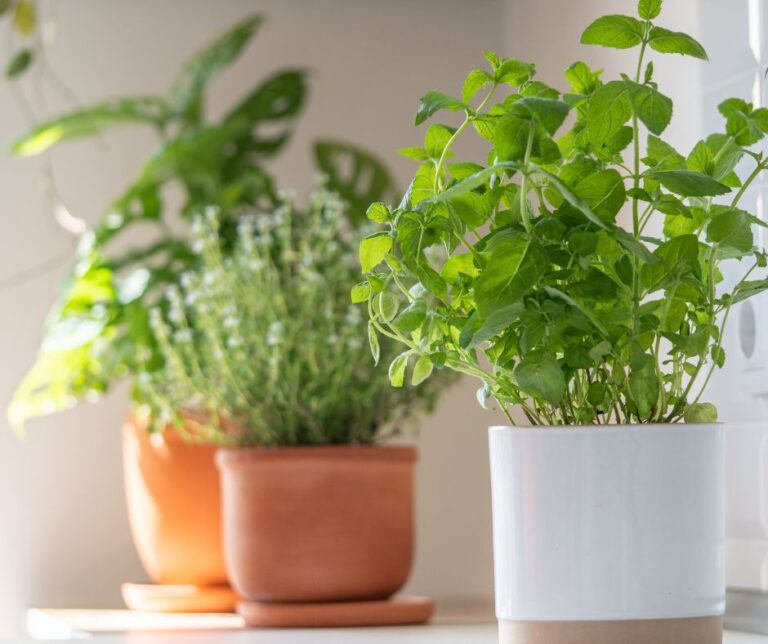
- It can enhance the growth and flavor of other herbs like basil, mint, and cilantro.
- Its strong scent can help deter pests, making it a natural insect repellent for your garden.
Consider interplanting Lemongrass with other aromatic herbs or vegetables for a diverse and thriving garden ecosystem.
Harvesting Lemongrass
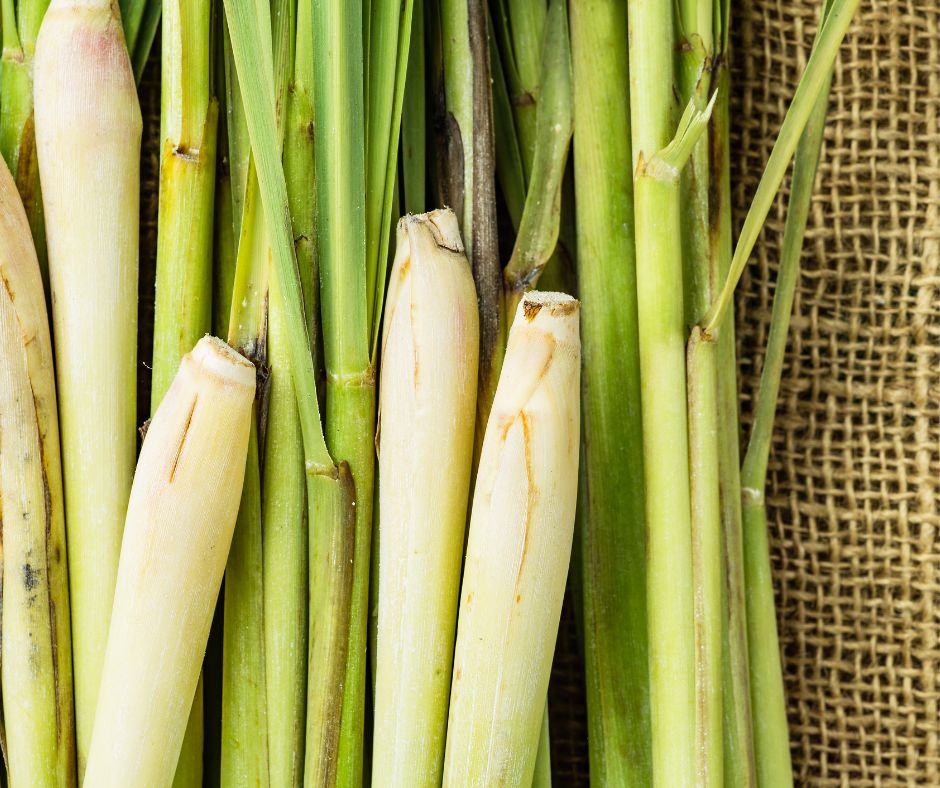
Harvest lemongrass when the stalks are at least ½ inch thick. Cut at the base and leave the root in the ground so new stalks can grow.
If you are harvesting a lot of lemongrass, only take 1/3 of the plant so it has enough energy to replenish.
Using Lemongrass in the Kitchen and Home
Lemongrass is a versatile herb that can elevate both culinary dishes and home environments with its refreshing citrus scent and flavor.
Culinary Uses
In the kitchen, lemongrass is celebrated for its ability to infuse dishes with a unique, aromatic citrus flavor that is both tangy and slightly sweet. Here are some ways to use lemongrass in your cooking:
- Soups and Stews: Add whole or chopped lemongrass stalks to soups, stews, and broths for a fragrant twist. It’s a key ingredient in many Southeast Asian recipes, such as Thai Tom Yum soup.
- Marinades and Sauces: Lemongrass pairs well with garlic, ginger, and chili, making it an excellent addition to marinades, dressings, and dipping sauces. It helps tenderize meats and enhances the overall flavor profile.
- Teas and Beverages: Brew fresh or dried lemongrass leaves in hot water for a soothing, caffeine-free herbal tea. You can also use lemongrass as an ingredient in cocktails and mocktails for a refreshing taste.
- Stir-Fries and Curries: Finely chop or crush lemongrass stalks and add them to stir-fries and curries. It imparts a bright, citrusy note that complements a variety of vegetables, proteins, and spices.
Household Uses
Beyond the kitchen, lemongrass can be utilized in the home for its pleasant aroma and natural properties:
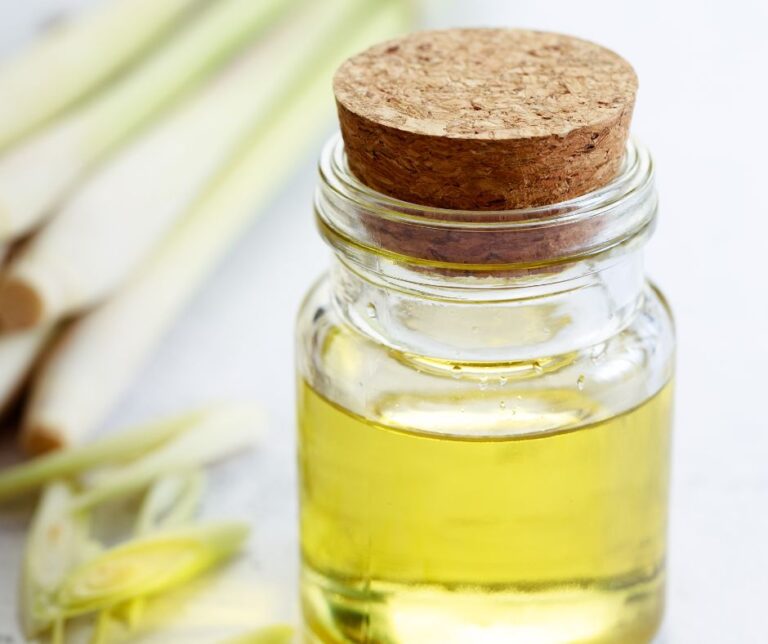
- Aromatherapy: Use lemongrass essential oil in diffusers or oil burners to create a calming atmosphere. Its citrus scent is known to reduce stress and improve mood.
- Natural Cleaning Products: Create homemade cleaning solutions by adding lemongrass essential oil to water and vinegar. Its antibacterial properties make it effective for disinfecting surfaces.
- Insect Repellent: Lemongrass oil can act as a natural insect repellent. Blend a few drops with water in a spray bottle to deter mosquitoes and other pests.
- Potpourri and Sachets: Dried lemongrass leaves can be used in potpourri or sachets to freshen up drawers, closets, and other living spaces.
By incorporating lemongrass into your cooking and household routines, you can enjoy its myriad benefits, from enhancing flavors to creating a serene and inviting home environment.
25 Mosquito Repellent Plants for a Bug-Free Haven
Health Benefits of Lemongrass
Beyond its culinary uses, Lemongrass has been used in traditional medicine for its potential health benefits:
- Digestive Aid: Lemongrass tea may help alleviate digestive issues like bloating, constipation, and stomach cramps.
- Anti-inflammatory Properties: The herb contains compounds that may help reduce inflammation in the body.
- Stress Relief: The citrusy aroma of Lemongrass is believed to have calming effects, helping to reduce stress and promote relaxation.
Incorporate Lemongrass into your diet by brewing tea, adding it to soups and curries, or using it as a flavorful ingredient in marinades and dressings.
Growing Lemongrass in your garden or containers is a rewarding experience that offers both culinary and medicinal benefits. By providing the right growing conditions, utilizing companion planting, and harnessing its health-promoting properties, you can enjoy the aromatic and versatile nature of this herb.
Start your Lemongrass journey today and savor the fresh, citrusy flavors in your cooking while promoting your overall well-being.
Visit the Garden Resources page for supplies and inspiration. Don’t forget to subscribe to the Calendula’s Garden Newsletter for more gardening tips.
Calendula’s Garden is reader supported. When you buy through links on our site, we may earn an affiliate commission. As an Amazon Associate, I earn from qualifying purchases. For more information, view our Disclaimer page. Thank you!