A Beginner’s Guide to Growing Lavender in Your Garden
Calendula's Garden is reader suported This post may contain affiliate links, more on our Disclaimer page. Thank you!

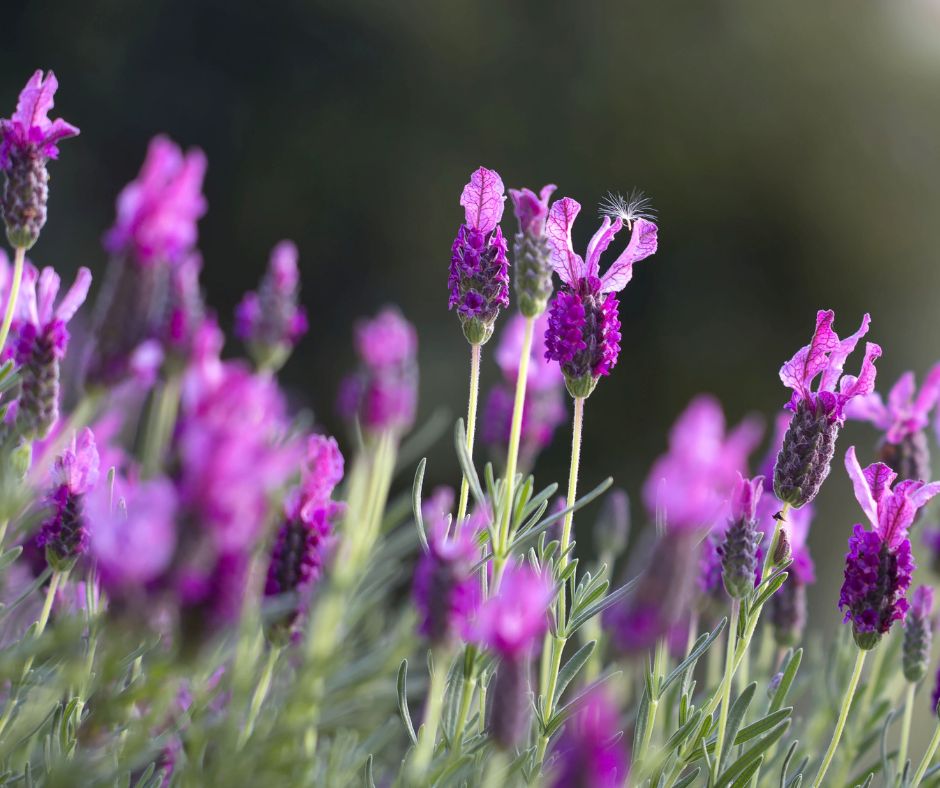
Lavender, a beloved herb known for its captivating fragrance and versatile uses, is a must-have in any garden. With its vibrant purple blooms and silvery-green foliage, lavender adds a touch of elegance to landscapes while offering numerous benefits for both gardening and wellness.
In this guide, we’ll explore the art of growing lavender in the garden and containers, discover ideal companion plants, and delve into the health advantages of this remarkable herb.
Growing Lavender in the Garden
Selecting the Right Location
To ensure your lavender thrives, choose a location that receives full sun, as this herb requires at least six hours of direct sunlight daily. Well-draining soil is essential, as lavender is susceptible to root rot in soggy conditions.
If your soil is heavy or clay-like, consider amending it with sand or gravel to improve drainage.
Planting Lavender
The best time to plant lavender is during the spring or early fall. Space your plants about 1 to 3 feet apart, depending on the variety, to allow for proper air circulation.
Before planting, prepare the soil by loosening it to a depth of 12 to 18 inches and mixing in some compost or well-rotted manure.
Watering and Maintenance
Lavender is a drought-tolerant plant once established, so be cautious not to overwater. Water deeply but infrequently, allowing the soil to dry between watering sessions.
Prune your lavender plants annually after flowering to maintain their shape and encourage healthy growth. Remove any dead or damaged stems to prevent disease and pest infestations.
Growing Lavender in Containers
Choosing the Right Container and Soil
Select a container with adequate drainage holes to prevent waterlogging. A pot that is at least 12 inches deep and wide is suitable for most lavender varieties.
Use a well-draining potting mix specifically formulated for herbs, or create your own by combining equal parts potting soil, sand, and perlite.
Planting Lavender in Containers
Fill your container with the prepared potting mix, leaving enough space for the lavender plant. Gently remove the lavender from its original container and loosen the roots before placing it in the pot.
Fill in around the plant with additional potting mix and gently press down to remove any air pockets. Water thoroughly after planting.
Watering and Maintenance
Lavender in containers requires more frequent watering than in-ground plants due to the limited soil volume. However, be mindful not to overwater, as this can lead to root rot.
Allow the top inch of soil to dry out before watering again. Regular pruning and harvesting will keep your potted lavender looking neat and encourage bushier growth and more flowers.
Where to find seeds, plants, and supplies:
Companion Planting with Lavender
Companion planting is a fantastic way to create a thriving ecosystem in your garden. Some ideal companions for lavender include:
- Roses: Lavender helps repel pests that target roses, such as aphids and whiteflies.
- Catmint: This aromatic herb attracts beneficial insects and complements lavender’s color and texture.
- Rosemary and Sage: These herbs share similar growing requirements and offer visual and aromatic interest.
- Echinacea: This flowering plant attracts pollinators and adds a vibrant pop of color to your lavender patch.
Read more about companion planting: The Many Benefits of Companion Gardening: What You Need to Know
Health Benefits of Lavender
Beyond its captivating beauty, lavender offers numerous health benefits. Its soothing aroma is known to promote relaxation, reduce stress and anxiety, and improve sleep quality.
Find out more about the benefits of lavender: The effect of lavender on stress in individuals: A systematic review and meta-analysis
Lavender essential oil is widely used in aromatherapy and can be incorporated into skincare routines to soothe irritated skin and promote a clear complexion. Lavender tea, made from dried flowers, is a delightful way to enjoy the herb’s calming properties.
Using Lavender in the Kitchen and Home
Lavender’s versatility extends beyond the garden, finding a place in both the kitchen and the home with its unique flavor and aromatic properties. Culinary lavender adds a distinctive taste to dishes, lending its floral notes to both sweet and savory recipes.
For instance, the subtle infusion of lavender can elevate simple beverages like lemonade or tea, transforming them into gourmet experiences. Additionally, lavender can be used to flavor baked goods, such as cookies, cakes, and bread, offering a delightful twist on traditional recipes.
Ditch the Store Bought Herbs: How to Grow Your Own Flavorful Herbs de Provence
Lavender is not just for the palate—its aromatic qualities are perfect for home use as well. A few sprigs of dried lavender can be placed in closets and drawers to impart a fresh scent to linens and clothing while also acting as a natural moth repellent.
Lavender sachets can be tucked under pillows to promote restful sleep, offering a fragrant alternative to synthetic air fresheners. In the bathroom, a homemade lavender scrub can turn ordinary skin-care routines into spa-like experiences, rejuvenating both the body and mind.
The many uses of lavender in the kitchen and home underscore its status as an indispensable herb, cherished for both its culinary potential and its ability to enhance everyday life with natural fragrance and soothing properties.
25 Mosquito Repellent Plants for a Bug-Free Haven
Growing lavender is a rewarding experience that not only enhances the beauty of your garden but also offers a myriad of wellness benefits. By following the tips outlined in this guide, you can successfully cultivate lavender in both garden beds and containers.
Remember to provide ample sunlight, well-draining soil, and judicious watering for optimal growth. Experiment with companion planting to create a harmonious and thriving garden ecosystem.
We encourage you to share your own lavender gardening experiences, tips, and photos in the comments below.
Visit the Garden Resources page for supplies and inspiration. Don’t forget to subscribe to the Calendula’s Garden Newsletter for more gardening tips.
Calendula’s Garden is reader supported. When you buy through links on our site, we may earn an affiliate commission. As an Amazon Associate, I earn from qualifying purchases. For more information, view our Disclaimer page. Thank you!