Is Your Fruit Tree Dead or Just Dormant?
Calendula's Garden is reader suported This post may contain affiliate links, more on our Disclaimer page. Thank you!
Fruit trees can be the pride of any garden, offering beauty, shade, and, of course, delicious fruit. But what happens when your beloved tree starts looking a bit under the weather? Is it dead, or just taking a break? This is a common dilemma for home gardeners.
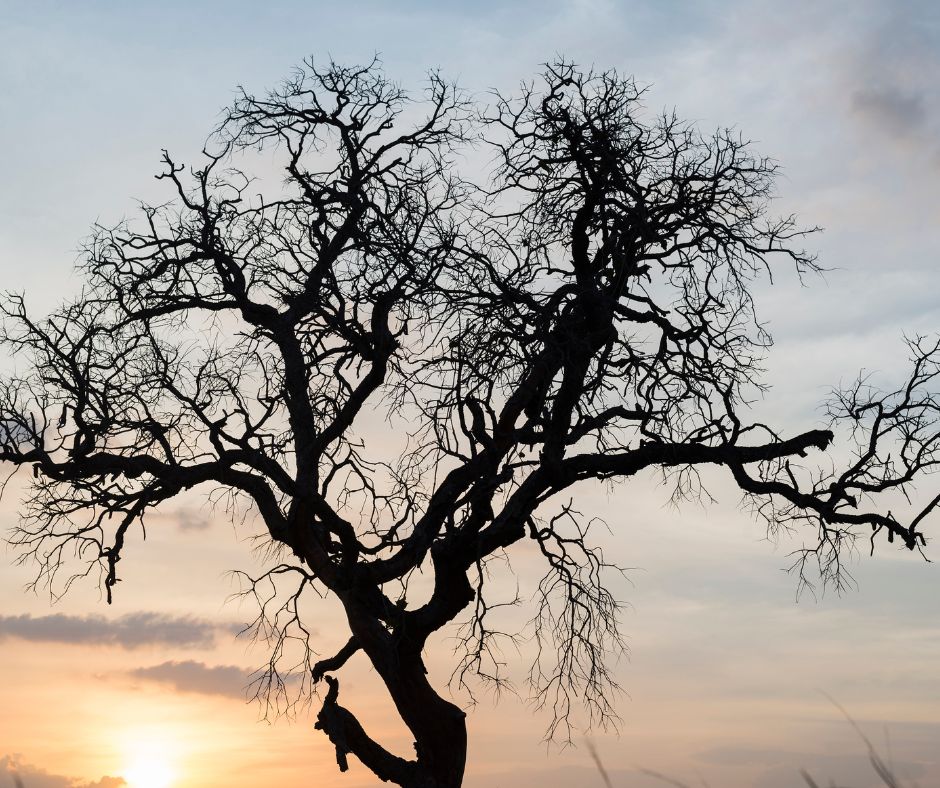
Understanding how to check if your fruit tree is dead or simply dormant can save you from unnecessary worry and ensure your garden flourishes season after season.
This post will guide you through identifying whether your fruit trees are dead or dormant. We’ll cover everything from seasonal checks to practical testing techniques and revival strategies. By the end, you’ll feel confident in your ability to care for and, if necessary, replace your fruit trees.
Signs of Dormancy vs. Death
Understanding the difference between a tree that’s dead and one that’s merely dormant is crucial. Dormant trees are essentially in a state of rest, conserving energy for future growth. Dead trees, on the other hand, have ceased all vital functions.
Dormancy Indicators
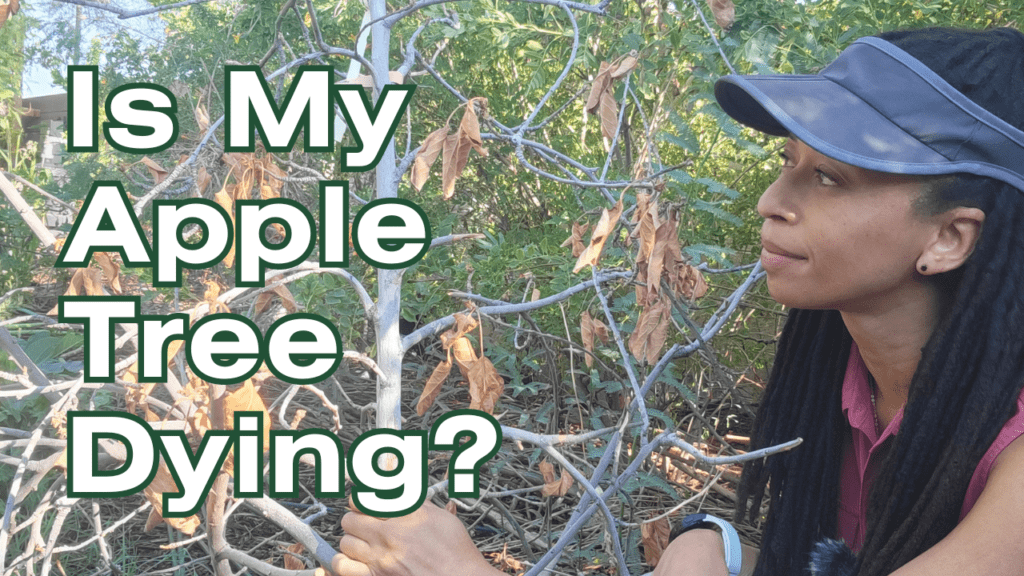
During the winter months, many fruit trees enter a period of dormancy. Look for these signs:
- Buds – Dormant trees often have healthy, plump buds.
- Flexible Branches – Branches should bend slightly without breaking.
- Inner Bark – Under the bark, the cambium layer should be green and moist.
Death Indicators
Dead trees exhibit more alarming symptoms:
- Brittle Branches – Branches snap easily and feel dry.
- Lack of Buds – No sign of new buds forming.
- Brown Cambium – The inner bark is brown or gray and dry.
Recognizing these signs can help you diagnose the state of your tree accurately.
Forest Service U.S. Department of Agriculture – Anatomy of a tree
Seasonal Checks
Keeping an eye on your fruit trees throughout the year can help you catch problems early. Different seasons provide unique opportunities for assessing tree health.
Spring
Spring is a critical time to check for new growth. Look for budding leaves and flowers as indicators of a healthy tree. If your tree isn’t budding, it may be dead or stressed.
Summer
In summer, pay attention to leaf color and health. Yellowing or falling leaves can indicate distress, but remember, some fruit trees naturally shed older leaves.
Fall
Autumn is the time for your tree to prepare for dormancy. Observe how it transitions. A smooth transition with gradual leaf shedding is a good sign. Sudden leaf drop may indicate a problem.
Winter
Winter dormancy is natural for many fruit trees. Look for the signs of dormancy mentioned earlier to determine if your tree is resting or in trouble.
Testing Techniques
When in doubt, simple tests can help you determine if your tree is alive.
Scratch Test
Perform a scratch test by gently scraping away a small section of the bark. If the underlying layer is green and moist, your tree is alive. Brown and dry means trouble.
Bud Inspection
Examine the buds closely. Healthy buds will be firm and plump, while dead ones will be shriveled and dry.
Flexibility Test
Gently bend a small branch. A living branch will be flexible, while a dead one snaps easily.
These tests can quickly give you answers about your tree’s health.
Reviving Strategies
If you’ve determined your tree is dormant, there are steps you can take to help it thrive.
Proper Pruning
Pruning helps remove dead or diseased branches, allowing the tree to focus its energy on healthy growth. Use clean, sharp tools to make clean cuts. Make sure to clean the blades between trees with alcohol.
Adequate Watering
Ensure your tree gets enough water, especially during dry spells. Deep watering encourages root growth and overall tree health.
Nutrient-Rich Feeding
Use a balanced fertilizer to provide essential nutrients. Organic options like compost can be beneficial for long term health.
7 Best Garden Soil Amendments and Fertilizers
By following these strategies, you can support your tree’s recovery and promote robust growth.
The Final Call
Sometimes, despite your best efforts, a tree may be beyond saving. Knowing when to remove and replace a dead tree is crucial for the health of your garden.
Removal Tips
Removing a dead tree promptly can prevent disease spread and pest infestations. Hire a professional arborist for safe removal, especially for large trees.
I prefer to keep my fruit trees small so I can easily manage them myself. For tips on pruning small fruit trees read, Grow a Little Fruit Tree: Simple Pruning Techniques for Small-Space, Easy-Harvest Fruit Trees.
Replacement Tips
Choose a healthy replacement tree that suits your garden’s conditions. Consider factors like sunlight, soil type, and water availability to ensure a thriving new addition.
I prefer to replace dead trees with varieties that are not closely related to the original tree. This is an additional precaution to prevent disease transmission.
Peachy! How to Grow Your Own Peaches
Making these decisions thoughtfully can help maintain a vibrant and productive fruit tree.

Regular checks and proper care can make a significant difference in maintaining healthy fruit trees. Understanding the signs of dormancy and death, performing seasonal checks, and using practical testing techniques are essential skills for any home gardener.
By taking proactive steps to revive dormant trees and knowing when it’s time to replace dead ones, you can enjoy the satisfaction of a flourishing fruit tree.
Gardening is a rewarding hobby that connects you with nature and provides fresh, delicious produce. Happy gardening!
Visit the Garden Resources page for supplies and inspiration. Don’t forget to subscribe to the Calendula’s Garden Newsletter for more gardening tips.
Calendula’s Garden is reader supported. When you buy through links on our site, we may earn an affiliate commission. As an Amazon Associate, I earn from qualifying purchases. For more information, view our Disclaimer page. Thank you!