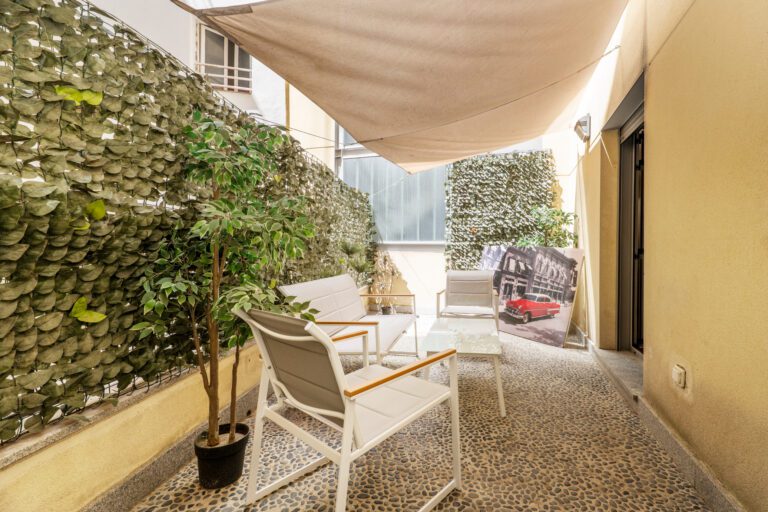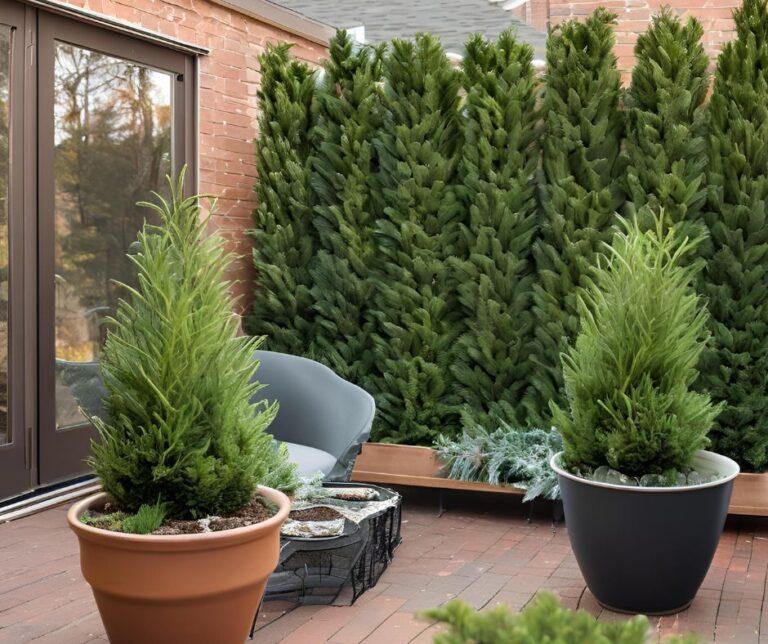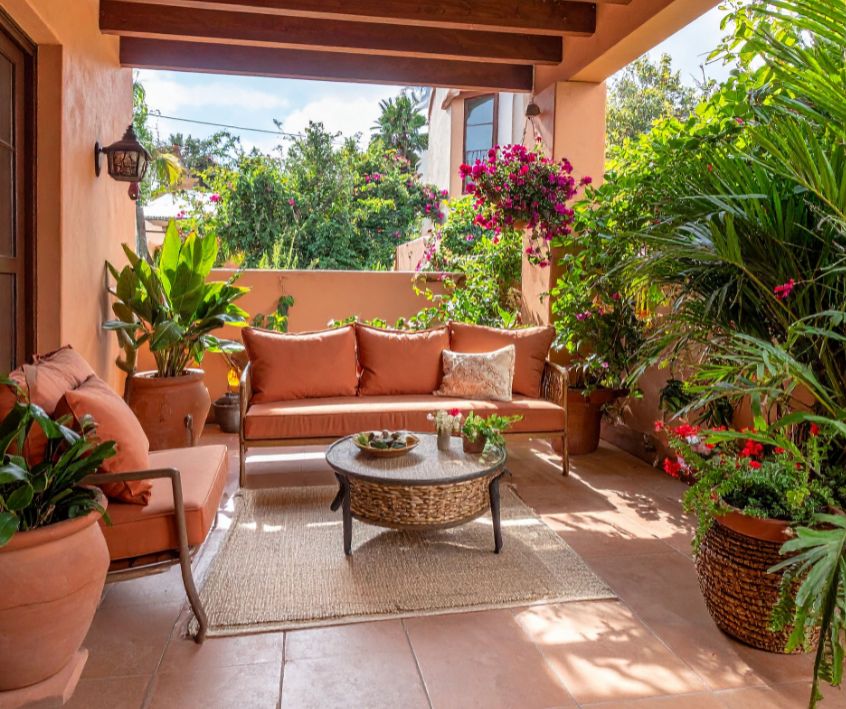
How to Use Privacy Screens to Frame Your View
Calendula's Garden is reader suported This post may contain affiliate links, more on our Disclaimer page. Thank you!
Living in a small space, whether it’s a cozy apartment with a balcony or a house with a petite yard, often comes with its own set of challenges. One of the biggest? A less-than-inspiring view or a feeling of being a little too close to your neighbors.
It can feel like you’re living in a fishbowl, with no real sense of a private outdoor escape. This can add to daily stress, especially if you are like me and need time outdoors to unwind.
But what if you could change that? What if you could create a beautiful, secluded oasis, no matter how small your space is? This is where the magic of privacy screens comes in.
They are a wonderfully simple yet effective way to not only block out unwanted sights but also to frame the views you do want to see.
If you’re a new gardener, the idea of transforming your outdoor space might seem daunting, but it doesn’t have to be. Privacy screens are one of the easiest and most impactful tools you can use.
This guide will walk you through everything you need to know, from choosing the right screen to picking the perfect plants to accompany it. Let’s get started on creating your very own private paradise.
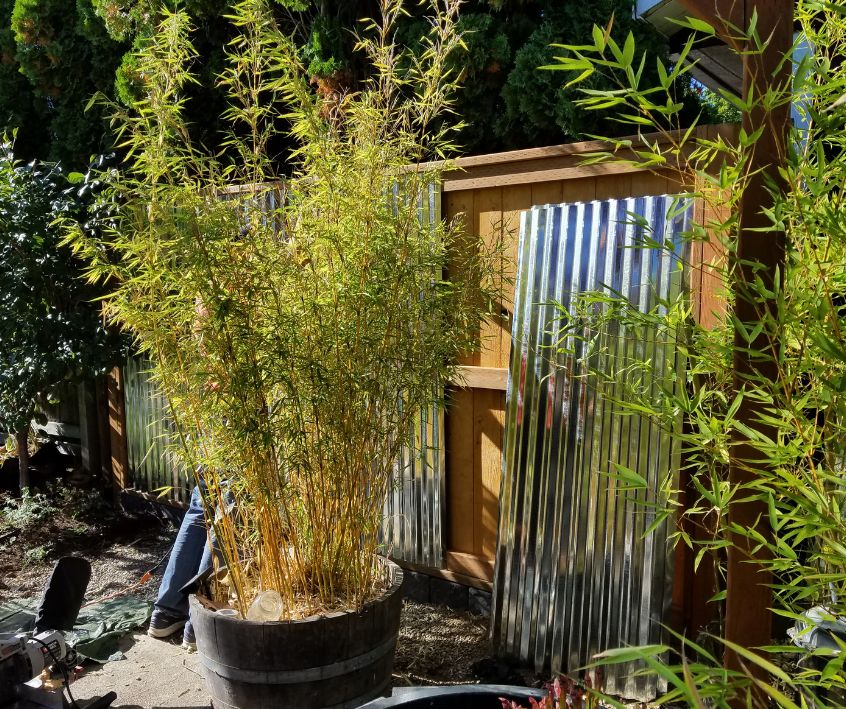
What Are Privacy Screens?
At its core, a privacy screen is a vertical structure designed to shield an area from view. But they are so much more than just functional barriers.
A well-chosen screen can add style, texture, and a touch of nature to your garden, patio, or balcony.
Beyond just giving you privacy, these screens offer several other benefits. They can act as a windbreak, protecting more delicate plants from harsh gusts.
They also provide excellent support for climbing plants, allowing you to create a living wall of green foliage and beautiful blooms.
There are many types of privacy screens available, each with its own look and feel:
Lattice Screens
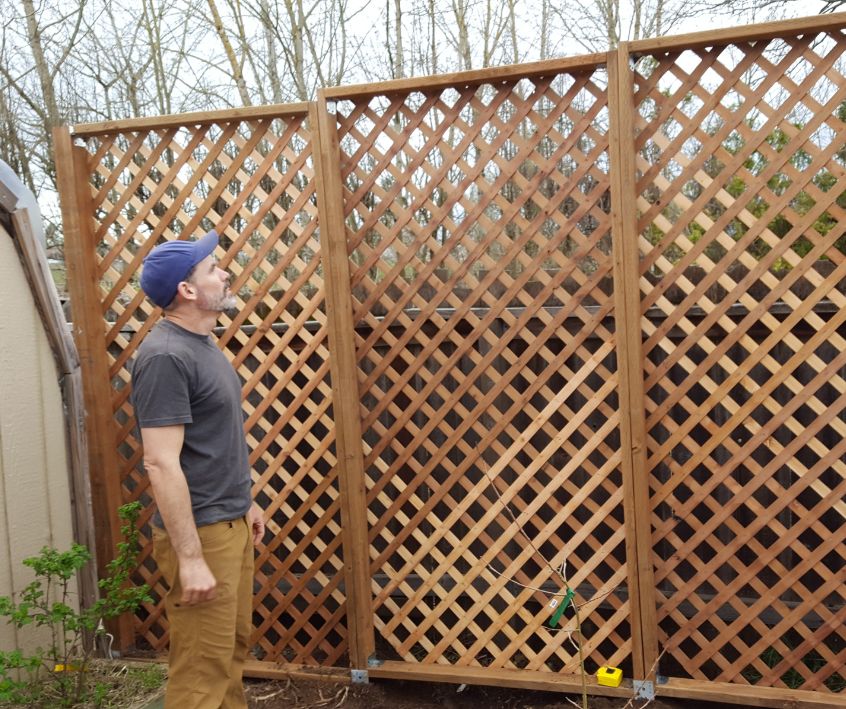
Classic and versatile, wooden or vinyl lattice panels are perfect for supporting climbing plants. They offer partial privacy while still letting light and air flow through.
4 ft. x 8 ft. Woodland Green Garden Vinyl Lattice
Bamboo Screens
These rolled screens bring a natural, zen-like quality to a space. They are easy to install and provide excellent coverage.
Jumbo Reed Bamboo Screen Privacy Fence
Fabric Screens
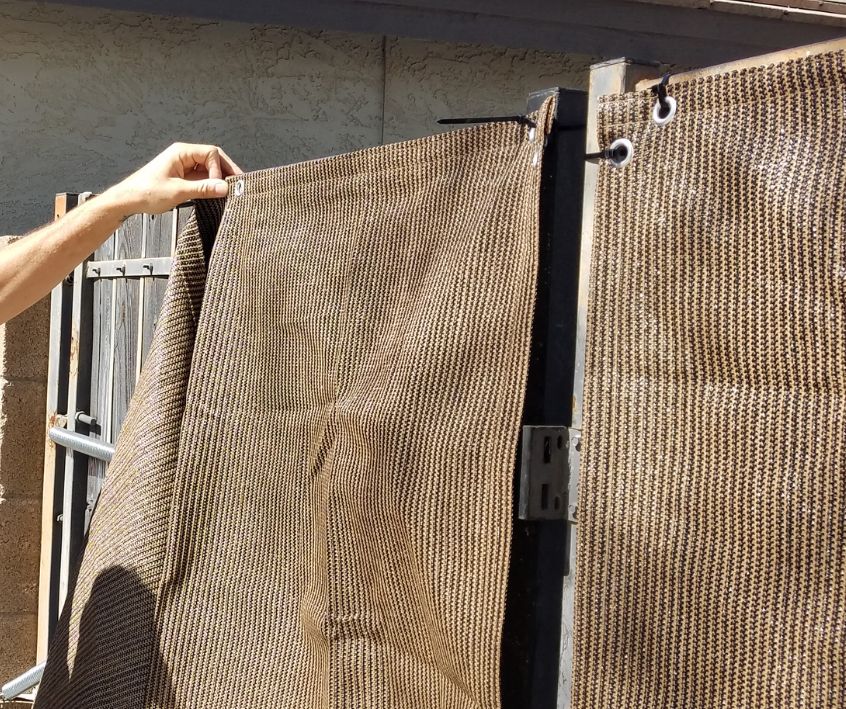
Made from weather-resistant materials, fabric screens are a great temporary or flexible solution. They come in various colors and can be easily attached to existing railings or fences.
UPGRADE Privacy Screen 6′ x 50′ Fence
Metal Screens
Often featuring intricate laser-cut designs, metal screens can be a stunning architectural feature in their own right. They are durable and can add a modern, artistic flair.
Metal Freestanding Privacy Screen Wall Panels
Living Walls
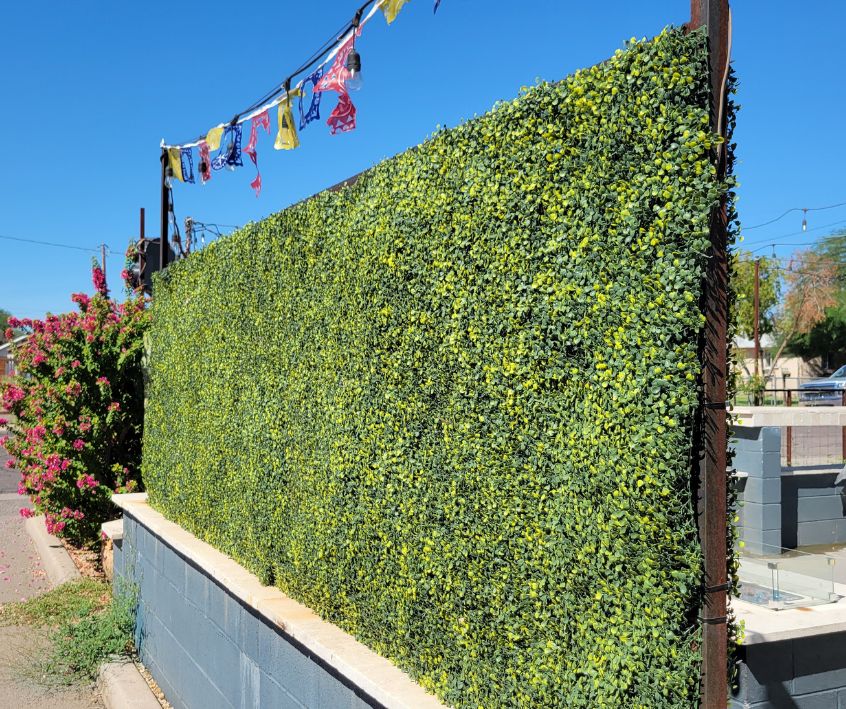
For the ultimate green solution, you can create a living wall using vertical planters or a system designed to hold a variety of plants. It’s a garden that grows upwards.
Wooden Hanging Large Planters for Indoor and Outdoor Plants
Choosing the Right Screen for Your Space
With so many options, how do you pick the perfect one? The key is to think about your specific needs and the conditions of your space. Here are a few things for a beginner gardener to consider:
Size and Layout
Measure your space carefully. A large, solid screen might overwhelm a tiny balcony, while a short screen won’t offer much privacy in a larger yard.
Think about what you want to hide and what you want to frame. Sometimes, a few strategically placed smaller panels work better than one giant wall.
Sunlight and Wind
Pay attention to how the sun moves across your space. A solid screen will cast a deep shadow, which could impact what you can grow.
Top 10 Patio Privacy Screen Designs to Shield You from the Winter Chill
If you need to maintain light, a lattice or a screen with cutouts is a better choice. Also, consider wind exposure. A flimsy screen won’t last long in a windy spot.
Style and Material
Your privacy screen should complement the overall style of your home and garden. A rustic wooden screen might look out of place with modern patio furniture, while a sleek metal one could clash with a cottage-garden aesthetic.
Also, consider your local climate. In a wet climate, choose materials that are resistant to rot and rust, like cedar, vinyl, or powder-coated metal.
Ease of Installation
As a beginner, look for options that are easy to install. Freestanding screens, rolled bamboo fencing, and expandable lattice panels are often simple to set up without needing specialized tools or skills.
6ft (20 Pack) Fake Bamboo, Outdoor Artificial Bamboo Plants
DIY vs. Pre-Made Screens
Once you have an idea of what you want, you’ll face another choice: should you build it yourself or buy it ready-made?
Pre-made screens are the easiest option. They save you time and the potential headache of a DIY project gone wrong. You can find them at most home and garden centers or online. While they can be more expensive, the convenience is often worth it, especially for a beginner.
Best Faux Plant Privacy Screens For Fast Privacy
DIY screens, on the other hand, offer complete creative control. You can customize the size, material, and design to perfectly fit your space and budget.
A simple DIY project, like attaching bamboo screening to a balcony railing or building a basic lattice panel, can be a very rewarding weekend activity. There are many simple tutorials online that can guide you step-by-step.
Planting Ideas to Enhance Your Screen
A privacy screen truly comes to life when you pair it with plants. Climbing plants are a natural choice, as they will weave their way through the structure, creating a lush, green wall.
Where to find seeds, plants, and supplies:
Here are a few beginner-friendly climbers:
Clematis
Known for their stunning, star-shaped flowers, many varieties of clematis are vigorous climbers. They love to have their “feet in the shade and heads in the sun,” so plant them where the base is shaded but the vines can grow up into the light.
Climbing Roses
For a romantic, classic look, you can’t beat climbing roses. They do require a bit of pruning to keep them looking their best, but the reward of fragrant, beautiful blooms is well worth it.
Ivy
English ivy is an incredibly low-maintenance and fast-growing option that provides dense coverage. Just be mindful, as it can be invasive in some areas and can damage surfaces if left unchecked.
Jasmine
If you want to add fragrance to your private retreat, star jasmine is a fantastic choice. Its small, white, star-shaped flowers have a beautiful, sweet scent, especially in the evening.
How to Create a Quick Privacy Screen with Hanging Baskets
To create a lush, layered look, plant a mix of taller shrubs or potted plants in front of your screen. This adds depth and makes your small space feel more like a secluded room in a larger garden.
Keep Your Oasis Thriving
Once your screen is up and your plants are in the ground, a little maintenance will keep everything looking great.
- Check your screen seasonally. Tighten any loose fittings and clean off any dirt or mildew. Wooden screens may need to be resealed every few years to protect them from the elements.
- Water your climbing plants regularly, especially when they are first establishing. A layer of mulch around the base can help retain moisture.
- Keep an eye out for common pests like aphids. Often, a strong spray of water from the hose is enough to dislodge them.
Create Your Perfect View
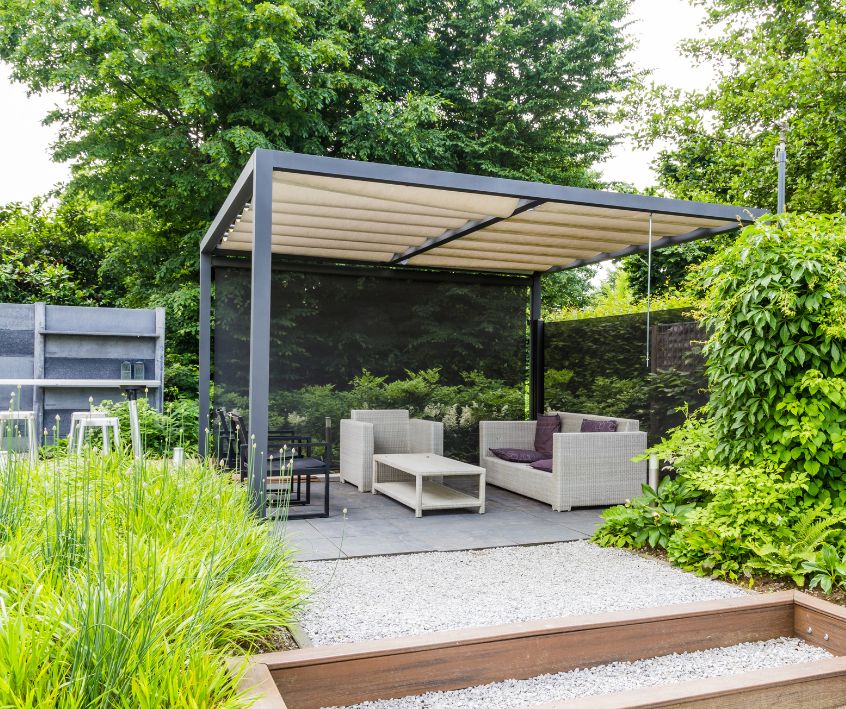
A privacy screen is more than just a barrier; it’s an opportunity. It’s a canvas on which you can paint with plants, a tool to carve out a personal sanctuary, and a way to finally frame the world exactly as you want to see it.
Don’t let a small space or an uninspiring view hold you back from creating the garden of your dreams. Start with a simple screen, add a climbing plant or two, and watch as your little corner of the world transforms into a private, peaceful retreat.
We’d love to see what you create. Feel free to share your garden transformations with our community!
Visit the Garden Resources page for supplies and inspiration. Don’t forget to subscribe to the Calendula’s Garden Newsletter for more gardening tips.
Calendula’s Garden is reader supported. When you buy through links on our site, we may earn an affiliate commission. As an Amazon Associate, I earn from qualifying purchases. For more information, view our Disclaimer page. Thank you!