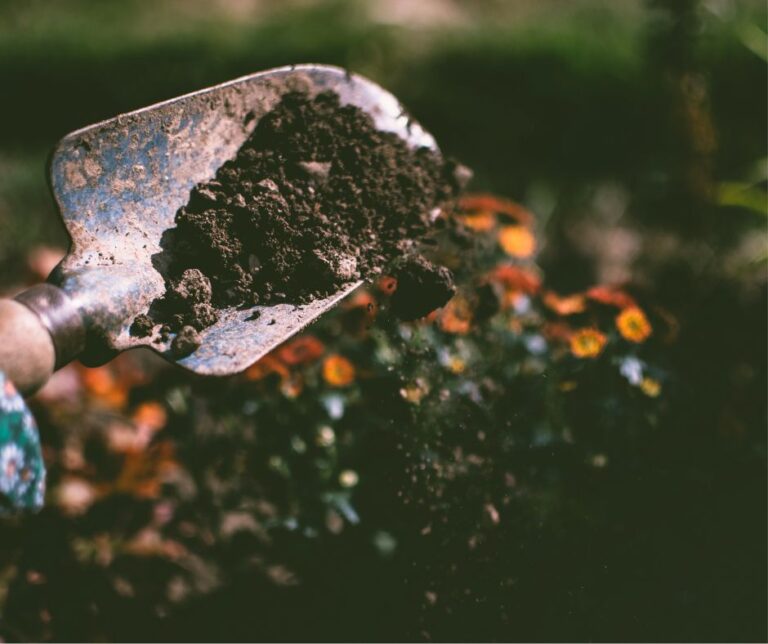
Garden Soil Test: Tips for Backyard Gardeners
Calendula's Garden is reader suported This post may contain affiliate links, more on our Disclaimer page. Thank you!

If you’re a backyard gardener, then you know how important it is to have healthy soil. Not only does healthy soil produce bigger and better plants, but it also helps reduce the need for fertilizers and pesticides.
So how can you tell if your soil is healthy? One way is to pick up a garden soil test. In this post, we’ll provide tips on how to test your garden soil, as well as information on what to do with the results.
Soil testing is important for several reasons. First, it can help you determine which nutrients your plants are lacking. Second, it can help you identify any soilborne diseases or pests that might be present.
Finally, it can give you an idea of how well your soil drains. All of this information is important in helping you create and maintain a healthy garden.

There are a few different ways to test your soil. The most common method is to use a garden soil test kit, which you can purchase at most garden centers or online. These kits typically come with everything you need to take a sample of your soil.
Luster Leaf 1601 Rapitest Test Kit for Soil pH, Nitrogen, Phosphorous and Potash
Another option is to have your soil professionally tested. This is usually done by taking a sample of your soil to your local Cooperative Extension office or agricultural university.
They will then send the sample off to a lab for analysis. The advantage of having your soil professionally tested is that you will receive a more detailed report with specific recommendations for improving your soil health.
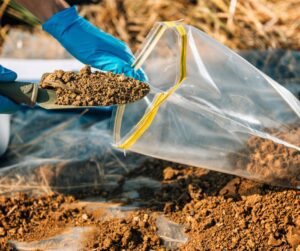
Once you have your garden soil test results, you can use them to make informed decisions about how to improve your soil. If the results show that your soil is lacking in nutrients, you can add fertilizer or compost to help replenish them.
If the results indicate that your soil has poor drainage, you can take steps to improve it by adding organic matter or installing drainage tile.
It is generally recommended that you get a professional garden soil test every three to five years. This will help you to keep track of changes in the pH level, nutrient levels, and drainage of your soil.
Testing more often may be necessary if you notice problems with your plants or if you make changes to your garden, such as adding new plants or amendments.
If you have any questions about interpreting your results or improving your soil, be sure to contact your local Cooperative Extension office or garden center for assistance. They’ll be happy to help you get your garden growing!
Adjusting pH After A Garden Soil Test
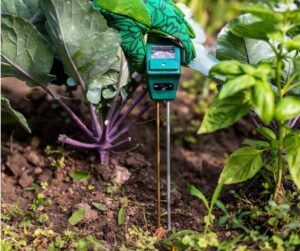
There are a few things you can do to test the pH of your soil. One option is to use a pH meter. This will give you an accurate reading of the pH level in your soil. Another option is to use litmus paper.
This will change color based on the acidity or alkalinity of the soil. You can also use a pH test kit. This will provide you with a more detailed analysis of the pH level in your soil.
If you find that your soil has a low pH, there are a few things you can do to increase it. One option is to add lime to the soil. This will help to raise the pH and make it more alkaline.
Another option is to add organic matter such as compost or peat moss. This will help to acidify the soil and make it more acidic. You can also use sulfur to lower the pH of the soil. This will make the soil more acidic.
If you’re not sure how much lime, organic matter, or sulfur to add to your soil, contact your local nursery or Cooperative Extension office for assistance. They’ll be able to help you determine the best course of action for your garden. I use this easy Soil pH Meter 3-in-1 Soil Tester every day in the garden to check moisture and keep an eye on pH.
What macronutrients are included in a garden soil test
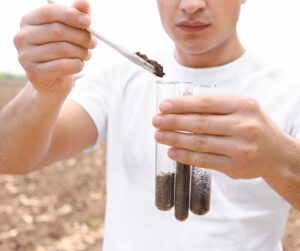
Macronutrients are nutrients that are essential for plant growth and health. There are three main macronutrients- nitrogen, phosphorus, and potassium. These nutrients are needed in large amounts and are typically found in fertilizers. They are an essential part of garden soil test results.
Nitrogen
Nitrogen is essential for the development of leaves, stems, and flowers. Nitrogen is also important for the production of protein. If your soil is lacking in nitrogen, there are a few things you can do to add it. One option is to add a nitrogen fertilizer such as ammonium sulfate or urea.
Another option is to add organic matter such as compost or manure. This will help to release the nitrogen slowly over time. You can also add legumes such as clover or alfalfa to your garden. These plants have nitrogen-fixing bacteria in their roots that will help to add nitrogen to the soil.
Phosphorus
Phosphorus is essential for the development of roots, stems, and leaves. It’s also important for the production of seeds and fruit. Phosphorus helps plants to use energy from the sun to grow and thrive.
Some good sources of phosphorus include bone meal, phosphate rock, and colloidal phosphate. These products can help to improve the fertility of your soil and help your plants to grow healthy and strong.
Potassium
Potassium is associated with the movement of water, nutrients and carbohydrates in plant tissue. It’s involved with enzyme activation within the plant, which affects protein, starch and energy production.
Some good sources of potassium for the garden include wood ashes, kelp meal, greensand, langbeinite, and potassium sulfate.
Check all three macronutrients with Luster Leaf 1601 Rapitest Test Kit for Soil pH, Nitrogen, Phosphorous and Potash. Super easy to use with easy to interpret color coded results.
What micronutrients are included in a garden soil test
Micronutrients, on the other hand, are nutrients that are needed in small amounts. They include iron, magnesium, sulfur, and zinc.
These nutrients are typically found in soil or added to fertilizers in small amounts. Some good sources of micronutrients include compost, manure, and mulch.
What is compost
Compost is a type of organic matter that can be added to soil to improve plant growth. It is made up of decaying leaves, grasses, and other plant materials.
Compost adds important nutrients to the soil and helps improve drainage and aeration. It also helps to increase the amount of water that the soil can hold. Compost can be made at home or purchased from a garden center or nursery.
How to improve garden soil drainage

There are a few things you can do to improve drainage in your garden soil. One option is to add organic matter such as compost or manure. This will help to loosen the soil and improve drainage. Another option is to install drainage tile.
This will help to remove excess water from the soil and improve drainage. You can also use raised beds to plant your garden. This will help to improve drainage and prevent waterlogging.
Another option is to use a rototiller. This will help to break up the soil and make it easier to work with. This will help to improve drainage and prevent compaction.
There are a few things you can do to reduce soil erosion. One option is to use mulch. This will help to protect the soil from wind and water erosion.
Another option is to plant cover crops. These crops will help to hold the soil in place and prevent erosion. You can also use terracing. This will help to slow down the flow of water and reduce the amount of erosion.
Calendula’s Garden is reader supported. When you buy through links on our site, we may earn an affiliate commission. As an Amazon Associate, I earn from qualifying purchases. For more information, view our Disclaimer page. Thank you!
Soil Testing Resources
Soil Kits to get you started:
Luster Leaf 1601 Rapitest Test Kit for Soil pH, Nitrogen, Phosphorous and Potash – For gardeners already familiar with garden soil testing, you’ll appreciate the unique, patented, specially designed “color comparator” and capsule system that makes quick work of testing. For those of you new to soil testing, you will appreciate this easy, fast and fun way to achieve better growing results from your gardening efforts!
Lamotte Model El – Turf and Garden Soil Test Kit – 5679-01 – Use this simple garden soil test kit to learn the specifics about your soil before starting your gardening project. Used for soil science education or garden analysis, the kit includes rapid test procedures, diagrammed instructions, and laminated color charts used to measure concentrations of nitrogen, phosphorus, potassium (15 tests each), and soil pH (30 tests). The Garden Guide Manual and LaMotte Soil Handbook are included to interpret test results and offer lime and fertilizer recommendations.
Soil Sampler
AMS 401.03 7/8″ X 33″ Soil Probe w/Handle – Use this garden soil test probe to properly collect your soil samples with ease
Soil probe for regular garden maintenance:
Soil pH Meter 3-in-1 Soil Tester – Moisture, Light, pH, Meter Tool for Garden, Farm, Plant, Outdoor, Indoor, Lawn Care, Water Soil, Soil Hygrometer Sensor for Garden Soil Test Kit for Garden
Visit the Garden Resources page for supplies and inspiration. Don’t forget to subscribe to the Calendula’s Garden Newsletter for more gardening tips.
Calendula’s Garden is reader supported. When you buy through links on our site, we may earn an affiliate commission. As an Amazon Associate, I earn from qualifying purchases. For more information, view our Disclaimer page. Thank you!