How to Tackle Mealybugs in Your Garden and on Houseplants
Calendula's Garden is reader suported This post may contain affiliate links, more on our Disclaimer page. Thank you!
Gardening is a rewarding hobby, offering beauty and tranquility. However, nothing disrupts that peace quite like discovering an infestation of mealybugs on your prized plants. These small, pesky insects can wreak havoc in gardens and on houseplants, but fear not!
This guide will empower you with the knowledge and tools needed to combat mealybugs effectively, ensuring your plants remain healthy and thriving.
Introduction to Mealybugs
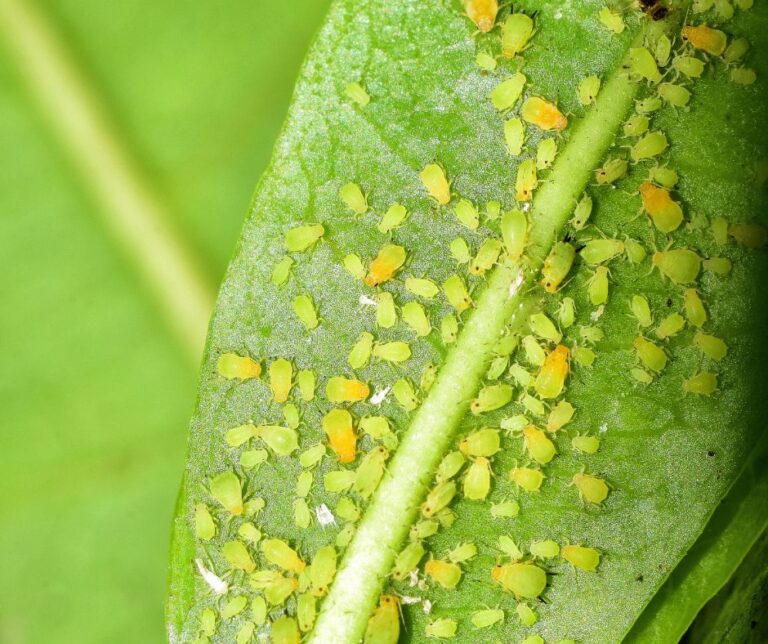
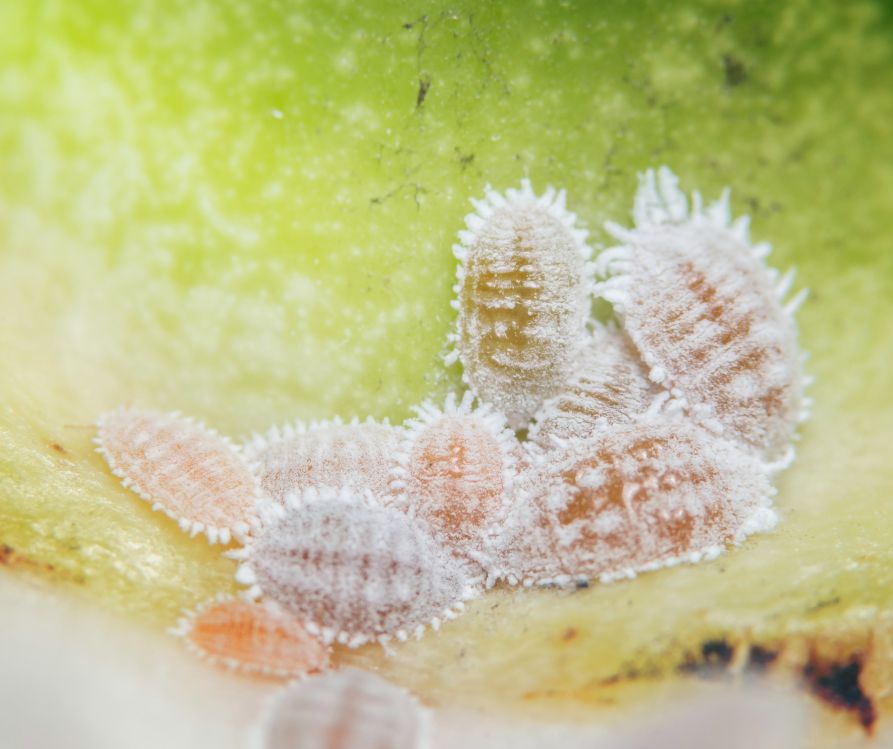
Mealybugs are small, soft-bodied insects covered with a white, powdery wax coating. They are notorious for feeding on plant sap, which weakens the plant and can lead to stunted growth, yellowing leaves, and even plant death if left unchecked. These pests primarily affect houseplants and greenhouse crops, thriving in warm, humid environments.
Identifying Mealybugs
To combat mealybugs effectively, early detection is crucial. Here’s how you can identify them:
- Visual Signs on the Plant: Look for cottony masses on plant stems, joints, and undersides of leaves. If you notice sticky residue (honeydew) or a sooty mold, it might indicate a mealybug infestation.
- Common Hiding Spots: Mealybugs often hide in crevices, leaf axils, and nodes. Inspect these areas closely during your regular plant check-ups.
Prevention
Prevention is always better than cure. Here’s how you can keep mealybugs at bay:
- Regular Plant Inspections: Make it a habit to examine your plants weekly, focusing on both the leaves and stems. Early detection can prevent a minor issue from becoming a major infestation.
- Isolation of Infected Plants: If you spot mealybugs, immediately isolate the affected plant to prevent the spread to other plants.
- Proper Plant Care to Reduce Stress: Healthy plants are less susceptible to infestations. Ensure your plants receive adequate light, water, and nutrients to reduce stress and increase their resistance to pests.
Effective Natural Solutions
Considering natural solutions is a great first step in controlling mealybug populations:
- Using a Strong Jet of Water: A powerful spray of water can dislodge mealybugs from the plant. This method is effective for minor infestations and should be performed regularly for maintenance.
- Applying Neem Oil or Insecticidal Soap: Both neem oil and insecticidal soap are excellent natural remedies. Apply them directly to the affected areas, ensuring thorough coverage. These treatments disrupt the insects’ life cycle, preventing reproduction and eventual elimination.
DIY Control Methods
If you prefer homemade solutions, try these DIY methods:
- Creating a Homemade Insecticidal Spray: Mix water with a few drops of dish soap and a teaspoon of vegetable oil. Spray this mixture on the affected areas. The soap suffocates the insects, while the oil helps the solution adhere to the leaves.
- Introducing Natural Predators: Ladybugs and lacewings are natural predators of mealybugs. Releasing them in your garden can help control mealybug populations without chemicals.
Chemical Treatments
When natural methods aren’t enough, chemical treatments can be considered:
- When and How to Use Them Safely: Use chemical pesticides as a last resort, ensuring they are safe for your specific plant types. Always follow the manufacturer’s instructions to minimize harm to beneficial insects and the environment.
- Recommended Products: Look for systemic insecticides that target sap-feeding insects, but use them sparingly and responsibly.
Aftercare
Post-treatment care is essential to prevent re-infestation:
- Monitoring for Re-infestation: Keep a close eye on your plants after treatment. Regular checks will help you catch any recurring infestations early.
- Additional Steps for Long-term Prevention: Maintain healthy plant habits and consider introducing regular neem oil or insecticidal soap applications as a preventive measure.
Final Thoughts
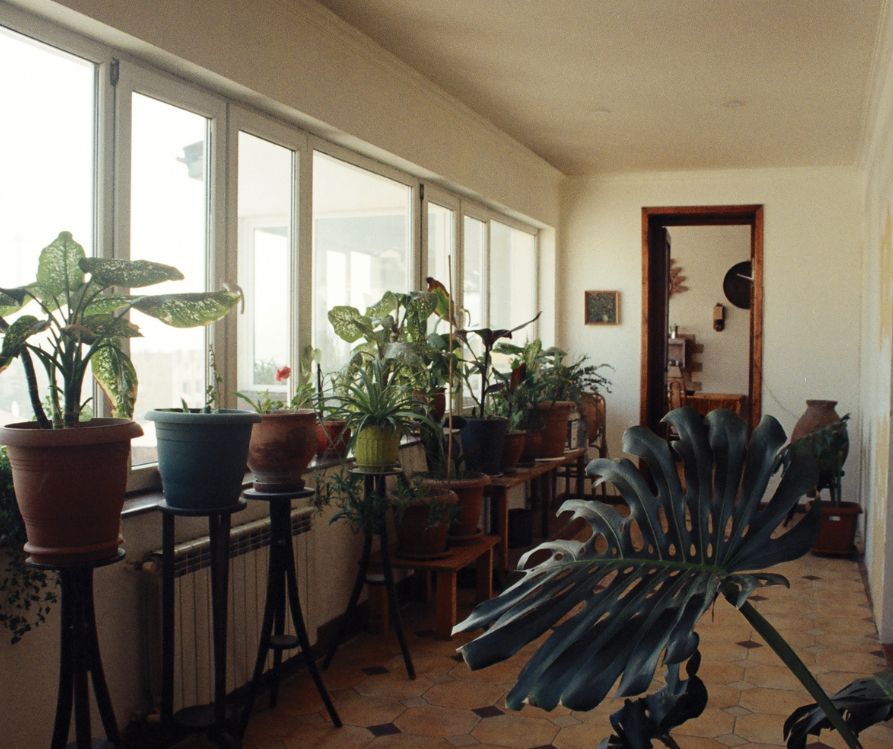
Dealing with mealybugs can be challenging, but armed with the right knowledge and tools, you can protect your garden and houseplants from these pesky invaders. By following the steps outlined above, you’ll not only eliminate existing infestations but also prevent future ones, ensuring your plants remain vibrant and healthy.
We’d love to hear about your experiences dealing with plant pests! Share your tips or ask questions in the comments below. Together, we can create a thriving, pest-free community of plant enthusiasts.
Visit the Garden Resources page for supplies and inspiration. Don’t forget to subscribe to the Calendula’s Garden Newsletter for more gardening tips.
Calendula’s Garden is reader supported. When you buy through links on our site, we may earn an affiliate commission. As an Amazon Associate, I earn from qualifying purchases. For more information, view our Disclaimer page. Thank you!