How to Strengthen Seedlings Using Chamomile Tea
Calendula's Garden is reader suported This post may contain affiliate links, more on our Disclaimer page. Thank you!
Many of us reach for a warm mug of chamomile tea to wind down after a long day. The gentle, floral aroma is famous for calming our nerves and preparing us for a good night’s sleep. But have you ever considered sharing a pot with your garden?
It turns out that your plants can benefit from this soothing herbal infusion just as much as you do. Using chamomile tea in the garden is a wonderfully simple, cost-effective, and natural way to care for your greenery.
Instead of immediately turning to harsh synthetic chemicals at the first sign of trouble, you can utilize the natural properties found right in your pantry.
By incorporating this simple brew into your gardening routine, you can protect fragile seedlings, fight off fungal infections, and give your plants a healthy boost.
Let’s look at exactly how this humble tea works its magic and how you can easily apply it to your own backyard oasis.
Why Your Plants Love Chamomile Tea
Chamomile is naturally packed with beneficial compounds that support plant health. While it might seem too gentle to be effective, this botanical powerhouse offers three distinct benefits for your garden.
A Natural Fungicide
Chamomile contains sulfur compounds that act as a mild, natural fungicide. Fungal spores are everywhere in the environment, waiting for the perfect damp conditions to multiply and attack vulnerable plants.
Applying a diluted tea creates an environment where harmful fungi struggle to survive, keeping your plants green and healthy.
A Gentle Growth Stimulant
Young plants need all the help they can get. Chamomile tea provides a very mild dose of nutrients, including calcium, potassium, and phosphorus.
These minerals encourage strong root development and overall vitality. While it won’t replace a robust fertilizing routine, it acts as a gentle tonic to give your plants a little extra vigor.
A Safe Pest Repellent
If you have ever rubbed chamomile leaves between your fingers, you know they have a distinct, apple-like scent.
While humans generally find this fragrance delightful, many soft-bodied garden pests do not. A light spray of the tea can help deter insects like aphids, keeping your foliage looking its best.
How to Brew Chamomile Tea for Garden Use

You don’t need any special equipment to make this botanical brew. If you can boil water, you can make a garden-ready tea.
Simple Seedling Spray Recipe:
- Boil one quart of water.
- Add two chamomile tea bags, or two tablespoons of dried organic chamomile flowers.
- Remove the water from the heat and let the tea steep for about 15 to 20 minutes.
- Remove the tea bags or strain out the loose flowers.
- Allow the liquid to cool completely to room temperature.
That last step is crucial. Pouring hot liquid over your plants will cook their roots and damage their cellular structure. Always double-check the temperature with your finger before taking your brew outside.
3 Ways to Apply Chamomile Tea to Plants
Depending on what you want to achieve, there are a few different ways to introduce this herbal remedy to your garden.
Seedling Soak
Seeds can sometimes take weeks to germinate, and older seeds might struggle to sprout at all. Soaking your seeds in a weak, room-temperature chamomile tea for 12 to 24 hours before planting can soften the seed coat.
The mild anti-fungal properties also protect the seed from rotting in the damp soil before it has a chance to sprout.
Foliar Spray
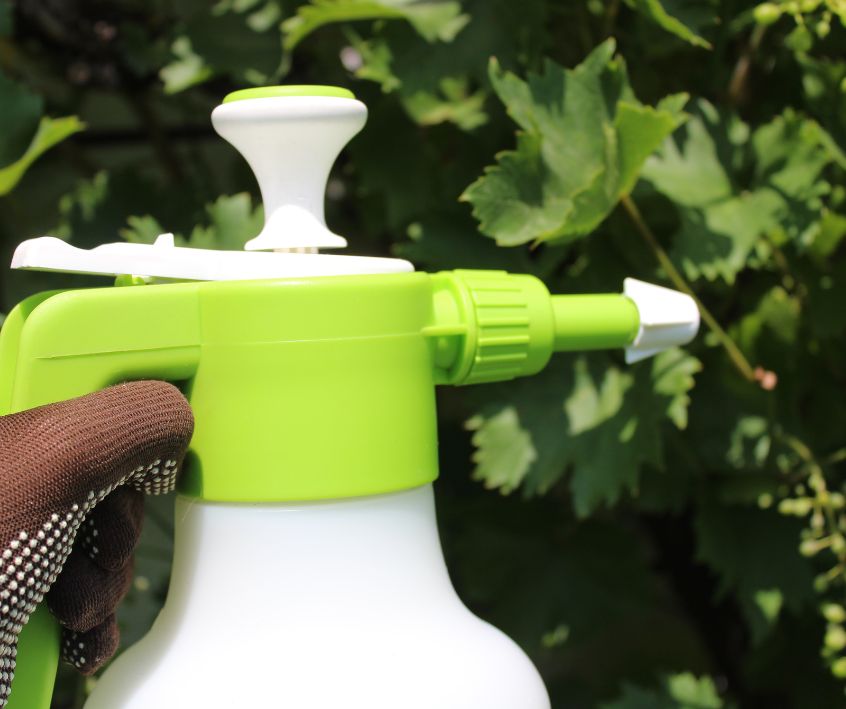
A foliar spray involves misting the liquid directly onto the leaves of the plant. Pour your cooled tea into a clean spray bottle and lightly mist the top and bottom of the foliage.
This method is excellent for deterring pests and stopping powdery mildew in its tracks. Try to do this early in the morning or evening so the leaves have time to dry before they are in full sun.
Soil Drench
Sometimes the problem lies beneath the surface. A soil drench means watering the plant directly at the base, allowing the tea to soak into the root zone.
This delivers those gentle nutrients right where the plant needs them most and helps combat soil-borne fungal pathogens.
Specific Garden Problems Solved by Chamomile
Now that you know how to make and apply your brew, let’s look at a few specific scenarios where it truly shines.
Preventing Damping-Off Disease
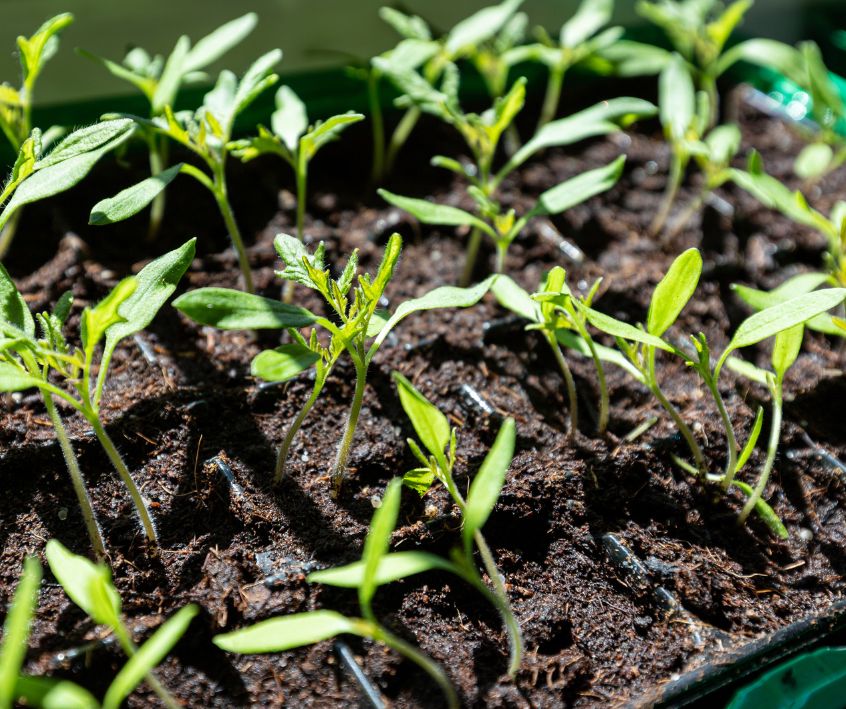
If you have ever started seeds indoors, you might have experienced the heartbreak of damping-off. One day your seedlings look robust and healthy, and the next morning they have collapsed at the soil line, their tiny stems shriveled and weak.
Damping-off is caused by a soil-borne fungus that thrives in the warm, moist conditions typical of seed-starting trays.
Misting your soil surface with chamomile tea once a week creates a hostile environment for the fungus, keeping your delicate seedlings standing tall.
Easing Transplant Shock
Moving a plant from a small pot into the garden bed is a stressful event.
Roots get disturbed, and the sudden change in environment can cause the plant to wilt and drop leaves, a condition known as transplant shock.
Watering your newly transplanted greenery with a chamomile soil drench can soothe the root system and provide a gentle nutrient boost to help them settle into their new home.
Boosting Propagation Success
Taking cuttings from your favorite plants is a fun way to multiply your garden for free.
However, the cut stems are highly susceptible to rotting before they can push out new roots.
Dipping the cut ends of your stems into cool chamomile tea before placing them in water or soil helps ward off bacteria and fungus, increasing your chances of successful propagation.
Tips for Best Results and Precautions
To get the most out of your herbal gardening efforts, keep these simple guidelines in mind:
- Make it fresh: Chamomile tea loses its potency over time. Try to brew only what you need and use it within 24 hours.
- Go organic: If you are using store-bought tea bags, look for organic options. You want to avoid introducing any hidden pesticide residues to your garden beds.
- Don’t overwater: While a soil drench is beneficial, watering your plants too frequently, even with tea, can lead to root rot. Use the tea as a supplement to your normal watering schedule, not a replacement for good drainage.
- Do a patch test: If you are trying a foliar spray on a sensitive houseplant, mist a single leaf first. Wait 24 hours to ensure the plant doesn’t have an adverse reaction before spraying the entire canopy.
Embrace Natural Solutions For Your Plants
Gardening is all about observing, learning, and working with nature rather than against it.
By looking inside your own kitchen cabinets, you can often find gentle, effective solutions that support a thriving ecosystem right outside your back door.
Why not brew a little extra tea this weekend? Enjoy a cup on the porch, and take the rest out to share with your seedlings. They will certainly thank you for it.
Visit the Garden Resources page for supplies and inspiration. Don’t forget to subscribe to the Calendula’s Garden Newsletter for more gardening tips.
Calendula’s Garden is reader supported. When you buy through links on our site, we may earn an affiliate commission. As an Amazon Associate, I earn from qualifying purchases. For more information, view our Disclaimer page. Thank you!