How to Start an Indoor Aquaponics Garden
Calendula's Garden is reader suported This post may contain affiliate links, more on our Disclaimer page. Thank you!
Picture fresh lettuce, vibrant tomatoes, and healthy fish thriving together in perfect harmony right in your living room. That’s the magic of aquaponics, a sustainable gardening method that’s transforming how urban dwellers grow their own food.
When my neighbor Sarah first showed me her tiny apartment aquaponics setup, I was amazed. Despite living in a cramped studio with zero outdoor space, she was harvesting fresh herbs weekly while her goldfish swam contentedly below.
What struck me most wasn’t just the fresh produce, but how this simple system used 90% less water than traditional gardening while producing food year-round.
Whether you’re tired of grocery store prices, concerned about pesticides, or simply want to reconnect with your food source, an indoor aquaponics garden offers a brilliant solution.
You don’t need a green thumb or extensive space. This guide will walk you through everything from understanding the science to harvesting your first crop.
Understanding Aquaponics: Nature’s Perfect Partnership
Aquaponics combines aquaculture (raising fish) with hydroponics (growing plants without soil) to create a closed-loop ecosystem that benefits both fish and plants. Think of it as nature’s recycling program happening right on your kitchen counter.
Here’s how this beautiful relationship works: Fish produce waste containing ammonia, which beneficial bacteria convert into nitrites and then nitrates, the perfect plant fertilizer.
Plants absorb these nutrients through their roots, naturally filtering the water clean for the fish. It’s a win-win situation where waste becomes food, and everyone thrives.
The benefits over traditional gardening are impressive. Aquaponics systems use significantly less water because the same water circulates continuously.
I often refer back to my favorite AP guide, Aquaponic Gardening: A Step-by-Step Guide to Raising Vegetables and Fish Together by Sylvia Bernstein, when tweaking my system.
You’ll never need to worry about soil quality, weeds, or many common garden pests. Plants typically grow 30-50% faster than in soil because nutrients are delivered directly to their roots. Plus, you can grow fresh produce year-round regardless of weather conditions.
For urban dwellers, especially, aquaponics solves the space problem beautifully. A compact system can fit on a balcony, in a spare room, or even under grow lights in a basement, making fresh food accessible to anyone.
Setting Up Your Indoor Aquaponics Garden
Choosing the right system depends on your space, budget, and goals. Three popular options work well for beginners:
Deep Water Culture (DWC) suspends plant roots directly in nutrient-rich water. This method works wonderfully for leafy greens like lettuce, spinach, and herbs. It’s simple, affordable, and for beginners who want to start small.
I recommend starting with a small automated countertop system. Back to the Roots Indoor Aquaponic Garden is perfect for getting the basics of aquaponics down. It looks good, can handle a few small fish, and can easily grow non-fruiting plants like lettuce or basil.
Nutrient Film Technique (NFT) circulates a thin film of water through sloped channels where plants sit in net pots. This system excels for herbs and smaller vegetables, offering excellent water efficiency and easy plant access.
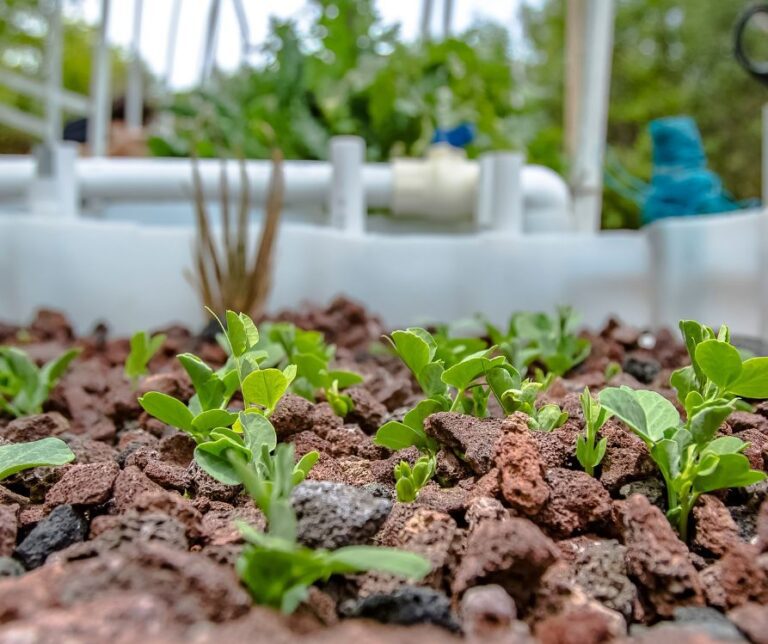
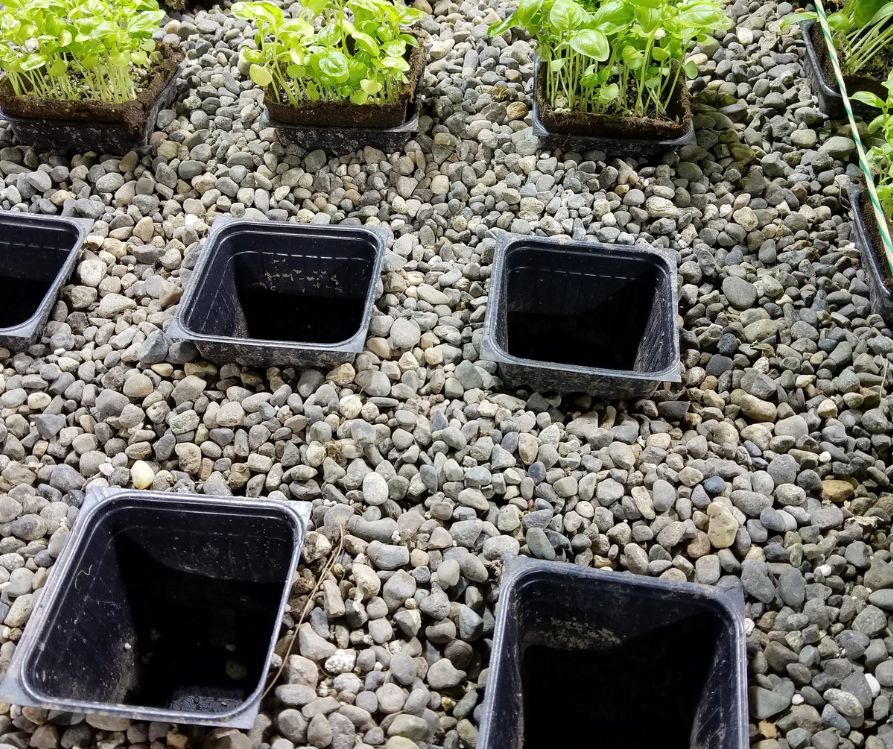
Media Beds use expanded clay pebbles or gravel to support plants while beneficial bacteria colonize the growing medium. This versatile option handles everything from leafy greens to tomatoes and peppers, making it ideal for those wanting variety.
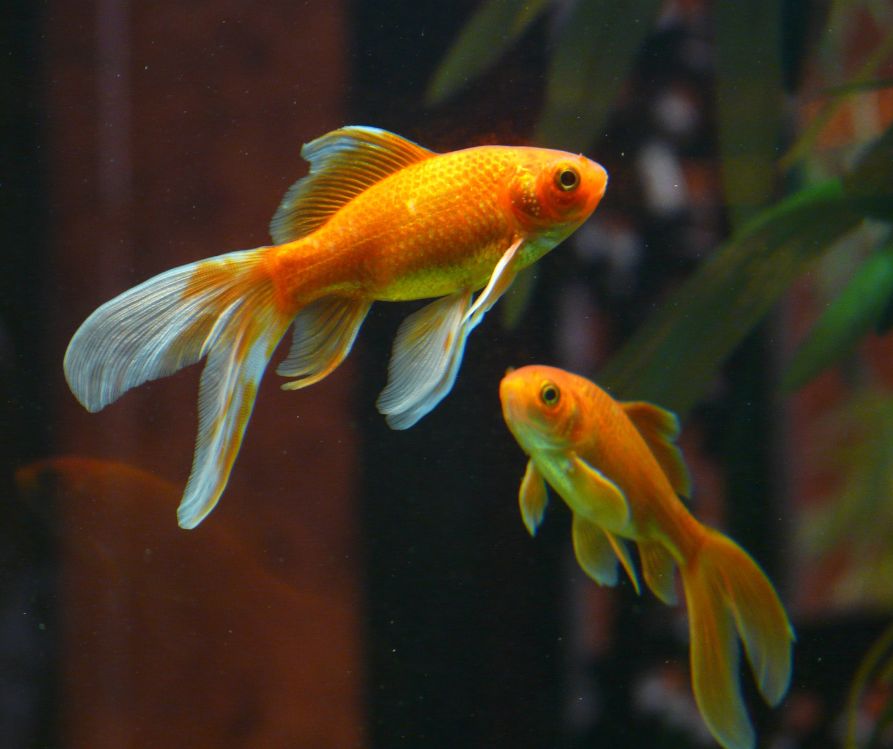
When selecting fish, consider goldfish, koi, or ornamental fish if you’re focused primarily on plant production. These hardy species tolerate temperature fluctuations and beginner mistakes gracefully.
If you want to eat your fish eventually, tilapia, catfish, or trout work well, though they require more precise water conditions.
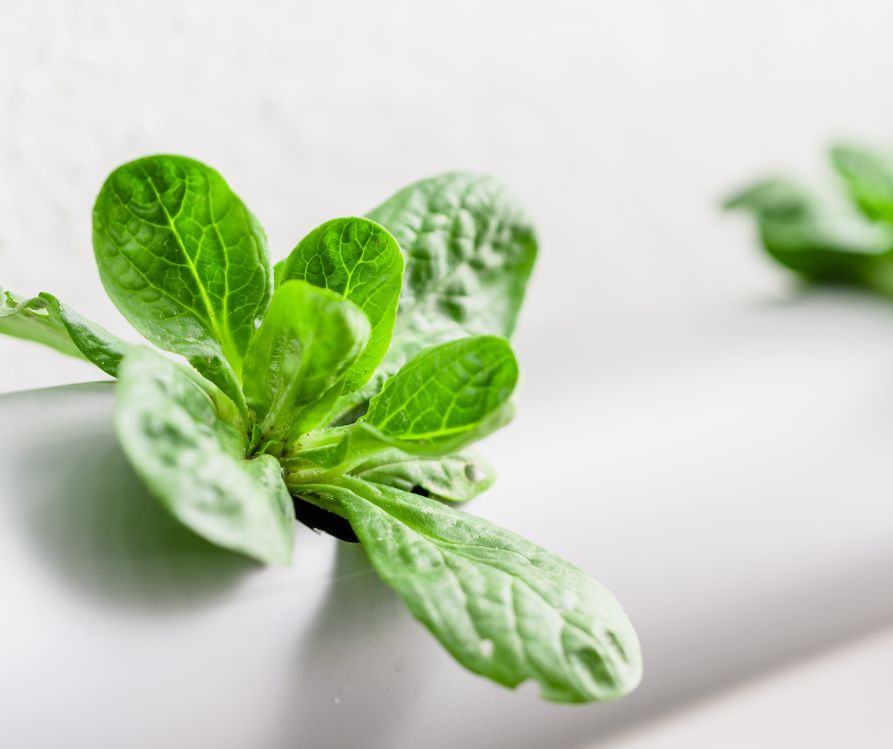
For plants, start with easy-to-grow leafy greens like lettuce, kale, spinach, and herbs such as basil, cilantro, and parsley.
These crops establish quickly and are forgiving of minor water chemistry fluctuations. Once you gain confidence, expand to tomatoes, peppers, or cucumbers.
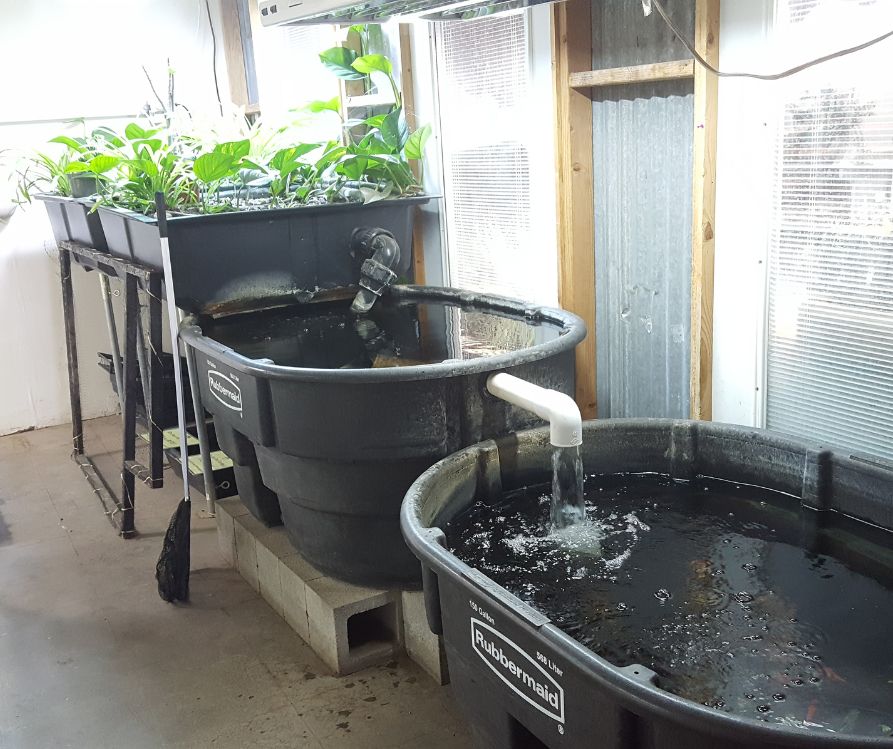
Setting up involves connecting three main components: the fish tank (your aquarium), the grow bed (where plants live), and a water pump system that circulates water between them. Most beginners find success with small desktop systems before scaling up to larger setups.
Maintaining Your Aquaponics System
Success with aquaponics comes down to maintaining proper water quality and keeping your fish healthy. Test your water weekly for pH (aim for 6.8-7.2), ammonia, nitrites, and nitrates using simple test strips or digital meters.
So you will need a decent water test kit. The API Freshwater Aquarium Water Master Test Kit has everything you need.
pH tends to fluctuate as beneficial bacteria establish themselves. If pH drops too low, add small amounts of potassium hydroxide or calcium carbonate.
API pH UP Freshwater Aquarium Water pH Raising Solution for fish
If it climbs too high, add a small amount of vinegar or phosphoric acid. Make adjustments gradually and test the water between doses. Dramatic changes stress both fish and plants.
API pH Down Freshwater Aquarium Water pH Lowering Solution for fish
Feed your fish high-quality pellets once or twice daily, giving them only what they can consume in 5 minutes.
Overfeeding creates water quality problems and stressed fish. Monitor your fish for signs of illness like unusual swimming patterns, loss of appetite, or visible spots or lesions.
Plant care involves regular pruning to encourage growth and prevent overcrowding. Remove yellowing leaves promptly and watch for signs of nutrient deficiencies. Most problems resolve themselves as the system matures and bacteria populations stabilize.
Troubleshooting Common Issues
Even experienced aquaponics gardeners encounter challenges. Algae growth often appears in new systems, especially with bright lighting.
Reduce light exposure temporarily, ensure proper water circulation, and avoid overfeeding fish. Algae typically subsides as beneficial bacteria establish dominance.
Fish diseases usually stem from poor water quality or stress. Maintain stable temperatures, test water regularly, and quarantine new fish before adding them to your system. Most fish health problems resolve with improved water conditions rather than medications.
Plant nutrient deficiencies manifest as yellowing leaves, stunted growth, or poor fruit production. These issues often correct themselves as your system matures. If problems persist, check that your fish-to-plant ratio is appropriate. You need enough fish waste to feed your plants adequately.
Start Your Indoor Garden Adventure Today
Indoor aquaponics gardening offers a sustainable, space-efficient way to grow fresh, organic produce while enjoying the therapeutic benefits of caring for fish.
You’ll reduce your grocery bills, minimize your environmental impact, and gain the satisfaction of eating food you grew yourself.
Starting small with a desktop system lets you learn the basics without a major investment. As your confidence grows, you can expand to feed your entire family’s vegetable needs.
Ready to begin? Visit your local pet store for a basic aquarium setup, pick up some goldfish and lettuce seeds, and take your first step toward food independence. Your future self will thank you for this delicious decision.
Visit the Garden Resources page for supplies and inspiration. Don’t forget to subscribe to the Calendula’s Garden Newsletter for more gardening tips.
Calendula’s Garden is reader supported. When you buy through links on our site, we may earn an affiliate commission. As an Amazon Associate, I earn from qualifying purchases. For more information, view our Disclaimer page. Thank you!