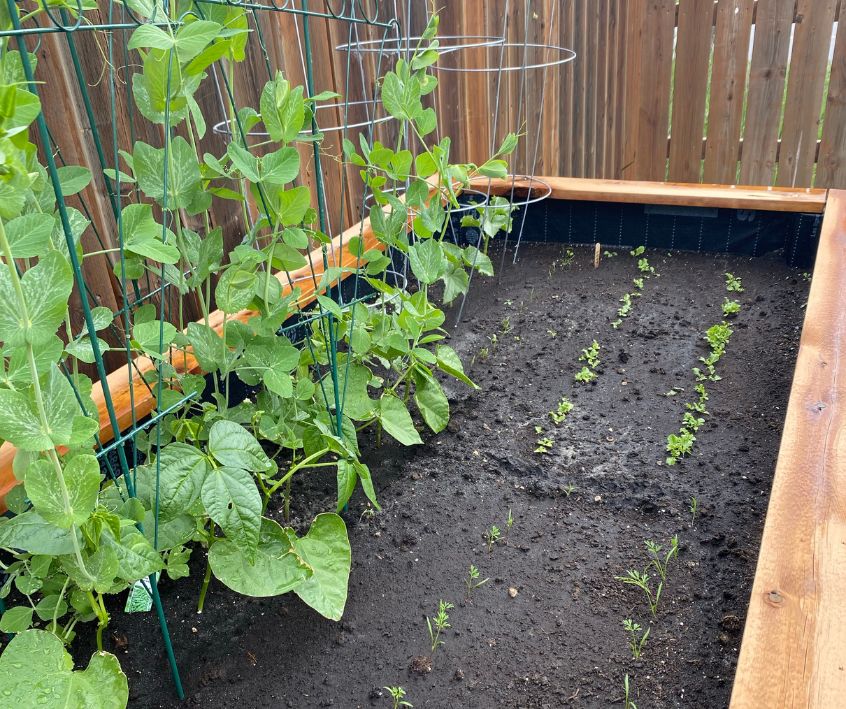
How to Start a Garden from Scratch: Small Home Garden Ideas for Beginners
Calendula's Garden is reader suported This post may contain affiliate links, more on our Disclaimer page. Thank you!
It is deeply satisfying pulling a carrot from the earth, brushing off the soil, and knowing exactly where your dinner came from. Gardening connects us to the seasons, slows down our frantic pace of life, and reminds us that good things truly do take time.
It transforms a small patch of dirt, or even a few pots on a balcony, into a source of nourishment and pride.
For many of us, the idea of starting a garden can feel daunting. We look at lush, overflowing vegetable patches on social media and wonder if we have the time, the space, or the “green thumb” required to make it happen.
The truth is, you don’t need a sprawling backyard or years of horticultural experience to grow your own food. You just need a little bit of patience and a willingness to get your hands dirty.
Whether you have a sunny windowsill in a city apartment or a small plot in the suburbs, nature is surprisingly adaptable. By starting small and focusing on the basics, you can cultivate a thriving green space that supports your health and the planet.
This guide will walk you through the essential steps to get growing, from assessing your sunlight to harvesting your first homegrown salad.
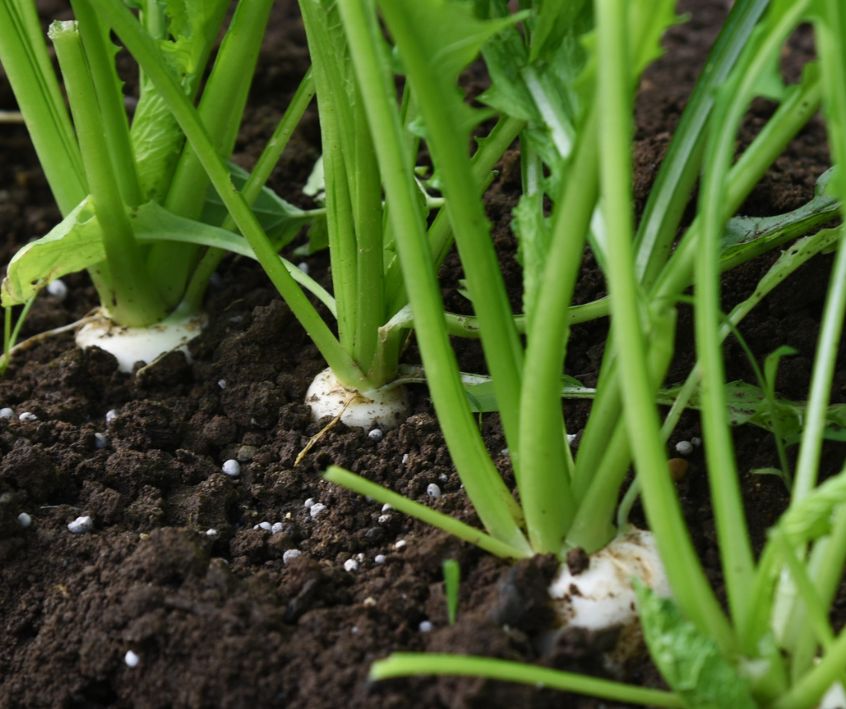
Why Start a Garden?
Digging in the dirt offers rewards that go far beyond the harvest. For the health-conscious family, growing your own produce ensures you are eating nutrient-dense food free from unwanted pesticides and wax coatings.
You have full control over what goes into your soil, meaning you have full control over what goes into your body. Plus, gardening itself is a moderate physical activity that gets you moving outside in the fresh air.
There is also a profound environmental impact. Growing food locally (very locally!) reduces the carbon footprint associated with transporting produce from farm to supermarket to table.
By avoiding chemical fertilizers and pesticides, you contribute to a healthier ecosystem, protecting local water sources and soil quality.
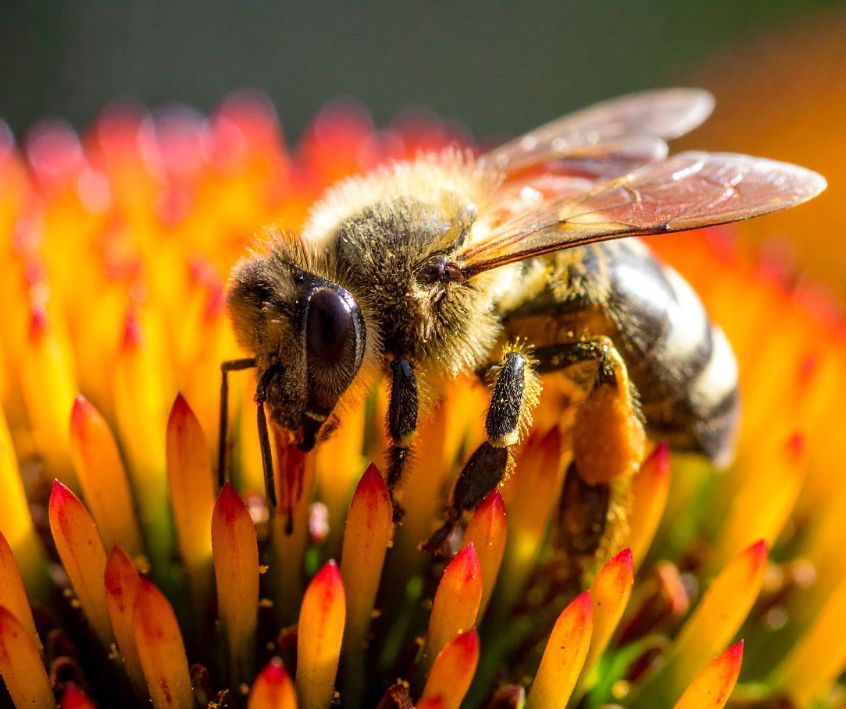
You can even design your space to be a “pollinator paradise,” planting specific flowers that attract bees and butterflies, boosting biodiversity right outside your door.
Finally, never underestimate the mental well-being aspects. In a world of screens and notifications, gardening offers a tangible, quiet respite.
Studies have shown that interacting with nature lowers cortisol levels and reduces stress. It provides a sense of accomplishment and a unique connection to the natural world that grounds us in the present moment.
Assessing Your Space
Before you buy a single packet of seeds, you need to understand the environment you are working with. The most critical factor for edible plants is sunlight.
Most vegetables, especially those that bear fruit like tomatoes and peppers, crave full sun, typically 6 to 8 hours of direct light per day.
Leafy greens like lettuce and spinach are more forgiving and can tolerate partial shade (3 to 4 hours). Spend a few days observing your chosen spot to see exactly how much light it gets.
Next, consider your available space. You don’t need a farm to be a farmer.
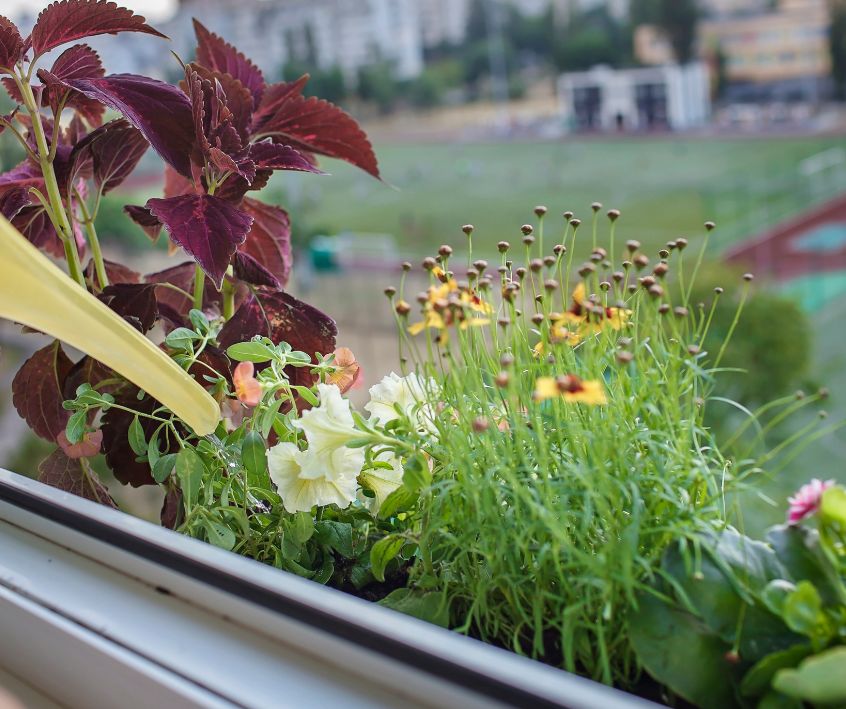
- Balcony or Patio: Container gardening is perfect here. Pots, troughs, and vertical planters allow you to maximize limited square footage.
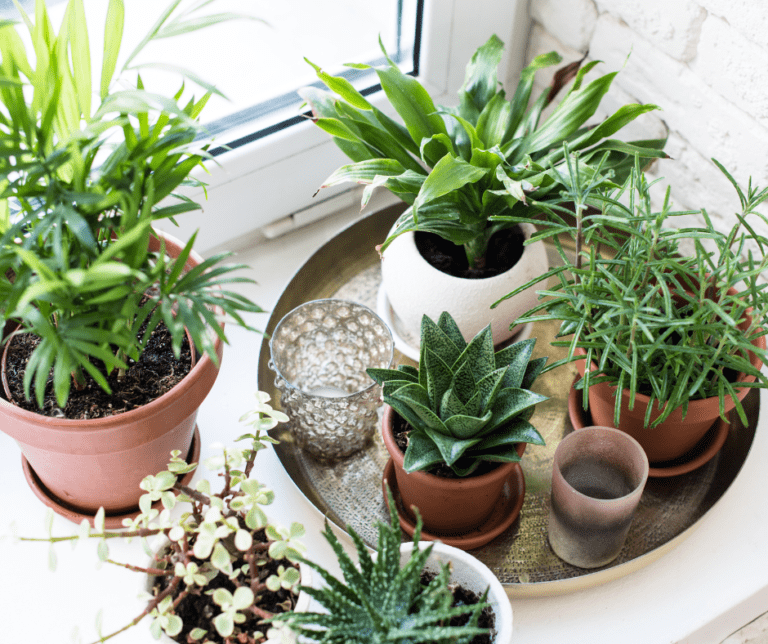
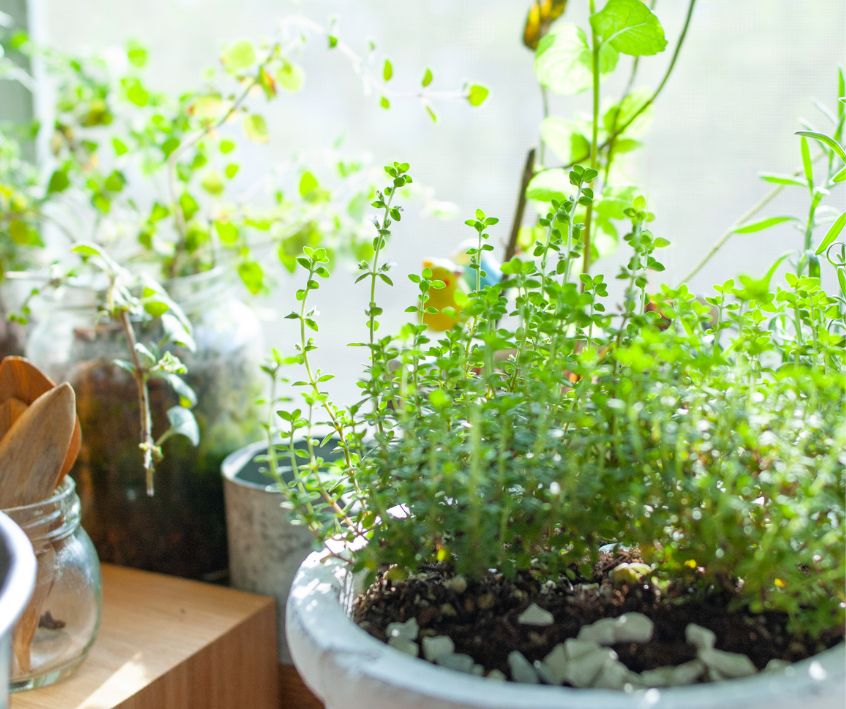
- Windowsill: If you have no outdoor space, a sunny kitchen window is ideal for herbs like basil, chives, and mint.
- Backyard: You can plant directly in the ground or build raised beds, which offer better drainage and soil control.
Finally, think about your soil. If planting in the ground, perform a simple soil test to check the pH and nutrient levels. Most vegetables prefer a slightly acidic to neutral pH (6.0–7.0).
If you are using containers or raised beds, skip the garden soil (which can be too heavy and compact) and opt for a high-quality, organic potting mix designed to retain moisture while allowing roots to breathe.
Choosing the Right Plants
For your first season, set yourself up for success by choosing “beginner’s luck” plants. These are robust varieties that yield high rewards with minimal fuss.
- Leafy Greens: Lettuce, kale, and Swiss chard grow quickly and can be harvested continuously.
- Herbs: Basil, mint, and parsley are hardy and can be grown easily in pots. This Live Aromatic and Edible Herb Assortment from Amazon is popular.
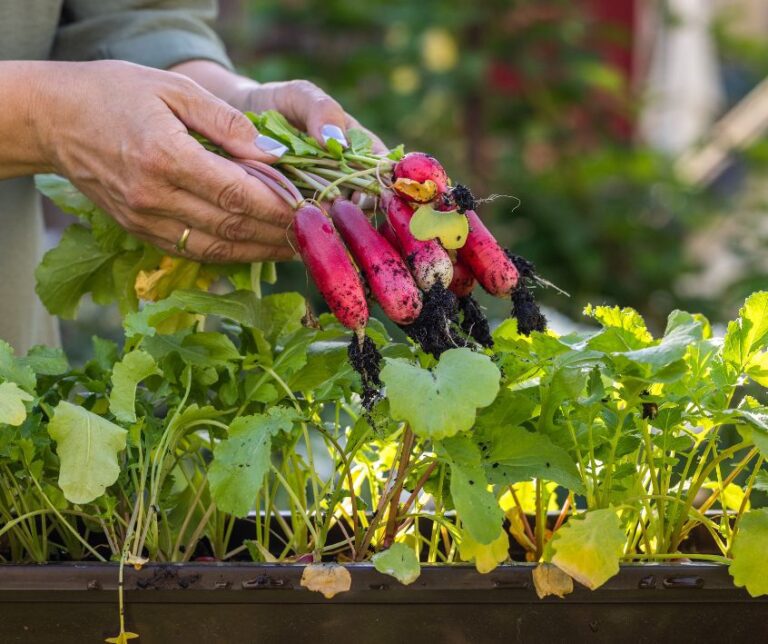
- Radishes: These are incredibly fast-growing, often ready to harvest in just 30 days.
- Tomatoes: Cherry tomato varieties are prolific and often easier to manage than larger beefsteak types.
Always check your climate zone and planting calendar. A plant that thrives in a cool spring might wither in the heat of mid-summer. Local nurseries are fantastic resources for finding out what grows best in your specific region and when to plant it.
You might also consider companion planting, the practice of placing plants together that benefit one another.
For instance, planting marigolds near your tomatoes can help repel harmful nematodes and beetles, while planting basil alongside them is said to improve their flavor. It’s a natural, chemical-free way to boost your garden’s resilience.
Where to find seeds, plants, and supplies:
Essential Tools and Equipment
You don’t need a shed full of expensive gear to get started. A few high-quality basics will serve you well for years.
- Trowel: Essential for digging small holes and transplanting seedlings. Try the Fiskars Ergo Garden Trowel for Digging and Planting
- Hand Fork: Great for loosening soil and weeding. Garden Guru Stainless Steel Hand Weeder Fork Tool
- Watering Can or Hose: An attachment with a “rose” attachment ensures a gentle spray that won’t wash away seeds. RESTMO Watering Wand
- Gloves: Protect your hands from thorns and blisters. COOLJOB 2 Pairs Gardening Gloves
If you are container gardening, ensure your pots have drainage holes to prevent root rot. For raised beds, untreated cedar is a popular, rot-resistant wood choice that doesn’t leach chemicals into the soil.
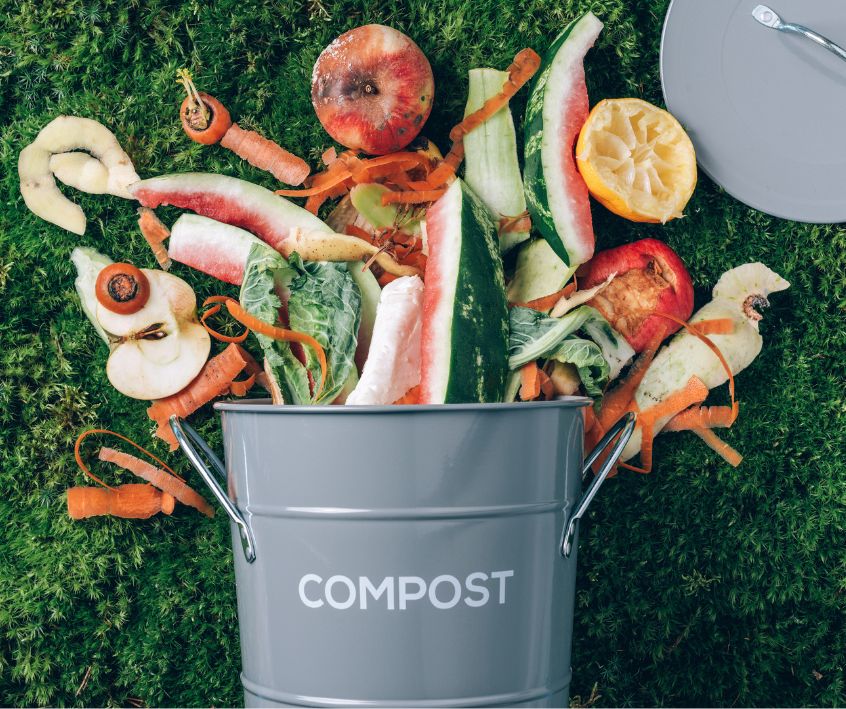
To keep your garden eco-friendly, stock up on organic fertilizers like compost, seaweed extract, or fish emulsion. For pest control, simple solutions like neem oil or insecticidal soap are effective and safer for beneficial insects than harsh synthetic chemicals.
Step-by-Step Planting Guide
Seeds vs. Seedlings
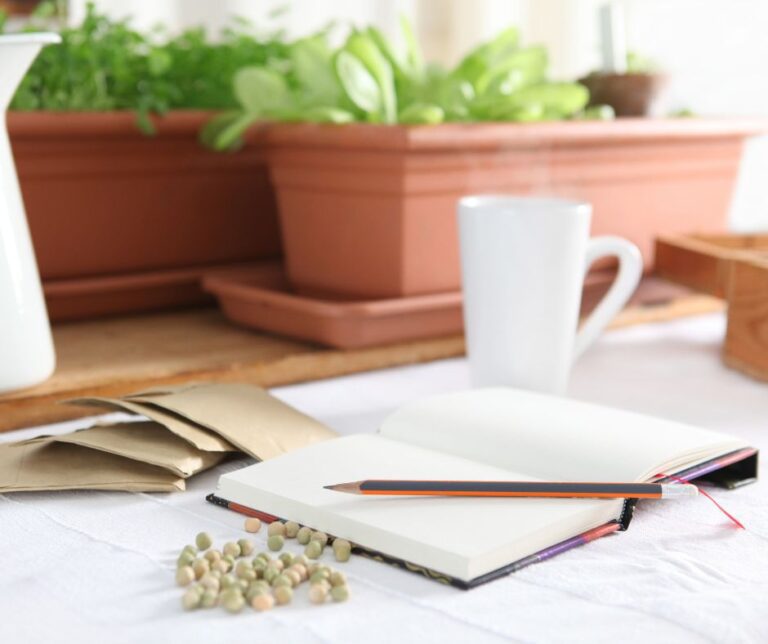
You have two choices: start from seed or buy young plants (seedlings) from a nursery. Seedlings are easier for beginners because they give you a head start on the growing season. Seeds require more patience and specific conditions but offer a wider variety of plant options.
Planting
- Direct Sowing: For root vegetables like carrots and radishes, plant seeds directly into your garden soil. Follow the depth and spacing instructions on the seed packet carefully.
- Transplanting: Dig a hole slightly larger than the root ball of your seedling. Gently tease the roots if they are tightly wound, place the plant in the hole, and backfill with soil.
Watering
Water immediately after planting to help settle the soil around the roots. For the first few weeks, keep the soil consistently moist but not waterlogged. As plants mature, water deeply and less frequently to encourage deep root growth.
Maintenance and Care
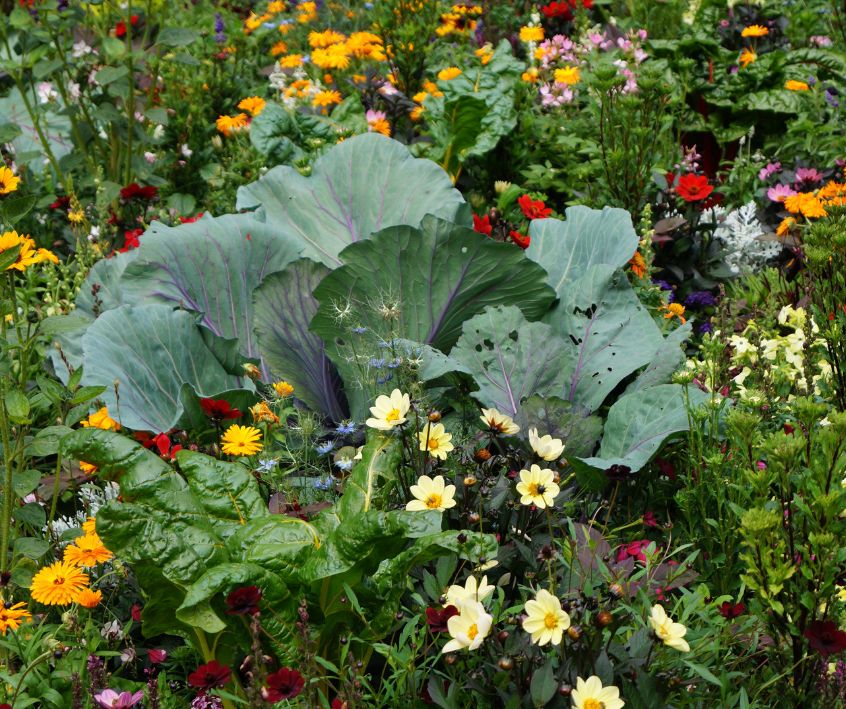
A garden is a living thing that requires regular attention. Watering is best done in the early morning or late evening to minimize evaporation. Stick your finger an inch into the soil; if it feels dry, it’s time to water.
Weeding is an ongoing task. Weeds compete with your veggies for water and nutrients, so pull them up by the roots whenever you see them. A layer of organic mulch (like straw or shredded leaves) can help suppress weeds and retain soil moisture.
Keep an eye out for pests. Not every bug is bad, ladybugs and bees are your friends! But if you see aphids or caterpillars munching on your leaves, try picking them off by hand or blasting them with a stream of water before resorting to organic sprays.
Finally, remember to feed your soil. Adding compost or organic fertilizer every few weeks during the growing season gives your plants the energy they need to produce a bountiful harvest.
Harvesting and Enjoying Your Produce
This is the moment you have worked for! Harvesting at the right time ensures the best flavor and texture.
- Leafy Greens: Harvest the outer leaves first, allowing the center to keep growing.
- Herbs: Pinch off the top leaves to encourage the plant to grow bushier.
- Tomatoes: Pick when they are fully colored and slightly soft to the touch.
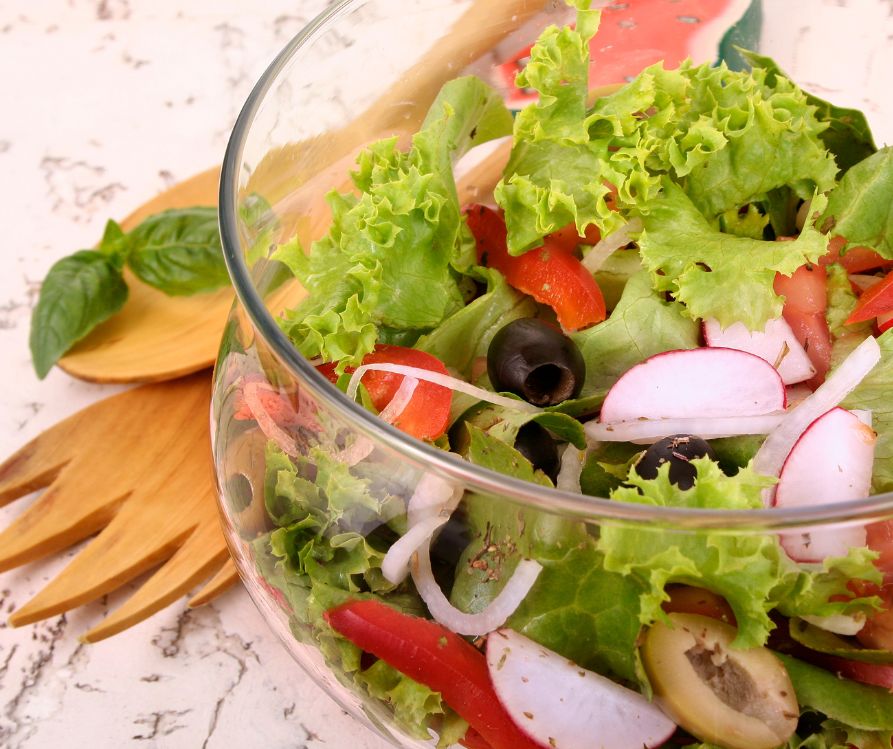
There is nothing quite like the taste of a salad made with greens picked five minutes ago.
Experiment with simple recipes that highlight the fresh flavors. Share your surplus with neighbors or friends. It’s a wonderful way to build community and share the joy of what you have cultivated.
Cultivate Your Green Thumb Today
Starting a garden is a journey of trial and error. Some plants will thrive, others might not, and that is completely okay.
Every season teaches you something new about your space and the natural world. By taking these small steps, you are not just growing food; you are growing health, sustainability, and a little piece of nature right at home.
So, grab a trowel and some seeds. Your garden is waiting.
Visit the Garden Resources page for supplies and inspiration. Don’t forget to subscribe to the Calendula’s Garden Newsletter for more gardening tips.
Calendula’s Garden is reader supported. When you buy through links on our site, we may earn an affiliate commission. As an Amazon Associate, I earn from qualifying purchases. For more information, view our Disclaimer page. Thank you!