How to Protect Your Garden from Frost Damage
Calendula's Garden is reader suported This post may contain affiliate links, more on our Disclaimer page. Thank you!
Gardening can be a rewarding hobby, but frost poses a significant threat to your plants. It can wreak havoc on a garden overnight, leaving once-vibrant plants wilted and damaged.
Understanding how to protect your garden from frost damage is crucial for anyone looking to maintain a healthy and thriving outdoor space.
In this guide, we’ll explore the steps you need to take to safeguard your plants from frost, ensuring they can flourish even in cold conditions.
Understanding Frost and Its Threat to Your Garden
Frost occurs when temperatures drop low enough to cause water vapor in the air to freeze on surfaces, including leaves and stems. This can lead to cellular damage in plants, as the ice disrupts the internal structure of the plant cells.
Frost is particularly dangerous for young seedlings, tender perennials, and exotic species that are not accustomed to colder climates.
Identifying the Signs of an Incoming Frost
One of the first steps in protecting your garden is being able to recognize when frost is likely to occur. Keep an eye on local weather forecasts, especially during late autumn and early spring when temperatures are prone to fluctuation.
A clear, calm night is often a precursor to frost, as the absence of clouds allows heat to escape the atmosphere.
Additionally, if the temperature is predicted to drop to around 32°F (0°C) or lower, frost is likely.
Steps to Protect Your Plants Before, During, and After a Frost
Supplies
Floating Row Cover Garden Fabric Plant Cover for Winter Frost/Sun Pest Protection (10FT X 30FT)
4 Pack Tree Shrub Potted Plant Covers Frost Cloth Bags
Burlap Fabric Tree Trunk Protector
Fiberglass Garden Hoops For Floating Row Cover
40 PCS Heavy Duty Stainless Steel Greenhouse Clips for Netting, Shade Cloth, or Frost Cloth
Before a Frost
Water Your Plants
Moist soil retains heat better than dry soil, which can help to keep the root zone warmer.
Use Protective Materials
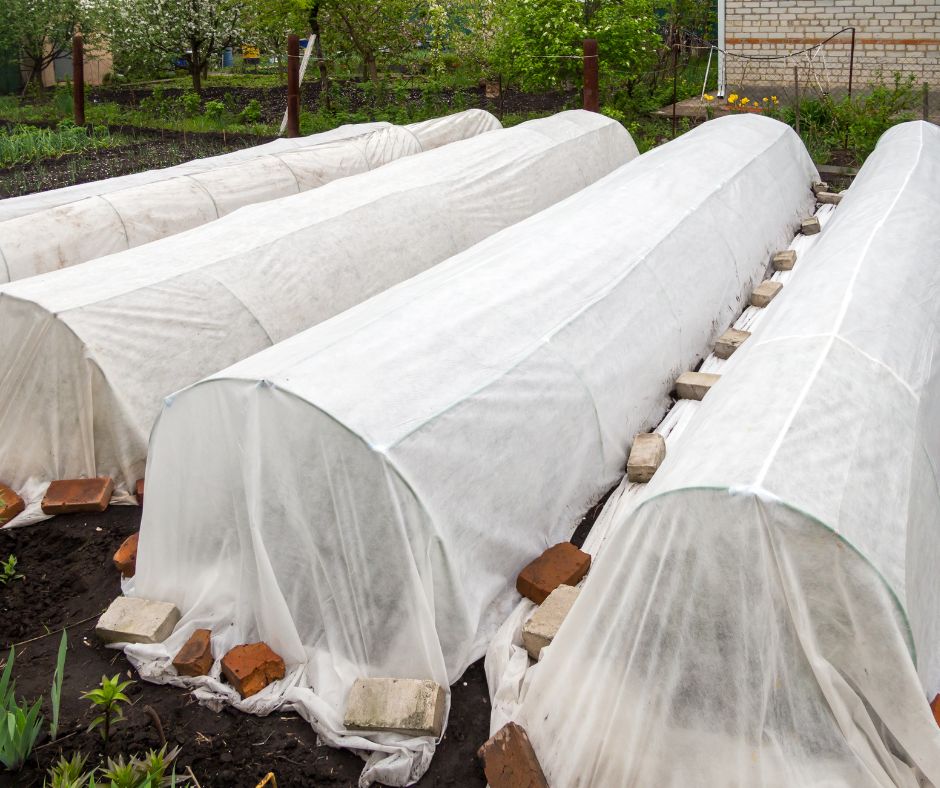
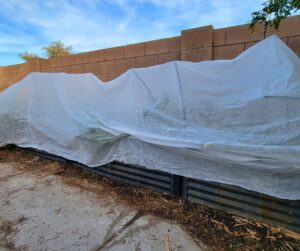
Cover your plants with frost cloth, burlap, or old bed sheets. Ensure that the covers reach the ground to trap heat and remove them during the day to allow sunlight in.
Move Potted Plants Indoors
If possible, bring potted plants inside a garage or basement where they will be shielded from the cold.
Mulch for Insulation
Apply a layer of mulch around the base of your plants. Mulch acts as an insulator, helping to keep the roots warm and protected. How to Mulch Your Garden for Winter Protection
During a Frost
Avoid Overwatering
While wet soil can help prevent frost, too much water during a frost can lead to further freezing damage. Ensure the soil is damp but not waterlogged.
Check Covers
Ensure that all protective covers are secured and have not blown away. The worst discovery!
After a Frost

Inspect and Prune
Examine your plants for any signs of frost damage. Wait a few days before pruning affected areas to allow the plant to recover and show signs of life.
Gradual Reintroduction
Bring potted plants back outside gradually to avoid shock from sudden temperature changes.
Choosing the Right Protective Materials
Selecting the correct materials for frost protection is essential for effective plant care. Frost cloth is a lightweight, breathable fabric designed specifically for protecting plants from cold weather.
It allows light and water to penetrate while providing insulation. Burlap is another great option, offering durability and reusability. For a more budget-friendly method, household textiles like old sheets or towels can work in a pinch.
However, avoid using plastic covers, as they can trap moisture and exacerbate frost damage.
Special Considerations for Potted Plants and Delicate Species
Potted plants are particularly vulnerable to frost because their roots are not insulated by the ground. Bringing them indoors or placing them next to a south-facing wall can provide warmth.
Delicate species, such as tropical plants, may require additional insulation. Consider wrapping pots with bubble wrap or using a heat lamp to provide extra warmth on particularly cold nights.
Long-Term Strategies to Prevent Future Frost Damage
To minimize future frost damage, consider incorporating more cold-hardy species into your garden. Additionally, planting in raised beds can improve drainage and reduce the risk of frost damage due to cold water sitting around plant roots.
Another long-term strategy is to integrate windbreaks or hedges to protect your garden from cold winds, which can exacerbate frost effects.

Frost can be daunting for gardeners, but with the right strategies, you can minimize its impact and enjoy a flourishing garden year-round. By understanding the signs of an incoming frost, using protective materials, and employing long-term strategies, you can safeguard your plants effectively.
We invite you to share your own frost protection tips in the comments below or on social media—you might just inspire another gardener!
Visit the Garden Resources page for supplies and inspiration. Don’t forget to subscribe to the Calendula’s Garden Newsletter for more gardening tips.
Calendula’s Garden is reader supported. When you buy through links on our site, we may earn an affiliate commission. As an Amazon Associate, I earn from qualifying purchases. For more information, view our Disclaimer page. Thank you!