How to Plant and Maintain a Thriving Winter Garden
Calendula's Garden is reader suported This post may contain affiliate links, more on our Disclaimer page. Thank you!

Winter doesn’t have to be a time when your garden lies dormant. With the right approach, tools, and plants, you can cultivate a beautiful and productive winter garden that will brighten even the coldest days.
Whether you’re a seasoned gardener or new to the hobby, planting a winter garden offers a unique opportunity to enjoy the outdoors and connect with nature throughout the year.
In this guide, we’ll explore the essentials of planning, planting, and maintaining a winter garden that flourishes despite the chill.
The Benefits of Winter Gardening
Gardening in winter may seem challenging, but it comes with several rewards. Not only does it extend your growing season, but it also allows you to harvest fresh produce when store-bought options are less available.
Winter gardening can enhance your mental well-being through the colder months, keeping you active and engaged.
Plus, it provides a haven for wildlife, attracting birds and beneficial insects to your garden.
Where to find seeds, plants, and supplies:
Planning Your Winter Garden
Before you dig in, take time to plan your winter garden. The success of your garden largely depends on the following factors:
Selecting the Right Plants
Choosing plants that thrive in colder temperatures is crucial. Consider hardy vegetables like kale, spinach, and Brussels sprouts, which can withstand frost and even improve in flavor after a freeze.
Root vegetables like carrots and parsnips are also excellent choices, as they store well and can be left in the ground until needed.
Considering Your Climate
Understanding your climate zone is essential when planning your winter garden.
Some plants may require protection from extreme cold, while others might be suited to your region’s specific conditions.
Consulting local gardening resources can offer invaluable insights into what grows best in your area during winter.
Watch our video Step-by-Step: Starting Seeds Arugula and Lettuce to see how I use a planting calendar from the University of Arizona Agricultural Extension to figure out when it’s ok to plant lettuce and arugula.
Creating a Layout
A thoughtful layout maximizes your garden’s efficiency and aesthetic appeal. Group plants with similar light and water requirements together.
Raised beds can be beneficial for winter gardens as they improve drainage and can be filled with nutrient-rich soil to support plant growth.
Essential Tools for Winter Gardening
Equipping yourself with the right tools makes winter gardening more manageable. Here are some essentials:
Spades and Trowels
Durable and versatile, these tools help with digging and planting.
Hand Pruners
Ideal for trimming back dead growth and harvesting winter crops.
Mulch and Row Covers
These protect your plants from harsh weather and help retain soil moisture and warmth.
Compost Bins
Compost is invaluable for enriching your soil and ensuring plants receive the necessary nutrients.
Greenhouse
A greenhouse can provide an ideal environment for starting seedlings and extending the growing season.
Preparing Your Garden
Preparation is key to a successful winter garden. Start by clearing out any old or dead plants that could harbor pests.
Add a layer of compost to replenish nutrients and improve soil structure.
Protect your soil by spreading mulch or using row covers, which shield it from cold winds and prevent erosion.
Planting Your Winter Garden
When planting your winter garden, timing and technique matter:
Seed Planting
Sow seeds directly into the soil for hardy crops like spinach and radishes. Be sure to follow the packet instructions for depth and spacing.
Transplanting
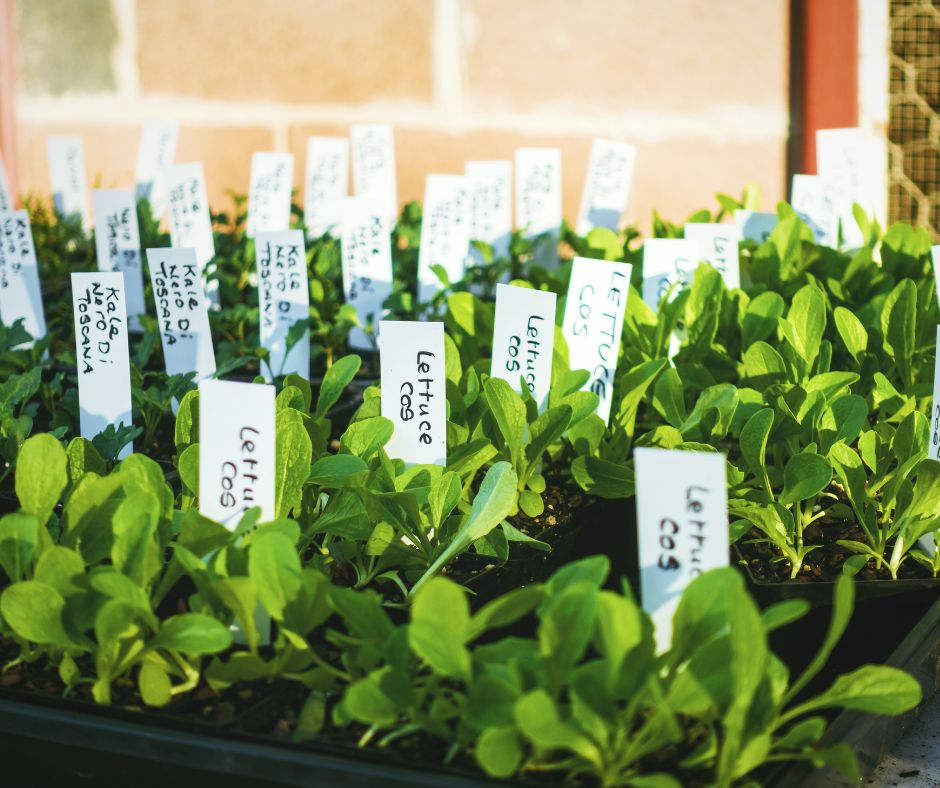
Start more sensitive plants indoors and transplant them outside once they are strong enough. This method works well for cabbage and kale.
Water your newly planted garden thoroughly but avoid overwatering, as excess moisture can lead to root rot.
Caring for Your Winter Garden
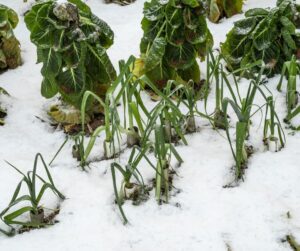
Once your garden is planted, ongoing care ensures its success:
Watering
Water less frequently than in summer, but ensure the soil remains moist. Winter winds can dry out the soil, so check moisture levels regularly.
Feeding
Use slow-release fertilizers to feed your plants without promoting excessive growth, which could make them vulnerable to frost.
Frost Protection
Cover delicate plants with frost cloth or garden blankets on particularly cold nights. Cloches can also be used to create mini-greenhouses around smaller plants.
Harvesting from Your Winter Garden
Harvesting your winter crops at the right time ensures peak flavor and nutritional value:
Timing
Monitor your plants closely for signs of readiness. For leafy greens, pick leaves from the outside, allowing the center to continue growing.
Storage
Many winter vegetables, like carrots and parsnips, store well in a cool, dark place. Leafy greens can be kept in the fridge for several days.
Share the Joy of Winter Gardening
Winter gardening offers a unique blend of challenges and rewards. By planning carefully and tending to your garden regularly, you’ll enjoy fresh produce and a vibrant outdoor space even in the coldest months.
Ready to share your winter gardening story? Connect with fellow gardeners and spread the joy of cultivating a winter oasis through social media or local gardening groups.
Your experiences might just inspire others to start their winter gardening adventure.
Visit the Garden Resources page for supplies and inspiration. Don’t forget to subscribe to the Calendula’s Garden Newsletter for more gardening tips.
Calendula’s Garden is reader supported. When you buy through links on our site, we may earn an affiliate commission. As an Amazon Associate, I earn from qualifying purchases. For more information, view our Disclaimer page. Thank you!