How to Make Your Own Potting Soil Mix
Calendula's Garden is reader suported This post may contain affiliate links, more on our Disclaimer page. Thank you!

For avid gardeners, a quality potting soil mix is essential for healthy plants. But why spend money on expensive bags of store-bought potting soil when you can make your own at home? Learning how to make potting soil will save time and money. Making your own potting soil is cheaper and allows you to customize the soil recipe according to what type of plants you are growing.
In this guide, we will provide step-by-step instructions on how to make the perfect homemade potting soil mix, along with different recipes that can be used depending on what type of plants you are growing. Read on to learn more about creating your own custom potting soil!
The Importance of Using Quality Potting Soil for Vibrant Plant Growth
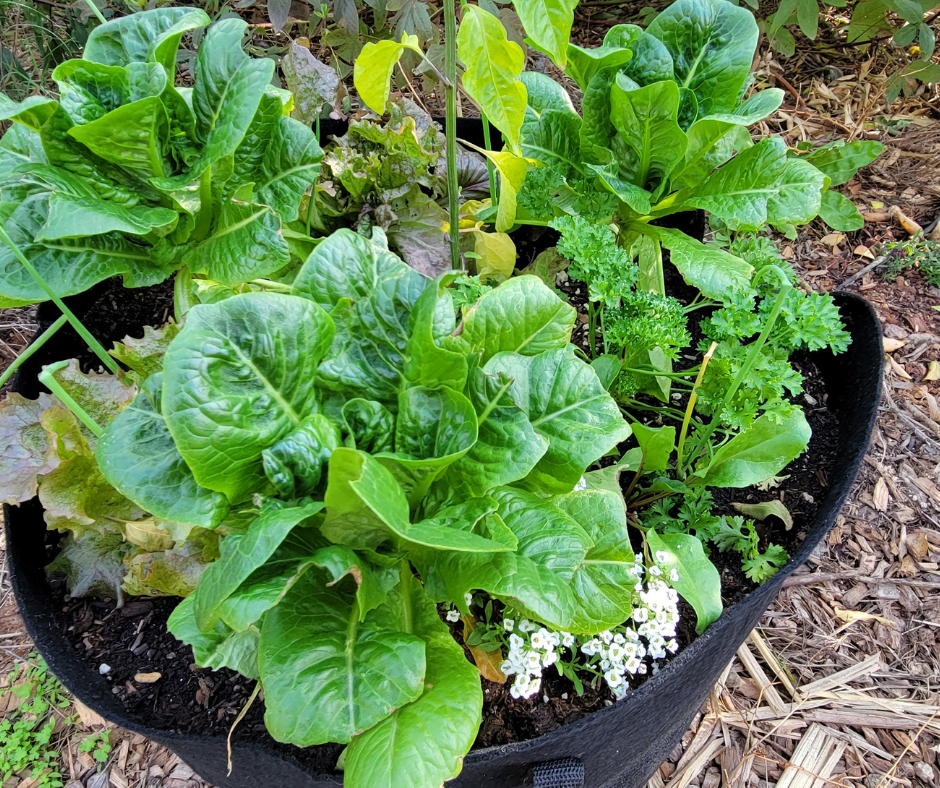
Are you tired of watching your plants wither away or fail to thrive despite all of your hard work and attention? It might be time to reassess the soil you’re using.
Quality potting soil is crucial for maximum plant growth, as it provides the necessary nutrients, water retention, and drainage for plants to flourish.
Investing in good potting soil can make a world of difference in the health and productivity of your garden or houseplants. Plus, it can save you time and money in the long run by reducing the need for expensive fertilizers or frequent watering.
However, constantly shelling out money for bags of expensive potting soil from your local gardening store quickly eats up your garden budget. Making your own potting soil is not only a money-saver but also gives you full control over the ingredients and quality.
Find out how much soil you need for your garden containers with our Soil Volume Calculator.
Ingredients Needed to Make Potting Soil at Home
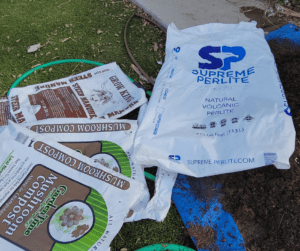
Gathering all the necessary ingredients for your container soil mix is essential. Here are the main ingredients you will need:
Compost
One essential ingredient you don’t want to skip out on is compost. Not only does it provide valuable nutrients for your plants, but it also helps improve soil structure and water retention.
Compost, a natural fertilizer, is chock-full of nutrients that plants need, including nitrogen, phosphorus, and potassium, helping to promote healthy roots and stem growth.
Homemade – You can make compost yourself from kitchen scraps and yard waste.
Explore different compost bins that might work well for your garden. Read our article, Which compost bin is best for you?
For example, using a VIVOSUN Outdoor Tumbling Composter Bin can help make compost faster at home.
Commercial options – When you need a lot of compost fast!
Mushroom Compost
Improves soil structure, allowing for better water and nutrient retention. Its high nutrient content means your plants will receive a balanced dose of nitrogen, phosphorus, and potassium. Promotes healthy microbial activity in the soil, aiding in the breakdown of organic matter and helping to prevent diseases.
Composted Steer Manure
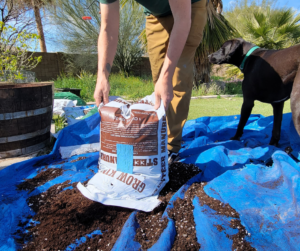
Provides essential nutrients like nitrogen, improves soil texture, and promotes healthy microbial activity.
I try to get provide a variety of nutrients to our plants. So for the compost part, I use a mix of home compost if I have some ready and equal portions of mushroom compost and composted steer manure.
Perlite
This humble mineral is a heat-expanded volcanic glass that provides excellent aeration and drainage to plants’ roots. It’s lightweight, pH-neutral, and doesn’t decompose, making it a reliable choice for potting soil.
When mixed with other organic materials like peat moss and vermiculite, perlite creates an ideal plant growing medium.
AeroSoil Perlite comes in large quantities so that you can quickly make a big batch of soil.
Vermiculite
A natural mineral that’s incredibly lightweight and porous. This means it can hold onto water and nutrients. Plus, it promotes a healthy soil structure, preventing it from becoming too compact and allowing for better drainage. It can be used in addition to or instead of perlite.
Organic Vermiculite by Perfect Plants comes in easy to handle 8 quart bags.
Coconut Coir
This versatile ingredient is essential for any thriving garden. Coconut Coir is made from the fibrous husks of coconuts and is a naturally renewable resource.
It also has excellent drainage and moisture retention properties, making it perfect for potting soil.
Large blocks of coconut coir are usually the most economical choice. Try to find brands that make blocks with fine cut washed coco coir. This reduces salt content.
I often use: Organic Coco Coir by Coco Bliss or Hydro Crunch CB801 Coco Coir
Coconut coir comes in compressed bricks or loose fibers, and it’s important to follow the instructions on the packaging for the correct water-to-coir ratio. Generally, you’ll need to soak the coir in water for 10-30 minutes, depending on the size of the brick or the amount of loose fibers, until it expands and becomes fluffy.
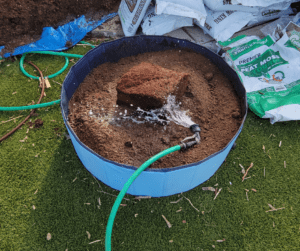
I tend to use large quantities to batch my soil-making for the season. A kiddie is perfect for this task. Make sure to break up any clumps and remove excess water before incorporating it into your soil mix.
For more about coconut coir, read: How to use coconut coir in the garden
Peat Moss
Its brownish fibrous structure and dense texture might not look like much. Not only does peat moss improve the soil’s structure, but it also helps with water retention and nutrient absorption. It’s like a sponge that keeps your plants hydrated while also providing a steady supply of minerals and nutrients.
Hoffman 15503 Canadian Sphagnum Peat Moss comes in convenient, lightweight bags.
However, peat moss can become hydrophobic if allowed to dry out. Before using it in your potting soil mix, make sure to soak it in water. It can be used in addition to or instead of coconut coir.
Fertilizer
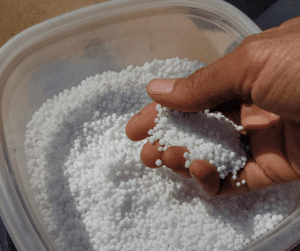
You can add bone meal, blood meal, or other organic fertilizers for a more nutrient-rich mix.
An all purpose slow release fertilizer like Espoma Organic Plant-Tone 5-3-3 Natural & Organic All Purpose Plant Food will work for most plants.
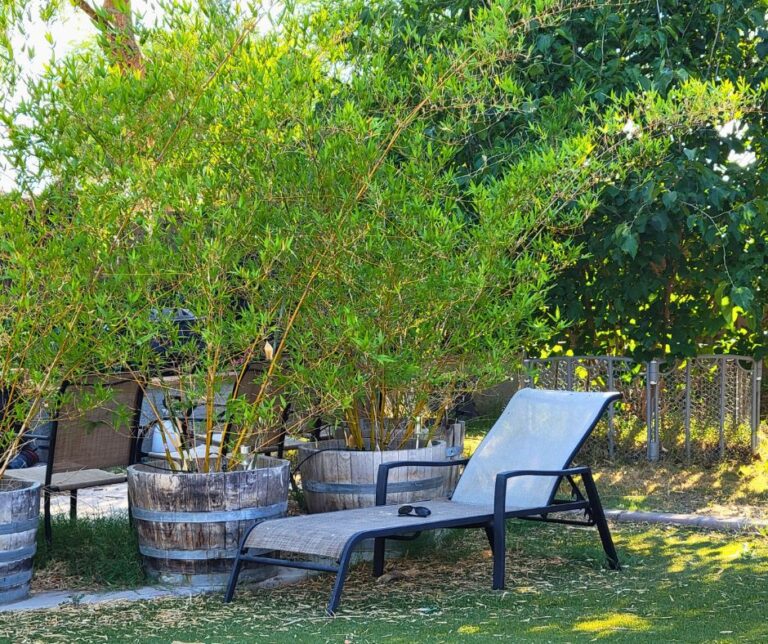
However, if fast growing hungry plants like bamboo will be going into the container, applying a high nitrogen fertilizer like Urea Fertilizer 46-0-0 as a top dressing is your best bet.
Find a list of my favorite amendments here: 7 Best Garden Soil Amendments and Fertilizers
Step-by-Step Instructions for Creating Your DIY Container Soil Mix
When gardening, having the right soil mix can make all the difference. But what makes a good potting soil recipe? The right ratio of ingredients.
For a great general-purpose potting soil mix perfect for raised beds and pots, you only need two parts compost, two parts coconut coir, and 1 part perlite. Layering each component creates better distribution and more evenly mixed soil.
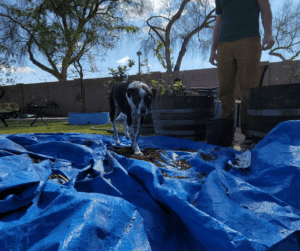
First, lay a tarp down where you want to mix your soil. This will make cleanup and mixing easy.
Spread out each ingredient in layers on the tarp like you are creating a potting soil lasagna. Since the coconut coir can tend to clump let’s split it into two layers.
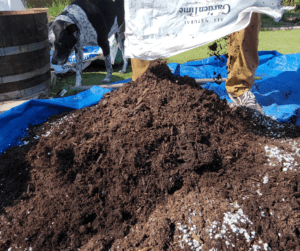
Order of ingredient layers: Mushroom compost, moist coconut coir, perlite, steer manure, moist coconut coir.
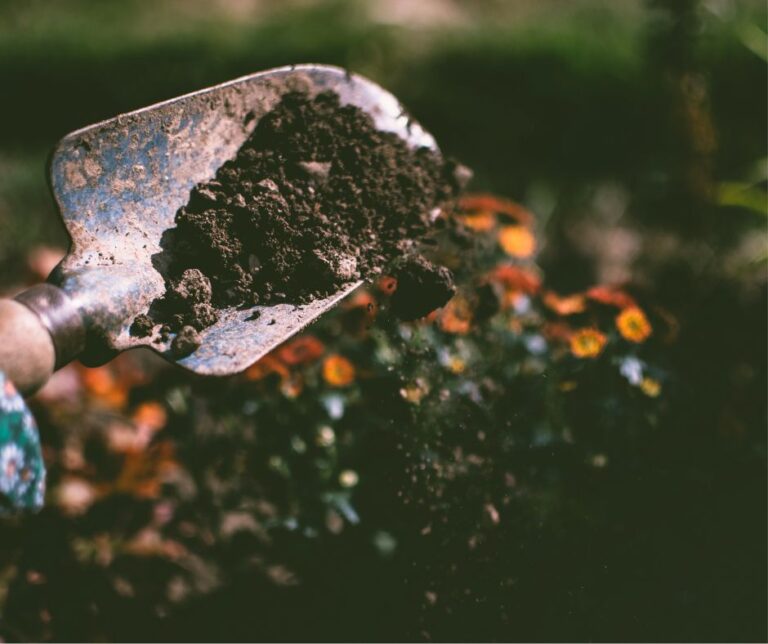
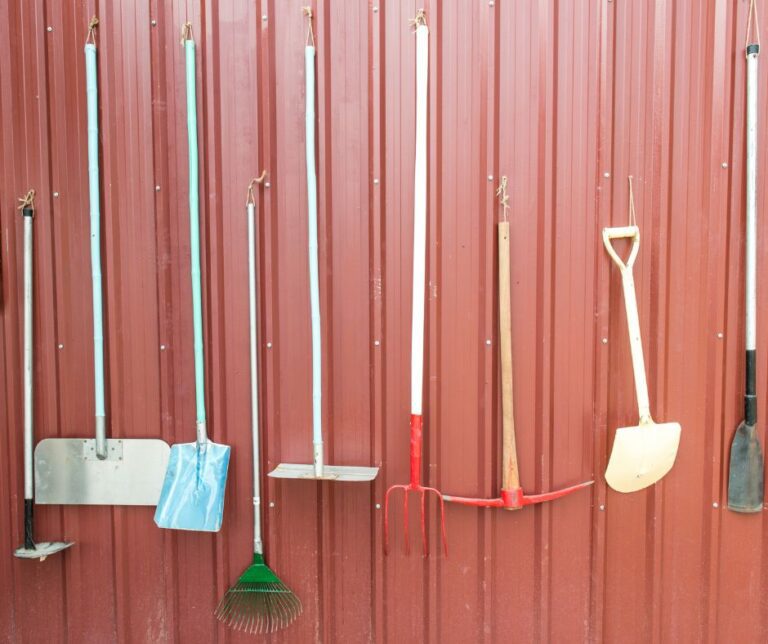
Mix with a shovel or rake on the tarp or as you transfer the fresh soil to your containers.
Water thoroughly to remove air pockets, settle the soil, and prepare it for the addition of plants.
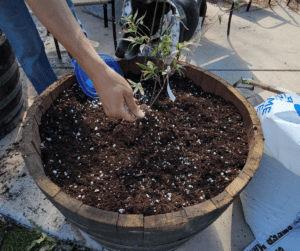
Add desired fertilizer. For large containers like raised beds, I prefer to add fertilizer as a top dressing after I add my plants.
Tips and Tricks for Getting the Most Out of Your DIY Container Soil Mix
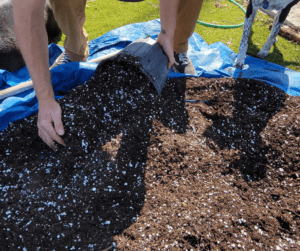
Gardeners have long known that a thriving garden begins with healthy soil. One way to give your soil a boost is by adding amendments. These can be mixed in before planting or applied as a top dressing once your plants are established.
The numerous benefits include improved drainage, increased nutrient availability, and better water retention. Plus, amendments can help balance soil pH and create a microbial environment that supports healthy plant growth.
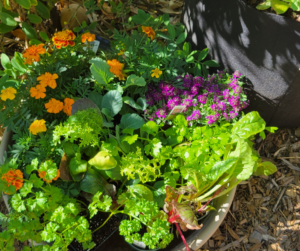
Adding a slow-release fertilizer or worm castings can make a world of difference in the health of your plants.
Find a list of my favorite amendments here: 7 Best Garden Soil Amendments and Fertilizers
And finally, don’t skimp on the watering. Container plants tend to dry out faster than their in-ground counterparts, so give them a good drink when the soil starts to feel dry.
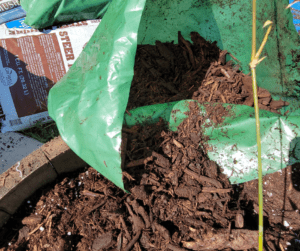
Adding a layer of mulch to containers will help the soil retain moisture longer.
For tips on keeping your plants healthy while away, read: How to keep your garden alive while on vacation
Different Potting Soil Recipes For Particular Plants and Conditions
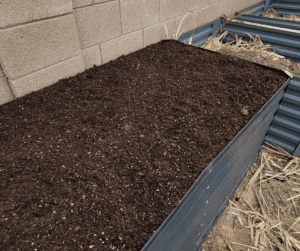
There are plenty of alternative potting soil mixes that can cater to the specific needs of your plants. A mixture of sand, perlite, and peat moss is perfect for succulents and cacti to promote drainage and prevent root rot.
Herbs and vegetables thrive in a mix of compost, perlite, and vermiculite. If you have acid-loving plants such as blueberries or azaleas, mix peat moss, perlite, sulfur, and pine bark to achieve the perfect pH level.
Adding a bag of topsoil to your potting soil mix will make a denser mix for plants that need more moisture to thrive. This will reduce drainage and help the soil retain more moisture. Reducing the number of drainage holes in your container or blocking some existing holes before filling the container will also help.
There are endless possibilities when it comes to potting soil mixes, so don’t be afraid to experiment and find what works best for your green babies.
Troubleshooting Common DIY Potting Soil Recipe Problems
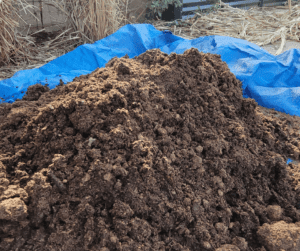
Are your plants struggling to survive? Don’t worry, it’s a common problem that even the most experienced gardeners encounter.
One issue could be that you’re not adding enough drainage material, resulting in waterlogged soil. Another culprit could be the quality and pH balance of your components. There are solutions to all these issues.
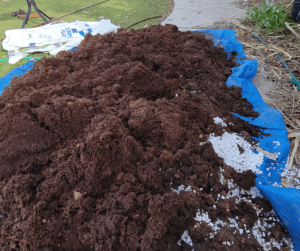
If your soil is too soggy, add more perlite or vermiculite to ensure excess water can drain. Alternatively, add more water-retaining coconut coir to your mix if your soil is drying out too fast.
If you’re looking for a natural solution to adjusting the pH, try adding limestone, wood ash, or sulfur.
With some troubleshooting and experimentation, you’ll have vibrant and healthy plants in no time.
Final Thoughts on Creating Nutrient Rich Container Soil For Your Plants
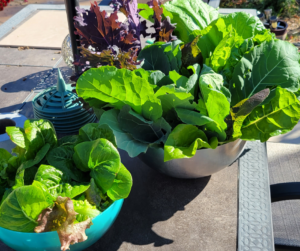
Creating a healthy and vibrant garden is truly a labor of love. It requires patience, dedication, and a whole lot of soil. Making your own nutrient-rich potting soil is a great way to ensure your plants get the best possible start in life.
Not only is it cost-effective, but it’s also incredibly rewarding to see your plants thrive in soil you’ve crafted with your own hands. By sourcing your own materials, you can ensure you use the best ingredients for your plants’ specific needs. So, go ahead and mix up a batch of your own potting soil and watch your greens flourish like never before.
Visit the Garden Resources page for supplies and inspiration. Don’t forget to subscribe to the Calendula’s Garden Newsletter for more gardening tips.
Calendula’s Garden is reader-supported. When you buy through links on our site, we may earn an affiliate commission. As an Amazon Associate, I earn from qualifying purchases. For more information, view our Disclaimer page.