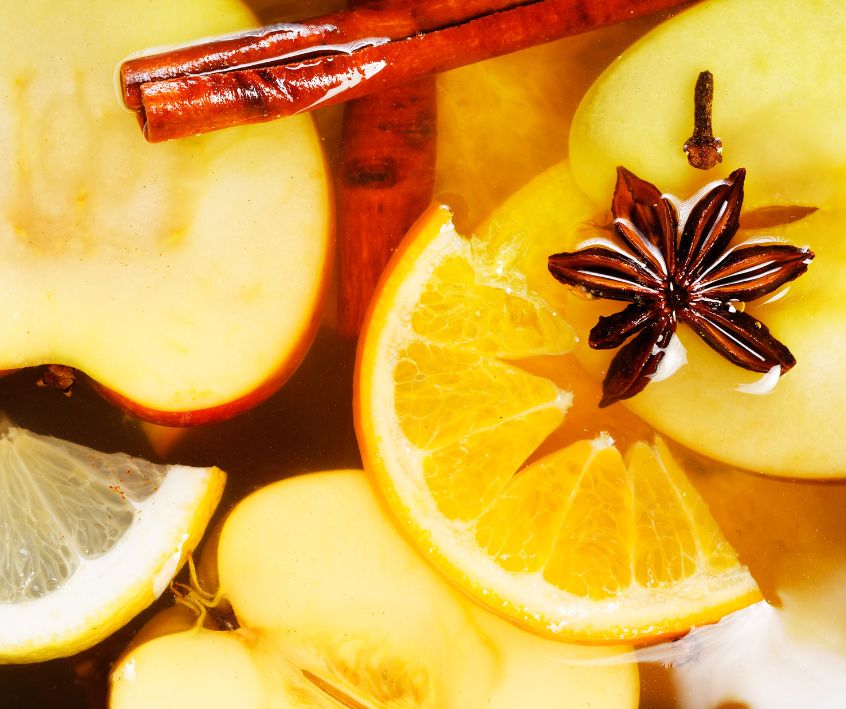
How to Make Your Home Smell Like Fall with These 5 Simmer Pot Recipes
Calendula's Garden is reader suported This post may contain affiliate links, more on our Disclaimer page. Thank you!
There is a distinct shift in the air when summer finally yields to autumn. The mornings grow crisp, the evenings arrive earlier, the garden gets tidied up, trees trimmed, and our focus turns inward to the comfort of our homes.
During this season, we naturally crave environments that feel cozy and inviting. While knitting blankets and lighting fires help set the mood, the scent of a home is arguably the most powerful way to embrace the season.
Many of us turn to scented candles or plug-in air fresheners to capture the essence of fall. However, these often come with synthetic fragrances that can be overpowering or laden with unwanted chemicals.
There is a simpler, more natural alternative that has been used for generations: the simmer pot.
By using simple ingredients found in your garden, pantry, or grocery store, such as fruit slices, woody spices, and fresh herbs, you can create a signature scent that gently permeates your living space. This method not only smells authentic but also adds moisture to the dry autumn air.
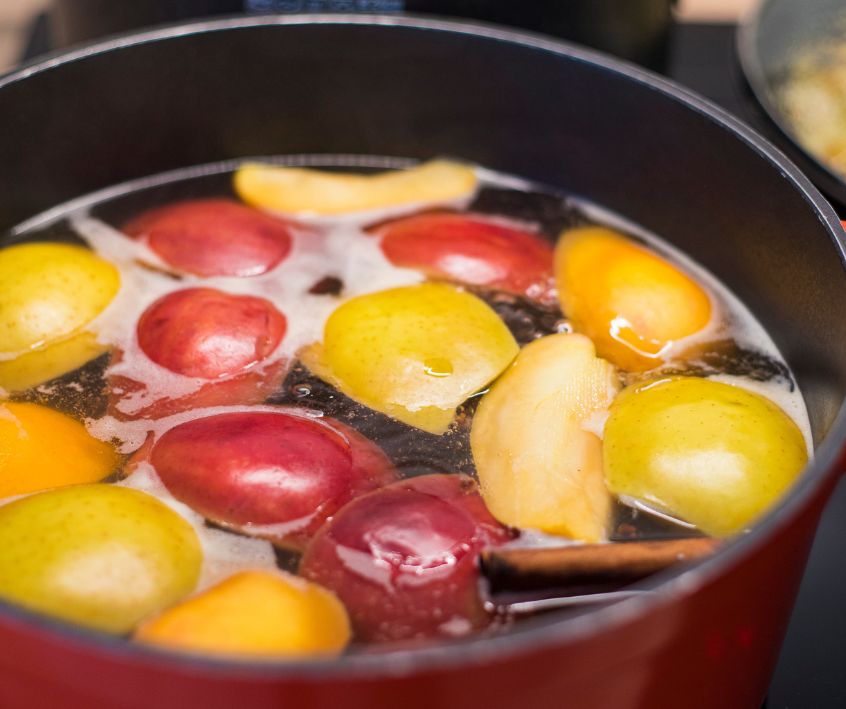
What is a Simmer Pot?
A simmer pot, sometimes referred to as stovetop potpourri, is an incredibly simple method of air aromatherapy. It involves placing aromatic ingredients into a pot of water and bringing them to a gentle simmer on the stove.
As the water heats up, it breaks down the cellular structure of the fruits, herbs, and spices, releasing their essential oils into the steam.
The benefits of choosing a simmer pot over a candle are numerous. First, it acts as a natural humidifier. As the water evaporates, it adds much-needed moisture to dry indoor air, which is beneficial for your skin and respiratory system during cooler months.
Second, it is sustainable and eco-friendly. You do not need to buy expensive essential oils or throw away glass candle jars.
Simmer pots are an excellent way to use up food scraps, such as apple peels, orange rinds, or herbs that are beginning to wilt in the fridge. The result is a customizable, non-toxic fragrance that makes your home feel warm and lived-in.
Recipe 1: Classic Apple Cinnamon
This recipe captures the quintessential aroma of autumn: an apple pie baking in the oven. It is sweet, spicy, and instantly nostalgic. The apples provide a sweet base note, while the cloves and cinnamon add a spicy depth that lingers in the air for hours.
Ingredients:
- 1 apple, sliced (or the peels from 2 apples)
- 3 cinnamon sticks
- 1 tablespoon whole cloves
- 2 strips of orange peel
- Water (enough to cover ingredients)
Instructions:
Slice the apple horizontally to reveal the star pattern in the center, which adds a nice visual touch if you are serving guests, though chopping it into chunks works just as well for scent. Place the apple slices, cinnamon sticks, cloves, and orange peel into a small saucepan or Dutch oven. Fill the pot with water until it reaches about an inch below the rim. Bring the mixture to a boil, then immediately reduce the heat to the lowest setting. Let it simmer gently.
Recipe 2: Creamy Pumpkin Spice
If you are a fan of pumpkin spice lattes, this blend brings that creamy, savory-sweet profile into your kitchen. Unlike other recipes that rely heavily on fruit, this one utilizes vanilla and nutmeg to create a scent that is rich and dessert-like.
Ingredients:
- 2 tablespoons canned pumpkin puree
- 3 cinnamon sticks
- 1 teaspoon ground nutmeg (or 1 whole nutmeg, grated)
- 1 knob of fresh ginger, sliced
- 1 tablespoon vanilla extract
- Water
Instructions:
Whisk the pumpkin puree and water together in your pot until the pumpkin is dissolved. This prevents it from burning on the bottom of the pan. Add the cinnamon sticks, nutmeg, ginger slices, and vanilla extract. Bring to a gentle simmer. The vanilla extract provides a bakery-like sweetness, while the fresh ginger cuts through the heaviness with a sharp, clean note.
Recipe 3: Cranberry Rosemary
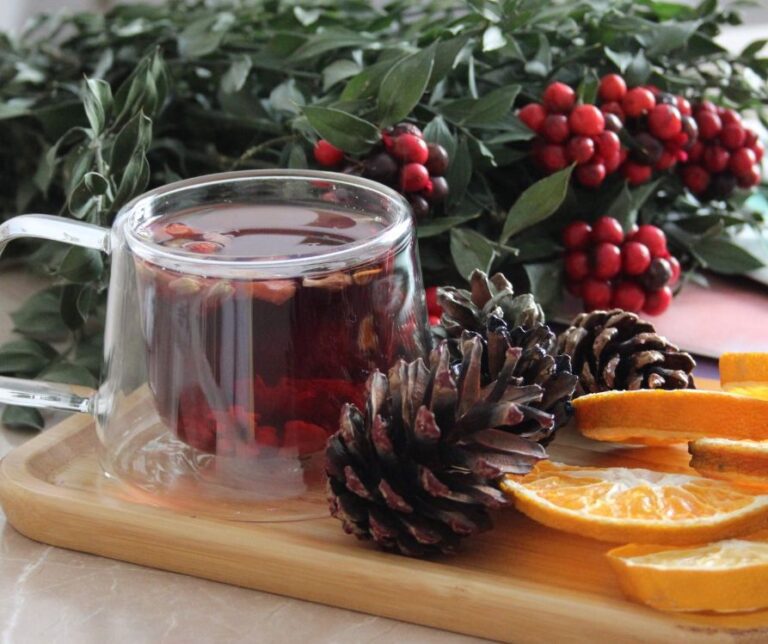
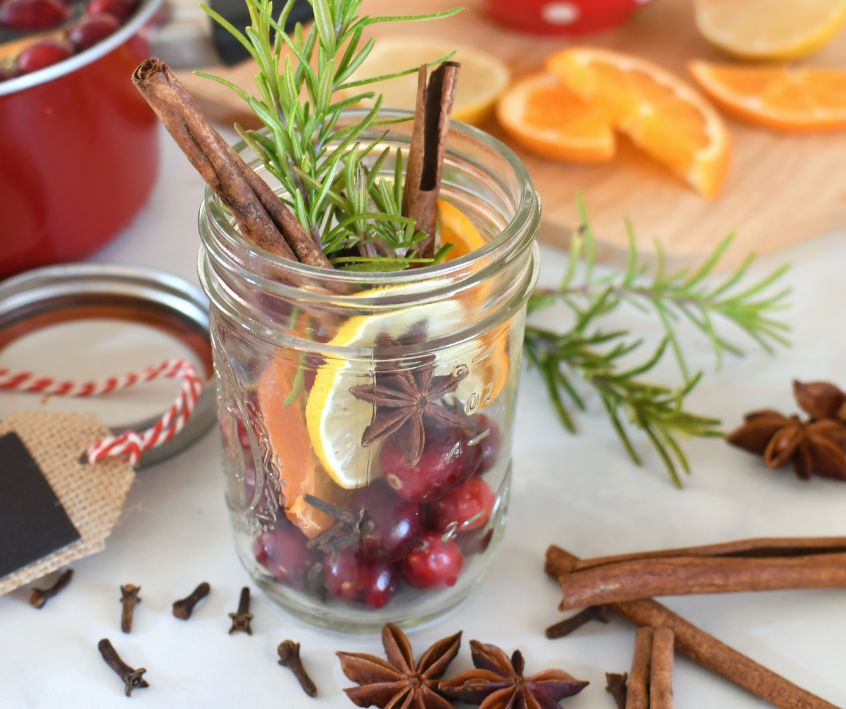
For a scent that transitions perfectly from late autumn into the holiday season, try this vibrant combination. The tartness of the cranberries pairs beautifully with the earthy, pine-like aroma of rosemary. It is a fresher, sharper scent than the previous recipes, making it ideal for brightening up a gloomy afternoon.
Ingredients:
- 1 cup fresh cranberries
- 3 sprigs of fresh rosemary
- 1 orange, sliced into rounds
- Water
Instructions:
Place the cranberries, rosemary sprigs, and orange slices in the pot and cover with water. Before turning on the heat, you might want to slightly muddle or crush a few of the cranberries to help them release their tart juices faster. Simmer on low. As the water heats, the cranberries may pop, releasing even more of their bright, fruity aroma alongside the herbaceous rosemary.
Recipe 4: Citrus Spice
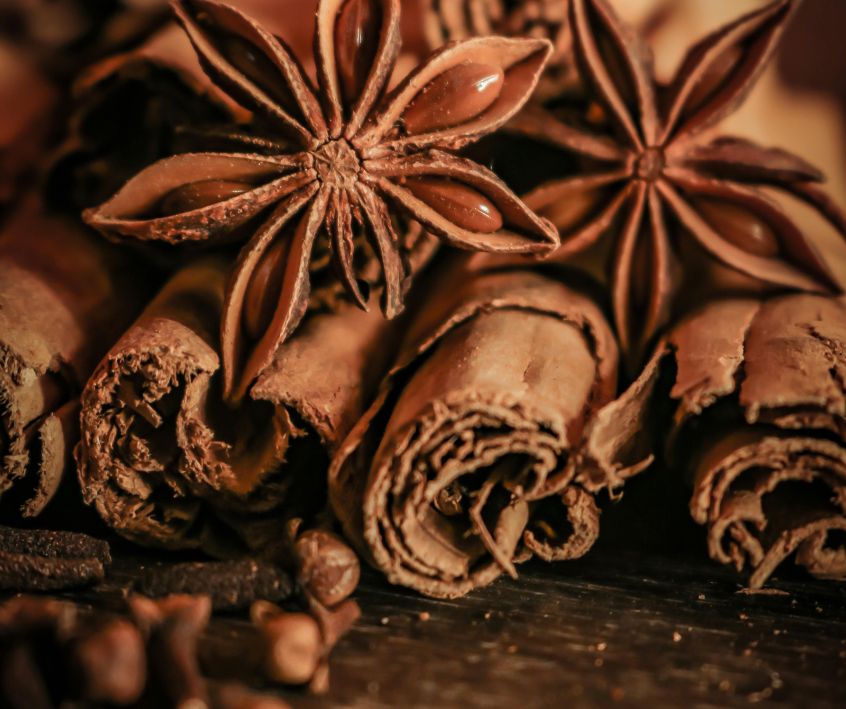
While citrus is often associated with summer, pairing it with heavy spices transforms it into a warming fall staple. This recipe uses star anise, which has a strong licorice scent that pairs exceptionally well with the acidity of lemon and orange. It is complex, zesty, and deeply aromatic.
Ingredients:
- 1 orange, sliced
- 1 lemon, sliced
- 3 whole star anise
- 1 tablespoon whole cloves
- Water
Instructions:
Layer the citrus slices in the bottom of your pot. Scatter the star anise and cloves over the top. Cover with water and bring to a simmer. The steam from this pot is particularly good for cutting through lingering cooking odors from dinner, replacing them with a clean, spicy freshness.
Recipe 5: Pine Forest
Not everyone prefers food-based scents. If you enjoy the smell of a hike through the woods on a cold day, this recipe brings the outdoors in. It is crisp, clean, and earthy, utilizing elements you might be able to forage from your own backyard.
Ingredients:
- 1 cup fresh pine needles or a small pine branch
- 2 sprigs of cedar or juniper
- 3 dried bay leaves
- Water
Instructions:
Place the pine needles, cedar sprigs, and bay leaves into the water. Simmer on low heat. The bay leaves add a subtle herbal undertone that rounds out the sharp scent of the pine. This blend is particularly relaxing and creates a spa-like atmosphere in your home, perfect for unwinding after a long week.
Tips for Simmer Pot Success
While simmer pots are difficult to mess up, a few best practices will ensure you get the most out of your ingredients and keep your home safe.
Watch the Water Level
This is the golden rule of stovetop potpourri. As the pot simmers, the water evaporates into steam. That is how the scent travels.
However, if the pot runs dry, the fruit and spices will burn, creating a smoky, charred smell that is difficult to remove. Check your pot every 30 to 45 minutes and add more hot water as needed to keep the ingredients floating.
Reuse Your Ingredients
You do not need to throw your ingredients away after one use. Once the water cools, you can transfer the contents of the pot to a glass jar and store it in the refrigerator.
The mixture will typically stay fresh for up to three days. When you are ready to use it again, simply pour it back into the pot, add fresh water, and simmer.
Choose the Right Vessel
You can use any saucepan, but a small Dutch oven or a cast-iron pot retains heat exceptionally well, allowing you to keep the burner on the lowest possible setting.
If you want to scent a room where there is no stove, you can put these same ingredients into a slow cooker (Crockpot) with the lid off. Set it to “high” initially to get the water hot, then turn it to “low” or “warm” to maintain the scent.
Crock-Pot 7-Quart Manual Slow Cooker, Family Size
Bring the Season Indoors
Creating a simmer pot is a small ritual that yields a high reward. It forces you to slow down, chop fresh ingredients, and tend to a gently bubbling pot.
Whether you prefer the sweetness of apples and cinnamon or the earthy crispness of pine, these recipes offer a non-toxic, customizable way to celebrate the season.
Next time the air turns chilly, skip the synthetic spray. Instead, grab a saucepan, fill it with water and spices, and let the natural warmth of fall fill your home.
Visit the Garden Resources page for supplies and inspiration. Don’t forget to subscribe to the Calendula’s Garden Newsletter for more gardening tips.
Calendula’s Garden is reader supported. When you buy through links on our site, we may earn an affiliate commission. As an Amazon Associate, I earn from qualifying purchases. For more information, view our Disclaimer page. Thank you!