How to Make Stove Top Potpourri with Simple Ingredients
Calendula's Garden is reader suported This post may contain affiliate links, more on our Disclaimer page. Thank you!
Scent is one of our most powerful senses, capable of triggering memories, shifting our mood, and making a space feel truly “lived in.” However, for those of us who are health conscious, achieving that signature home scent can be tricky.
Many commercial air fresheners, plug-ins, and scented candles are loaded with synthetic fragrances and chemicals.
These can trigger headaches, irritate allergies, or simply contribute to indoor air pollution. If you want a cozy home without the artificial ingredients, stovetop potpourri, often called a “simmer pot”, is the perfect solution.
This old-fashioned method uses nothing but water, fruits, herbs, and spices simmered on a low heat to release natural essential oils into the air.
It is sustainable, incredibly affordable, and customizable to whatever you have in your kitchen.
This guide will walk you through the benefits, ingredients, and simple steps to create your own natural home fragrance.

Why Choose Stovetop Potpourri?
Before we start slicing fruit, it helps to understand why this method is superior to store-bought alternatives. Beyond just smelling good, a simmer pot offers genuine benefits for your home environment and your well-being.
A Natural, Chemical-Free Clean
The primary advantage is control. You know exactly what is going into the pot. In fact, this is a perfect use for fruit and herb trimmings from your garden. There are no hidden phthalates or volatile organic compounds (VOCs) that are often found in aerosol sprays.
You are simply using the power of steam and natural oils. This makes it a fantastic option for households with pets, children, or anyone with respiratory sensitivities.
Humidifying Dry Air
If you live in a colder climate or run your air conditioning frequently, the air in your home can become dry. This can lead to dry skin and irritated sinuses.
A simmer pot acts as a small, scented humidifier. As the water gently boils, it releases moisture back into the room, making the air feel softer and more comfortable to breathe.
Aromatherapy Benefits
Since you are using real ingredients, you get real aromatherapy benefits. While synthetic lavender smells like lavender, it doesn’t offer the same calming properties as the real herb.
- Citrus scents like lemon and orange are known to be uplifting and energizing.
- Herbs like rosemary and mint can help with focus and mental clarity.
- Spices like cinnamon and clove promote feelings of warmth and comfort, which can lower stress levels.
Gathering Your Essential Ingredients

The beauty of stovetop potpourri is that it does not require a special trip to the grocery store. You can often use scraps that would otherwise go to waste. Here are the building blocks of a great scent profile.
Start with a 3-4 quart pot. Larger pots take too long to warm up, and smaller sizes evaporate liquids too fast to be effective. The Daniks Modern 4 Quart Stainless Steel Stock Pot with Glass Lid is the right size and looks nice on your stovetop.
Fresh Fruits
Citrus is the backbone of most simmer pots because the rinds are packed with potent oils. Dried Citrus works if fresh are unavailable: BlueHenry Dehydrated Orange Wheels
- Lemons: Provide a clean, sharp, and neutralizing scent. Great for clearing out cooking odors.
- Oranges: Sweet and warm. They pair perfectly with spices for a cozy vibe.
- Apples: When simmered, they release a sweet, subtle fragrance reminiscent of baking pies.
- Cranberries: While the scent is mild, they add a beautiful pop of color and a tart underlying note.
Pro Tip: You do not need to use perfect fruit. If you have an apple that’s gone soft or a lemon peel left over from cooking dinner, toss it in.
Spices
Whole spices are durable and release their scent slowly over hours of simmering.
- Cinnamon Sticks: The ultimate comfort spice. Powdered cinnamon works in a pinch, but it can make the water look muddy. Soeos Cinnamon Sticks
- Whole Cloves: Strong and earthy. A little goes a long way. True Organic Ceylon Cloves
- Star Anise: Adds a sophisticated, licorice-like note. Soeos Star Anise Seeds
- Nutmeg & Ginger: Add warmth and spice. Fresh ginger slices cut through heavy odors effectively. The Spice Way Whole Nutmeg
Fresh Herbs
Woody herbs hold up best in hot water.
- Rosemary: Piney and fresh. It smells like a clean forest.
- Thyme: Earthy and subtle.
- Mint: Refreshing and cooling.
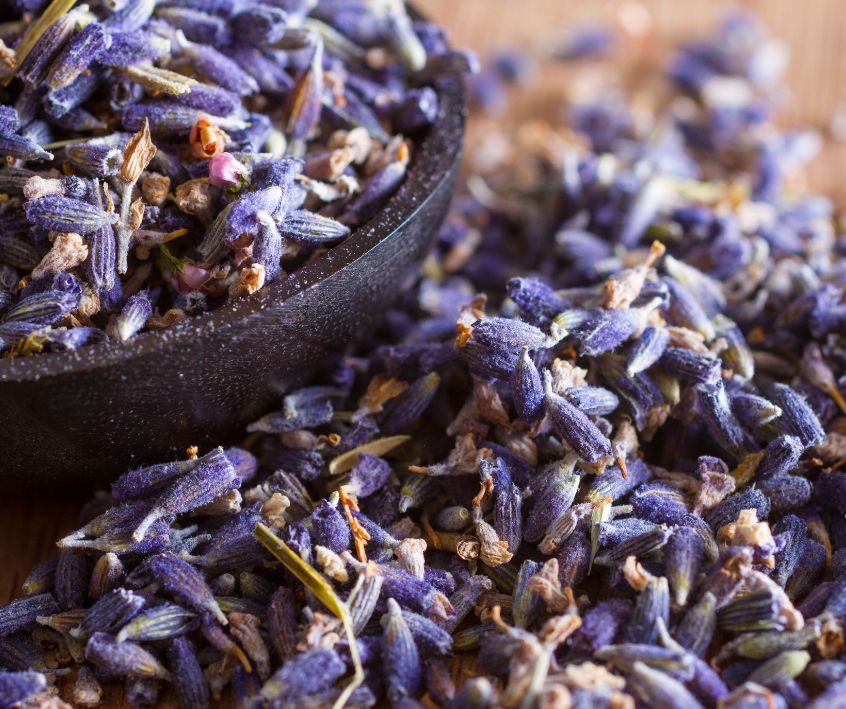
- Lavender: Floral and relaxing, though it is best to use dried buds or fresh sprigs near the end of the simmer. FGO Organic Dried Lavender Flowers
Mint plants are super easy to grow at home indoors and in patio pots. Try Bonnie Plants Sweet Mint Live Edible Aromatic Herb Plant – 4 Pack to get started. Plus, mint plants are perennial so you don’t need to buy new ones every year.
Extracts (The Boosters)
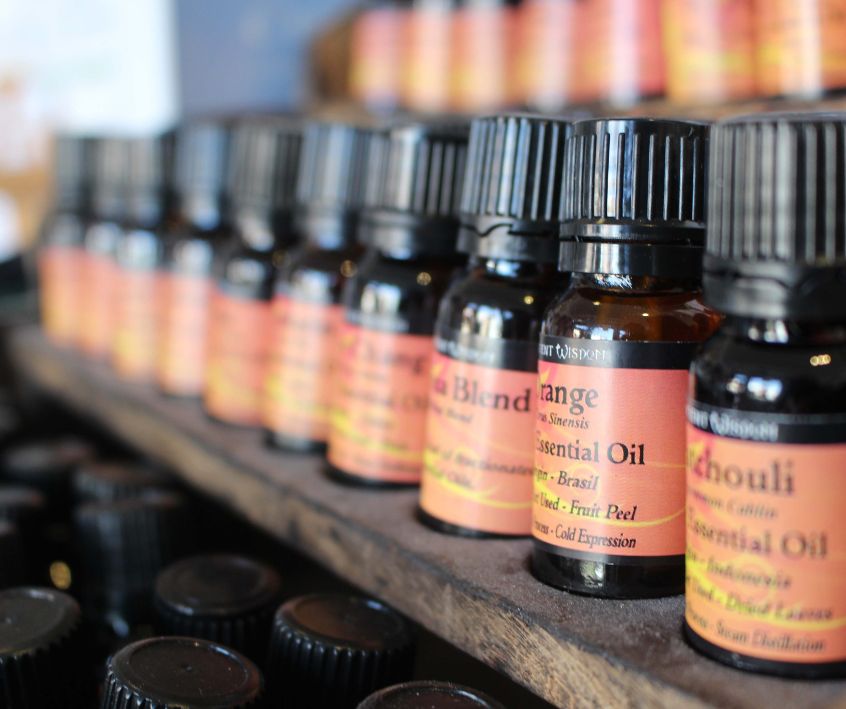
While not strictly necessary, a dash of extract can intensify the scent.
- Vanilla Extract: Adds a creamy sweetness that mimics the smell of baked goods. McCormick Vanilla Extract
- Almond Extract: A strong, sweet, cherry-like scent. Watkins Pure Almond Extract, 2 Fl Oz
- Essential Oils: You can bolster the natural ingredients with a few drops of matching essential oil (e.g., adding lemon oil to a lemon pot). PURA D’OR Organic Perfect10 Essential Oils Aromatherapy Box Set has a well rounded selection of scents.
Step-by-Step Instructions
Ready to make your house smell amazing? Here is the foolproof process.
1. Prepare Your Ingredients
Slice your chosen fruits. You don’t need to be precise here; rough slices are fine. The goal is to expose the flesh and the rind to the water. If you are using ginger, slice it into coins. For herbs, you can leave them on the stem.
2. Fill the Pot
Place your fruit, spices, and herbs into a small saucepan. Fill the pot with water until the ingredients are submerged, leaving about an inch of space at the top to prevent boiling over.
3. Bring to a Simmer
Place the pot on the stove over medium heat. Once the water begins to bubble, turn the heat down to the lowest setting. You want a very gentle simmer, not a rolling boil. The steam is the vehicle for the scent, so as long as you see wisps of steam, it’s working.
4. Monitor and Refill
This is the most critical step. As the pot simmers, the water will evaporate. You must check the pot every 30 to 45 minutes.
If the water gets too low, the ingredients will burn, and you will end up with a charred smell instead of a fresh one. Keep a cup of water nearby to top it off as needed.
Customization: 4 Recipes to Try
You can mix and match endlessly, but here are four reliable combinations for different moods and seasons.
The “Williams-Sonoma” Scent (Classic Holiday)
This is the famous scent often simmering in high-end kitchen stores. It smells like Christmas.
- 1 sliced lemon
- 2-3 sprigs of fresh rosemary
- 1 tsp vanilla extract
- 2 cinnamon sticks
The Odor Eliminator (Clean & Fresh)
Perfect for after you’ve cooked fish or something with a strong lingering smell.
- 1 sliced lime
- 1 sliced lemon
- Fresh mint leaves
- Fresh sliced ginger
- 1 tsp thyme
The Autumn Cozy (Warm & Sweet)
Use this on a rainy Sunday or when you have guests coming over.
- 1 sliced apple
- 1 sliced orange
- 2 cinnamon sticks
- 1 tbsp whole cloves
- 1 star anise
The Spa Day (Relaxing)
A lighter, more floral blend for winding down in the evening.
- 1/2 sliced grapefruit
- Dried or fresh lavender buds
- 1 sprig eucalyptus (optional)
- 1 tsp almond extract
Safety Guidelines

While stovetop potpourri is natural and safe, it still involves a hot stove. Keep these precautions in mind:
- Never leave it unattended: If you are leaving the house, turn the burner off.
- Set a timer: It is easy to forget about the pot while you are working or relaxing. Set a timer on your phone for every 30 minutes to remind you to check the water level.
- Use the right size pot: A heavy-bottomed saucepan is best as it distributes heat evenly.
- Disposal: Once you are done (usually after 2–3 uses, or when the ingredients look mushy), strain the liquid down the sink. Compost the solid fruit and herb pieces. Do not put large fruit chunks down your garbage disposal.
A Simple Ritual for a Happy Home
Making stovetop potpourri is a small act of self-care. It forces you to slow down, engage your senses, and tend to your environment.
In a world full of artificial inputs, returning to simple ingredients like lemon, rosemary, and water feels grounding.
Read more about how scents are tied to our memories from the Cleveland Clinic: Scent and Sensibility: The Link Between Smell and Memory
Next time you are cleaning the kitchen or prepping for a cozy night in, grab a saucepan and see what leftover fruit you have. It’s an easy, low-waste way to transform the atmosphere of your home.
We would love to hear what combinations you come up with. Do you prefer spicy autumn scents or bright citrus blends? Share your favorite recipes with us on social media!
Visit the Garden Resources page for supplies and inspiration. Don’t forget to subscribe to the Calendula’s Garden Newsletter for more gardening tips.
Calendula’s Garden is reader supported. When you buy through links on our site, we may earn an affiliate commission. As an Amazon Associate, I earn from qualifying purchases. For more information, view our Disclaimer page. Thank you!