How to Make Homemade Potpourri with Ingredients You Already Have
Calendula's Garden is reader suported This post may contain affiliate links, more on our Disclaimer page. Thank you!
Walking into a home that smells wonderful immediately lifts one’s mood and releases stress. Scent is strongly improved by memory, capable of transporting us back to holiday gatherings or sunny afternoons in the garden.
While store shelves are lined with aerosol sprays and plug-in fresheners, these commercial options often carry a chemical undertone or an overpowering synthetic sweetness. They can also be surprisingly expensive for something that eventually evaporates into thin air.
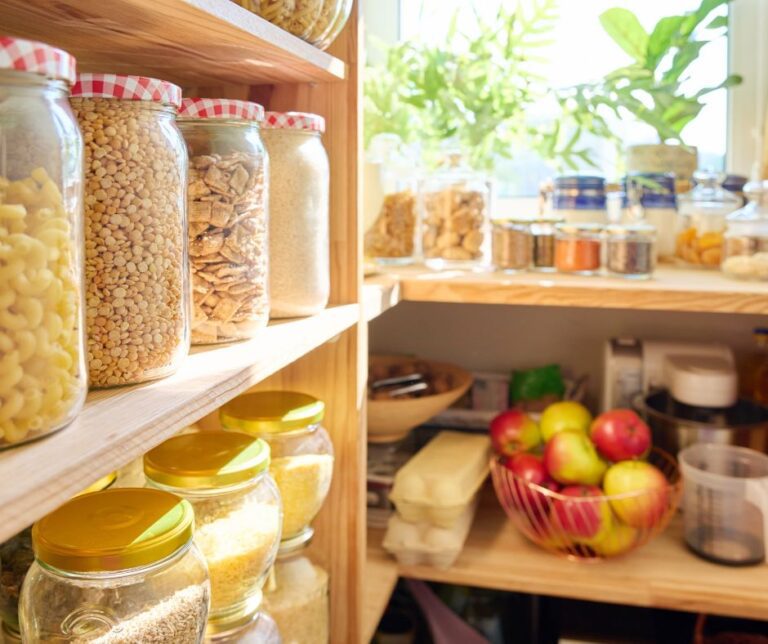
The alternative lies in the simpler, slower art of homemade potpourri. You likely already have the ingredients sitting in your fruit bowl, hiding in your spice rack, or growing in your backyard.
Making your own home fragrance is a sustainable way to reduce waste, saving orange peels and fading flowers from the compost bin. It allows you to customize a signature scent that is completely natural and uniquely yours.
This guide will walk you through sourcing ingredients from your own home, the drying process, and how to assemble a beautiful, fragrant display without spending a dime.
The Two Types of Potpourri
Before gathering your materials, it is helpful to decide which method suits your needs. There are two primary ways to create home fragrance with natural items: dry potpourri and stovetop potpourri.
Stovetop potpourri
Often called a simmer pot, provides instant gratification. You simply place fresh ingredients, like lemon slices, rosemary sprigs, and vanilla, into a pot of water and simmer it on the stove.
The steam carries the scent through the house immediately. This is excellent for parties or cleaning days, but it only lasts as long as the water simmers.
Dry potpourri
Is the traditional method. It involves removing moisture from botanicals so they last for months or even years.
This method requires a bit of patience upfront for the drying process, but the result is a lasting decorative element that subtly scents a room around the clock. The rest of this guide focuses primarily on this long-lasting dry method.
Foraging for Ingredients
You do not need to visit a craft store to find beautiful botanicals. Start by looking at what you usually throw away or overlook.
In the Kitchen
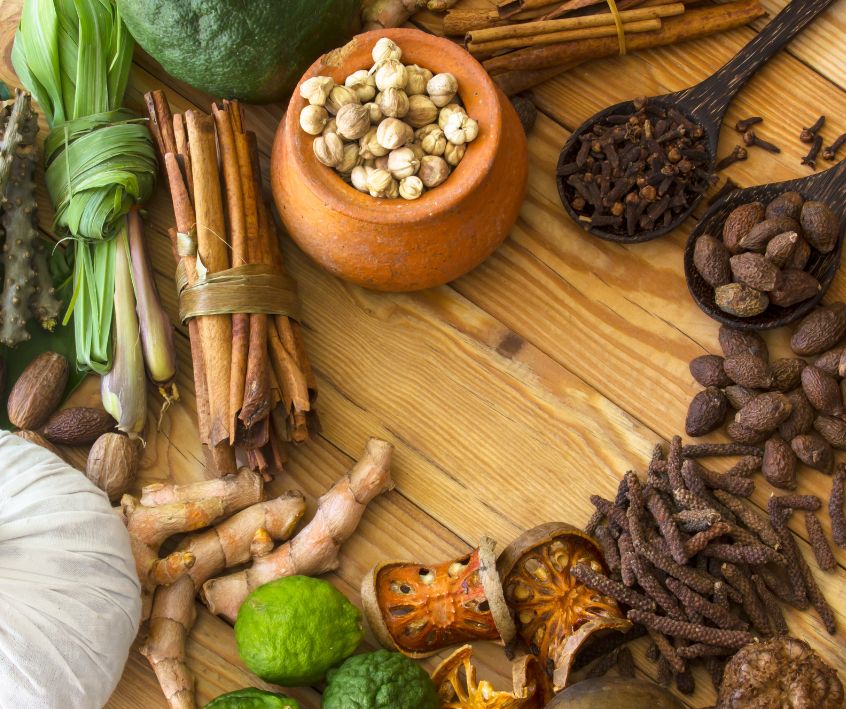
The kitchen is a goldmine for potent aromatics.
Citrus Peels
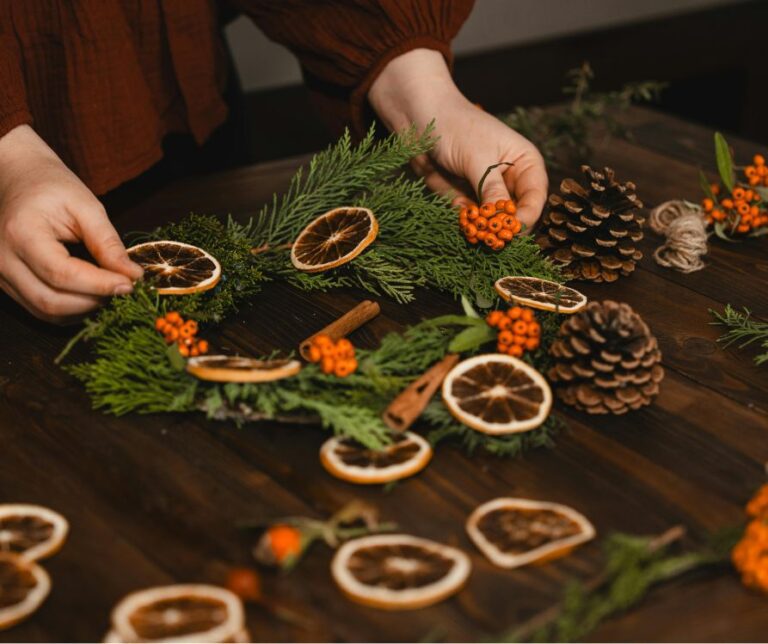
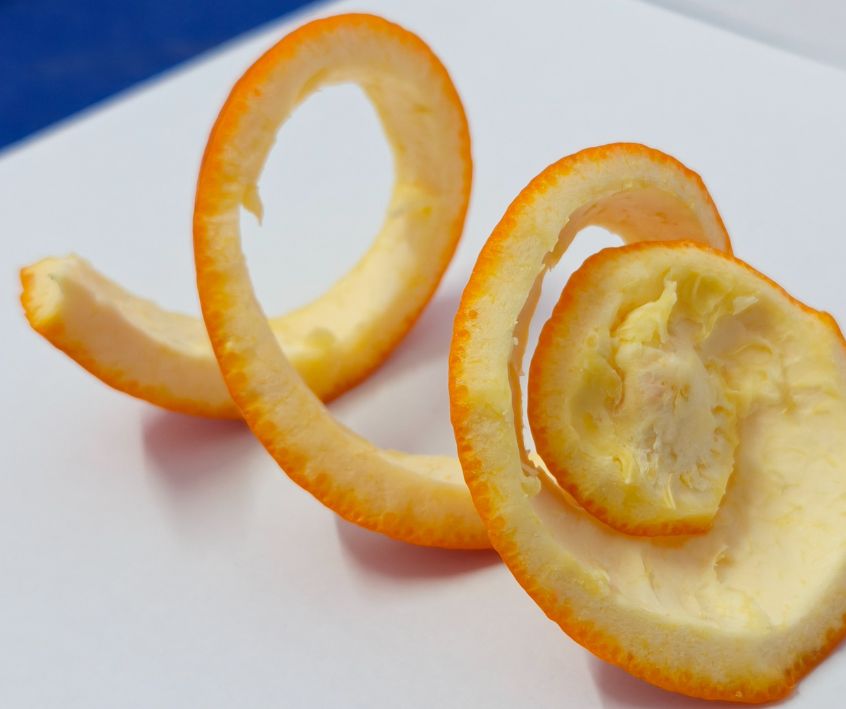
Never toss a lemon, orange, or grapefruit peel. The oils in the skin are where the strongest scent lives. You can dry strips of peel or slice the fruit into thin rounds for a visually pleasing addition.
Spices
Whole spices are visually interesting and incredibly fragrant. Look for cinnamon sticks, whole cloves, star anise, cardamom pods, and nutmeg. Even expired spices that have lost their flavor for cooking often still possess enough aroma for potpourri.
Herbs
Woody herbs hold their scent best when dried. Rosemary, thyme, sage, and bay leaves are excellent staples.
Fruit
Thin slices of apple or pear dry down into lovely, rustic shapes.
In the Garden
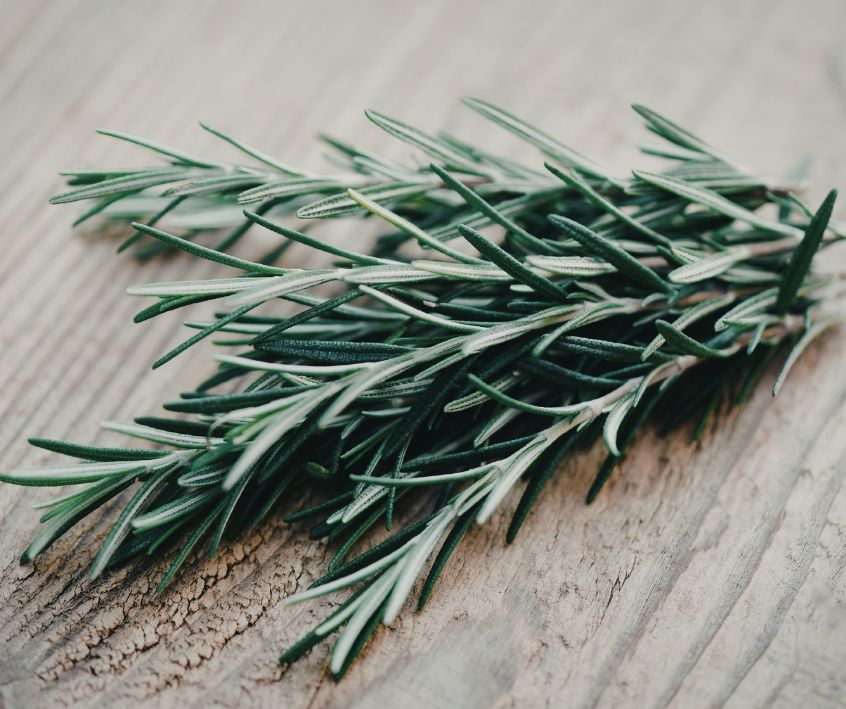
If you have access to outdoor space, look for texture and color.
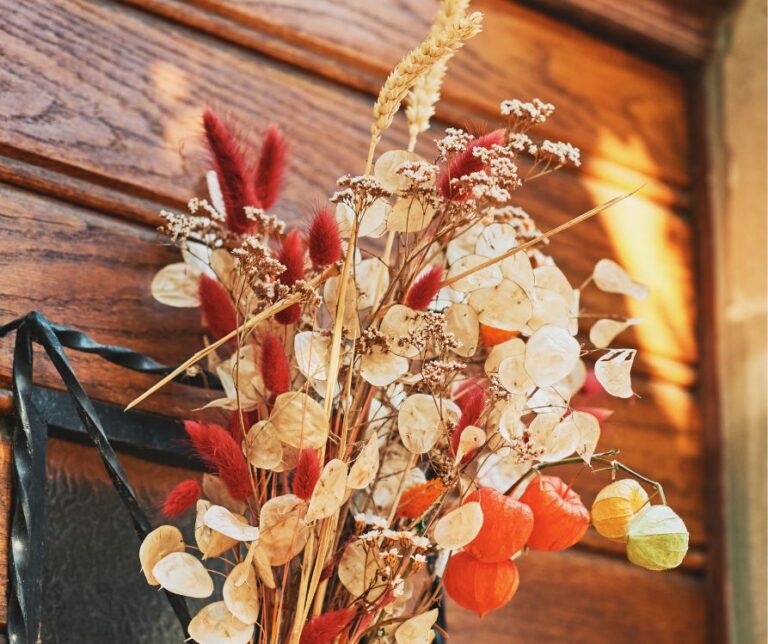
- Flowers: Rose petals are the classic choice, but marigolds, lavender, geraniums, and hydrangeas also dry beautifully.
- Greenery: Eucalyptus leaves, pine needles, and cedar clippings add a fresh, forest-like base note.
- Texture: Look for small pinecones, acorns, or interesting seed pods to add bulk and visual variety to your bowl.
The Drying Process
Moisture is the enemy of dry potpourri. If your ingredients are not completely dry, they will mold. You can dry your materials using two main methods.
The Oven Method
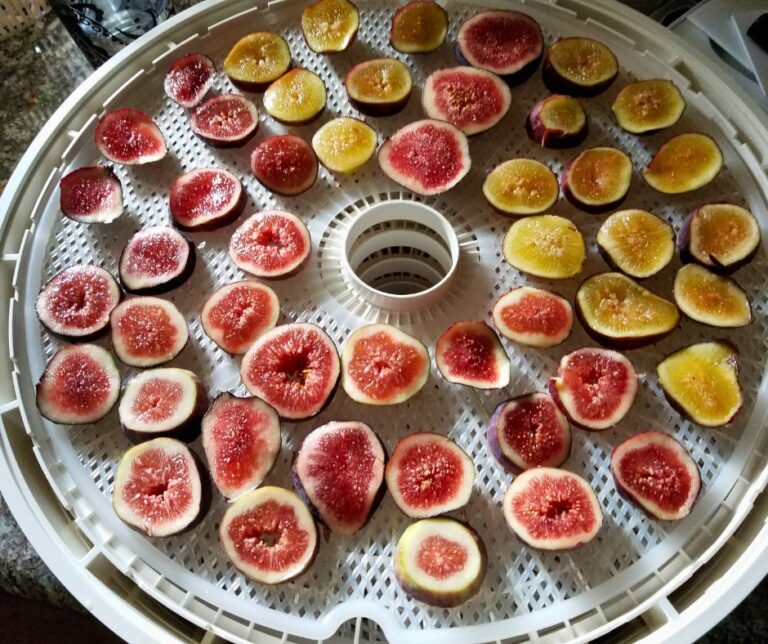
This is the fastest way to prepare your ingredients, particularly for high-moisture items like citrus slices and apples.
- Preheat your oven to its lowest setting (usually between 170°F and 200°F).
- Slice fruits thinly and evenly.
- Arrange flowers, herbs, and fruit slices in a single layer on a parchment-lined baking sheet.
- Bake for two to four hours. Check them every 30 minutes to ensure they don’t burn.
- They are done when the fruit is leathery or brittle and flowers crumble slightly when touched.
The COSORI Food Dehydrator is pretty versatile. It’s great for jerky, dog treats, herbs, meat, fruit, and yogurt. It’s made of stainless steel and has produced consistent results for all of my drying projects.
The Air-Dry Method
This method requires zero energy but takes several days to a week.
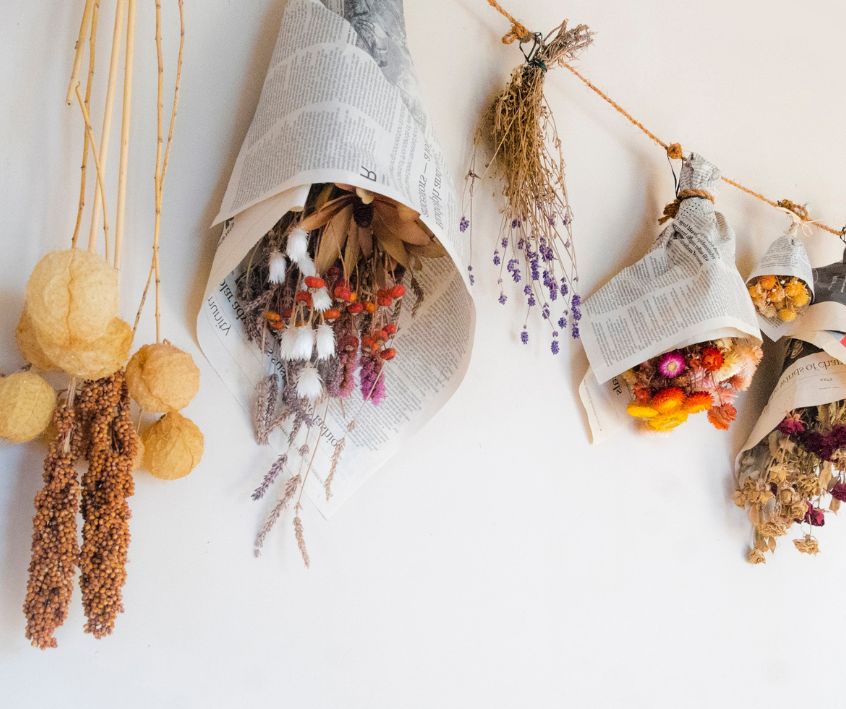
- For Herbs: Tie stems in small bundles and hang them upside down in a warm, dry, and dark place.
- For Flower Petals and Peels: Lay them out on a mesh screen, a bamboo mat, or paper towels. Keep them in a well-ventilated area away from direct sunlight, which can bleach the colors.
- Rotate the items daily to ensure even airflow until they are crisp.
Assembling Your Mix
Once your botanical treasures are dried, the assembly process begins. This is where you become a perfumer.
The Fixative (Optional but Recommended)
In professional potpourri making, a “fixative” is used to absorb essential oils and release them slowly, making the scent last longer.
Orris root powder (from the iris plant) is the most common fixative. If you want your potpourri to last for months, tossing your dry mix with a teaspoon of orris root powder is helpful.
Organic Orris Root Powder | 100% Pure & Natural
However, if you are making a casual batch for the season, you can skip this step and simply refresh the scent more often.
Adding Essential Oils
While dried flowers and peels have a natural scent, it is usually faint. To get that room-filling aroma, you will need to boost the mixture with essential oils.
- Place your dried botanicals in a large jar or sealable bag.
- Add 10 to 20 drops of essential oils that complement your ingredients. (See recipes below for ideas).
- Seal the container and shake gently.
- The Curing Phase: Leave the jar sealed for at least two weeks, shaking it occasionally. This allows the oils to permeate the dried items fully.
Lagunamoon Top 20 Essential Oils Set
Three Simple Recipes
If you are unsure which scents pair well together, try these reliable combinations.
1. The Cozy Kitchen
This warm, spicy mix mimics the smell of baking.
- Dry Ingredients: Dried orange slices, apple rings, cinnamon sticks, star anise, dried ginger root.
- Essential Oils: Cinnamon, sweet orange, clove.
2. The English Garden
A floral, relaxing blend perfect for bedrooms or bathrooms.
- Dry Ingredients: Dried rose petals, lavender buds, dried lemon peel, and chamomile flowers.
- Essential Oils: Lavender, rose geranium, bergamot.
3. The Forest Walk
Fresh and grounding, this mix works well in living areas.
- Dry Ingredients: Small pinecones, cedar clippings, dried juniper berries, dried sage leaves.
- Essential Oils: Pine, cedarwood, eucalyptus.
Frequently Asked Questions

How long does homemade potpourri last?
A well made batch of dried potpourri using a fixative can hold its scent for two to three months. Without a fixative, the scent may fade after a few weeks. However, the dried botanicals themselves can last for years as decoration.
How do I refresh the scent when it fades?
You do not need to throw it away. Transfer the potpourri back into a sealable bag or jar. Add a few fresh drops of essential oil, shake it up, and let it sit for a day or two to re-absorb the fragrance.
Is potpourri safe for pets?
This depends entirely on the ingredients. Many common essential oils and plants (like lilies, eucalyptus, and citrus oils) can be toxic to cats and dogs if ingested or even inhaled in high concentrations. Always research the specific plants and oils you are using if you have pets, and keep open bowls out of their reach.
Bringing Nature Indoors
Making potpourri is a practice in mindfulness. It encourages you to notice the smell of the lemon you are peeling or the shape of the pinecone on your driveway. By preserving these small pieces of nature, you create a home environment that feels grounded and authentic.
Start saving your scraps today. That next orange peel or fading bouquet of flowers could be the start of your home’s new signature scent.
Visit the Garden Resources page for supplies and inspiration. Don’t forget to subscribe to the Calendula’s Garden Newsletter for more gardening tips.
Calendula’s Garden is reader supported. When you buy through links on our site, we may earn an affiliate commission. As an Amazon Associate, I earn from qualifying purchases. For more information, view our Disclaimer page. Thank you!