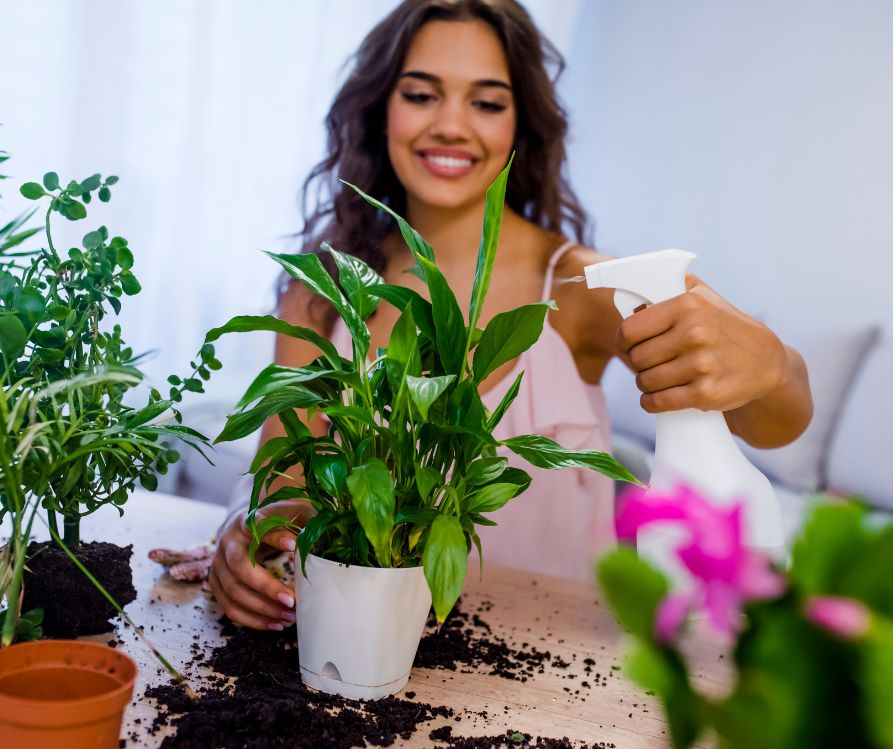
How to Keep Indoor Plants Alive This Winter
Calendula's Garden is reader suported This post may contain affiliate links, more on our Disclaimer page. Thank you!
As the days get shorter and a chill settles in the air, you might notice your indoor plants looking a little less lively. Winter can be a tough time for our green friends.
The reduced sunlight, dry indoor air, and fluctuating temperatures create a challenging environment that’s a world away from the bright, humid conditions most houseplants love.
If you’re a new plant parent, you might be worried about how to help your leafy companions survive the colder months. Even seasoned plant enthusiasts can find winter care tricky.
The good news is that with a few simple adjustments to your routine, you can ensure your indoor garden not only survives but continues to bring you joy all winter long. This guide will walk you through everything you need to know, from watering schedules to pest control, to keep your plants healthy and happy until spring returns.
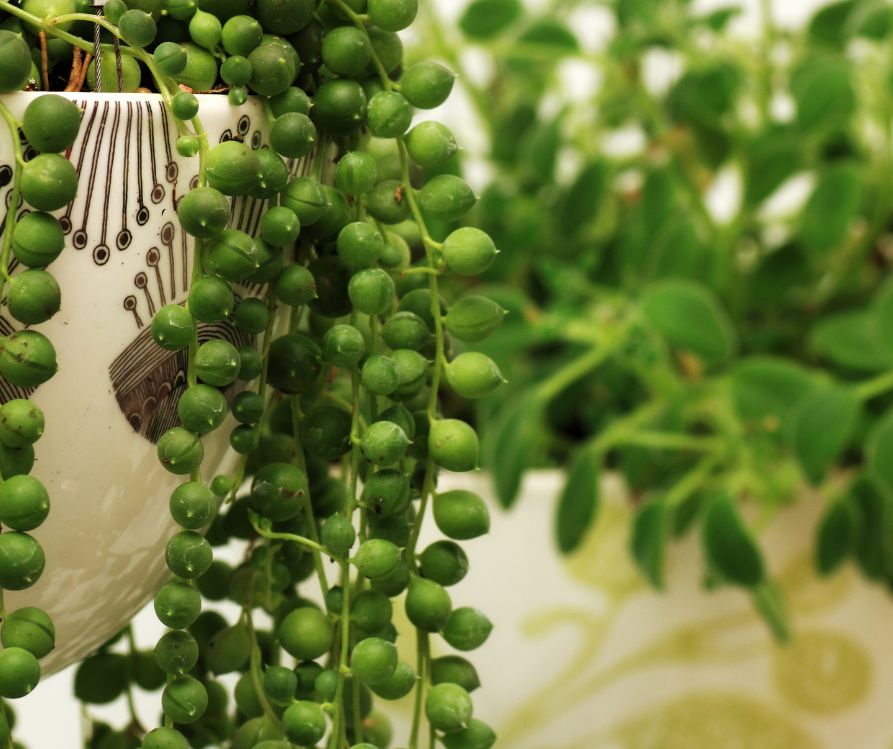
Adjust Your Watering Habits
One of the most common mistakes plant owners make in winter is overwatering. During the colder months, most indoor plants enter a period of dormancy, which means their growth slows down significantly.
Because they aren’t actively growing, they don’t need as much water as they do in spring and summer.
So, how do you know when to water? The best method is to check the soil. Instead of sticking to a rigid weekly schedule, push your finger about an inch or two into the soil.
If it feels dry at that depth, it’s time to water. If it’s still damp, hold off for a few more days. For most plants, this might mean watering every two to three weeks instead of every week.
When you do water, do it thoroughly. Pour water over the soil until it starts to drain from the bottom of the pot. This ensures the entire root system gets a good drink.
Just be sure to empty any excess water from the saucer afterward so the plant isn’t left sitting in a puddle, which can lead to root rot.
Maximize Light Exposure
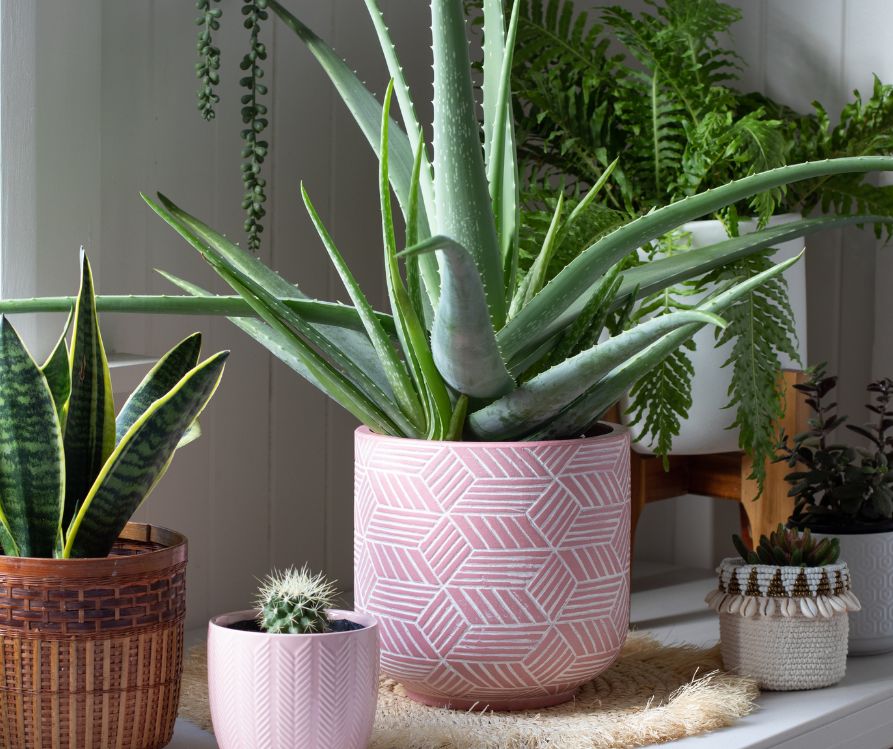
Sunlight is plant food, and it’s in short supply during winter. The days are shorter, and the sun’s angle is lower, meaning less intense light reaches your windows.
To help your plants get the light they need, you may need to play a bit of musical chairs with their placement.
Start by identifying the sunniest spots in your home. South-facing windows typically receive the most direct sunlight, making them prime real estate for sun-loving plants like succulents and cacti.
East-facing windows get gentle morning sun, which is great for plants like ferns and calatheas that can’t handle intense light. West-facing windows provide strong afternoon sun.
Consider moving your plants closer to windows, but be careful not to let their leaves touch the cold glass, as this can cause damage. It’s also a good idea to rotate your plants every week or so to ensure all sides get some light exposure.
Big Leaf Energy (16 FL OZ) Organic Neem Oil Spray for Plants + Essential Oils
Don’t forget to wipe down your windows and your plants’ leaves regularly; a clean surface allows for maximum light absorption. If you have low-light areas or particularly light-hungry plants, a grow light can be a fantastic investment to supplement natural sunlight.
Manage Temperature and Humidity
Most houseplants are tropical natives, meaning they prefer warm, humid conditions. Unfortunately, winter homes are often the opposite: dry and prone to temperature swings.
Central heating systems, while cozy for us, can suck the moisture out of the air, leaving humidity levels far too low for many plants.
To combat this, you can increase the humidity around your plants in a few ways:
Group Them Together
Plants naturally release moisture through a process called transpiration. By clustering them, you can create a more humid micro-environment.
Use a Humidifier
Placing a small humidifier near your plants is one of the most effective ways to boost moisture in the air.
Dreo Humidifiers for Bedroom, 4L Top Fill for Large Room
Try a Pebble Tray
Fill a tray with pebbles and water, then set your plant pot on top. As the water evaporates, it will increase the humidity around the plant. Make sure the bottom of the pot isn’t sitting directly in the water.
Misting
While misting provides a temporary boost, it’s often not enough to make a significant difference on its own. However, it can be a nice supplement to other methods.
Temperature is another factor to watch. Keep your plants away from drafts, such as those from leaky windows or frequently opened doors.
Also, avoid placing them too close to heat sources like radiators or vents, which can cause them to dry out quickly and may even scorch their leaves. A stable temperature between 65-75°F (18-24°C) is ideal for most indoor plants.
Hold Off on the Fertilizer
Since most plants are dormant in the winter, they don’t need the extra nutrients that fertilizer provides. Fertilizing during this rest period can do more harm than good, as the unused salts can build up in the soil and damage the roots.
It’s best to stop fertilizing your plants in the fall and wait until you see signs of new growth in the spring, which is usually around March or April.
When you do start fertilizing again, begin with a half-strength solution to gently ease your plants back into their growing season.
Watch Out for Winter Pests
Indoor pests can become a bigger problem in winter. The dry air creates a welcoming environment for pests like spider mites, while the stress of the season can make plants more vulnerable to infestations.
Regularly inspect your plants for any signs of trouble. Check the undersides of leaves, the stems, and the soil for common pests like spider mites, mealybugs, and scale.
If you spot an infestation, act quickly to contain it. Isolate the affected plant to prevent the pests from spreading to others.
Mighty Mint Peppermint Plant Protection Spray for Insects, Gnats, Fungus, Mites, and Disease
For many common pests, a simple solution of neem oil or insecticidal soap can be effective. Wiping the leaves down with a damp cloth can also help remove pests and their eggs.
Enjoy Your Indoor Oasis
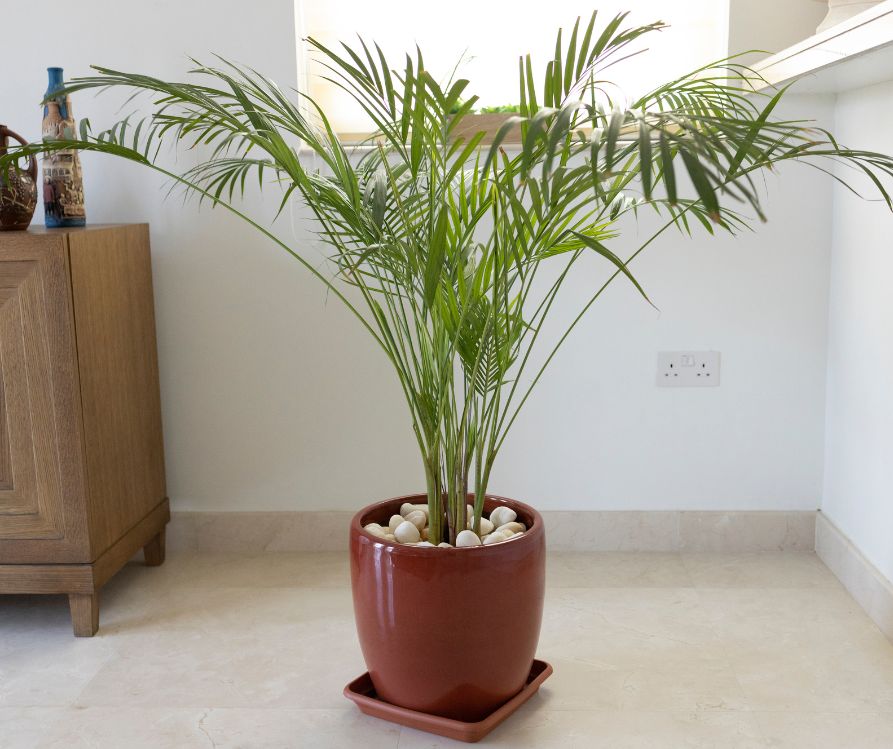
Caring for indoor plants during the winter might require a little extra attention, but it doesn’t have to be a struggle. By adjusting your watering routine, optimizing light, managing humidity, and keeping an eye out for pests, you can create a stable and nurturing environment for your green companions.
Watching your plants thrive through the coldest, darkest months can be incredibly rewarding. They purify the air, boost your mood, and bring a touch of vibrant life to your home when the world outside is gray.
So, embrace the seasonal shift, adapt your care routine, and enjoy the beauty of your indoor garden all winter long.
Visit the Garden Resources page for supplies and inspiration. Don’t forget to subscribe to the Calendula’s Garden Newsletter for more gardening tips.
Calendula’s Garden is reader supported. When you buy through links on our site, we may earn an affiliate commission. As an Amazon Associate, I earn from qualifying purchases. For more information, view our Disclaimer page. Thank you!