How to Help Skin Recover After Heat and Sun Exposure This Summer
Calendula's Garden is reader suported This post may contain affiliate links, more on our Disclaimer page. Thank you!
A little extra sun can sneak up on you fast in summer. One long walk, an afternoon by the pool, or a backyard hang that runs later than planned, and suddenly your skin feels hot, tight, red, and not at all pleased with you.
The good news is that after-sun care does not need to be complicated. When skin feels stressed from heat or sun exposure, the best approach is usually the simplest one.
You want to cool things down, add back moisture, and avoid making irritated skin work any harder than it already is.
This guide walks you through what to do after too much summer sun or heat, which ingredients can help skin feel more comfortable, and which habits are worth skipping while your skin recovers. If your skin is feeling cranky, you are in the right place.

Why Skin Feels Worse After Too Much Sun or Heat
Skin often does not peak in irritation the second you come indoors. In many cases, it feels worse a few hours later. That is part of what makes summer skin stress so frustrating.
Sun and heat can leave skin dealing with several things at once:
- redness
- dryness
- tightness
- tenderness
- dehydration
- a warm or burning feeling
- irritation from sweat and friction
Heat can also make you sweat more, which sounds harmless until sweat mixes with sunscreen, salt, sand, or tight clothing. That combination can leave skin feeling even more uncomfortable.
In short, after-sun care is not just about visible redness. It is about helping stressed skin settle down and hold onto moisture again.
First steps: what to do right away

If your skin feels overheated, irritated, or extra dry after time outside, start with the basics. Think calm, cool, and gentle.
Get out of the sun
This sounds obvious, but it matters. If skin is already irritated, more sun exposure is only going to add to the problem.
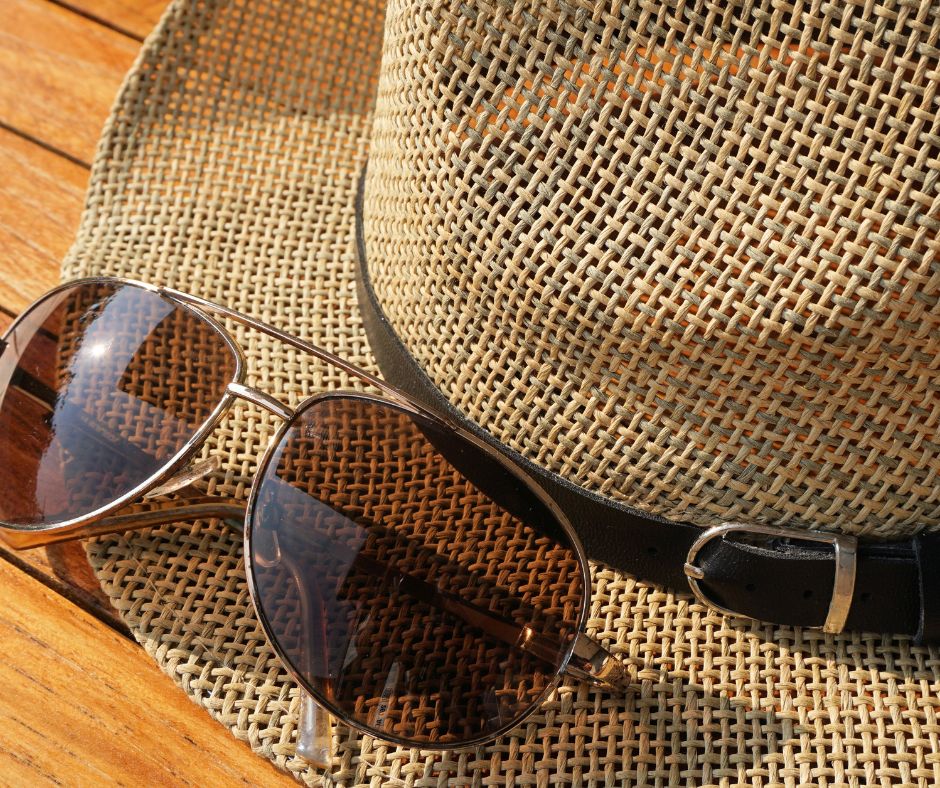
Move indoors or into full shade as soon as you can. If you still need to be outside, cover up with lightweight clothing, a hat, and other physical protection.
Cool the skin gently
Cooling the skin can help it feel more comfortable, but gentle is the key word here.
Try:
- a cool shower
- a cool compress
- rinsing skin with cool, not icy, water
- sitting in a cooler room or under a fan
Very cold water or ice can feel tempting, but extreme temperatures may make stressed skin feel worse. Your skin needs relief, not a dramatic plot twist.
DIY Personal and Home Cooling Solutions for Hot Days
Drink water
After time in the heat, your body and your skin can both feel depleted.
Drinking water will not replace your moisturizer, but it can support your overall comfort and hydration after a hot day outside.
Protect Yourself from Heatstroke and Sunburn this Summer
If you have been sweating a lot, steady hydration matters even more.
Keep your hands off irritated skin
It is tempting to poke, rub, scratch, or check whether your skin still feels hot every six minutes. Try not to. Friction can add to irritation, especially when skin is already tender.
A simple after-sun skincare routine
When your skin feels stressed, this is not the time for a long routine. Keep it short and soothing.
Step 1: Cleanse gently
If you need to wash your face or body, use a gentle cleanser that does not leave skin feeling stripped.
Look for:
- fragrance-free formulas
- cream or gentle gel cleansers
- products made for sensitive skin
Avoid harsh scrubs, strong foaming cleansers, or anything that leaves your skin squeaky. Squeaky is for clean plates, not irritated skin.
If your skin does not feel dirty, a cool rinse may be enough at first.
Step 2: Apply soothing hydration
Once skin is clean, focus on adding light hydration. This helps with that dry, tight feeling that often shows up after sun and heat exposure.
Helpful product textures include:
- lightweight lotions
- gel creams
- soothing serums
- fragrance-free moisturizers
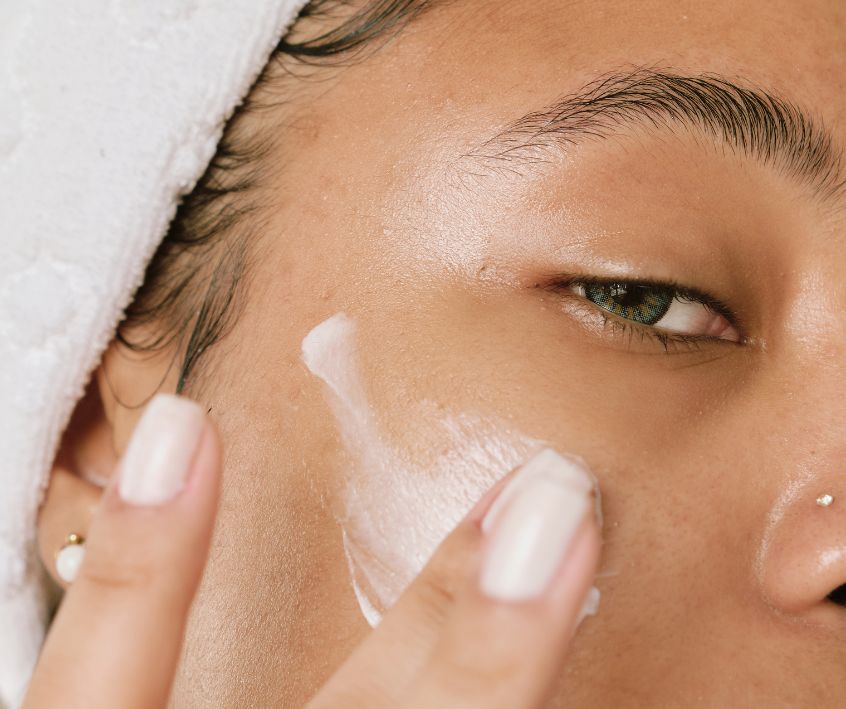
Apply products gently with clean hands. Pat or smooth them on instead of rubbing aggressively.
Step 3: Moisturize to support the skin barrier
After-sun care is not just about cooling. It is also about helping the skin barrier recover.
When this outer layer feels stressed, skin can lose moisture more easily and become more reactive.
A simple moisturizer can help skin feel more comfortable and supported. In many cases, one good fragrance-free moisturizer does more than a shelf full of “rescue” products.
Step 4: Keep the routine simple for the next day or two
If your skin still feels irritated, stick to the basics:
- gentle cleanse
- soothing hydration
- moisturizer
- sunscreen if you are going outdoors
That means this is a good time to pause strenuous activities and complicated layering. Recovering skin likes a quiet schedule.
Beat the Heat: Essential Gadgets to Keep You Cool this Summer
Best ingredients for after-sun care
Some ingredients are especially helpful when skin feels warm, dry, and irritated. You do not need all of them at once, but it helps to know what to look for.
Aloe vera
Aloe vera is a classic after-sun ingredient for a reason. It can feel cooling and soothing on hot, uncomfortable skin.
Seven Minerals Organic Aloe Vera Gel
If you use an aloe product, look for one that is simple and not packed with added fragrance or alcohol. The packaging may scream “vacation relief,” but the ingredient list still matters.
Glycerin
Glycerin is a humectant, which means it helps draw water into the skin. That makes it useful for skin that feels dry, tight, or dehydrated after time in the sun.
NOW Foods Solutions, Vegetable Glycerin, 100% Pure
You will often find glycerin in moisturizers, lotions, and hydrating serums.
Ceramides
Ceramides help support the skin barrier. If your skin feels rough, sensitive, or easily irritated after sun exposure, ceramides can be a great ingredient to have in your moisturizer.
CeraVe Moisturizing Cream, Body and Face Moisturizer for Dry Skin
Think of them as part of your skin’s support team.
Colloidal oatmeal
Colloidal oatmeal is known for its soothing feel and is often used in products made for sensitive or uncomfortable skin.
It can be a good option when skin feels dry, itchy, or generally unhappy.
Panthenol
Panthenol, also called provitamin B5, is another helpful ingredient for supporting hydration and comfort. It often shows up in soothing creams and lightweight moisturizers.
9% Panthenol Foam After Sun & Instant Redness Relief| Barrier Repair
Hyaluronic acid
Hyaluronic acid can help the skin hold onto water, which is useful when dehydration is part of the problem.
Amazon Basics Moisturizing Water Gel with Hyaluronic Acid
If your skin is feeling tight after heat exposure, this ingredient may help when layered under a moisturizer.
Fragrance free moisturizers
This is less of a single ingredient and more of a smart category. When skin is stressed, simple formulas are often the safest bet.
A fragrance-free moisturizer with humectants and barrier-supporting ingredients can go a long way.
What to avoid when skin feels irritated
This part matters just as much as what you put on your skin. Sometimes recovery is less about adding more and more about not making things worse.
Avoid harsh exfoliants
Skip:
- physical scrubs
- exfoliating acids
- rough cleansing brushes
- peels
- gritty masks
If your skin already feels tender, exfoliating it is not going to win you any points. Let it rest.
Avoid strong active ingredients
It is usually smart to pause products that may feel too intense on stressed skin, including:
- retinoids
- strong acne treatments
- high-strength exfoliating products
- anything that usually tingles even on a good day
Give your skin a little breathing room.
Avoid hot showers
A steaming hot shower may sound relaxing, but hot water can make irritated skin feel drier and more uncomfortable. Stick with cool to lukewarm water instead.
Avoid heavily fragranced products
Fragrance is not always a problem for every person, but when skin is already irritated, heavily scented products can be a gamble.
This goes for body lotion, face masks, and even some after-sun gels.
When in doubt, go plain.
Avoid picking, peeling, or scrubbing flaky skin
If your skin starts to peel later, resist the urge to help it along.
Picking at skin can increase irritation and leave things looking angrier than they need to.
I know. It is annoying. Still worth leaving alone.
How to care for skin in the next 24 to 72 hours
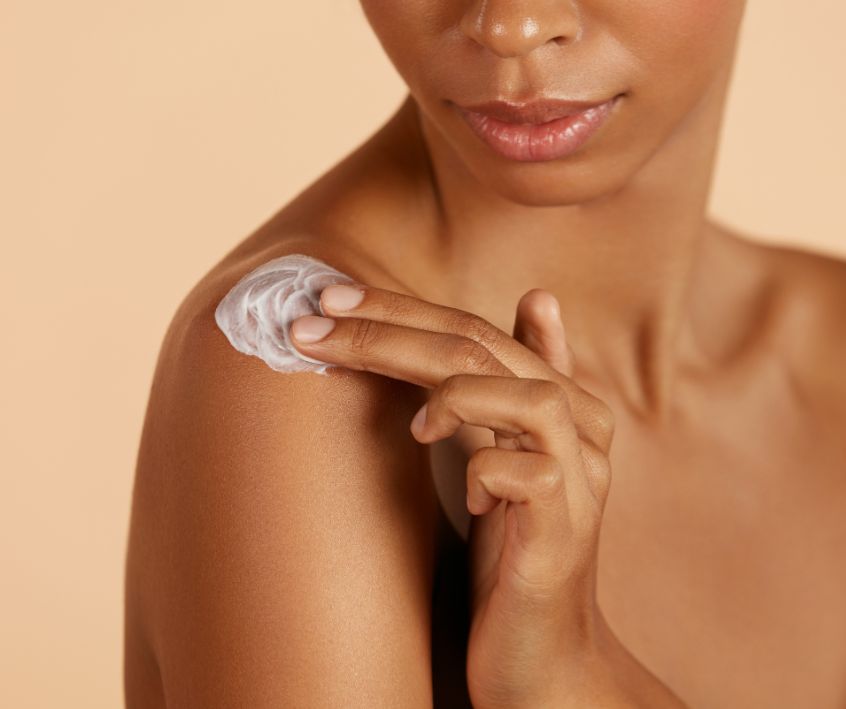
After-sun care is not just about the first hour. How you treat your skin over the next couple of days matters too.
Keep moisturizing regularly
Dry, stressed skin often feels better with steady moisture, not one heroic layer of product and then nothing. Reapply a simple moisturizer as needed, especially if skin keeps feeling tight.
Wear soft, breathable clothing
If your body skin feels irritated, loose, and breathable fabrics can make a big difference. Tight straps, rough seams, or clingy clothing can add friction to skin that is already uncomfortable.
Protect skin from more sun exposure
This part is easy to overlook. If your skin feels irritated today, it needs extra care tomorrow too.
If you are going outdoors again:
- wear sunscreen on healed, comfortable skin as appropriate
- choose lightweight protective clothing
- seek shade
- limit direct sun when possible
Back-to-back sun stress is not a great recovery plan.
Keep your routine boring for a bit
There is a time for trying a new serum and a time for doing the skincare equivalent of plain toast. After-sun recovery is plain toast time.
Gentle cleanser. Simple moisturizer. Minimal extras. That is enough.
After-sun care for the face vs. body
The basics are similar, but a few small adjustments can help.
For the face
Facial skin can be more sensitive, especially around the eyes and cheeks. Use products that are gentle and intended for facial skin, and avoid heavy rubbing with towels or cotton pads.
A lightweight hydrating serum plus a fragrance-free moisturizer may be all you need.
For the body
Body skin may tolerate slightly richer lotions or creams, especially on the shoulders, chest, arms, and legs.
If your skin feels dry from sun, swimming, or heat, body moisturizer can help reduce that tight, uncomfortable feeling.
Apply it after a cool or lukewarm shower while skin is still slightly damp.
Common after-sun mistakes
When skin feels rough, many people panic and do too much. A few common mistakes can slow down comfort instead of helping it.
Using too many products at once
Layering five soothing products sounds helpful, but it can be hard to tell what your skin actually likes. Keep it simple.
Using alcohol-heavy “cooling” products
Some products feel instantly cooling but contain a lot of alcohol, which can leave skin feeling drier afterward. Check the label before trusting the chill factor.
Going back into the sun too soon
If your skin already feels stressed, another long stretch outside can make recovery harder.
Scrubbing off sunscreen aggressively
Yes, you want to cleanse. No, you do not need to sandblast your face. Gentle removal is enough.
A quick after-sun checklist
If you want the short version, here it is.
Do:
- get out of the sun
- cool skin gently
- drink water
- use a gentle cleanser
- apply soothing, fragrance-free hydration
- moisturize regularly
- protect skin from more sun exposure
Don’t:
- use scrubs or strong acids
- apply harsh actives
- take hot showers
- use heavily fragranced products
- pick at peeling skin
- overcomplicate your routine
When to keep it simple and seek extra support
Most mild summer skin irritation can be handled with a gentle, supportive routine.
If your skin feels more seriously uncomfortable or you are worried about how it looks or feels, it is always a good idea to check in with a qualified medical professional.
You do not need to guess your way through severe symptoms.
Final thoughts

After-sun care works best when you keep it calm, simple, and consistent. If your skin feels red, dry, hot, or tight after too much summer sun or heat, focus on gentle cooling, light hydration, and barrier support.
Skip the harsh products, let your skin rest, and give it a day or two of low drama.
If you spend a lot of time outdoors in summer, it can help to keep a few basics on hand: a gentle cleanser, a fragrance-free moisturizer, and one soothing product you already know your skin likes.
Small habits make a big difference, and your skin will likely appreciate the kinder approach.
Visit the Garden Resources page for supplies and inspiration. Don’t forget to subscribe to the Calendula’s Garden Newsletter for more gardening tips.
Calendula’s Garden is reader supported. When you buy through links on our site, we may earn an affiliate commission. As an Amazon Associate, I earn from qualifying purchases. For more information, view our Disclaimer page. Thank you!