How to Grow Moringa Trees from Seed
Calendula's Garden is reader suported This post may contain affiliate links, more on our Disclaimer page. Thank you!
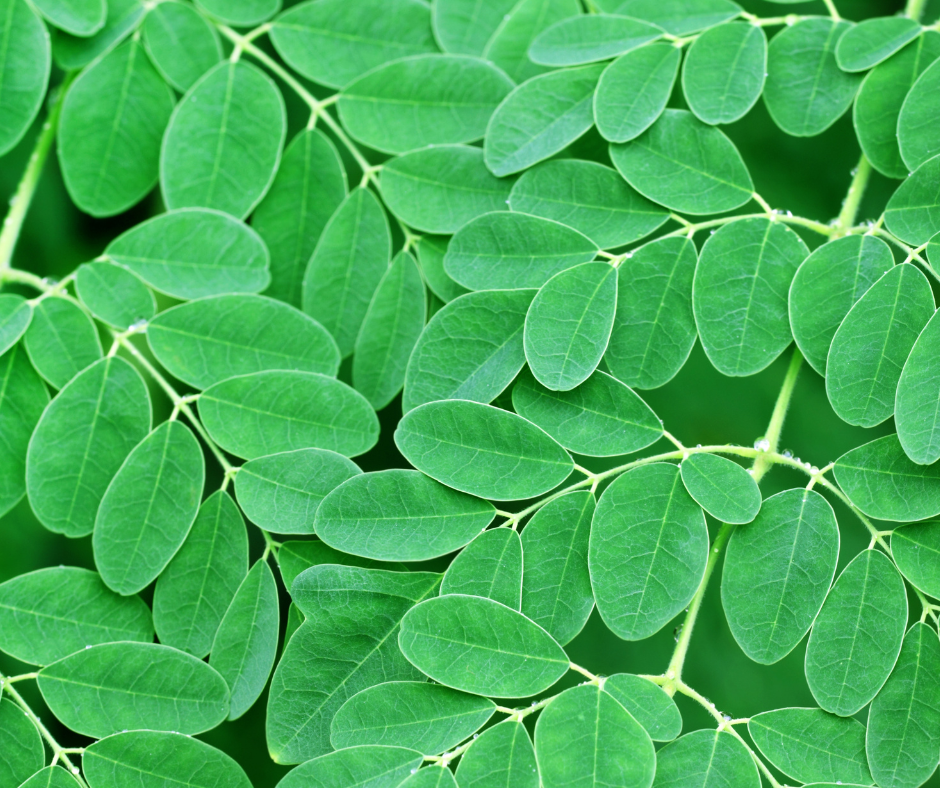
Moringa trees are a powerhouse of nutrients, providing an abundance of vitamins, minerals, and antioxidants. The leaves of the moringa tree contain more than 7 times the vitamin C found in oranges, 4 times the beta carotene found in carrots, and 3 times the potassium found in bananas. Moringa trees can be grown from seed, and this guide will show you how.
With just a little bit of care and attention, you can grow your own moringa tree from seed. Moringa trees are relatively easy to grow and with proper care, can produce an abundance of nutrient-rich leaves. Keep reading to learn how to grow your own moringa tree from seed.
Moringa trees are native to the Himalayan mountains, but can now be found in tropical and subtropical regions all over the world. The moringa tree is sometimes called the “miracle tree” because of its nutritional value and its ability to withstand harsh climates. In fact, the moringa tree can grow up to 10 feet in just one year and can live for over 40 years.
Moringa trees are fast-growing and can reach up to 30 feet in height. The leaves of the moringa tree are what contain the majority of the nutrients. Moringa leaves can be eaten fresh or can be dried and powdered. The leaves can also be used to make tea or can be added to soups and stews
Choosing Moringa Seeds
Moringa trees are relatively easy to grow from seed. The first step is to obtain some moringa seeds. Moringa seeds can be purchased from online retailers or can sometimes be found in health food stores.
If you live in a tropical or subtropical climate, you may be able to find moringa seeds at your local nursery. Once you have obtained some seeds, it’s time to get started on growing your own moringa tree.
Moringa Growing Resources
Moringa – Nature’s Medicine Cabinet by Sanford Holst
Where to find seeds, plants, and supplies:
Seed Germination
One of the best ways to improve moringa seed germination is to scarify the seeds before planting. This involves lightly sanding the seed coats to allow water to enter more easily. You can also soak the seeds in water for 24 hours before planting. Then place them in a moist container until you see roots starting to sprout.
For example, the seeds can be started in a Tupperware container lined with moist paper towels. Or wrapped in moistened paper towels and sealed in a resealable plastic bag.
Either way, be sure to plant the seeds within a few days of treatment for the best results. With a little care and attention, you can give your moringa plants a head start by following these tips.
Another way to improve moringa seed germination is to plant the seeds in a pot with moist potting mix. Cover the seeds with a thin layer of the mix, and then water them well.
Place the pot in a warm, sunny location, and keep the soil moist but not soggy. Once the seeds have germinated, transplant them into individual pots or your garden bed.
Soil Preparation
Moringa trees are native to tropical and subtropical climates, so they prefer warm, humid weather. If you live in an area with a temperate climate, you’ll need to take steps to ensure that your moringa tree has the conditions it needs to thrive.
Before you can dream of harvesting moringa tree leaves, you need to prepare the garden soil. Moringa trees are not fussy, but they do want nutrient-rich soil with good drainage.
They also prefer a neutral pH level, so if your soil is too acidic or alkaline, you’ll need to adjust it. The best way to do a soil test is to take a sample of your garden’s topsoil to your local cooperative extension office.
Once you know which nutrients your soil lacks, you can amend it with compost or other organic matter. Adding compost or manure will help to improve the quality of the soil, and adding organic matter will help to retain moisture.
You should also make sure that the area where you plant your moringa trees is sunny and has plenty of space for the roots to spread out. With a little preparation, you can create the perfect environment for growing healthy moringa trees.
One of the most important things you can do is to prepare the garden soil before planting. Once you’ve prepared the soil, you’re ready to plant your moringa tree seedlings!
Planting the Seedlings
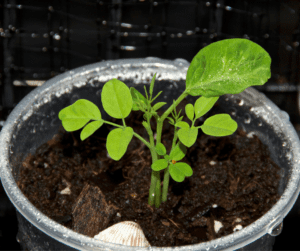
Moringa trees are native to tropical and subtropical regions, so they need warm weather to grow well. The best time to plant them is in spring or early summer when the soil is nice and warm.
You can plant the seedlings directly into the garden, but be careful not to damage their delicate roots. Moringa trees do best in well-drained soils that are high in organic matter.
Once they are established, they are quite drought-tolerant. However, they will need regular watering during their first year or two to help them get established. With a little care, your moringa trees should thrive in your garden!
Watering and Fertilizing
Assuming you’re in a tropical or subtropical climate, water your moringa seedlings every day or two. Fertilize them every week with a balanced fertilizer. Once they’re established, you can cut back on the watering to once or twice a week, and fertilize every two weeks.
If you’re in a more temperate climate, you may need to water and fertilize your moringa seedlings less frequently. Experiment and see what works best for your particular climate and soil conditions.
Moringa trees are native to Africa, and they’ve been used for centuries as a source of food and medicine. In recent years, they’ve also become popular as ornamental plants, thanks to their beautiful flowers and lush foliage.
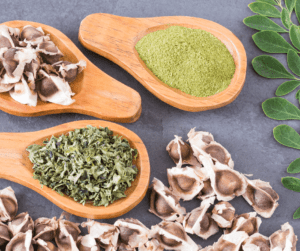
But like all plants, they need the right nutrients to thrive.
Most gardeners recommend using a general-purpose fertilizer for moringa trees. However, it’s important to choose a fertilizer that has a high nitrogen content.
Nitrogen is an essential nutrient for plant growth, and it helps promote green, healthy leaves. You can find nitrogen-rich fertilizers at most garden centers or online.
Just be sure to follow the directions on the package so you don’t overfertilize your moringa tree. With the right fertilizer, you can enjoy beautiful blooms and healthy foliage all season long.
Protecting from Pests
The moringa tree is a versatile plant that can be used for food, medicine, or even fuel. However, this hardy tree is not immune to pests. Common moringa tree pests include aphids, caterpillars, beetles, and weevils.
These pests can cause damage to the leaves, stems, and roots of the tree. In severe cases, they can even kill the tree. While there are chemical pesticides that can be used to control these pests, many farmers prefer to use more organic methods.
This may include companion planting, intercropping, or using natural predators such as ladybugs or lacewings. By taking preventative measures, farmers can help to keep their moringa trees healthy and productive.
Moringa Tree Harvest – What Parts Are Edible?
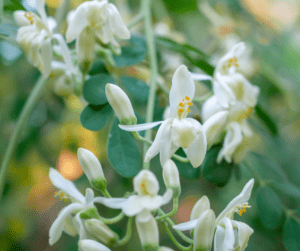
The moringa tree is sometimes called the miracle tree because nearly every part of it is edible.
The moringa tree is a veritable powerhouse of nutrients, and practically every part of the tree can be used for food or medicine. The leaves can be eaten fresh or cooked, and they are rich in vitamins and minerals.
The moringa flowers can also be eaten, and they have a delicate, sweet flavor. They make a lovely addition to salads.
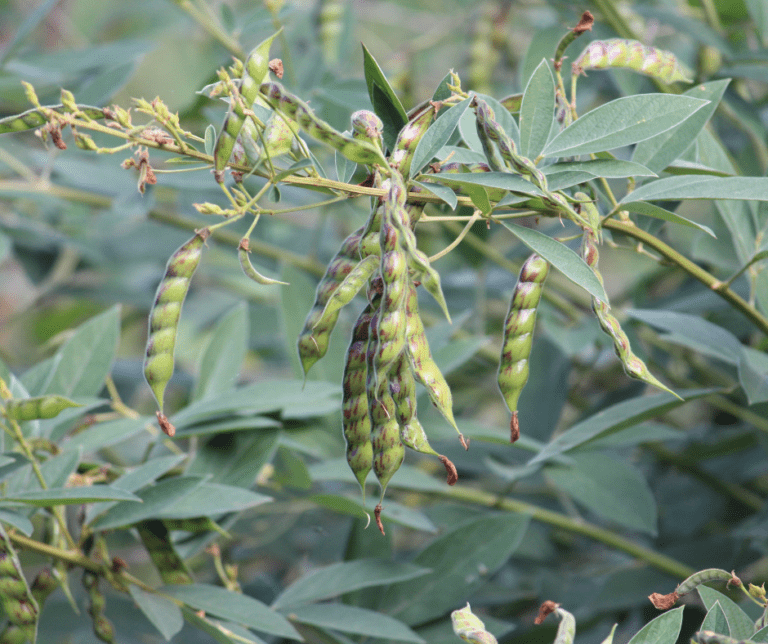
The seed pods can be used as a vegetable. The pods can be harvested when they are young and used in soups or stir-fries, while the mature pods can be dried and ground into a powder that can be used as a seasoning.
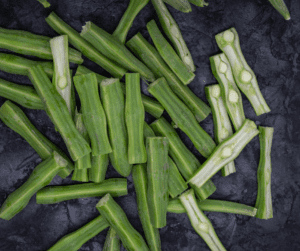
The seeds themselves can be roasted and eaten like nuts. Even the roots of the young moringa trees can be eaten, though they are generally only used as a flavoring agent in soups and stews.
In short, if you find yourself stranded on a desert island with nothing but a moringa tree, you’ll be in pretty good shape!
How to Store Moringa Leaves
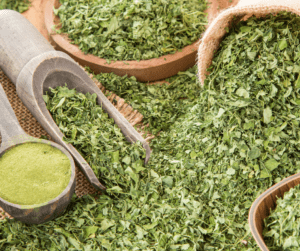
You can store moringa leaves in a number of ways, depending on whether you want to keep them fresh or dried. For fresh leaves, you can simply rinse them and store them in a plastic bag in the fridge. Fresh leaves can be kept in a plastic bag in the refrigerator for up to 2 weeks.
If you want to keep them even longer, you can also freeze them. Just blanch the leaves for two minutes in boiling water, then place them in a freezer-safe container.
You can freeze them by placing them in a single layer on a baking sheet and then putting them in the freezer. Once they are frozen, you can transfer them to a freezer bag.
Dried leaves can be stored in an airtight container in a cool, dark place for up to 6 months. When you are ready to use them, simply grind the leaves into a powder using a mortar and pestle or coffee grinder. Moringa leaves are an incredibly versatile ingredient that can be used in both sweet and savory dishes.
Visit the Garden Resources page for supplies and inspiration. Don’t forget to subscribe to the Calendula’s Garden Newsletter for more gardening tips.
Calendula’s Garden is reader supported. When you buy through links on our site, we may earn an affiliate commission. As an Amazon Associate, I earn from qualifying purchases. For more information, view our Disclaimer page. Thank you!