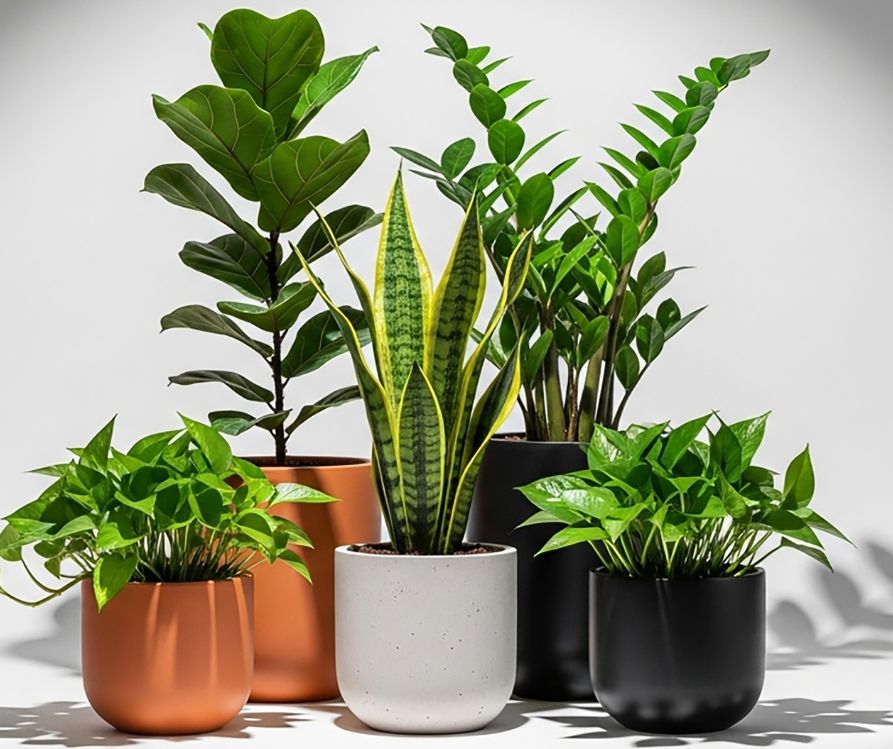
How to Grow Indoor Plants Without Natural Light
Calendula's Garden is reader suported This post may contain affiliate links, more on our Disclaimer page. Thank you!
Many apartment dwellers and winter gardeners face a common frustration. Wanting to fill their homes with beautiful greenery but lacking the bright, sunny windows that provide the light most plants need.
If you’ve ever stood in a plant nursery, admiring those gorgeous fiddle leaf figs and monstera deliciosas, only to walk away empty-handed because your home resembles more of a cozy cave than a greenhouse, this guide is for you.
The truth is, you don’t need floor-to-ceiling windows or a sun-drenched solarium to create your own indoor jungle. With the right plant choices, proper artificial lighting, and a few clever techniques, even the darkest corners of your home can burst with life. Even in the darkest days of winter.
Whether you’re a complete beginner or someone who’s tried and failed before, growing plants without natural light is absolutely achievable.
This comprehensive guide will walk you through everything you need to know. From selecting the perfect low-light plants to setting up artificial lighting systems that won’t break the bank.
You’ll discover how to troubleshoot common problems and create thriving green spaces that improve your air quality and brighten your mood, regardless of which direction your windows face.
Understanding Light Requirements for Indoor Plants
Before diving into plant selection, it’s helpful to understand what we mean when we talk about light requirements. Plants don’t just need any light. They need specific types of light energy to fuel photosynthesis, the process that keeps them alive and growing.
Natural sunlight contains a full spectrum of light wavelengths, but indoor environments often provide only limited portions of this spectrum.
When we say a space has “low light,” we’re typically referring to areas that receive less than 50 foot-candles of light. Think corners away from windows, north-facing rooms, or spaces blocked by buildings or trees.
The good news? Many plants have evolved to thrive in the understory of forests, where filtered, indirect light is the norm. These natural low-light champions have adapted to make the most of whatever light they can get, making them perfect candidates for your indoor garden.
Understanding this helps explain why some plants will flourish in your dimly lit living room while others will struggle. It’s not about finding plants that don’t need light at all. Every plant needs some light to survive. It’s about finding plants that can thrive with less.
Best Plants for Low Light Conditions
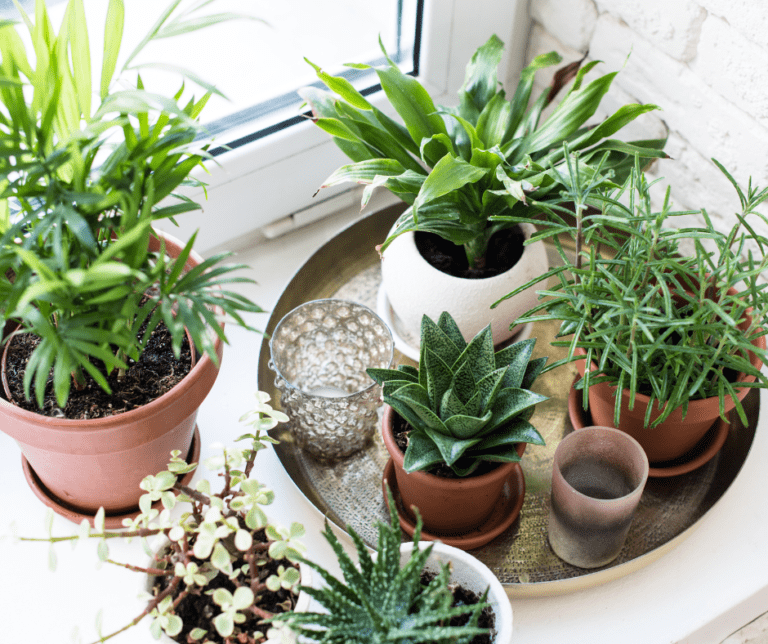
Choosing the right plants is half the battle when working with limited natural light. These varieties have proven themselves as reliable performers in low-light environments:
Where to find seeds, plants, and supplies:
Snake Plants (Sansevieria)
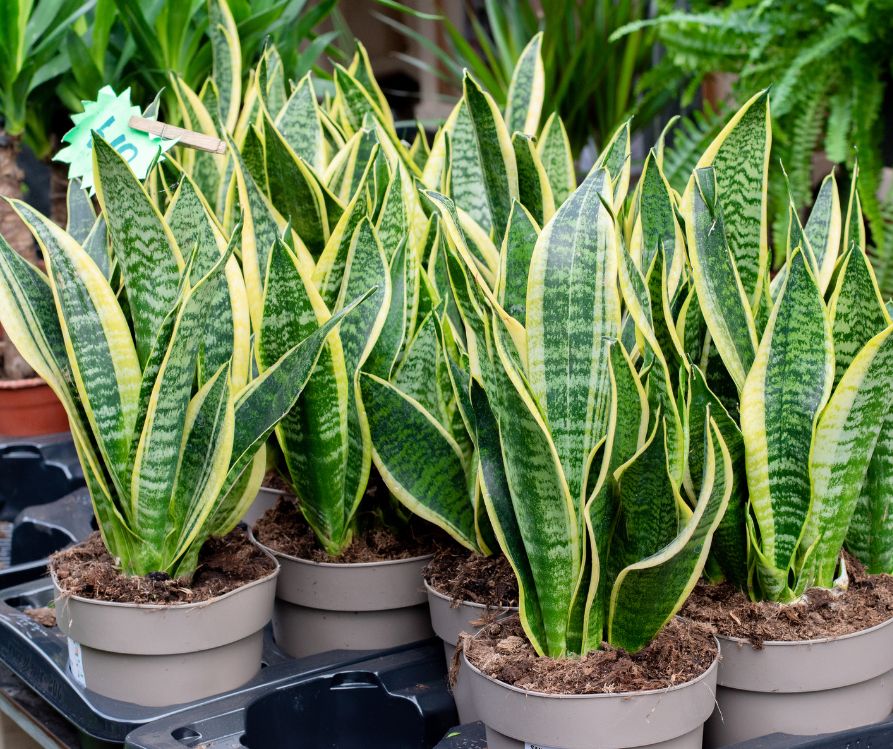
Often called the “impossible to kill” plant, snake plants are perfect for beginners. Their thick, upright leaves store water efficiently, and they can tolerate weeks of neglect. They’re also excellent air purifiers, removing toxins like formaldehyde and benzene from your home.
ZZ Plants (Zamioculcas zamiifolia)
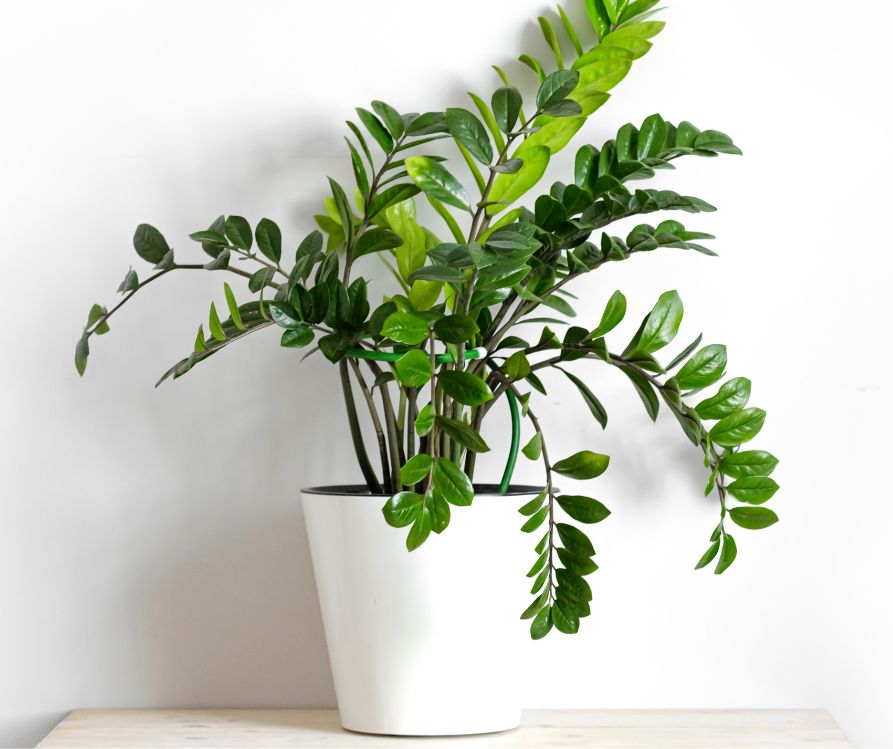
With glossy, dark green leaves that almost look artificial, ZZ plants are incredibly resilient. They can survive in offices with fluorescent lighting and apartments with minimal windows. Their waxy coating helps them retain moisture, making them drought-tolerant as well.
Pothos

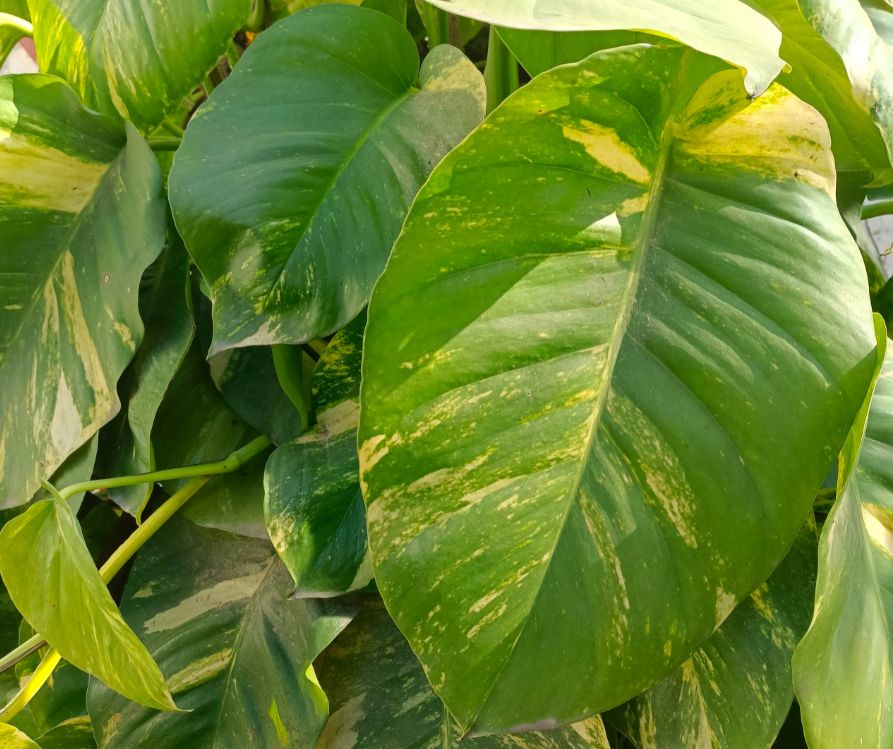
These trailing beauties are practically foolproof. They’ll happily cascade from a bookshelf or climb a moss pole, and they root easily in water if you want to propagate new plants. Golden pothos, marble queen, and jade pothos all perform well in low light.
Peace Lilies
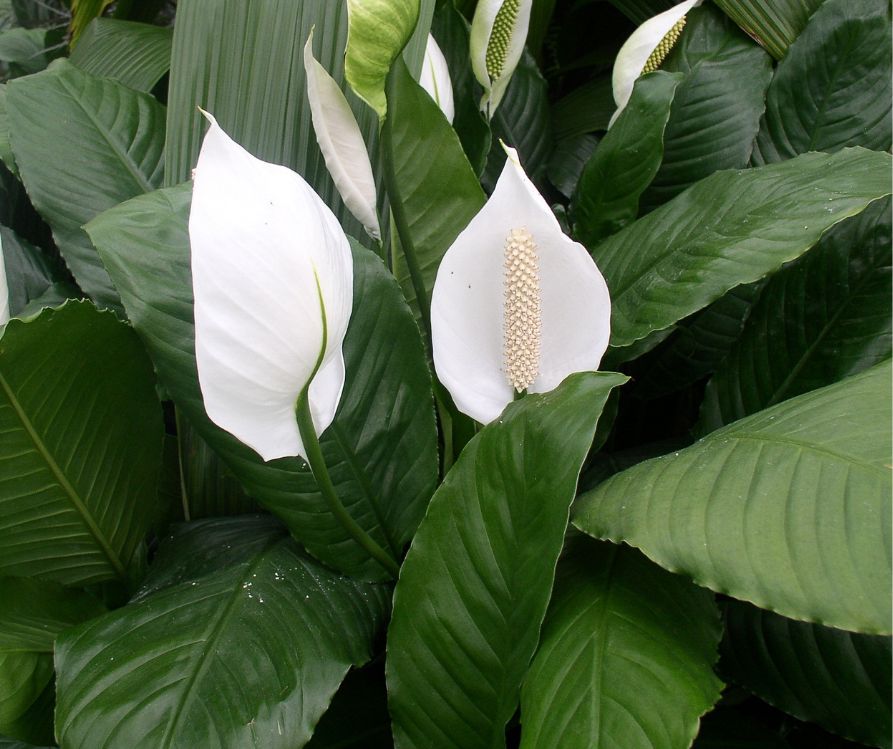
While they prefer bright, indirect light, peace lilies can adapt to lower light conditions. They’ll even tell you when they need water by drooping their leaves dramatically, then perk right back up once watered.
Chinese Evergreens (Aglaonema)
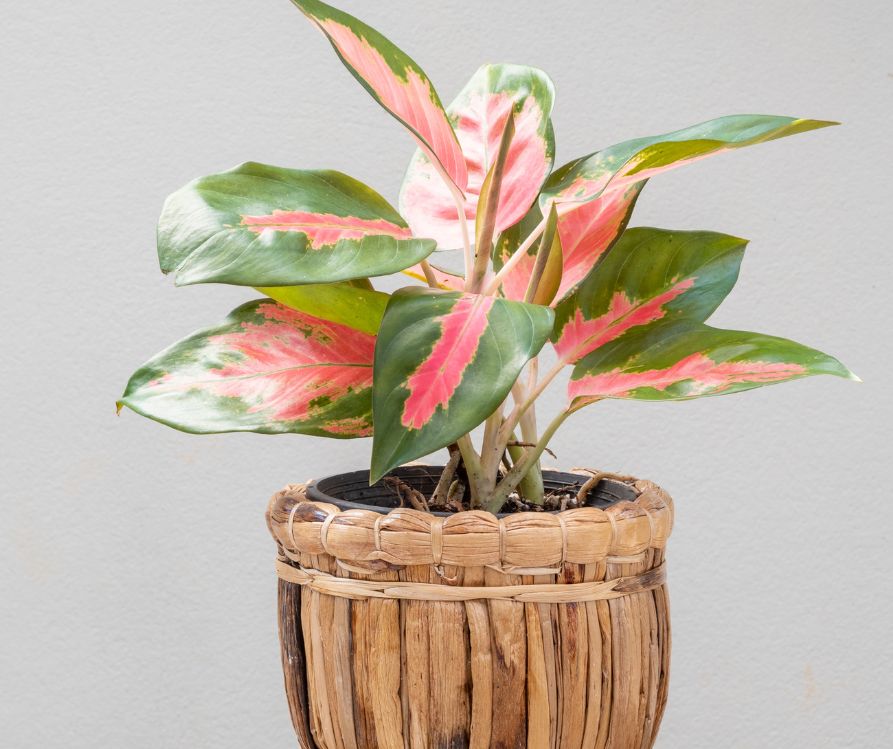
Available in stunning varieties with silver, pink, and red markings, Chinese evergreens add color to dark spaces while requiring minimal care. They’re slow growers, which means less maintenance for you.
Cast Iron Plants (Aspidistra elatior)
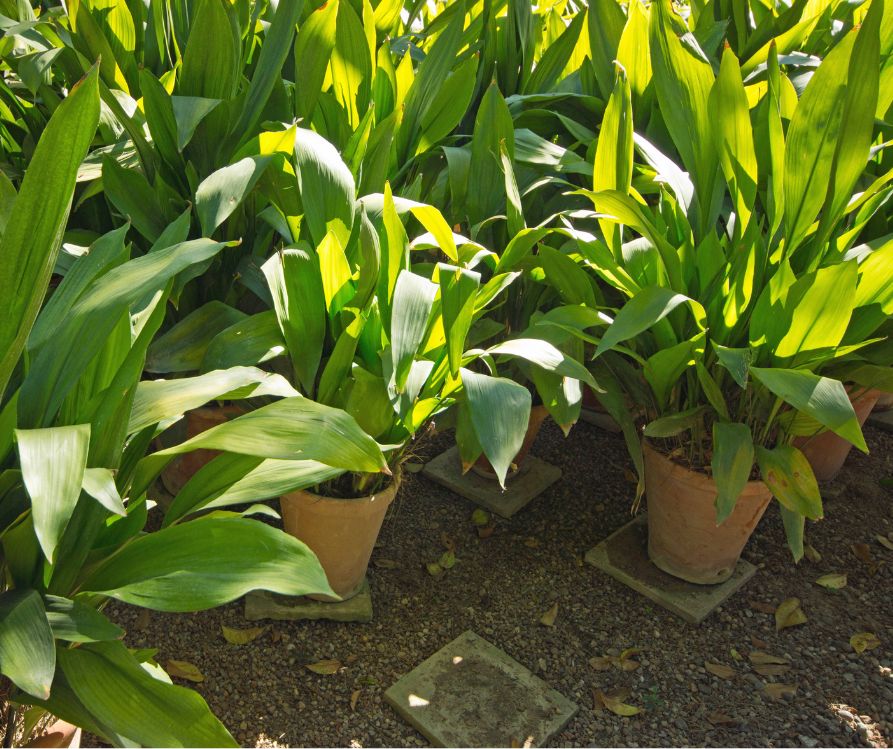
True to their name, these plants are nearly indestructible. Victorian-era homes often featured them because they could survive in poorly lit, sooty conditions. They’re perfect if you travel frequently or tend to forget about watering.
Artificial Lighting Solutions
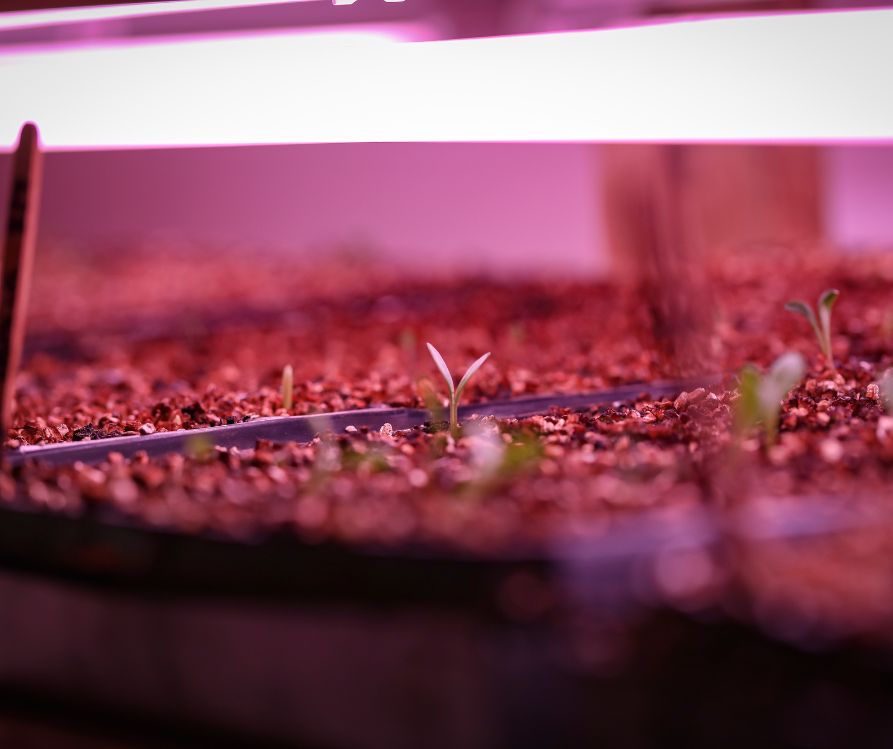
When natural light isn’t sufficient, artificial lighting can make all the difference. Modern grow lights have come a long way from the harsh, purple-tinted bulbs of the past. Once you install grow lights, you open the door to an abundance of plant options, including veggies and herbs.
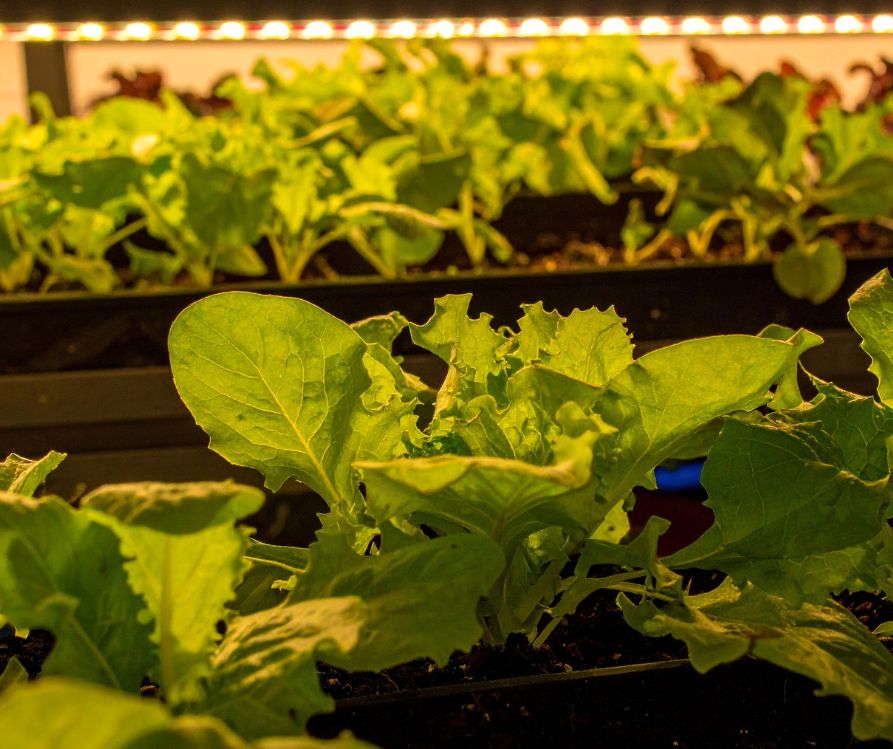
While not a substitute for bright light therapy, installing full-spectrum lights that mimic the sun and lush indoor plants has been shown to help with Seasonal Affective Disorder (SAD). When we lived in the Pacific Northwest, our indoor garden and hoophouse garden helped us get through the long, dark, moist winters.
Read more about the health benefits of indoor plants from Piedmont Health.
LED Grow Lights
LED lights are energy-efficient, long-lasting, and produce less heat than traditional options. Full-spectrum LED panels provide the blue and red wavelengths plants need most for photosynthesis and flowering.
Barrina T5 Grow Lights for Indoor Plants, Full Spectrum Grow Light
They’re available in various sizes, from small clip-on lights for individual plants to larger panels for multiple plants.
How to Keep Your Indoor Herb Garden Thriving All Year
Fluorescent Lights
While not as efficient as LEDs, fluorescent lights remain a budget-friendly option. T5 and T8 fluorescent tubes work well for foliage plants, though you’ll need to position them closer to your plants than you would with LEDs.
4Ft 4Lite T5 Grow Lights Panel, 6500K Full Sun Light, 20000 Lumen Output
Positioning and Timing
Most houseplants need 12-16 hours of artificial light daily to thrive. Position lights 6-24 inches above your plants, depending on the light intensity and plant requirements. Use a timer to ensure consistent lighting schedules. Plants appreciate routine just as much as we do.
BN-LINK 24 Hour Plug-in Mechanical Timer Grounded for Aquarium, Grow Light, Hydroponics
Consider the aesthetics too. Many modern grow lights are designed to blend seamlessly with home decor, featuring sleek designs and adjustable arms that don’t scream “grow operation” to your guests.
Watering and Soil Considerations
Plants in low-light conditions have different watering needs than those basking in bright sunlight. Without intense light to drive photosynthesis, plants use water more slowly, meaning they’re more susceptible to overwatering.
Watering Techniques
Check soil moisture by inserting your finger about an inch deep into the soil. Most low-light plants prefer to dry out slightly between waterings.
When you water, do it thoroughly until water drains from the bottom, then empty the saucer after 30 minutes to prevent root rot.
Consider bottom watering for plants that prefer consistent moisture. Place the pot in a tray of water and let the plant absorb what it needs through the drainage holes. This method encourages strong root development and prevents water from sitting on leaves.
Soil Requirements
Well-draining soil is crucial for plants in low-light conditions. Look for potting mixes labeled for houseplants or create your own by mixing regular potting soil with perlite or orchid bark for improved drainage. Avoid garden soil, which retains too much moisture for container plants.
Some plants, like snake plants and ZZ plants, benefit from cactus or succulent soil mixes, which drain even more quickly and prevent the waterlogged conditions that lead to root rot.
Troubleshooting Common Issues
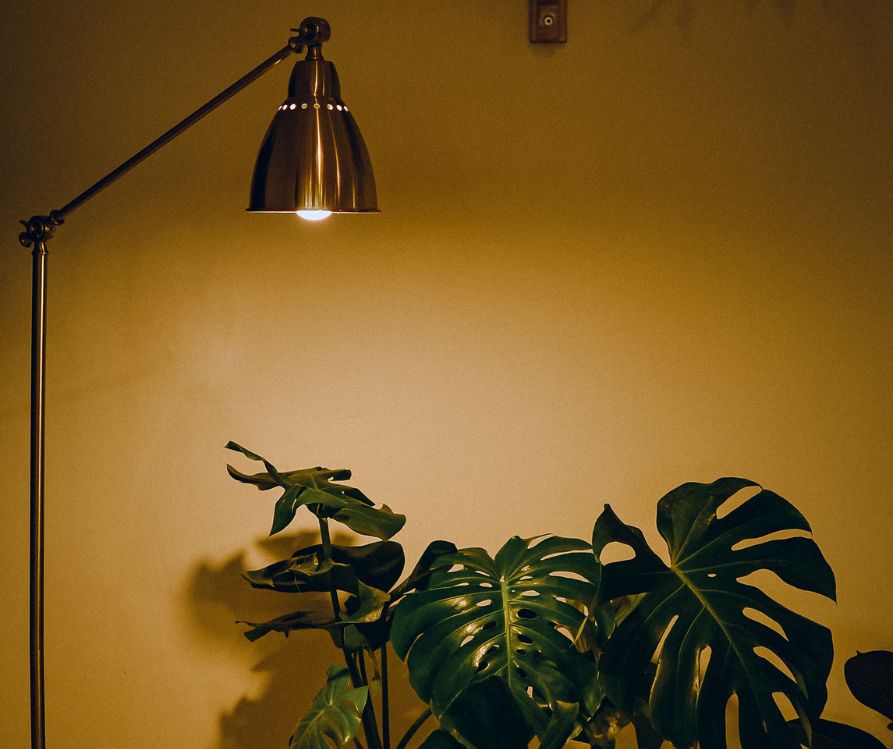
Even with the best care, you might encounter some challenges. Here’s how to address the most common problems:
Yellowing Leaves
Yellow leaves often indicate overwatering, especially in low-light conditions. Reduce watering frequency and ensure proper drainage.
If only the lower leaves are yellowing, this might be natural aging. Simply remove them to keep the plant looking tidy.
Leggy Growth
Plants stretching toward light sources will develop long, weak stems with sparse foliage. This indicates insufficient light. Move the plant closer to your artificial light source or add additional lighting.
Height Adjustable Plant Grow Light Lamp LED Full Spectrum for Indoor Plants
Brown Leaf Tips
Brown, crispy leaf tips usually signal low humidity or inconsistent watering. Increase humidity by grouping plants together, using a humidifier, or placing pebble trays filled with water near your plants.
Pest Problems
Low-light conditions can sometimes encourage pests like spider mites or fungus gnats. Ensure good air circulation around your plants and avoid overwatering. Wipe leaves regularly with a damp cloth to prevent dust buildup and spot pest issues early.
Slow Growth
Don’t panic if your plants seem to grow slowly in low-light conditions—this is completely normal. Focus on maintaining healthy foliage rather than rapid growth. Slow growth often means stronger, more resilient plants.
Creating Your Indoor Oasis
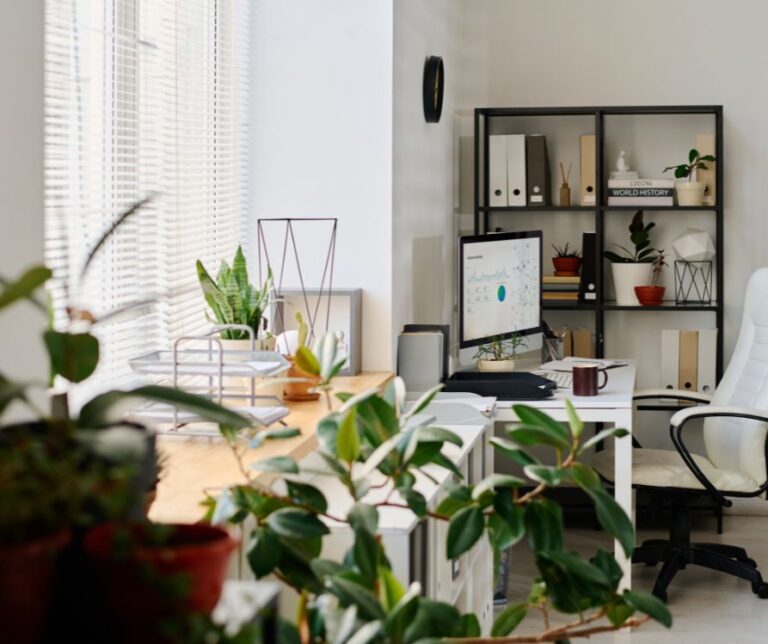
Growing plants without natural light isn’t just possible. It’s an opportunity to get creative with your space. You can transform that dark corner into a lush reading nook, create a living wall in your hallway, or add life to your home office with a collection of desk-friendly plants.
Start small with one or two of the recommended low-light plants and a basic LED grow light. As you gain confidence and see success, you can expand your collection and experiment with more challenging varieties.
Remember that every experienced plant parent started as a beginner, and even the most seasoned gardeners have lost a plant or two along the way.
The key is to observe your plants, adjust your care routine as needed, and enjoy the process. There’s something deeply satisfying about nurturing life in unexpected places, and your efforts will be rewarded with cleaner air, a more vibrant living space, and the pride that comes from successfully growing something beautiful.
Your apartment may not have the perfect windows, but with the right approach, it can still become the green sanctuary you’ve always wanted. Start today, and watch your indoor garden flourish against all odds.
Visit the Garden Resources page for supplies and inspiration. Don’t forget to subscribe to the Calendula’s Garden Newsletter for more gardening tips.
Calendula’s Garden is reader supported. When you buy through links on our site, we may earn an affiliate commission. As an Amazon Associate, I earn from qualifying purchases. For more information, view our Disclaimer page. Thank you!