How to Grow Grapefruit: A Beginner’s Guide
Calendula's Garden is reader suported This post may contain affiliate links, more on our Disclaimer page. Thank you!
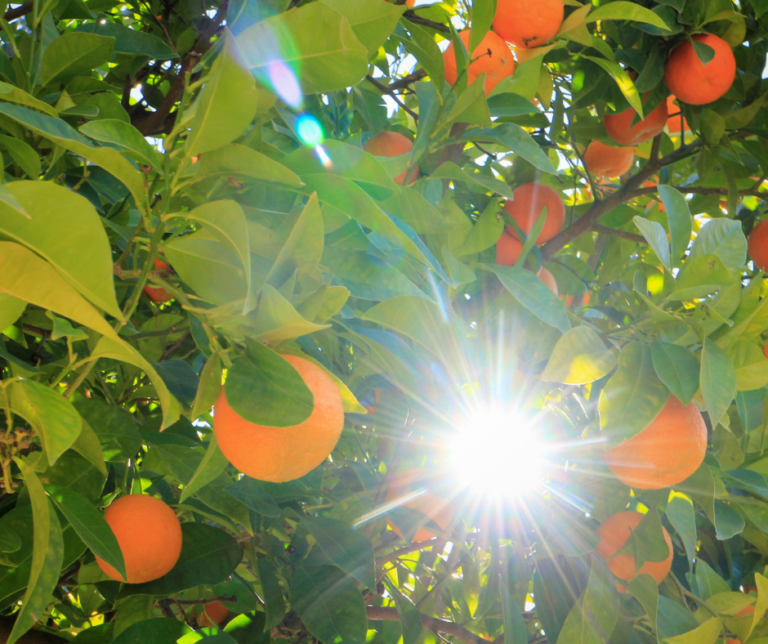
If you’re interested in growing your own grapefruit, then this beginner’s guide is for you! Growing grapefruit is a great way to add some fresh citrus into your home.
With the right conditions, you can grow them anywhere from USDA zones 9 through 11 with full sun being ideal for best results. With winter protection some have found success in areas as cool as zone 7.
All you need to get started are some basic supplies and a little bit of patience. Here’s what you need to know about growing grapefruit trees:

What you need to get started
Grapefruit trees are one of the most popular backyard fruit trees. They’re easy to grow, and they produce delicious fruit that can be used in a variety of recipes. If you’re thinking of growing a grapefruit tree in your backyard, there are a few supplies that you’ll need.
First, you’ll need to purchase a grapefruit tree sapling from a nursery or garden center. Next, you’ll need to find a location in your yard that receives full sun and has well-drained soil.
Once you’ve found the perfect spot, you’ll need to prepare the soil by adding compost or other organic matter. Then, you can plant your grapefruit tree sapling and water it well.
Where to find seeds, plants, and supplies:
Choose a Grapefruit Variety

While grapefruits are typically associated with being tart and acidic, there are a wide variety of flavors that can be found in different grapefruit varieties that can be grown in a backyard garden.
For those who enjoy a tart and tangy flavor, the Ruby Red grapefruit is a perfect choice. This variety is also very juicy, making it ideal for juicing or for eating fresh.
For those who prefer a sweeter flavor, the White Marsh grapefruit is an excellent option. This variety is slightly less acidic than the Ruby Red, making it more mild and sweet.
And for those who like their grapefruit on the bitter side, the Rio Red grapefruit is sure to please.
With its deep red flesh and sharp flavor, this variety is one of the most flavorful grapefruits that can be grown in a backyard garden. So no matter what your taste preference may be, there is sure to be a grapefruit that will suit your palate.
Planting Your Grapefruit Tree
Before you can plant your grapefruit tree, you need to prepare the soil. The first step is to test the soil’s pH level. Grapefruit trees prefer slightly acidic soil with a pH of 6.0 to 6.5.
If your soil is too alkaline, you can add sulfur to lower the pH. You should also take a soil sample to your local Cooperative Extension office to have it tested for nutrient levels.
Garden Soil Test: Tips for Backyard Gardeners
They will be able to recommend amendments to add based on the results of the test. Once you’ve adjusted the pH and nutrients, you’re ready to plant!
It is important to make sure that the planting hole is large enough to accommodate the tree’s root ball. The hole should be at least three times the width of the root ball and just as deep. Once the hole has been dug, the tree can be planted and watered thoroughly.
You may be wondering if you should mulch a freshly planted grapefruit tree. The answer is yes! Mulching helps to prevent weeds, conserve moisture, and protect the roots of your young tree.
Here are a few tips to keep in mind when mulching:
-Use organic material such as wood chips or pine needles. Avoid using plastic, which can trap heat and harm the roots.
-Apply a 3-inch layer of mulch around the base of the tree, making sure to leave a few inches of space between the trunk and the mulch.
-As the tree grows, you may need to add more mulch to keep the roots protected.
By following these simple tips, you can help your grapefruit tree thrive. So don’t forget to mulch!
From Straw to Wood Chips: Choosing the Right Mulch for Your Garden
Set up a Fertilizer schedule for your backyard Grapefruit Tree
Spring is the perfect time to give your grapefruit tree a little boost with some fertilizer. Fertilizer helps the tree to develop a strong root system, which is important for moisture and nutrient uptake.
It also helps the tree to produce more fruit, and the extra nitrogen in fertilizer can help to prevent pests and diseases.
For best results, apply fertilizer in early spring, before the tree begins to bud. This will give the tree time to absorb the nutrients before it starts to produce fruit.
You can also fertilize your tree in late summer or early fall. When applying fertilizer, be sure to follow the manufacturer’s directions carefully. Too much fertilizer can damage your grapefruit tree and reduce fruit production.
Make sure to water deeply after applying fertilizer. Check out this article about gentle natural soil amendments and fertilizers you can safely apply to your grapefruit tree.
Harvesting Your Grapefruit

Grapefruit are a delicious and healthy citrus fruit that can take anywhere from four to six months to ripen on the tree. The length of time it takes for grapefruit to ripen depends on the variety of grapefruit, as well as the climate in which it is grown.
In general, grapefruit grown in warmer climates will ripen faster than those grown in cooler climates. Additionally, certain varieties of grapefruit, such as the Rio Red, tend to mature more quickly than others.
It takes anywhere from four to six months for grapefruit to ripen on the tree. This process begins with the flower blooming and the fruit developing.
Best Evergreen Fruit Trees for Privacy
The fruit will then go through a period of color change, usually starting off green and then turning yellow, pink, or red. Once the grapefruit is fully ripe, it will be juicy and sweet.
Regardless of the type of grapefruit or the growing conditions, all grapefruit will eventually reach peak ripeness and sweetness if left on the tree long enough.
However, if left on the tree for too long, the fruit can become overripe and lose its flavor. For this reason, it is important to check your grapefruits regularly and harvest them when they are at their peak of ripeness. With a little patience, you can enjoy delicious grapefruit all season long.
Common problems and solutions
Grapefruit trees are generally quite hardy and resistant to pests and disease, but there are a few things that can affect them. The most common problems are leafminer, scale, mealybugs, and spider mites.
Here are some easy organic treatments for these pests:
Scale can be controlled by spraying the tree with horticultural oil or neem oil. Mealybugs can be controlled by spraying the tree with a mixture of 1 part soap to 10 parts water. Spider mites can be controlled by spraying the tree with a mixture of 1 part vinegar to 10 parts water.
One of the most common grapefruit pests is the Citrus leafminer, which burrows into leaves and causes them to turn yellow and eventually drop off. Leaf drop can weaken the tree and make it more susceptible to other problems.
Many different diseases can damage grapefruit trees. Some of the most common include citrus canker and greening disease.
Citrus canker is a bacterial infection that causes raised lesions on the fruit and leaves of grapefruit trees. This can lead to leaf drop and fruit dieback.
Greening disease is caused by a bacterium called Candidatus liberibacter asiaticus. This bacterium attacks the tree’s vascular system, causing the leaves to turn yellow and eventually die.
Grapefruit trees affected by greening disease often produce small, misshapen fruit. These are just a few of the many pests and diseases that can damage grapefruit trees. For more information about diseases that can affect your grapefruit tree visit the USDA APHIS Citrus Diseases Page.
If your grapefruit tree is affected by pests or disease, these simple organic treatments should help to get it back on track. Read The Best Natural Pest Control for more information on natural and organic pest control solutions.
Growing a grapefruit tree is a fun and rewarding experience. Not only do you get to enjoy the delicious fruit, but you also get to watch the tree grow and thrive. By following these simple tips, you can ensure that your grapefruit tree grows healthy and strong.
Visit the Garden Resources page for supplies and inspiration. Don’t forget to subscribe to the Calendula’s Garden Newsletter for more gardening tips.
Calendula’s Garden is reader supported. When you buy through links on our site, we may earn an affiliate commission. As an Amazon Associate, I earn from qualifying purchases. For more information, view our Disclaimer page. Thank you!