How to Grow Collards in Containers
Calendula's Garden is reader suported This post may contain affiliate links, more on our Disclaimer page. Thank you!
Are you looking for a way to get more greens in your diet? If so, then you should consider growing collards. Collards are a leafy green vegetable that is related to cabbage. They are high in vitamins A, C, and K, minerals like potassium and calcium, as well as fiber.
When you grow collards in containers, they are portable and can be moved around the garden or patio for ideal growing conditions. Collards can be eaten cooked or raw and are a popular ingredient in Southern cuisine.
They can be grown year-round in most parts of the country, making them a versatile addition to your garden.

Collards Characteristics Table
| Characteristic | Description |
| Common Name | Collards, Collard Greens |
| Botanical Name | Brassica oleracea var. viridis |
| Plant Type | Biennial (typically grown as a cool-season annual) |
| USDA Hardiness Zones | Zones 6–10 (Can overwinter in Zones 8 and above; extremely cold-hardy and flavor improves with frost) |
| Mature Height | 2 to 3 feet |
| Mature Spread | 1.5 to 2.5 feet |
| Light Requirements | Full sun (at least 4–6 hours of direct sun daily; tolerates partial shade better than many other brassicas, though growth may be slower) |
| Moisture Requirements | Moderate to high; requires consistent, even moisture (1–1.5 inches per week) to prevent leaves from becoming tough. Mulching is highly recommended to retain soil moisture. |
| Soil Preference | Fertile, well-drained, loamy soil rich in organic matter; prefers a slightly acidic to neutral pH (6.0–7.0). |
| Bloom Time | Spring of the second year (if overwintered). Plants will “bolt” and send up tall stalks with small yellow flowers in warm weather, signaling the end of leaf production. |
| Harvest Time | Harvest continuously (“cut-and-come-again”) by picking the lower, outer leaves once the plant is about 10–12 inches tall. Best harvested after a light frost for sweeter flavor. |
The Cultural Significance of Collards
I don’t know about you, but I love learning as much as possible about the plants I grow. The cultural significance and natural history of plants are always interesting. If you want to learn more about collard greens, check out The Heirloom Collard Project. Full of growing tips, history, and recipes.
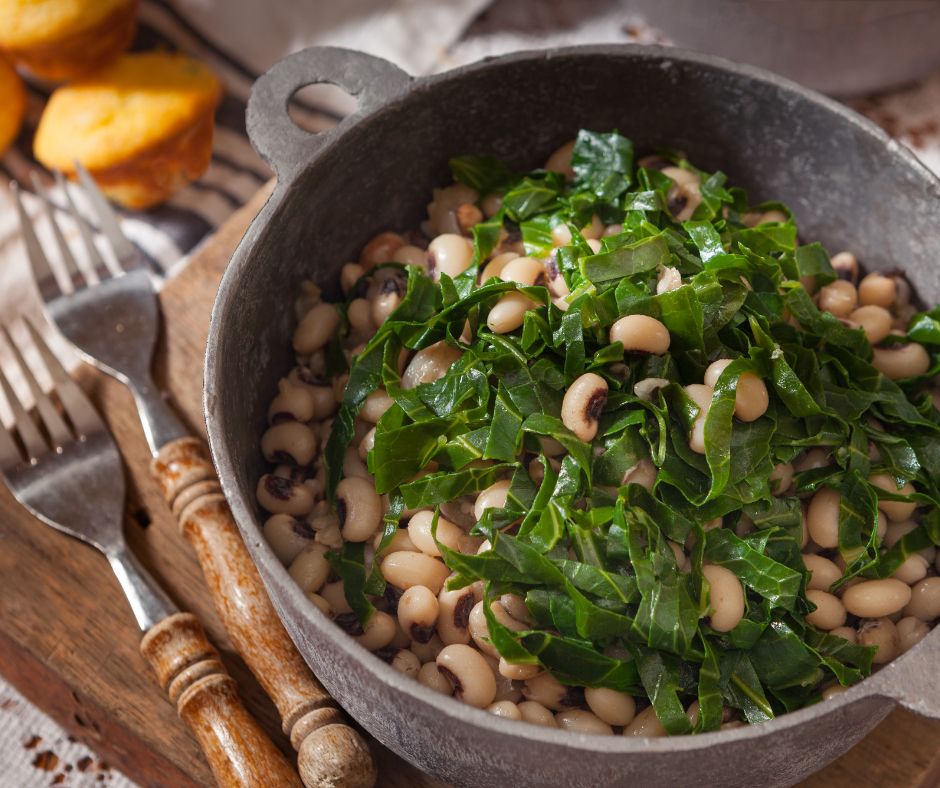
Collards: A Southern Tradition from Seed to Table, by Edward H. Davis and John T. Morgan
The Collard Patch, by Mary Lou Cheatham and Paul Elliot
The Taste of Country Cooking, by Edna Lewis
Where to find seeds, plants, and supplies:
First Choose a Container

Container gardening is a great way to add color, and life to any space, whether it’s a small patio or a large yard. With a little planning, anyone can be a successful container gardener. Follow these simple tips, and you’ll be on your way to enjoying delicious collard greens all season long.
One of the most important steps in container gardening is choosing the right pot or grow bag. Make sure to select a container that is at least 12 inches deep and has good drainage. A healthy collard plant can grow up to 3 feet high and enjoys a lot of organic matter.
Embrace the Cold: Easy Winter Container Garden Ideas
So it’s important to choose a pot that is the right size for the plant you want to grow. A wide pot (at least 12 inches) will also keep your precious plants from tipping over. Collard green leaves are large and flat at maturity. Which make makes them great at catching the wind.
A small pot will dry out quickly and won’t provide enough space for roots to grow, while a pot that is too large will hold too much moisture and could lead to root rot. If you start your plants from seed, start them off in small pots.
When your seedlings are large enough to transplant move them to a large pot and include plants that will mature quickly, herbs and flowers that can help your seedlings use the water required to moisten a large pot.
Create A Patio Oasis Using Potted Plants For Privacy
The Best Soil for Collards
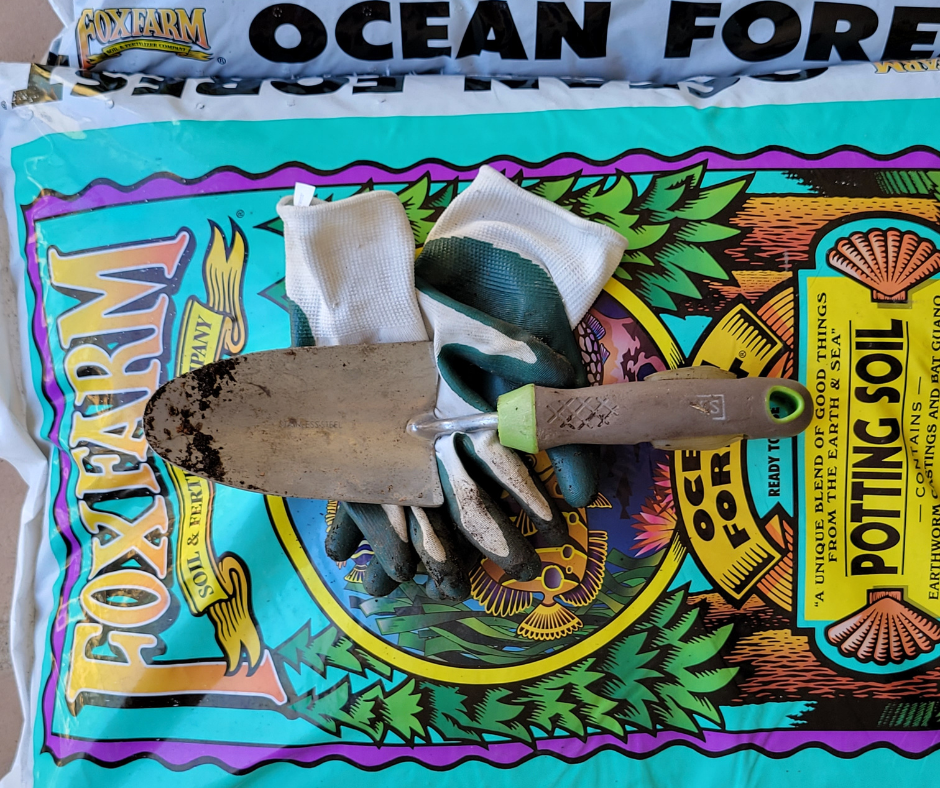
Once you’ve selected the perfect pot, it’s time to fill it with a quality potting mix. Be sure to use a mix that includes perlite or vermiculite, as these materials will help improve drainage and aeration. Fill the container with potting soil, leaving about 1 inch of space at the top.
Growing collards is a great way to enjoy fresh, healthy greens all season long. But in order to get the best results, you need to start with quality potting soil.
Here are a few things to look for when choosing potting soil when you grow collards in containers:
– A high percentage of organic matter. This will help your collards thrive by providing essential nutrients and improving drainage.
– A good balance of water retention and drainage. Collards need a lot of water, but the roots can easily rot if the soil is too wet. Look for a potting mix that will retain moisture without becoming soggy.
– A pH level between 6.0 and 7.0. This will ensure that your collards are able to uptake the nutrients they need from the soil.
I like to spoil my plants from the beginning to make sure they get a great start as well and produce the best tasting and nutritious produce possible. A high-quality soil mix with earthworm castings, bat guano, fish & crab meal may cost a little more upfront but is 100% worth it in the long run. Plus you won’t have to worry about buying all the amendments separately.
By following these tips, you can be sure to choose a potting mix that will help your collards grow strong and healthy all season long!
Once your pot is filled with potting mix, you’re ready to start planting!
How to Sow Collard Seeds
To get started, sow seeds in the soil, planting them about ½ inch deep. Space seeds 2-4 inches apart, and water well. Once the seedlings have emerged and have a set of true leaves, thin them out so that there’s only one plant every 6-8 inches. I would max out at three seedlings per pot for a large pot (at least 12 inches wide and 12 inches deep).
One of the many benefits of growing your own food is being able to try varieties that you will never find in a grocery store. Collards are no exception! There are yellow, purple, giant, and shiny leaf varieties out there. Southern Exposure Seed Exchange is my favorite place to find these gorgeous and massive heirloom varieties.
Find Purple Tree Collards at Territorial Seed Company
That way, if you lose one, it’s OK, and if the plants start to get crowded, you can harvest one or two, and the remaining grow to full size.
Planting Seedlings

You can also start with seedlings sold in small containers at nurseries and garden stores. Planting collard seedlings is a simple process that only requires a few supplies.
Fill the container with high-quality potting mix, leave at least an inch at the top for amendments and mulch, and then dig a hole that is large enough to accommodate the root ball of the seedling.
Gently place the seedling in the hole, being careful not to damage the roots, and then backfill the hole with potting mix. Water the seedling well, and place it in an area where it will receive full sun exposure if possible. Collards will also tolerate partial shade. Keep the soil moist (but not soggy).
If your collard seedlings are small and the pot has a lot of empty space, this is a good opportunity to add a few companion plants. Collards are part of the Brassica family. Plants in the Brassica family benefit from the company of aromatic herbs such as dill, sage, camomile, and rosemary.
Creating a Cool Oasis: The Importance of Shade in Your Garden
Small veggies such as onions, beets, and celery can also be planted with them. Don’t forget to add flowers! The tiny but powerful alyssum flower attracts beneficial insects. Nasturtium will give you beautiful edible flowers and act as a trap plant keeping aphids away from your veggies.
Try adding a side dressing of Earthworm castings to your seedlings. The plants will get a boost of nutrients, and an enzyme in earthworm castings called chitinase will help combat insect pests. With proper care, your collard seedling will grow into a healthy plant that is able to produce an abundance of nutrient-rich leaves.
When to Water and Fertilize

Continue to water regularly and fertilize every few weeks with a balanced fertilizer. When you grow collards in containers, it is important to keep soil nutrients high. Collard greens are heavy feeders, and when water runs out of the bottom of the container, it often takes some nutrients with it.
There are a few things to consider when choosing the best fertilizer for collards. First, what time of year are you growing them?
Collards are a cool-season crop, so they do best in spring and fall. If you’re growing them in the summer, you’ll need to choose a fertilizer that’s high in nitrogen to help them stay green and grow.
Second, what kind of soil do you have? If your soil is already rich in nutrients, you won’t need to use as much fertilizer. However, if your soil is poor or sandy, you’ll need to use more fertilizer and supplement regularly with natural amendments to ensure your collards get the nutrients they need.
Finally, how often do you want to fertilize? You can fertilize once a month or every couple of weeks, depending on your preference. Whichever way you choose, be sure to follow the instructions on the fertilizer package carefully. For collards, a good all-purpose fertilizer will do the trick.
I like to drench the soil and leaves with a fish emulsion and seaweed solution bi-weekly. The fish emulsion delivers extra nitrogen, and the seaweed has lots of nutrients that help guard against heat damage and pest damage.
Check Frequently for Pests and Diseases

Remove any yellow or wilted leaves on a regular basis. You don’t want damaged leaves draining water and nutrients from the mother plant. Plus, wilted and damaged leaves can attract pests.
The Best Natural Pest Control Solutions
Though they are hearty and nutritious plants, collards are not immune to pests. The three most common pests of collards are aphids, cabbage loopers, and flea beetles. Aphids are small, pear-shaped insects that feed on the sap of plants. They are often found in large numbers on the undersides of leaves.
Cabbage loopers are small caterpillars that eat holes in the leaves of collards and other plants in the cabbage family. Flea beetles are tiny black bugs that jump when disturbed. They feed on the leaves of collards, causing small holes or “shotholes.”
While these pests can damage collard plants, they can be controlled with simple natural solutions. Hand-picking and spraying with a jet of water will remove pests from plants and are often effective, especially for small infestations.
The Many Benefits of Companion Gardening: What You Need to Know
Including companion plants nearby or in the same pot can attract beneficial insects that feast on plant pests. For example, ladybugs feed on aphids, while wasps parasitize caterpillars, and lacewings prey on a variety of destructive garden pests. Keeping these beneficial insects around can help to keep populations of collard plant pests under control.
There are a few books I refer to on a regular basis when planning my gardens with companion planting in mind. They are:
Carrots Love Tomatoes: Secrets of Companion Planting for Successful Gardening,
Roses Love Garlic: Companion Planting and Other Secrets of Flowers
Vegetables Love Flowers: Companion Planting for Beauty and Bounty.
To attract these beneficial insects to your garden, try planting some of their favorite plants, such as dill, fennel, cilantro, basil, yarrow, nasturtiums, or Cosmos. In addition to providing food for these beneficial insects, these plants also help to naturally repel certain pests, further protecting your garden. They will also make your patio look and smell great!
For larger infestations, spraying plants with insecticidal soap may be necessary. But be careful any spray can hurt pests as well as your beneficial insects!
Harvest collard greens when they are 6-8 inches long

To harvest collard greens, simply cut the leaves at the base of the plant using a sharp knife. Be sure to leave enough leaves on the plant so that it can continue to grow. Harvesting after a light frost will increase the sweetness and reduce the bitterness of collard greens.
If you are harvesting more than you need for one meal, the excess leaves can be stored in a plastic bag in the refrigerator for up to a week. When harvesting collard greens, it is important to handle them carefully to avoid bruising the tender leaves.
Growing Mushrooms Made Easy: Discover the Magic of Mushroom Grow Bags
Collard Green Recipe Ideas

Collard greens are a delicious and nutritious addition to any meal. They are packed with vitamins and minerals, and their slightly bitter flavor pairs well with many other foods. Thanks to their versatility, collard greens can be used in a variety of dishes, from soups and stews to side dishes and salads.
Here are three easy collard recipes that anyone can make:
– Collard wraps: These make a great light lunch or appetizer. Simply spread your favorite hummus or spread on a collard leaf, and then top with marinated or fresh shredded veggies. Roll up and enjoy!
-Sautéed collards: This is a quick and easy side dish that goes well with just about anything. Simply sauté chopped collards in a little olive oil until they’re wilted. Season with salt, pepper, and any other spices you like.
– Braised collards: For a heartier dish, try braising collards. Start by sautéing some chopped bacon in a large pot. Add the collards, chile flakes, and chicken broth, and then bring to a simmer. Cover and cook until the collards are tender, about 30 minutes. Season with salt, pepper, and vinegar to taste. Serve with cornbread or rice for a complete meal.
These are just a few ideas to get you started – experiment and come up with your own favorite collard recipes.
Health Benefits of Collard Greens
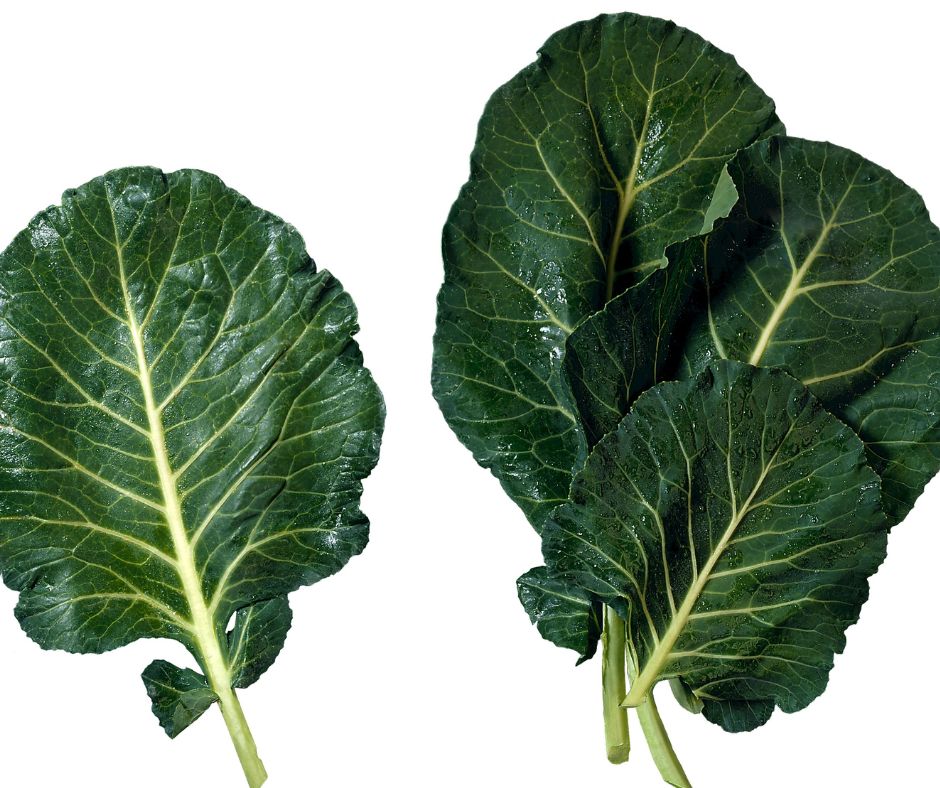
Packed with nutrients: Collard greens are an excellent source of vitamins A, C, and K, as well as manganese and calcium. They also contain sulforaphane, a compound that has been shown to have cancer-preventative properties.
Aids in digestion: Collard greens are high in fiber, which helps to keep the digestive system running smoothly. Fiber also helps to prevent constipation and keep you feeling full longer.
Lowers cholesterol: The fiber in collard greens binds to bile acids, helping to lower cholesterol levels.
Nutrients and bioactives in green leafy vegetables and cognitive decline
Fights inflammation: Collard greens contain compounds that help to reduce inflammation throughout the body.
Weight loss: Thanks to their high fiber content, collard greens can help you lose weight or maintain a healthy weight. Fiber helps to keep you feeling full longer and prevents overeating.
Bottom line: Collard greens are a nutritious and versatile vegetable that can be enjoyed in many different dishes. They are easy to cook and offer a variety of health benefits.
Calendula’s Garden is reader-supported. When you buy through links on our site, we may earn an affiliate commission. As an Amazon Associate, I earn from qualifying purchases. For more information, view our Disclaimer page.
Collard Green Growing Resources:
Seed Savers Exchange and Johnny’s Seeds also carry a few interesting varieties of collard green seeds.
Fertilizer: Neptune’s Harvest Fish & Seaweed Fertilizer, Dr Earth Premium Gold Organic All Purpose Fertilizer
Potting Soil: FoxFarm Ocean Forest Organic Potting Soil
Visit the Garden Resources page for supplies and inspiration. Don’t forget to subscribe to the Calendula’s Garden Newsletter for more gardening tips.
Calendula’s Garden is reader supported. When you buy through links on our site, we may earn an affiliate commission. As an Amazon Associate, I earn from qualifying purchases. For more information, view our Disclaimer page. Thank you!