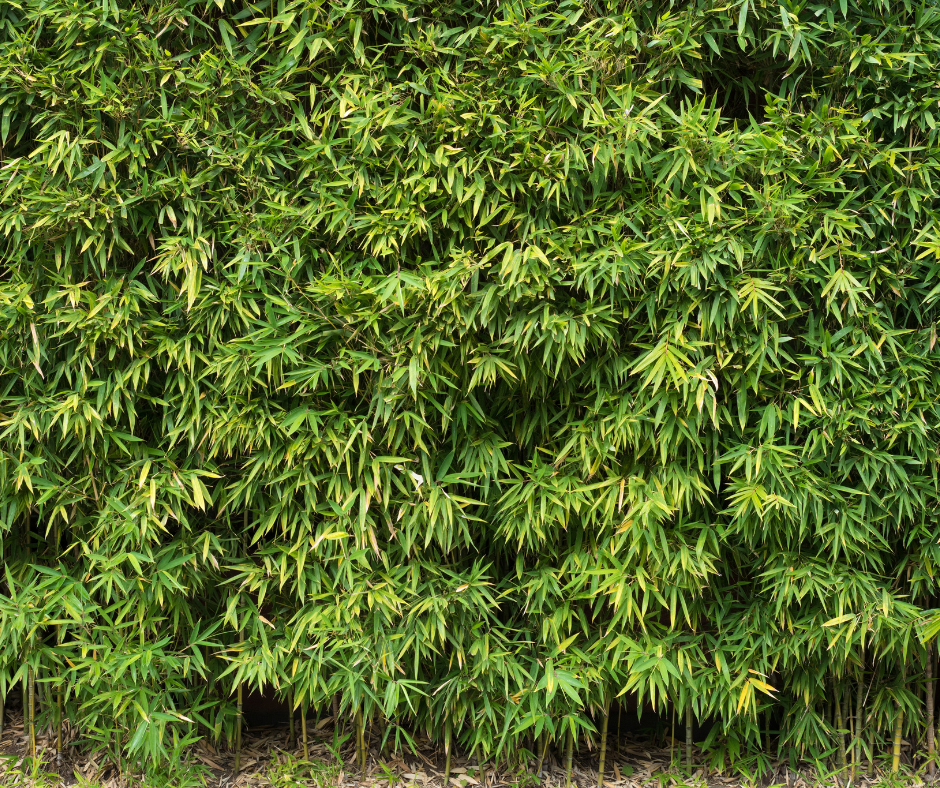
How To Plant A Bamboo Privacy Screen
Calendula's Garden is reader suported This post may contain affiliate links, more on our Disclaimer page. Thank you!
Bamboo is a beautiful and versatile plant that can be used in many ways in the garden.
In this article, we will discuss the best types of bamboo for privacy screens, how to plant bamboo, the proper way to water bamboo plants, and how to fertilize and protect your bamboo garden. We will also provide some tips for harvesting and preserving bamboo.

Bamboo Characteristics Table
| Characteristic | Description |
| Common Name | Bamboo |
| Botanical Name | Subfamily Bambusoideae (common genera include Phyllostachys, Fargesia, and Bambusa) |
| Plant Type | Woody perennial evergreen grass |
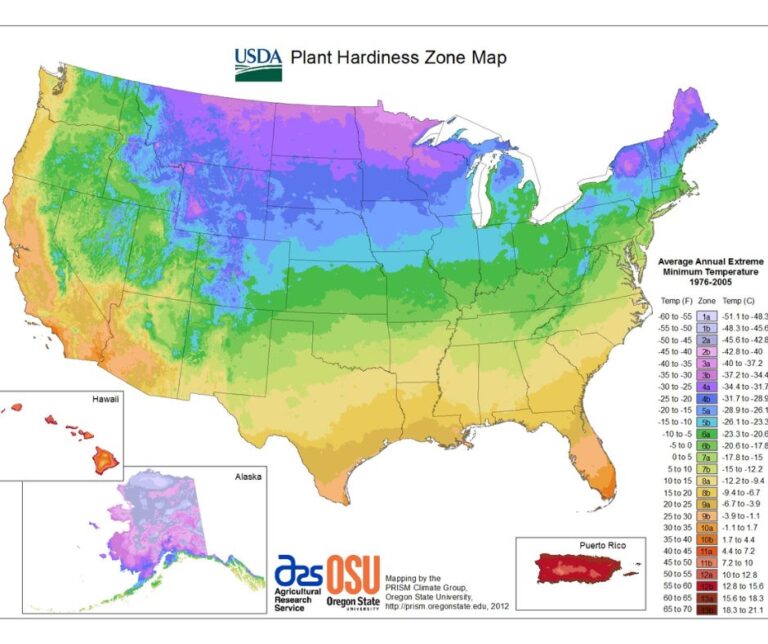
| USDA Hardiness Zones | Zones 5–11 (varies significantly by species; Fargesia varieties are cold-hardy, while Bambusa varieties are tropical) |
| Mature Height | 2 to 70+ feet (ranges from dwarf groundcovers to giant timber bamboo) |
| Mature Spread | Variable; “Clumping” varieties spread slowly (3–10 feet), while “Running” varieties can spread indefinitely and aggressively if not contained. |
| Light Requirements | Full sun to partial shade (most varieties thrive with at least 4–6 hours of direct sun, though some shade lovers exist) |
| Moisture Requirements | Moderate; prefers consistent soil moisture, especially during active growth. Does not tolerate soggy soil or standing water. |
| Soil Preference | Rich, well-drained, loamy soil high in organic matter; prefers a slightly acidic to neutral pH (6.0–6.5). |
| Bloom Time | Extremely rare and irregular; flowering cycles can range from 40 to 120 years depending on the species. |
| Special Consideration | Running vs. Clumping: It is critical to know which type you are planting. Running bamboo requires a root barrier to prevent it from becoming invasive. |
The Best Types of Bamboo for Privacy Screens
Whether you’re looking for privacy screening, ornamental interest, or simply a fast-growing windscreen that’s easy to care for, bamboo is a great choice.
What bamboo is best for privacy? With so many different types of bamboo available, it can be tough to choose the right one for your garden. We prefer clumping bamboo because it doesn’t spread aggressively and can be planted in containers.
Here are a few of the best types of bamboo for backyard gardens:
Fargesia
This type of clumping bamboo is known for its upright growth habit and dense foliage, making it an excellent choice for privacy screening. Fargesia is also relatively slow-growing, so it won’t take over your garden like some other types of bamboo can.
Bambusa: Bambusa oldhamii
Known as giant timber another good choice for privacy screening, thanks to its dense growth habit. It’s also fairly fast-growing, so if you’re looking for bamboo that will fill in quickly, this is a good option. This clumping variety is easy to grow and maintain as a hedge.
Phyllostachys
Phyllostachys or Fishpole is one of the most popular types of bamboo due to its attractive appearance and hardiness. It’s a good choice for both privacy screening and ornamental use, and it’s also fairly fast-growing running bamboo.
When it comes to bamboo, there are two main types: clumping and running. Clumping bamboo is slower growing and forms dense clusters, while running bamboo can spread rapidly and can be difficult to control.
15 Must Have Subtropical Fruit Trees for Your Garden Oasis
Both types of bamboo are vigorous growers and can reach heights of up to 30 feet. However, running bamboo is generally more aggressive and can easily overrun a garden if not properly managed. As a result, many gardeners prefer clumping bamboo for its more manageable growth habit.
Cold Hardy Bamboo
There are many varieties of cold hardy bamboo, each with its own distinct appearance and hardiness. Many of the most popular varieties, such as Phyllostachys bambusoides and
Fargesia rufa
Native to colder climates and can thrive in temperatures as low as -15 degrees Fahrenheit. Other notable cold hardy varieties include Sasa veitchii, which is known for its striking variegated leaves, and Pleioblastusfortunei, a dwarf variety that is perfect for small gardens.
Budget Friendly Privacy Screen Ideas for Your Patio
Fargesia nitida
Is a variety that is native to the Himalayan mountains. It is known for its fast growth and ability to survive in temperatures as low as -20 degrees Fahrenheit.
Phyllostachys bambusoides
Is another variety native to China. It is one of the tallest types of bamboo, and it can grow up to 40 feet in height.
Similarly, the Pleioblastus fortunei is a dwarf variety that only grows to about 3 feet in height. It is popular among gardeners because it is very easy to care for. No matter what your needs, there is sure to be a cold hardy bamboo variety that’s perfect for you.
Tropical Bamboo
If you’re looking for a tropical bamboo plant for your backyard garden, there are several varieties to choose from. One popular option is the
Golden Bamboo
Features bright yellow stalks that can add a touch of color to any landscaping.
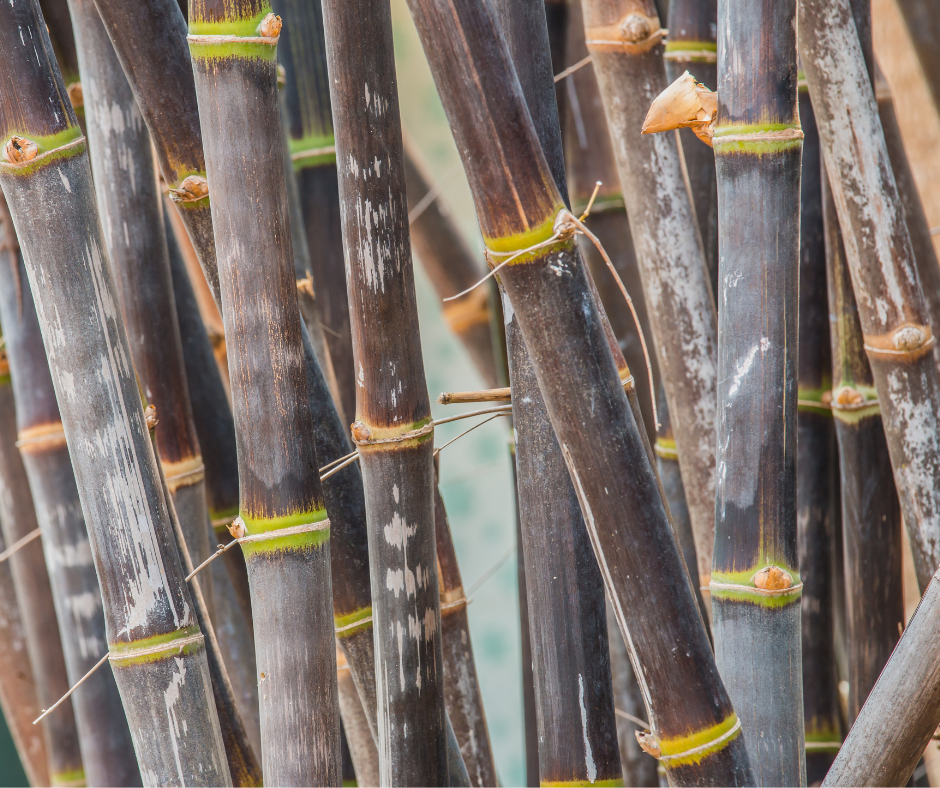
Black Bamboo
This striking variety has dark, almost black-colored stalks that can create a dramatic look in your garden.
Privacy Ideas for Small Backyards: Creative Solutions for Intimate Outdoor Spaces
There are also varieties that are known for their ability to withstand strong winds, such as the ” hurricane bamboo.” Whatever your preference, there’s sure to be a tropical bamboo plant that’s perfect for your backyard garden.
To protect your tropical bamboo plants from cold weather, cover them with a layer of mulch in the fall.
Tropical bamboo is frost-sensitive, so it’s important to take steps to protect it during the winter months. In areas where temperatures regularly dip below freezing, it’s best to grow bamboo in containers that can be moved indoors during the winter.
Bamboo Plants and Inspiration
Where to find bamboo plants – Greenlife by Sahmus O’leary , Tropical Bamboo , Nature Hills Nursery
Fertilizer– Easy Peasy Urea Fertilizer- 46-0-0 Plant Food 5 Pound Bag , 46-0-0 OptiFeed™ Gold Stabilized Nitrogen
Books:
Practical Bamboos: The 50 Best Plants for Screens, Containers and More
by Paul Whittaker
How to a Plant Bamboo Privacy Screen
Bamboo is a fast-growing plant, so plant 3-5 feet apart to achieve a thick privacy screen. When planting bamboo for privacy, choose a spot that’s sunny and well-drained.
Bamboo also prefers slightly acidic soil, so if your soil is on the alkaline side, you may need to amend it with sulfur before planting.
To plant bamboo, dig a hole that’s twice as wide and deep as the root ball. loosen the roots gently, then place the plant in the hole and backfill it with soil. Water well to settle the roots, then mulch around the base of the plant to help keep the roots cool and moist.
The Proper Way to Water Bamboo Plants
Bamboo is a hardy plant that doesn’t require a lot of water, but it’s important to water it regularly every couple of days during the first growing season to help the roots establish. Once established, bamboo can tolerate drought conditions fairly well, and you can water it once a week.
However, if you live in an area with hot summers, you may need to water your bamboo more frequently to keep it from drying out.
Create Secluded Serenity A Private Gazebo
To water bamboo, use a soaker hose or drip irrigation system to apply water slowly and evenly at the base of the plant. The roots aren’t deep, so there is no need to water for a long time. The following drip equipment has worked great for us in Arizona:
Orbit B-hyve XD 4-Port Smart Hose Watering Timer
Rain Bird Drip Irrigation Landscape/Garden Watering Kit with Drippers, Micro-Bubblers, Micro-Sprays
Rain Bird Drip Irrigation Pressure Compensating 1/4″ Emitter Tubing, 6″ Emitter Spacing, 50 Roll
It’s more important to water frequently in the first year to keep the rootball moist. Avoid getting the leaves wet, as this can promote fungal diseases. Water in the morning so that the leaves have time to dry off before nightfall.
Fertilizing Bamboo

Bamboo is a fast-growing plant, so it’s important to fertilize it regularly to encourage strong growth. Use a balanced fertilizer that’s formulated for bamboo or other fast-growing plants.
When planting bamboo for privacy, you want fast, lush growth. Apply fertilizer every four to six weeks during the growing season for the best results. I fertilize on the first of every month to keep my fertilization schedule simple.
There are many different types of fertilizers that can be used for bamboo plants, but not all of them are created equal. For best results, choose a fertilizer that is high in nitrogen and low in phosphorus, like Easy Peasy Urea Fertilizer- 46-0-0 Plant Food.
This will help encourage growth without causing the plant to become “leggy.” In terms of timing, it’s best to fertilize bamboo plants during the spring and summer months when they are actively growing.
Refer to our article 7 Best Garden Soil Amendments and Fertilizers for additional natural side dressings that will help keep your plants healthy. However, you should avoid fertilizing new bamboo plants until they have been in the ground for a couple of months.
With a little trial and error, you’ll soon find the fertilizer that gives your bamboo plants the boost they need to thrive.
Protecting Bamboo from Pests and Diseases
Bamboo is a popular plant for many reasons. It’s versatile, it’s attractive, and it’s easy to care for. However, bamboo is also susceptible to pests and diseases. Common problems include leaf spot, rust, brown spot, and root rot.
These can be difficult to control, so it’s important to stay on top of them. Leaf spot is a fungal disease that causes brown or yellow spots to form on the leaves.
Rust is another fungal disease that can cause the leaves to turn brown or red. Root rot is caused by too much moisture, and it can kill the plant.
For example, brown spot can be controlled by removing affected leaves and increasing air circulation around the plant.
Cane blight can be treated with fungicides, and root rot can be prevented by making sure the plant is not overwatered.
Harvesting and Preserving Bamboo
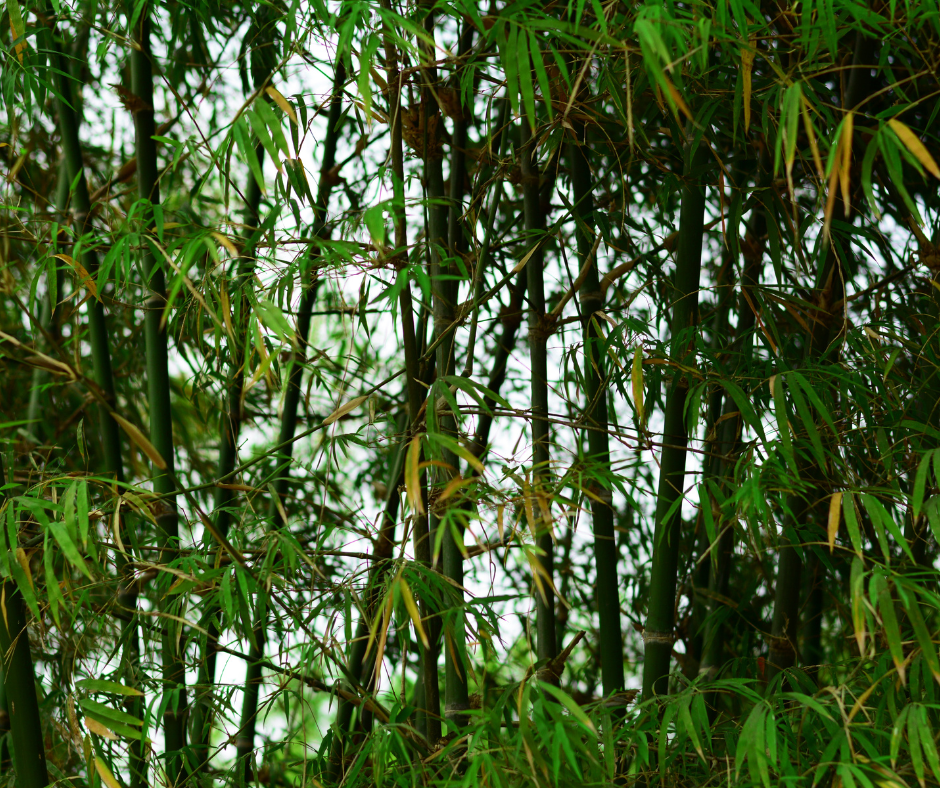
If you’re growing bamboo for its edible shoots, you’ll need to harvest them before they get too big. The best time to harvest bamboo is in the spring when the shoots are 6-8 inches tall. To harvest, simply cut the shoots at ground level with a sharp knife.
Bamboo shoots can be eaten raw or cooked, and they’re a popular ingredient in Asian cuisine. To preserve bamboo shoots, you can pickle them, can them, or freeze them.
Bamboo is an amazing plant. It’s strong, versatile, and beautiful, which is why it’s become such a popular material for everything from garden stakes and furniture to flooring and handicrafts.
If you’re lucky enough to have bamboo growing in your yard, you may be wondering how to preserve it for future use. The good news is that there are several easy ways to do this. One option is to simply keep the canes in a cool, dry place until you’re ready to use them.
Another option is to treat the canes with a preservative such as linseed oil or tung oil. This will help to extend the life of the bamboo and prevent it from drying out and cracking by protecting the bamboo from moisture and insects.
Another option is to seal the bamboo with a clear lacquer or varnish. This will give the bamboo a glossy finish and will also help to protect it from the elements.
Whichever method you choose, preserving bamboo is a great way to ensure that you have a supply on hand for all of your future projects.
Visit the Garden Resources page for supplies and inspiration. Don’t forget to subscribe to the Calendula’s Garden Newsletter for more gardening tips.
Calendula’s Garden is reader-supported. When you buy through links on our site, we may earn an affiliate commission. As an Amazon Associate, I earn from qualifying purchases. For more information, view our Disclaimer page.
Bamboo Growing Resources
Where to find bamboo plants – Greenlife by Sahmus O’leary , Tropical Bamboo
Fertilizer– Easy Peasy Urea Fertilizer- 46-0-0 Plant Food 5 Pound Bag , 46-0-0 OptiFeed™ Gold Stabilized Nitrogen
Books:
Practical Bamboos: The 50 Best Plants for Screens, Containers and More
by Paul Whittaker