How to Grow Calendula from Seed: A Step-by-Step Guide
Calendula's Garden is reader suported This post may contain affiliate links, more on our Disclaimer page. Thank you!
Calendula, often called “pot marigold,” is a versatile and beautiful flowering plant known for its bright yellow-orange blooms.
Not only does it add a splash of color to gardens, but it’s also valued for its medicinal properties. Calendula flowers are often used in herbal remedies, skincare products, and even culinary dishes.

Calendula Characteristics Table
| Characteristic | Description |
| Common Name | Calendula, Pot Marigold |
| Botanical Name | Calendula officinalis |
| Plant Type | Herbaceous annual (may act as a short-lived perennial in mild climates) |
| USDA Hardiness Zones | Zones 2–11 (grown as an annual) |
| Mature Height | 1 to 2 feet |
| Mature Spread | 1 to 2 feet |
| Light Requirements | Full sun to partial shade (blooms best in full sun) |
| Moisture Requirements | Moderate; water regularly but do not overwater. Prefers consistent moisture but can tolerate short dry spells. |
| Soil Preference | Adaptable to most soil types, but prefers well-drained, fertile loam. Tolerates average to poor soils. |
| Bloom Time | Late spring through fall until the first hard frost. Can bloom year-round in mild winter climates. |
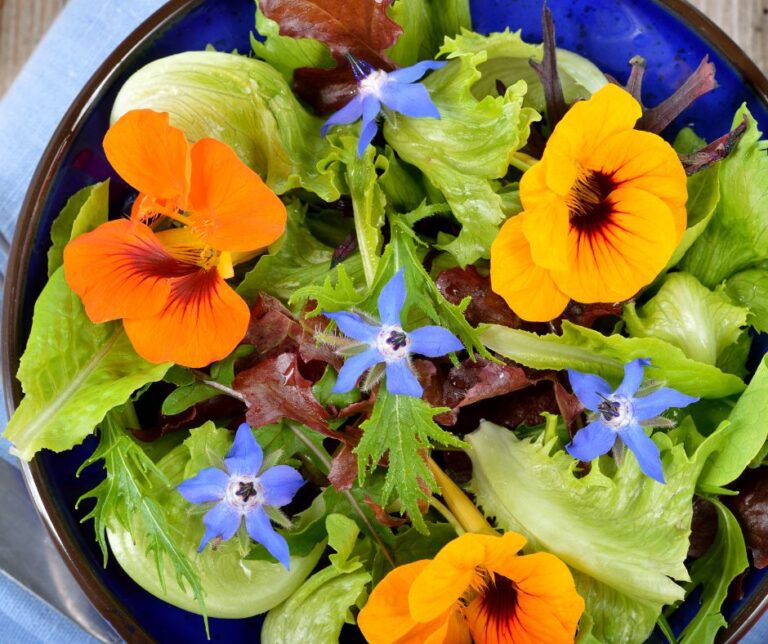
| Special Features | Edible flowers with a peppery taste; petals are used in salads and as a natural food dye. Known for its medicinal properties and ability to attract beneficial insects. Readily self-seeds. |
Preparing the Soil
Selecting the Right Soil
Calendula thrives in well-draining soil rich in organic matter. Aim for a pH level between 6.0 and 7.0.
If your garden soil is heavy clay, amend it with compost or well-rotted manure to improve drainage and fertility.
Preparing the Planting Area
- Choose a Sunny Spot: Calendula prefers full sun but can tolerate partial shade. Ensure the selected area receives at least 6 hours of sunlight daily.
- Loosen the Soil: Use a garden fork or tiller to loosen the soil to a depth of about 12 inches. This helps the roots penetrate more easily.
- Add Compost: Mix in a layer of compost to enrich the soil with nutrients.
Where to find seeds, plants, and supplies:
Best Time to Plant
The ideal time to sow Calendula seeds is in early spring, after the last frost has passed. In warmer climates, you can also plant them in the fall for winter blooms.
Sowing Calendula Seeds
Prepare the Seeds: Calendula seeds are small and crescent-shaped. They don’t require any special treatment before planting.
Sow the Seeds: Scatter the seeds evenly over the prepared soil. If planting in rows, space the seeds about 6-12 inches apart.
Cover Lightly: Lightly cover the seeds with a thin layer of soil, about 1/4 inch deep. Press down gently to ensure good seed-to-soil contact.
The Power of Calendula Plants in Companion Gardening
Watering: Water the area gently but thoroughly, keeping the soil moist until the seeds germinate. This usually takes about 7-14 days.
Care and Maintenance
Watering
Calendula prefers evenly moist soil but can tolerate short dry spells. Water the plants regularly, especially during prolonged dry periods.
Avoid overhead watering to prevent fungal diseases. So we use drip irrigation in all of our garden beds. It makes gardening so much easier. The following equipment has survived the heat in Arizona and continues to work well for us in our grow beds:
Orbit B-hyve XD 4-Port Smart Hose Watering Timer
Rain Bird Drip Irrigation Landscape/Garden Watering Kit with Drippers, Micro-Bubblers, Micro-Sprays
Rain Bird Drip Irrigation Pressure Compensating 1/4″ Emitter Tubing, 6″ Emitter Spacing, 50 Roll
Fertilizing
Calendula doesn’t require heavy feeding. Apply a balanced, all-purpose fertilizer once a month during the growing season.
Avoid excessive nitrogen, as it can lead to lush foliage at the expense of blooms.
Protecting from Pests and Diseases
- Pests: Common pests include aphids and whiteflies. Use insecticidal soap or neem oil to control infestations.
- Diseases: Watch for powdery mildew and root rot. Ensure good air circulation and avoid overwatering to minimize the risk.
The Best Natural Pest Control Solutions
Harvesting Calendula
When to Harvest: Harvest Calendula flowers when they are fully open but before they start to fade. This ensures maximum potency for medicinal uses.
How to Harvest: Use sharp scissors or garden shears to cut the flowers just above a set of leaves. Regular harvesting encourages more blooms.
Drying Flowers: Spread the flowers on a screen or paper towel in a cool, dry place. Once dried, store them in an airtight container away from direct sunlight.
Top Tips for Harvesting and Drying Calendula Flowers
Seed Saving
Allow Flowers to Go to Seed: Leave some flowers on the plant to mature and develop seeds.
Collect Seeds: Once the seed heads are dry and brown, gently break them open to collect the seeds.
Store Seeds: Store the seeds in a cool, dry place in a paper envelope or glass jar. Label them with the date and variety for future planting.
Growing Calendula from seeds is a simple and rewarding project that offers both aesthetic and practical benefits. By following these steps, you’ll be well on your way to cultivating a vibrant and medicinally useful garden. Happy gardening!
Visit the Garden Resources page for supplies and inspiration. Don’t forget to subscribe to the Calendula’s Garden Newsletter for more gardening tips.
Calendula’s Garden is reader supported. When you buy through links on our site, we may earn an affiliate commission. As an Amazon Associate, I earn from qualifying purchases. For more information, view our Disclaimer page. Thank you!