How to Grow Beautiful Edible Flowers Indoors
Calendula's Garden is reader suported This post may contain affiliate links, more on our Disclaimer page. Thank you!
Have you ever wished you could add a splash of color and flavor to your meals while bringing the uplifting nature of the outdoors indoors? Growing edible flowers indoors might be exactly what you’re looking for.
These delightful blooms offer more than just visual appeal. They pack surprising nutritional benefits and can transform your kitchen into a vibrant garden space.
Whether you’re a busy professional with limited time, a beginner gardener feeling overwhelmed by outdoor gardening, or someone living in an apartment with no yard space, an indoor edible flower garden is surprisingly achievable. You don’t need a green thumb or extensive gardening experience to get started.
The beauty of indoor gardening lies in its controlled environment. You can grow fresh, pesticide-free flowers year-round, regardless of weather conditions or seasonal limitations.
Plus, there’s something deeply satisfying about watching tiny seeds transform into colorful, fragrant blooms that eventually grace your dinner plate.
This guide will walk you through everything you need to know about creating your own indoor edible flower garden, from selecting the right supplies to troubleshooting common issues.
By the end, you’ll have the confidence to start growing these beautiful, nutritious additions to your meals right from your windowsill or countertop.
The Surprising Health Benefits of Edible Flowers
Before we dive into the how-to details, let’s explore why edible flowers deserve a place in your diet. These colorful blooms aren’t just pretty garnishes. They’re nutritional powerhouses that can boost your health in unexpected ways.
Many edible flowers are rich in vitamins A and C, which support immune function and skin health. Nasturtiums, for example, contain high levels of vitamin C.
Even more than some citrus fruits. Pansies provide flavonoids, powerful antioxidants that help protect your cells from damage caused by free radicals.
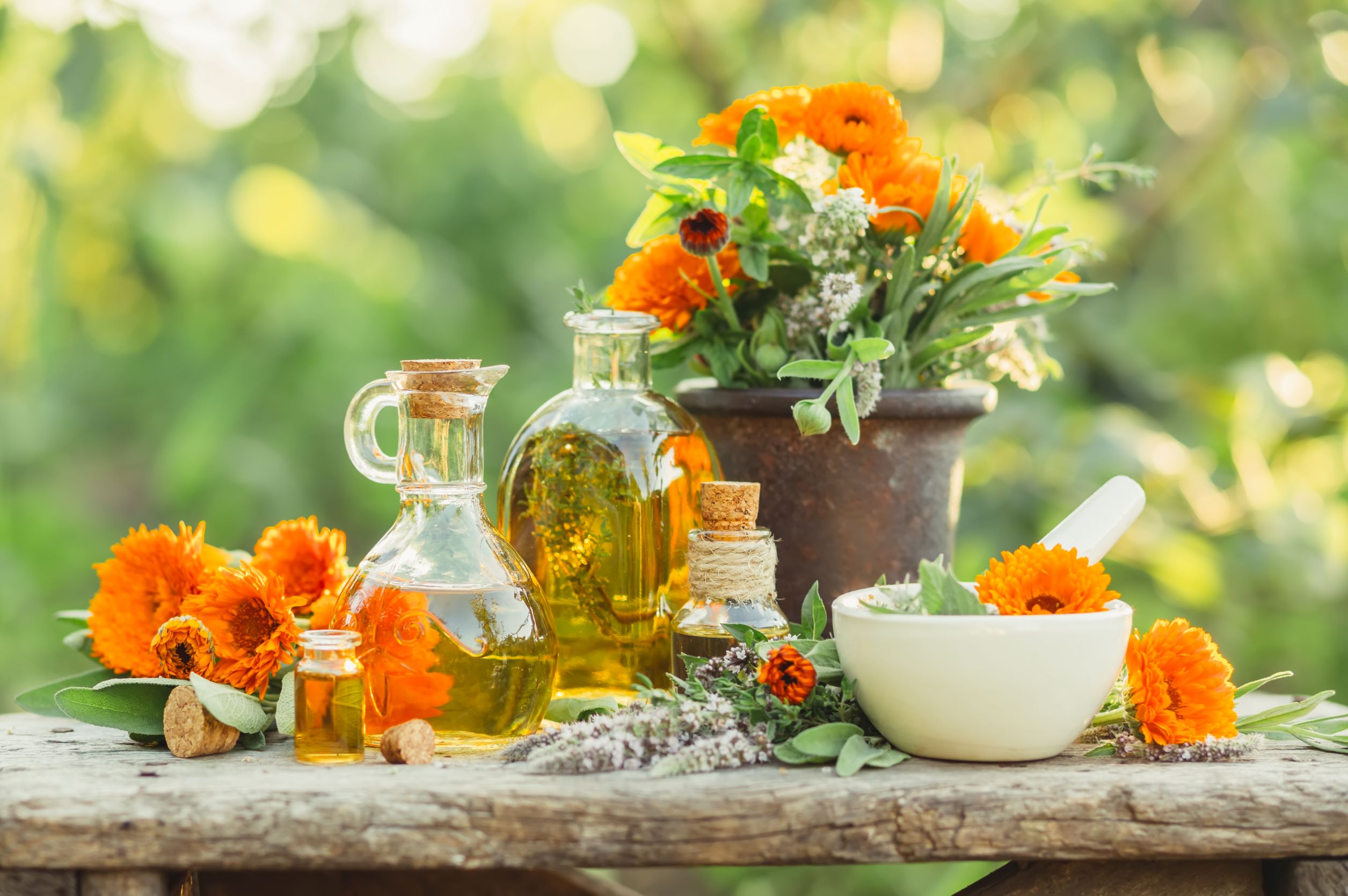
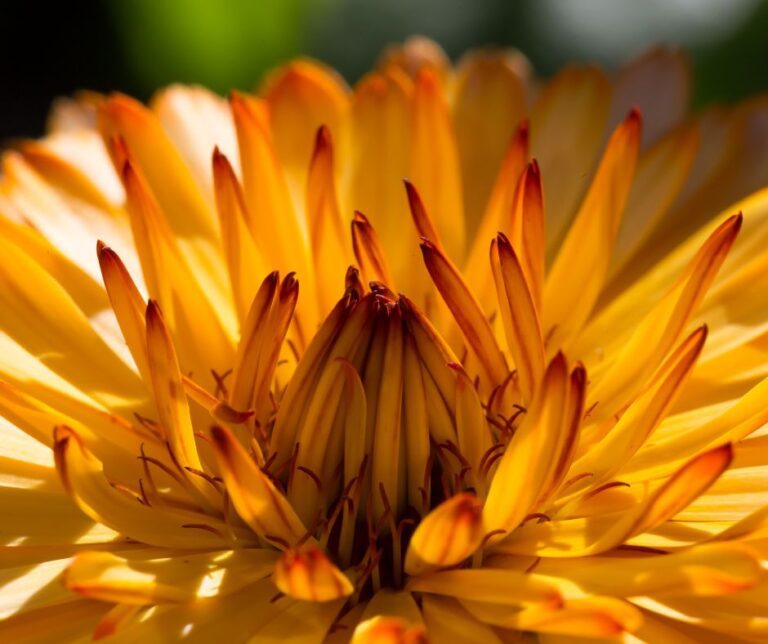
Calendula petals have been used for centuries for their anti-inflammatory properties. These bright orange and yellow flowers contain compounds that may help soothe digestive issues and support wound healing.
Meanwhile, chamomile flowers offer gentle calming effects and can aid in relaxation and better sleep quality.
Create Stunning Flower Ice Cubes For Any Occasion
Violets are packed with vitamins A and C, along with mucilage, a substance that can help soothe irritated mucous membranes. This makes violet flowers particularly beneficial for respiratory health during cold and flu season.
The antioxidant content in edible flowers can contribute to overall wellness by supporting your body’s natural defense systems. Some varieties, like rose petals, contain compounds that may help reduce inflammation and support heart health.
What makes these benefits even more appealing is that you only need small amounts to make a difference.
A few flower petals sprinkled on your salad or stirred into your tea can provide meaningful nutritional value while adding unique flavors that range from peppery and spicy to sweet and floral.
Essential Supply List for Your Indoor Edible Flower Garden
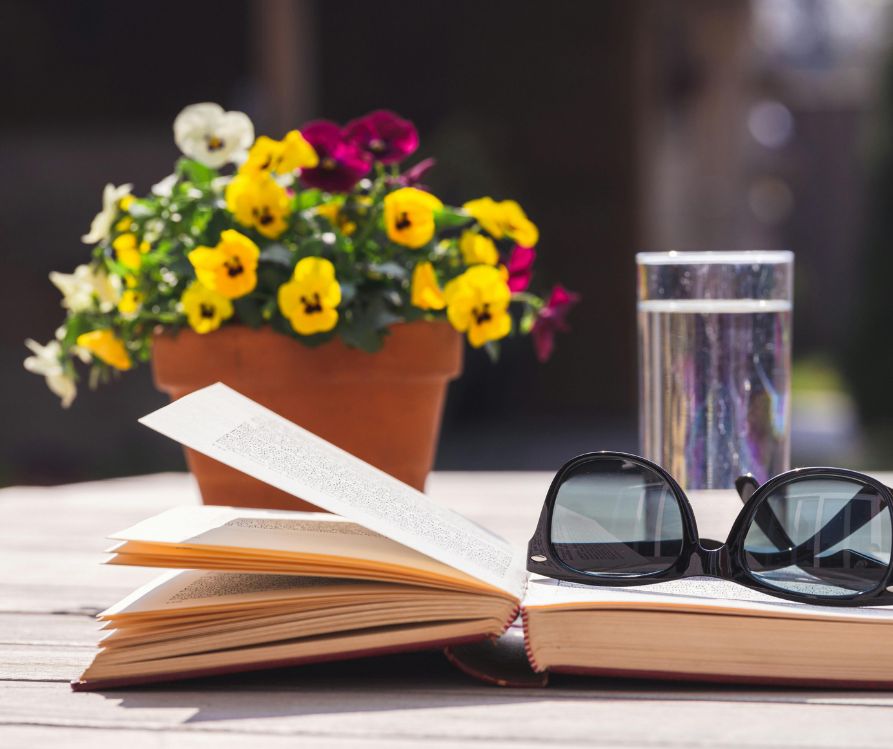
Getting started with indoor edible flowers doesn’t require a huge investment or complicated equipment. Here’s what you’ll need to create a thriving indoor garden that fits your space and budget.
Containers and Pots
Choose pots that are at least 4-6 inches deep with drainage holes. Terra cotta pots work wonderfully because they’re porous and allow roots to breathe, but plastic containers are lighter and retain moisture longer.
D’vine Dev Terracotta Pots for Plants
For small flowers like pansies or violets, 4-inch pots work perfectly. Larger plants like nasturtiums need 6-8 inch containers.
Utopia Home Plant Pots with Drainage Holes – Set of 5 White Plastic Flower Pots
Window boxes are excellent if you have a sunny windowsill, as they allow you to grow multiple varieties in one container. Just ensure proper spacing between plants to prevent overcrowding.
Soil and Growing Medium
High-quality potting mix is essential for healthy indoor plants. Look for a lightweight, well-draining blend designed for containers. Avoid garden soil, which becomes too heavy and doesn’t drain properly in pots.
Many gardeners prefer organic potting mixes that include compost or worm castings, as these provide slow-release nutrients.
FoxFarm Ocean Forest Potting Soil, 12qt
If you want to create your own mix, combine equal parts peat moss or coconut coir, vermiculite, and compost.
Where to find seeds, plants, and supplies:
While you can purchase seedlings from nurseries, starting from seeds gives you more variety options and costs less. Look for organic, non-GMO seeds from reputable suppliers. Popular beginner-friendly options include pansies, nasturtiums, calendula, and chamomile.
If you’re eager for quicker results, starter plants from your local garden center can give you a head start, especially for slower-growing varieties.
Lighting Solutions
Most edible flowers need 4-6 hours of direct sunlight daily. A south-facing window typically provides the best natural light. However, if your space lacks adequate natural light, LED grow lights are an excellent investment.
LED Grow Light,6000K Full Spectrum Clip Plant Growing Lamp
Barrina T5 5000K Full Spectrum, 1FT LED Growing Lamp, Plant Light Strip
Full-spectrum LED lights work best because they provide the complete light spectrum plants need for healthy growth. Position lights 12-18 inches above your plants and run them for 12-14 hours daily to supplement natural light.
Watering and Feeding Supplies
A small watering can with a narrow spout helps you water precisely without disturbing delicate seedlings. A spray bottle is useful for misting and maintaining humidity around your plants.
For fertilizer, choose a balanced, liquid organic fertilizer diluted to half strength. Fish emulsion or kelp meal works excellently for edible plants. You’ll also want a small measuring cup for accurate dilution.
Additional Helpful Tools
Small gardening tools, like a hand trowel and scissors for harvesting, make maintenance easier. A humidity tray, simply a shallow dish filled with pebbles and water, can help maintain proper moisture levels around your plants.
Consider getting a soil thermometer to monitor root zone temperature, which is especially helpful if you’re growing in a basement or cooler room.
Best Edible Flower Varieties for Indoor Growing
Not all edible flowers thrive indoors, but several varieties adapt beautifully to container life indoors and on the patio. Here are the top choices that combine ease of growing with delicious flavors.
Calendula
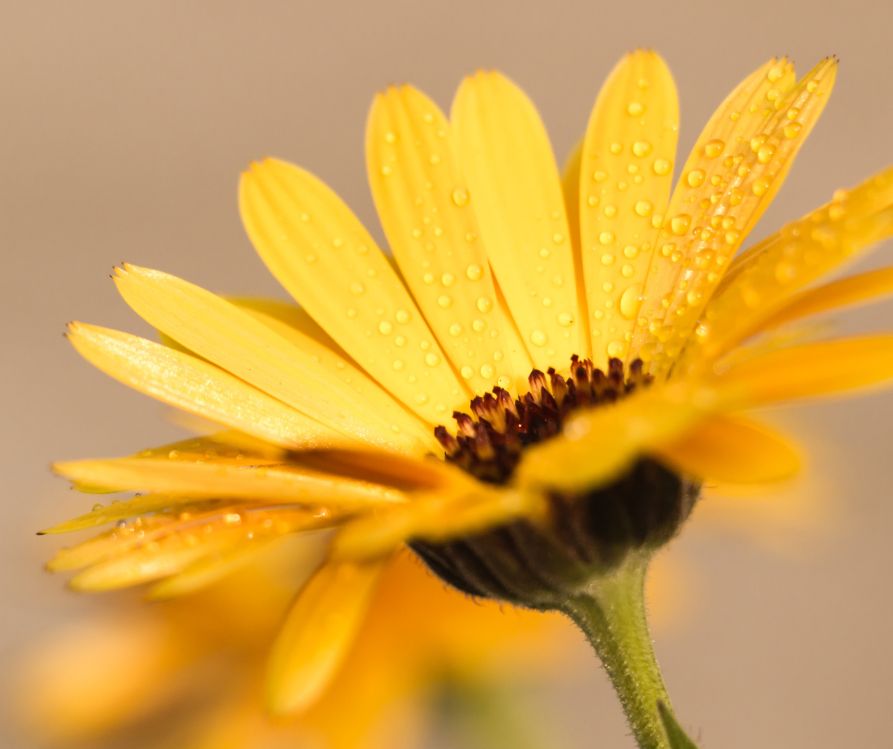
Often called pot marigold, calendula produces bright orange and yellow daisy-like flowers with a slightly tangy, peppery taste. The petals have been used culinarily and medicinally for centuries.
Calendula is remarkably easy to grow and tolerates various light conditions, though it flowers best with good light.
The plants are compact and bushy, making them perfect for containers. Harvest petals regularly to encourage continuous blooming.
Chamomile
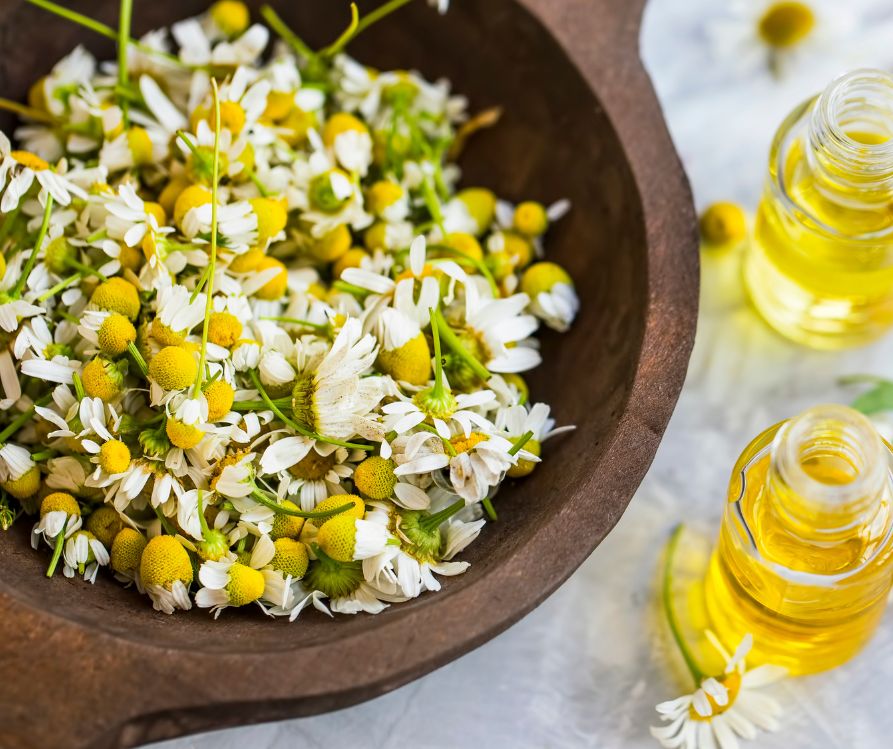
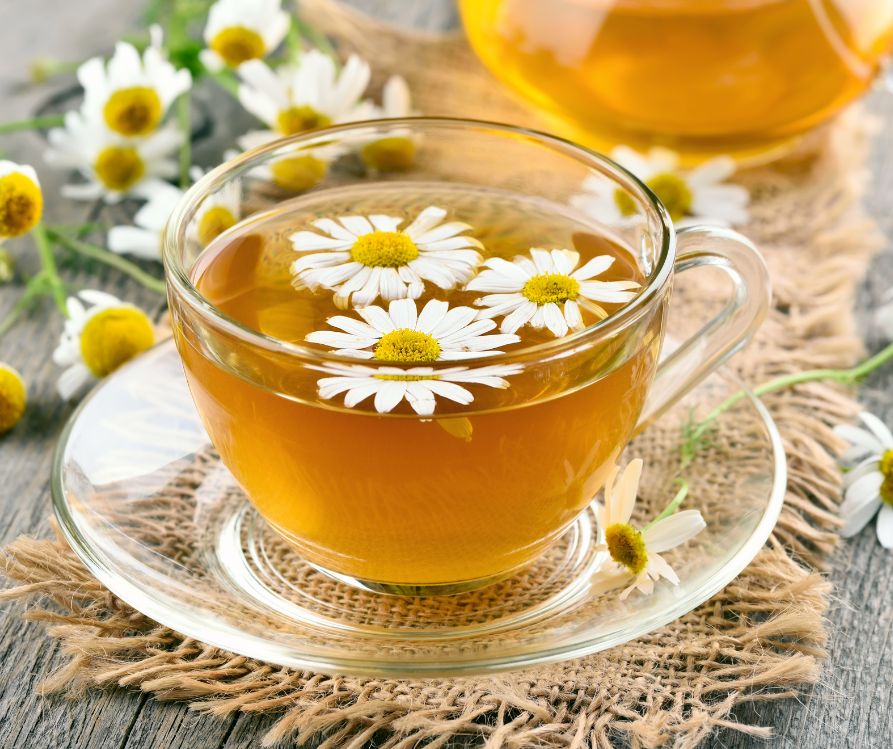
German chamomile produces small, daisy-like flowers with white petals and yellow centers. The flowers have a sweet, apple-like fragrance and mild flavor, perfect for herbal teas.
Chamomile grows quickly from seed and self-seeds readily if you let some flowers go to seed.
The plants stay relatively small and manageable in containers. Harvest flowers in the morning after the dew dries for the best flavor.
Lavender
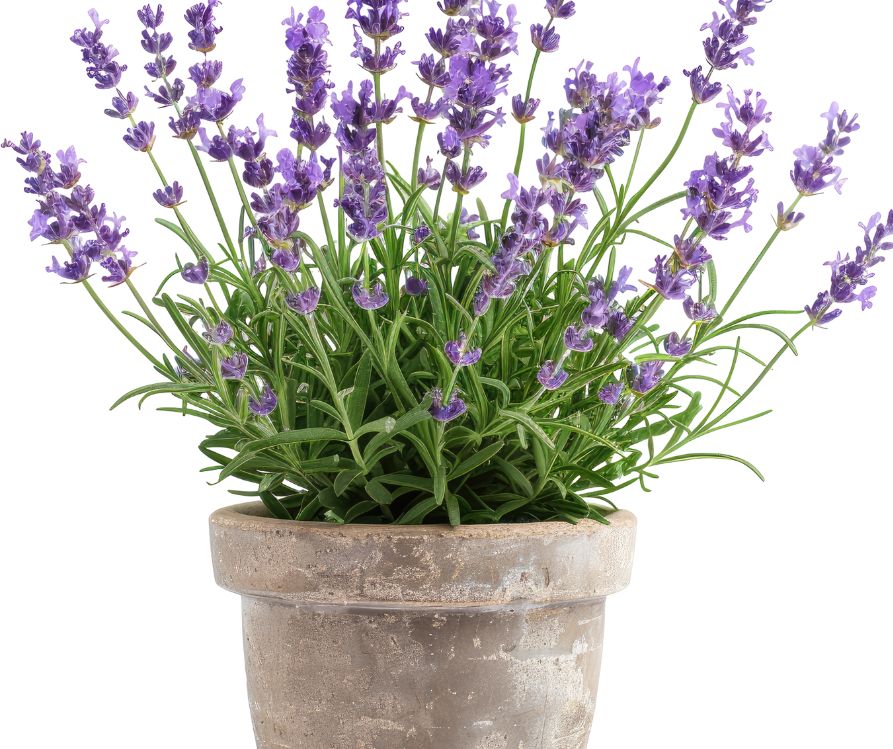
While lavender takes longer to establish, its fragrant purple spikes are worth the wait. The flowers have a strong, floral flavor that works beautifully in both sweet and savory dishes.
English lavender varieties work best indoors. These plants prefer slightly alkaline soil and good drainage.
Once established, lavender is quite drought-tolerant and produces flowers for many years.
Nasturtiums
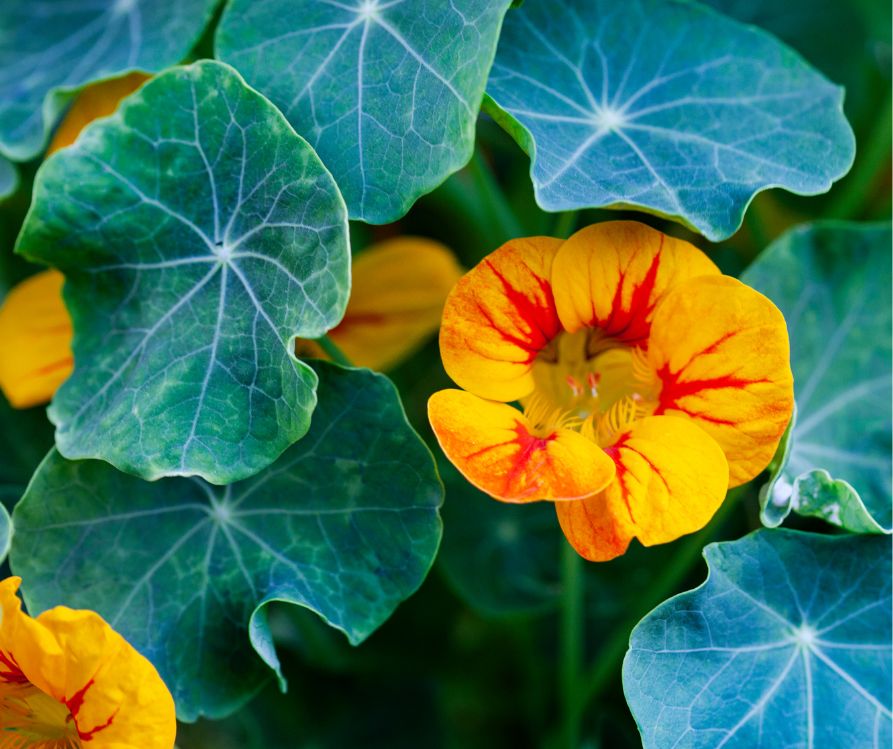
With their peppery, almost spicy flavor reminiscent of watercress, nasturtiums add a delightful kick to salads and sandwiches. These fast-growing flowers come in vibrant oranges, reds, and yellows.
Nasturtiums actually prefer slightly poor soil. Too much fertilizer results in lush foliage but fewer flowers. The most common varieties are climbing plants, so provide a small trellis or let them trail from hanging baskets.
There are compact varieties available such as Alaska, that do well in small pots. Seeds are large and easy to handle, germinating in just 7-10 days.
Pansies and Violas
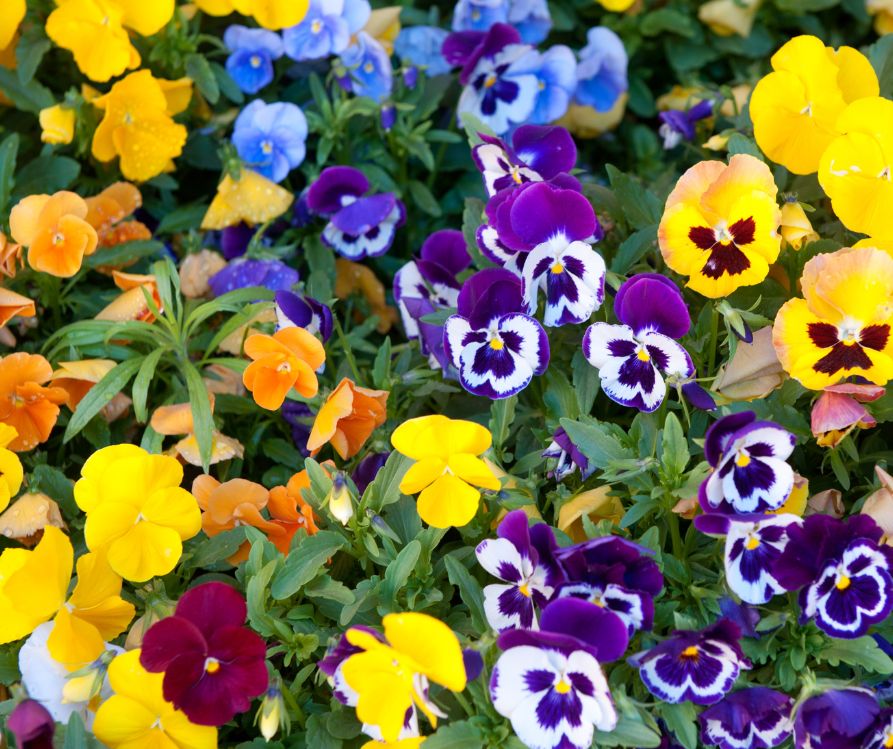
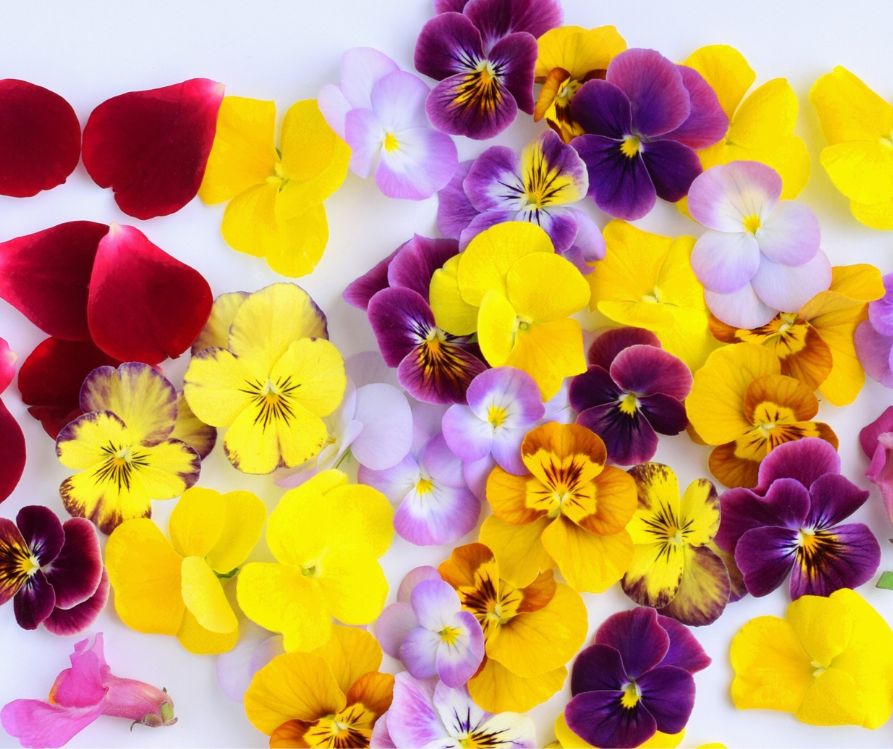
These cheerful flowers are perfect for beginners. Pansies produce larger blooms, while violas offer smaller, more delicate flowers. Both have a mild, slightly sweet flavor with hints of wintergreen.
Pansies prefer cooler conditions, making them ideal for indoor growing where temperatures stay between 60-70°F.
They bloom prolifically and come in a rainbow of colors, from deep purple to bright yellow. Plant seeds about ¼ inch deep and expect germination in 7-14 days.
Purslane
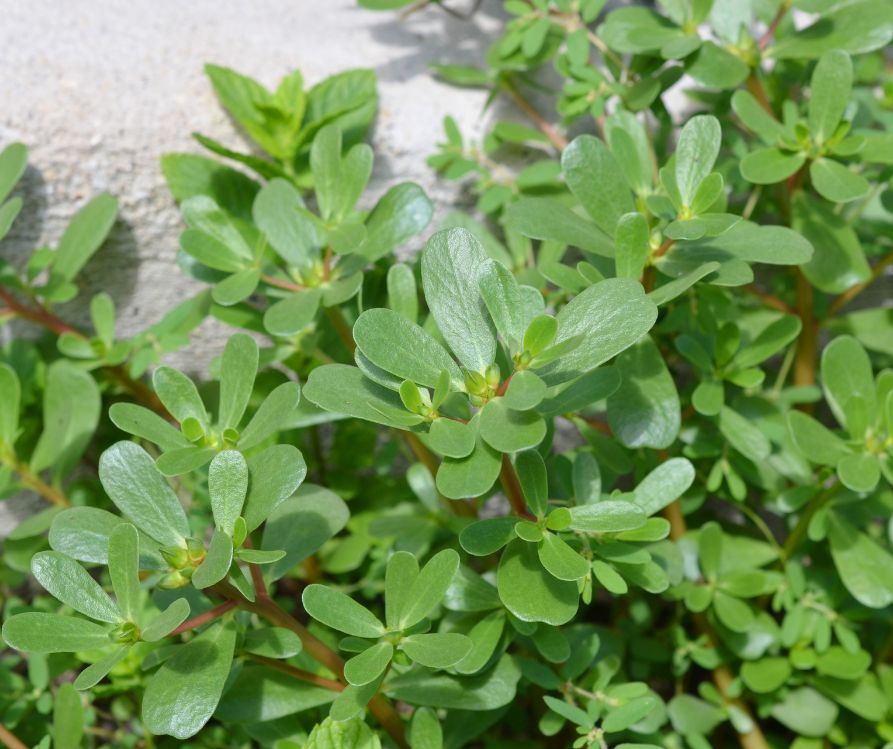
Purslane is a succulent green that’s often considered a weed but is actually quite delicious and nutritious. It has a slightly sour, citrusy flavor and adds a pop of color to salads and sandwiches.
It thrives in hot, dry conditions, making it perfect for container gardening. Purslane needs good drainage but can grow in poor soil.
Keep the soil moist and harvest regularly to prevent the plant from going to seed.
Roses
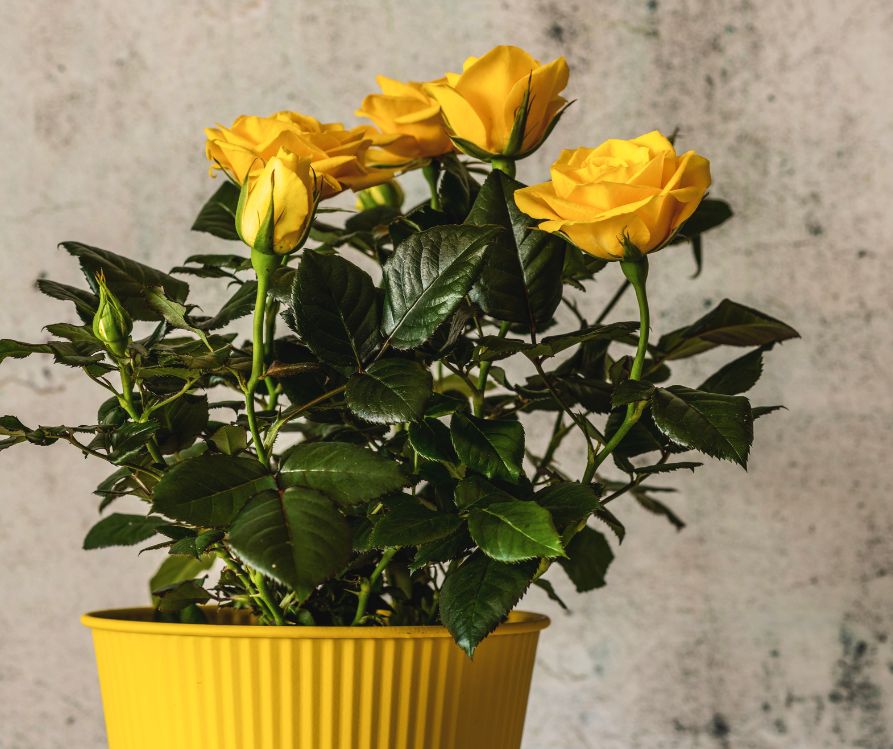
Miniature rose varieties can thrive indoors and produce edible petals with a sweet, floral flavor. The intensity of flavor varies by variety, with darker petals generally having a stronger taste.
Choose disease-resistant miniature varieties bred for container growing.
Roses need excellent drainage and good air circulation to prevent fungal issues. Regular feeding supports continuous blooming.
Sweet Alyssum
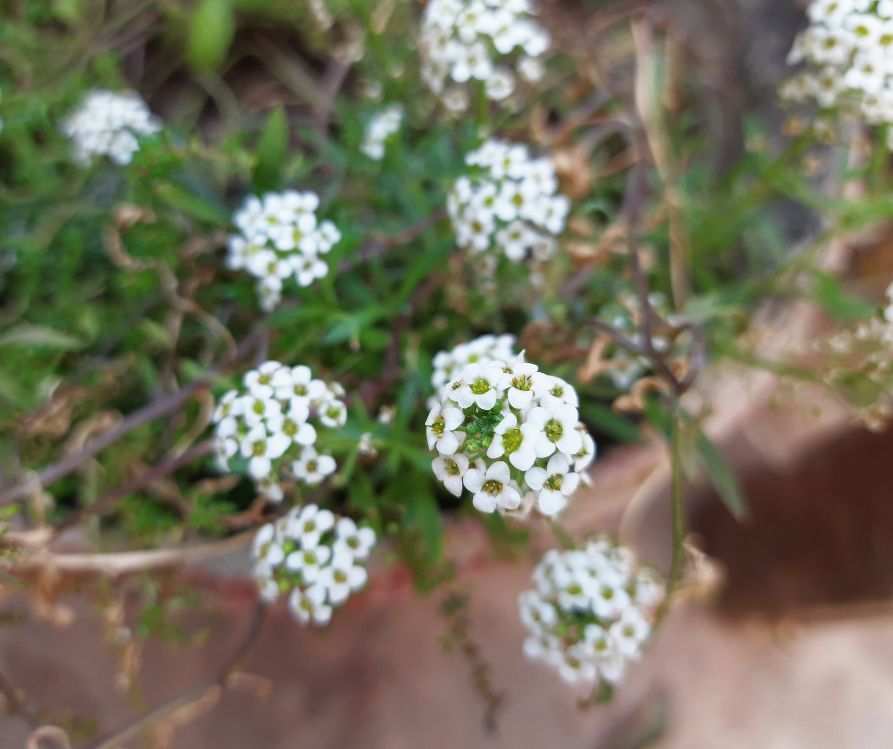
This low-growing, fragrant flower is a favorite among gardeners for its ability to attract pollinators and add pops of color to any space.
In addition to being a beautiful ornamental plant, sweet alyssum has delicate white, pink, or purple flowers that are edible with a mild, honey-like flavor perfect for salads or garnishes.
Step-by-Step Growing Guide
Now that you have your supplies and have chosen your varieties, let’s walk through the process of getting your indoor edible flower garden started.
Seed Starting
Fill your containers with potting mix, leaving about an inch of space at the top. Moisten the soil thoroughly but avoid making it soggy. The soil should feel like a wrung-out sponge.
Plant seeds according to their specific depth requirements. Generally, plant seeds twice as deep as they are wide. Small seeds like chamomile can be surface-sown and lightly pressed into the soil.
Cover the containers with plastic wrap or place them in a humidity dome to maintain moisture during germination. Most edible flower seeds germinate best at temperatures between 65-75°F.
Creating Optimal Growing Conditions
Once seedlings emerge, remove the plastic covering and provide adequate light immediately. Seedlings that don’t receive enough light become “leggy”—tall and weak with pale leaves.
If using grow lights, position them about 4-6 inches above the seedlings and raise them as the plants grow. Natural light from a south-facing window works well if it provides at least 4-6 hours of direct sunlight.
Maintain temperatures between 60-70°F during the day with a slight nighttime drop. Most edible flowers actually prefer cooler conditions than many houseplants.
Watering Techniques
Water when the top inch of soil feels dry to the touch. Water thoroughly until you see water draining from the bottom holes, then empty any standing water from saucers after 30 minutes.
Avoid getting water on the leaves when possible, as this can promote fungal diseases. Water at the base of plants using a watering can with a narrow spout or a squeeze bottle.
Morning watering is best because it gives plants time to dry before evening, reducing the risk of fungal problems.
Fertilizing for Healthy Growth
Begin fertilizing about two weeks after germination with a diluted liquid fertilizer. Use a balanced fertilizer at quarter strength initially, gradually increasing to half strength as plants mature.
Feed every 2-3 weeks during active growing periods. Organic options like fish emulsion or compost tea provide gentle, slow-release nutrients that won’t burn delicate roots.
Watch for signs of over-fertilization, such as lush green growth with few flowers. If this happens, reduce feeding frequency and ensure plants receive adequate light.
Supporting Plant Development
As plants grow, some may benefit from support. Nasturtiums, in particular, appreciate small stakes or trellises to climb. Pinch growing tips to encourage bushier growth and more flower production.
Remove spent flowers regularly (called deadheading) to encourage continuous blooming. This prevents plants from putting energy into seed production and redirects it toward making more flowers.
Troubleshooting Common Issues
Even with the best care, you might encounter some challenges. Here’s how to identify and solve the most common problems with indoor edible flowers.
Pest Management
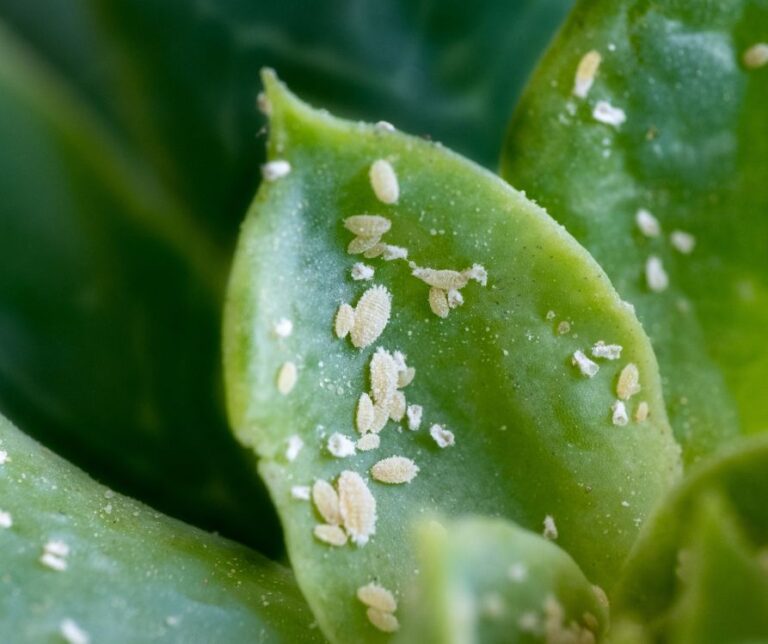
Aphids are the most common indoor plant pests. They are small, soft-bodied insects that cluster on new growth and flower buds. They can be green, black, or white and often appear suddenly.
Combat aphids by spraying plants with a strong stream of water to dislodge them. For persistent infestations, use insecticidal soap spray, which is safe for edible plants. Neem oil also works effectively against various soft-bodied pests.
Spider mites thrive in dry indoor conditions and create fine webbing on leaves. Increase humidity around plants and spray with water regularly. Predatory mites, available from garden suppliers, provide biological control.
Fungus gnats, tiny black flies that hover around soil, indicate overly moist conditions. Reduce watering frequency and allow the soil to dry between waterings. Yellow sticky traps catch adult flies and break their reproductive cycle.
Disease Prevention
Powdery mildew appears as white, powdery spots on leaves and stems. This fungal disease thrives in humid conditions with poor air circulation. Increase air movement around plants with a small fan and avoid overhead watering.
Damping-off disease causes seedlings to suddenly wilt and die at the soil level. This occurs in overly wet, cool conditions. Ensure good drainage, avoid overwatering, and provide adequate warmth for seedlings.
Root rot, indicated by yellowing leaves and musty-smelling soil, results from persistent overwatering. Improve drainage by adding perlite to the soil and allowing plants to dry slightly between waterings.
Nutrient Deficiencies
Pale, yellowing leaves often indicate nitrogen deficiency. Increase feeding frequency or use a fertilizer with higher nitrogen content. However, too much nitrogen reduces flowering, so find the right balance.
Purple or reddish leaf tints may signal phosphorus deficiency, while brown leaf edges suggest potassium deficiency. A balanced fertilizer typically addresses these issues, but severe deficiencies might require specific nutrient supplements.
Iron deficiency causes yellowing between leaf veins while veins remain green. This often occurs in alkaline soil. Use an acidic fertilizer or add sulfur to lower the soil pH slightly.
Environmental Stress
Leggy, weak growth indicates insufficient light. Move plants closer to windows or add supplemental grow lights. Plants stretching toward light sources clearly need more illumination.
Wilting despite moist soil suggests root problems, often from overwatering or poor drainage. Check for root rot and improve soil drainage if necessary.
Sudden leaf drop or flower bud drop usually indicates environmental stress from temperature fluctuations, drafts, or irregular watering. Maintain consistent conditions and protect plants from heating vents and drafty windows.
Harvesting and Using Your Edible Flowers

The moment you’ve been waiting for. Harvesting and enjoying your homegrown edible flowers! Proper harvesting techniques ensure the best flavor and encourage continued production.
When and How to Harvest
Harvest flowers in the morning after dew has dried but before the heat of the day. This is when essential oils are most concentrated, providing the best flavor and fragrance.
Pick flowers that have just opened or are about to open. Fully mature flowers often have stronger flavors, while younger buds tend to be more tender and mild.
Use clean scissors or pinch stems with your fingernails. Cut stems just above a leaf node or flower bud to encourage new growth. Always harvest with clean hands to avoid introducing bacteria.
Harvest regularly to keep plants producing. Most edible flowers benefit from frequent picking, which prevents them from going to seed and ending their flowering cycle.
Preparing Flowers for Use
Gently rinse harvested flowers in cool water to remove any dust or tiny insects. Pat dry carefully with paper towels or use a salad spinner on the gentlest setting.
Remove pistils and stamens from larger flowers like nasturtiums, as these parts can be bitter. For roses, remove the white portion at the base of petals, which tends to be bitter.
Check each flower carefully for insects or damage before using. Even small holes might indicate pest presence.
Creative Culinary Applications
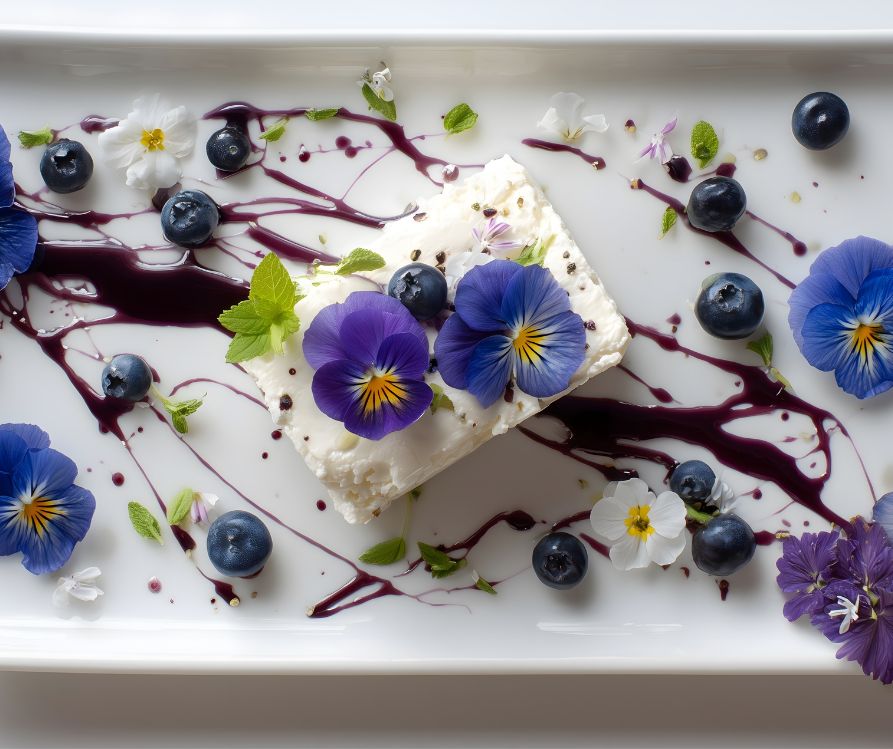
Fresh edible flowers make stunning salad additions. Pansies and violas add color and mild flavor to mixed greens, while nasturtiums provide a peppery kick that complements arugula and spinach.
Freeze flowers in ice cubes for beautiful drink garnishes. Simply place one or two small flowers in ice cube trays, fill with water, and freeze. These floral ice cubes elevate everything from water to cocktails.
Create compound butter by mixing softened butter with chopped flower petals. Rose petal butter is divine on scones, while calendula butter adds color and mild flavor to vegetables.
Infuse vinegars with flower petals for unique salad dressings. Chamomile vinegar provides subtle apple notes, while lavender vinegar adds sophisticated floral depth to vinaigrettes.
Dry flowers for herbal teas by spreading petals on screens in a warm, dry place. Store dried flowers in airtight containers away from light. Chamomile flowers make a soothing bedtime tea, while calendula petals create a bright, peppery brew.
Storage and Preservation
Fresh flowers are best used immediately, but can be stored in the refrigerator for 2-3 days. Place them between slightly damp paper towels in a sealed container.
For longer storage, dry flowers by hanging small bunches in a warm, dry, dark place. Properly dried flowers retain color and flavor for up to a year when stored in airtight containers.
Flower petals can also be frozen in small portions for use in cooking. Spread petals on baking sheets, freeze until solid, then transfer to freezer bags.
Creating Your Indoor Flower Paradise
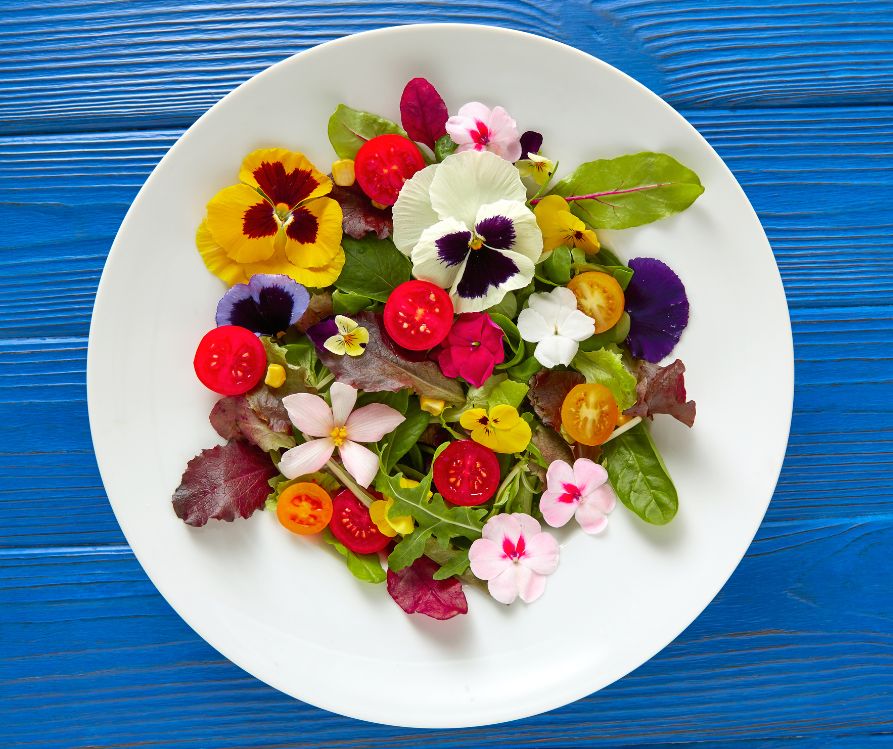
Growing edible flowers indoors opens up a world of possibilities that extends far beyond traditional gardening. You’ve discovered how these beautiful blooms can enhance both your meals and your living space while providing genuine health benefits throughout the year.
The journey from tiny seeds to colorful, flavorful flowers teaches patience and provides daily doses of natural beauty. Each variety you grow offers unique flavors and uses, from the peppery bite of nasturtiums to the soothing sweetness of chamomile.
Best of all, you control every aspect of their growth, ensuring they’re completely free from harmful chemicals.
11 Edible Flowers With Potential Health Benefits
Remember that every expert gardener started as a beginner. Don’t be discouraged if your first attempts aren’t perfect. Each plant teaches valuable lessons that improve your skills. Start with one or two easy varieties like pansies or nasturtiums, then expand your collection as your confidence grows.
Your indoor edible flower garden will evolve with the seasons and your changing tastes. What starts as a simple windowsill project might grow into multiple containers throughout your home, each one bringing color, fragrance, and fresh flavors to your daily routine.
The most rewarding part isn’t just the flowers themselves, it’s the connection to your food and the satisfaction of creating something beautiful and nourishing with your own hands. Every meal garnished with your homegrown blooms becomes a celebration of your gardening success.
Ready to start your indoor edible flower adventure? Choose your first variety, gather your supplies, and plant those seeds. Your future self will thank you when you’re adding gorgeous, flavorful petals to your next meal, knowing you grew them yourself in the comfort of your own home.
Visit the Garden Resources page for supplies and inspiration. Don’t forget to subscribe to the Calendula’s Garden Newsletter for more gardening tips.
Calendula’s Garden is reader supported. When you buy through links on our site, we may earn an affiliate commission. As an Amazon Associate, I earn from qualifying purchases. For more information, view our Disclaimer page. Thank you!