How to Grow and Enjoy Fresh Arugula at Home
Calendula's Garden is reader suported This post may contain affiliate links, more on our Disclaimer page. Thank you!
There is something undeniably satisfying about walking out to your garden, or just over to your kitchen windowsill, and snipping fresh greens for your dinner.
If you are looking for a plant that rewards you quickly, requires very little fuss, and packs a massive punch of flavor, arugula is calling your name.
This peppery, mustard-like green is a staple in salads, pizzas, and pestos, and it happens to be one of the easiest crops a beginner gardener can grow.
You might have noticed how expensive small plastic clamshells of arugula can be at the grocery store. Worse still, they often wilt before you have a chance to finish them. Growing your own arugula at home solves both of these problems.
You get an endless supply of fresh, crisp leaves, and you save a surprising amount of money along the way. Plus, tending to a small patch of green is a wonderful way to connect with nature, right in your own living space.
Whether you have a sprawling backyard, a few raised beds, or just a sunny spot on your kitchen counter, you can successfully cultivate this vibrant herb.
Grab your gardening gloves and a trowel. We are going to cover everything from planting that first tiny seed to tossing your harvest into a delicious homemade meal.
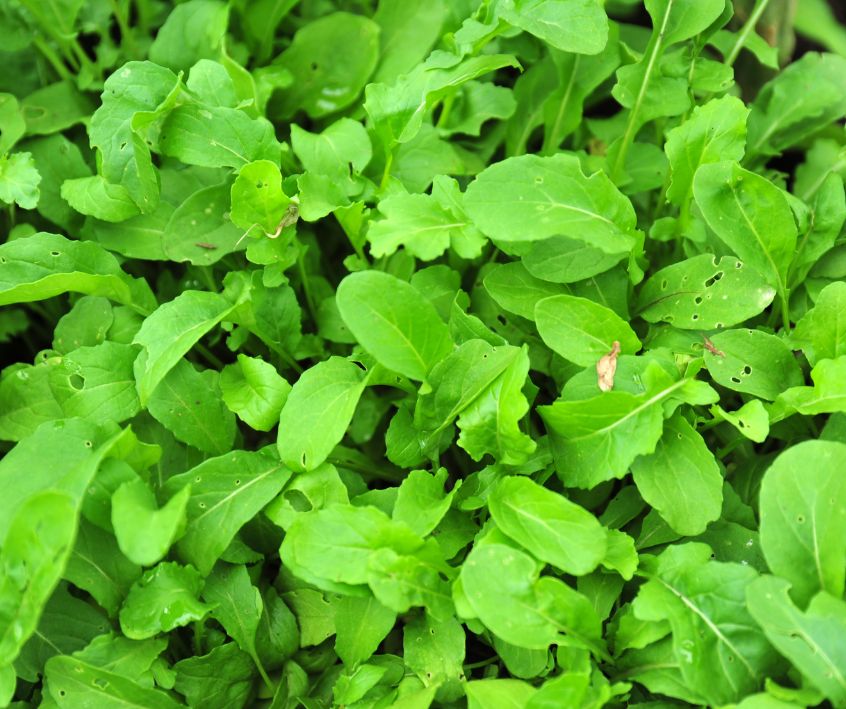
Arugula Characteristics Table
| Characteristic | Description |
| Common Name | Arugula, Rocket, Roquette |
| Botanical Name | Eruca vesicaria subsp. sativa |
| Plant Type | Herbaceous annual |
| USDA Hardiness Zones | Zones 3–11 (grown as a cool-season annual; hardy to light frosts) |
| Mature Height | 6 to 12 inches (leaves); up to 2–3 feet when bolting (flowering) |
| Mature Spread | 12 to 18 inches |
| Light Requirements | Full sun to partial shade (performs best with at least 6 hours of sun, but benefits from shade in warmer weather to delay bolting) |
| Moisture Requirements | Moderate; needs consistent, even moisture to encourage rapid growth and prevent the leaves from becoming tough and overly spicy. Do not let soil dry out completely. |
| Soil Preference | Fertile, well-drained, humus-rich soil; prefers a slightly acidic to neutral pH (6.0–7.0). |
| Bloom Time | Late spring or early summer as temperatures rise; produces small, white or cream-colored flowers with dark veins. (Edible, but signals the leaves will become bitter). |
| Harvest Time | fast-growing; baby greens are ready in about 20–30 days; full-size leaves in 40–50 days. Harvest frequently to encourage new growth. |
Arugula’s Amazing Journey: Natural History & Folklore
Long before it became a trendy topping for artisanal pizzas, arugula had a rich and slightly scandalous history. Native to the Mediterranean region, this leafy green belongs to the Brassicaceae family, making it a close cousin to broccoli, kale, and mustard.
Its scientific name is Eruca vesicaria (often referred to as Eruca sativa), though you might also hear it called rocket, roquette, or rucola, depending on where you are in the world.
Ancient Romans and Egyptians were huge fans of arugula, but not just for its bold, peppery flavor. In ancient Rome, arugula was widely considered a potent aphrodisiac.
It was frequently planted around the statues of Priapus, the god of fertility, and classical writers like Virgil even penned poems praising its romantic benefits.
During the Middle Ages, growing arugula in monastery gardens was actually forbidden because religious authorities worried it would provoke impure thoughts among the monks!
Thankfully, the ban did not last. Today, arugula is celebrated worldwide for its culinary versatility and historical charm.
Why Grow Arugula? The Benefits of This Peppery Green
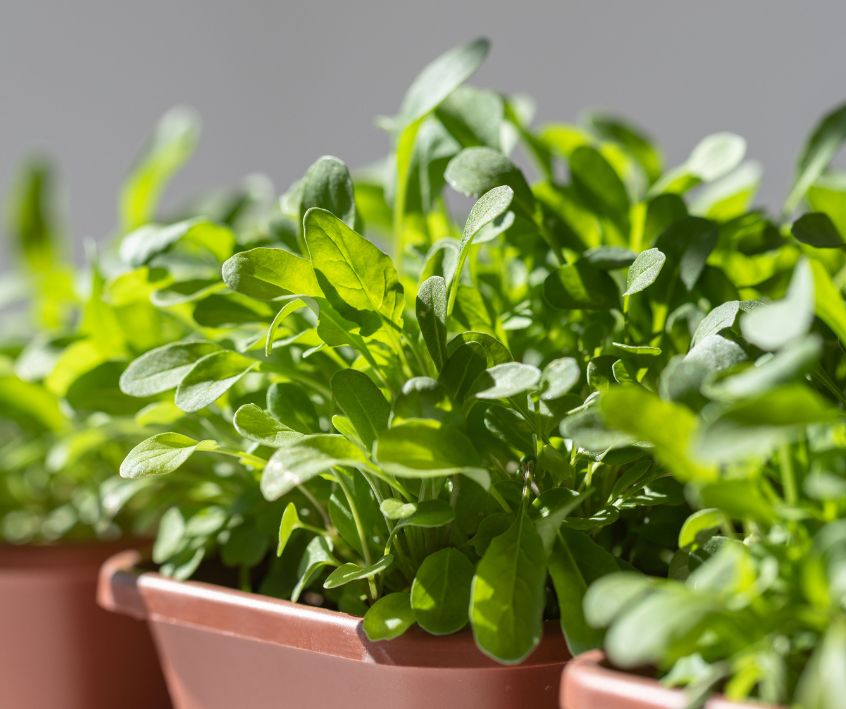
Beyond its fascinating folklore, arugula is a powerhouse plant that deserves a spot in your garden and your diet. For starters, it is a nutritional superstar.
A single cup of arugula is loaded with Vitamin K, which is essential for bone health, as well as Vitamin A, Vitamin C, calcium, and folate. It also contains unique compounds called glucosinolates, which give the leaves their signature spicy bite and are known for their antioxidant properties.
Cleveland Clinic Health Essentials: 5 Health Benefits of Arugula
From a gardening perspective, arugula is incredibly rewarding. It is a fast-growing crop, meaning you can often harvest baby leaves just three to four weeks after planting.
Because it thrives in cooler weather, it is the perfect plant to kick off your spring gardening season or to stretch your harvest into the crisp days of autumn.
Getting Started: Choosing Your Arugula (Varieties for Every Gardener)
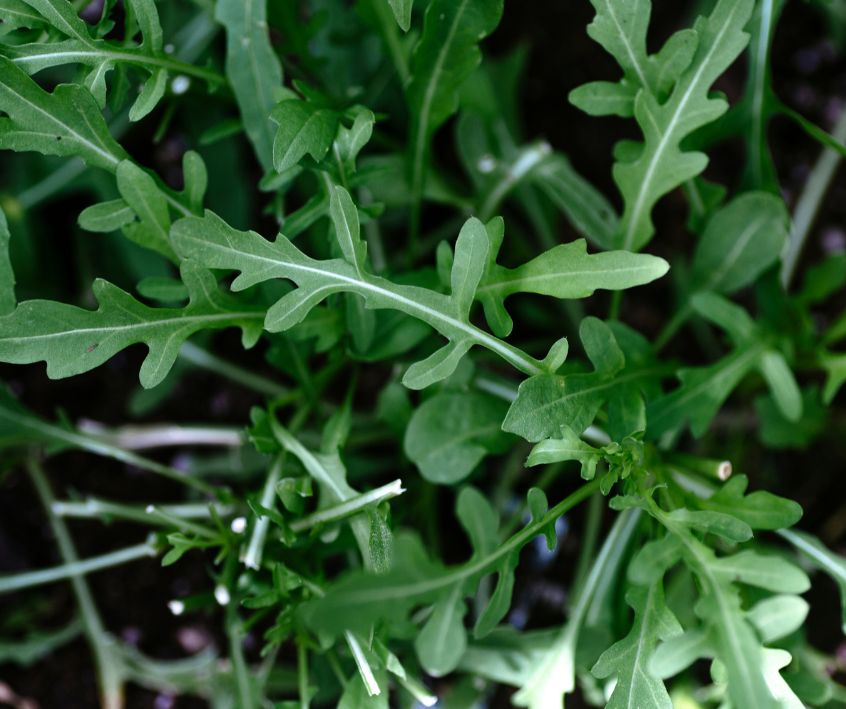
Before you start digging in the dirt, you have to pick your seeds. Arugula generally falls into two main categories: cultivated and wild.
Cultivated varieties (Eruca vesicaria) feature wider, deeply lobed leaves and offer a mild, slightly nutty spice. These are the kinds you typically find in the grocery store.
Popular cultivated varieties include “Astro,” which grows quickly and has a milder flavor, and “Apollo,” which is known for being slightly more heat-tolerant.
Wild arugula (Diplotaxis tenuifolia), often called Sylvetta, is a bit different. The leaves are narrower, deeply serrated, and pack a much stronger, punchier peppery flavor.
It grows a bit slower than the cultivated types but is highly prized by chefs for its robust taste. If you enjoy a strong kick in your salads, wild arugula is definitely worth a try.
Where to find seeds, plants, and supplies:
Outdoor Arugula Adventures: From Seed to Salad Bowl
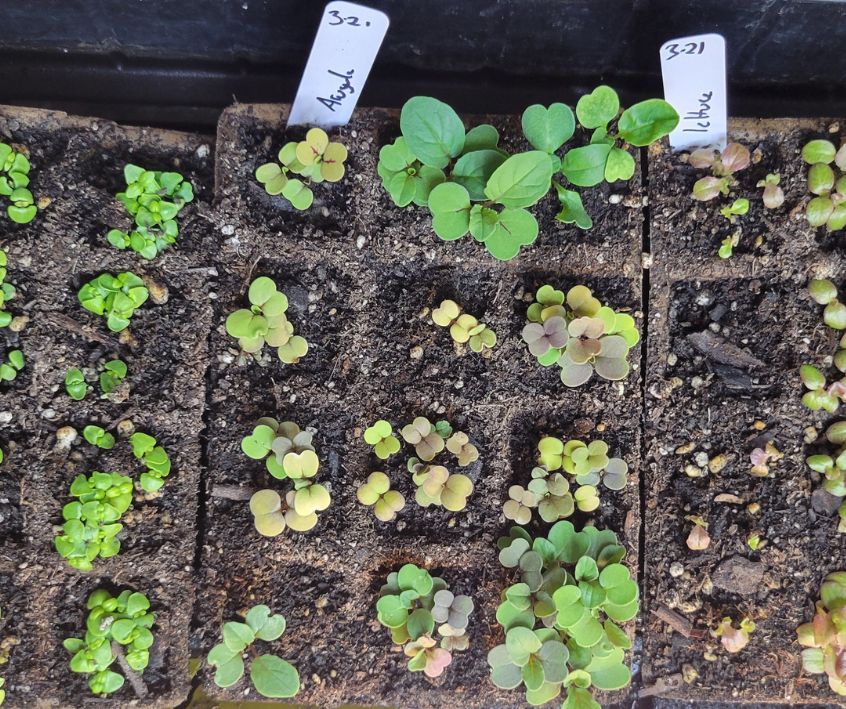
Growing arugula outdoors is a breeze, provided you give it the cool conditions it loves. Let’s walk through the steps to get your outdoor crop thriving.
Site Selection: Finding the Perfect Spot
Arugula prefers full sun, which means about six hours of direct sunlight a day. However, because it is a cool-season crop, it will actually benefit from partial shade if you are planting it during the warmer months.
A spot that gets morning sun and afternoon shade is often ideal to keep the plants from getting too hot and bolting (going to seed) prematurely.
Soil Prep: Giving Your Arugula a Happy Home
Like most garden veggies, arugula loves well draining soil that is rich in organic matter. Before planting, work a few inches of compost into the top layer of your soil.
This gives the seeds a boost of nutrients and helps the soil retain the consistent moisture that arugula roots crave.
Planting Seeds: The Nitty-Gritty Details
You can sow arugula seeds directly into the ground as soon as the soil can be worked in early spring.
Sprinkle the tiny seeds over the soil, aiming for a spacing of about an inch apart.
🌱Create a custom garden calendar with our Succession Planting Schedule Calculator
Cover them lightly with just a quarter-inch of soil. They do not need to be buried deep. As the seedlings emerge, thin them out so they are spaced about three to four inches apart. Don’t throw those thinned seedlings away; they make a fantastic microgreen snack!
Watering & Care: Keeping Your Arugula Thriving
Consistent moisture is the secret to tender, delicious arugula. If the soil dries out completely, the plant gets stressed, which causes the leaves to become overly bitter and spicy.
Water your patch regularly, aiming for about an inch of water per week. A light layer of mulch around the base of the plants can help lock that moisture into the soil.
Drip irrigation makes keeping your plants happy and healthy so much easier. Here’s what has worked for us:
Orbit B-hyve XD 4-Port Smart Hose Watering Timer
Rain Bird Drip Irrigation Landscape/Garden Watering Kit with Drippers, Micro-Bubblers, Micro-Sprays
Rain Bird Drip Irrigation Pressure Compensating 1/4″ Emitter Tubing, 6″ Emitter Spacing, 50 Roll
Pest & Disease Patrol: Common Culprits and Solutions
Arugula is generally hardy, but it does have one major nemesis: the flea beetle. These tiny, jumping insects love to chew small, round holes in the leaves.
10 Common Garden Pests and How to Get Rid of Them Naturally
While the damage is usually just cosmetic, a severe infestation can stunt young plants. To outsmart them, you can cover your newly planted seeds with a floating row cover.
Alternatively, planting companion crops like sweet alyssum nearby can attract beneficial insects that keep pest populations in check.
Harvesting Your Bounty: When and How to Pick
You can start harvesting baby arugula leaves when they are about two to three inches long. The best method is “cut-and-come-again.”
Use a clean pair of scissors to snip the outer leaves just a little bit above the base of the plant, leaving the inner leaves to continue growing.
Frequent harvesting actually encourages the plant to produce more leaves, giving you a continuous supply.
Step-by-Step Arugula and Lettuce Seed Starting Video
Indoor Arugula Oasis: Growing in Pots
No yard? No problem! Arugula is remarkably well-suited to container gardening, making it a fantastic choice for balconies, patios, or indoor kitchen gardens.
Container Choices: What to Plant In
Because arugula has a relatively shallow root system, you do not need a massive, deep pot. A container that is about six to eight inches deep and fairly wide is perfect.
Homenote Pots for Plants, 6 Inch Plastic Planters with Multiple Drainage Holes and Tray
The most critical feature is drainage. Ensure your pot has several drainage holes at the bottom so water does not pool around the roots, which can lead to rot.
Lighting: Bringing the Sun Indoors
If you are growing arugula completely indoors, lighting will be your biggest challenge. Place your pot in a south-facing window where it can soak up as much natural light as possible.
GooingTop LED Grow Light,6000K Full Spectrum Clip Plant Growing Lamp
Barrina T5 Grow Lights for Indoor Plants, Full Spectrum Grow Light
If your home does not get a lot of direct sunlight, consider investing in a simple LED grow light. Position the light a few inches above the plants and leave it on for 10 to 14 hours a day to mimic a bright spring day.
Watering & Feeding: Nurturing Your Potted Greens
Potted plants dry out much faster than those planted in the ground. Check the soil daily by sticking your finger about an inch deep; if it feels dry, it is time to water.
Neptune’s Harvest Fish & Seaweed Liquid Fertilizer (2-3-1)
Because frequent watering flushes nutrients out of pots, you will want to feed your indoor arugula with a diluted, balanced organic liquid fertilizer every two to three weeks.
Troubleshooting: Indoor Arugula Challenges
If your indoor seedlings look incredibly tall, thin, and floppy (a condition called being “leggy”), they are stretching because they need more light.
Move them closer to the window or lower your grow lights. If the older leaves are turning yellow, you might be overwatering, or the plant might need a quick boost of nitrogen from your fertilizer.
Celebrate Your Garden Harvest: 5 Delicious Arugula Recipes
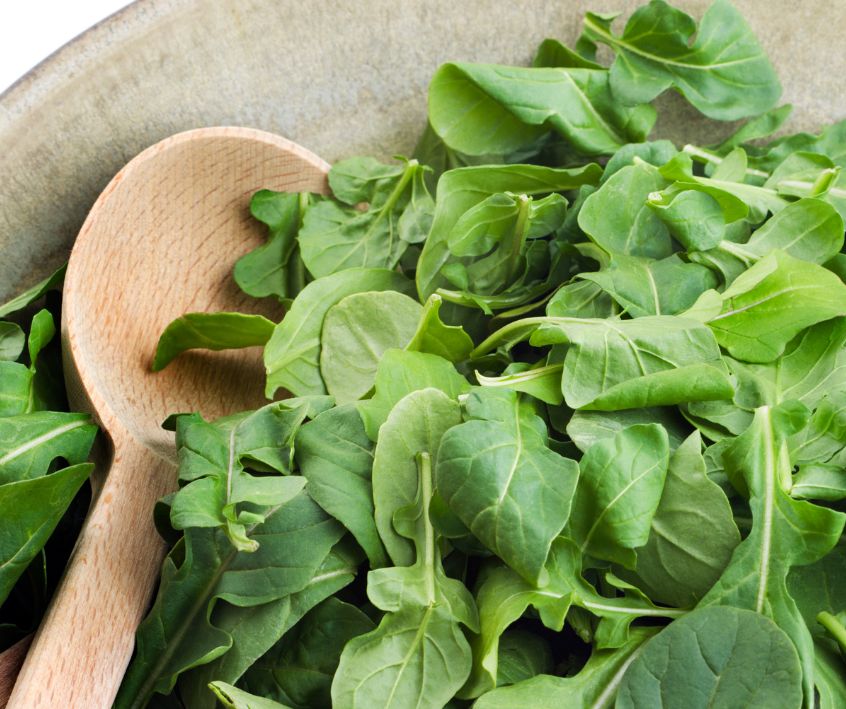
You have successfully grown a beautiful crop of peppery greens. Now comes the best part: eating them! Here are five simple, delicious ways to let your homegrown arugula shine.
Recipe 1: Classic Arugula & Parmesan Salad
This simple salad highlights the pure, peppery flavor of fresh arugula.
Ingredients:
- 4 cups fresh arugula, washed and dried
- 1/3 cup shaved Parmesan cheese
- 2 tablespoons extra-virgin olive oil
- 1 tablespoon fresh lemon juice
- Sea salt and freshly cracked black pepper to taste
Instructions:
- Place the fresh arugula in a large serving bowl.
- Drizzle the olive oil and fresh lemon juice over the greens.
- Toss gently to ensure all the leaves are lightly coated.
- Top with shaved Parmesan cheese.
- Season generously with sea salt and black pepper just before serving.
Recipe 2: Zesty Lemon-Arugula Pesto Pasta
A fantastic alternative to traditional basil pesto, this sauce packs a bright, peppery punch.
Ingredients:
- 3 cups fresh arugula
- 1/2 cup walnuts or pine nuts, lightly toasted
- 1/2 cup grated Parmesan cheese
- 2 cloves garlic, peeled
- 1/2 cup extra-virgin olive oil
- Zest and juice of 1 lemon
- Salt and pepper to taste
- 1 lb pasta of your choice (linguine or penne works beautifully)
Instructions:
- In a food processor, combine the arugula, toasted nuts, Parmesan cheese, garlic, lemon zest, and lemon juice. Pulse until coarsely chopped.
- With the food processor running on low, slowly drizzle in the olive oil until the mixture becomes a smooth, vibrant green paste. Season with salt and pepper.
- Boil the pasta in a large pot of salted water according to the package directions. Reserve 1/2 cup of the starchy pasta water before draining.
- Toss the warm pasta with the arugula pesto, adding splashes of the reserved pasta water as needed to create a silky sauce that coats the noodles. Serve immediately.
Recipe 3: Arugula & Prosciutto Pizza
Arugula is best added to pizza after it comes out of the oven, providing a fresh, crisp contrast to the warm, gooey cheese.
Ingredients:
- 1 ball of pizza dough (store-bought or homemade)
- 1/2 cup pizza sauce
- 1 1/2 cups shredded mozzarella cheese
- 4-5 slices of prosciutto
- 2 cups fresh arugula
- 1 tablespoon olive oil
- Balsamic glaze for drizzling
Instructions:
- Preheat your oven to 475°F (245°C).
- Roll out the pizza dough onto a baking sheet or pizza stone.
- Spread an even layer of pizza sauce over the dough, leaving a small border for the crust.
- Sprinkle the mozzarella cheese evenly over the sauce.
- Bake for 12 to 15 minutes, or until the crust is golden brown and the cheese is bubbly.
- Remove the pizza from the oven and immediately drape the prosciutto slices over the hot cheese.
- In a small bowl, toss the fresh arugula with the olive oil. Pile the dressed greens on top of the pizza.
- Drizzle the entire pizza with balsamic glaze, slice, and enjoy.
Recipe 4: Refreshing Strawberry & Arugula Salad with Balsamic Glaze
The sweetness of ripe strawberries perfectly balances the spicy bite of wild arugula.
Ingredients:
- 4 cups arugula
- 1 1/2 cups fresh strawberries, hulled and sliced
- 1/3 cup feta cheese crumbles
- 1/4 cup sliced almonds, toasted
- 2 tablespoons olive oil
- 1 tablespoon balsamic vinegar
- Salt and pepper to taste
Instructions:
- In a large bowl, combine the arugula, sliced strawberries, feta cheese, and toasted almonds.
- In a small jar with a tight-fitting lid, combine the olive oil, balsamic vinegar, salt, and pepper. Shake vigorously until well combined.
- Drizzle the vinaigrette over the salad and toss gently to coat. Serve immediately as a refreshing summer side dish.
Recipe 5: Grilled Cheese with Arugula & Roasted Red Peppers
Elevate your standard grilled cheese sandwich with a handful of fresh greens.
Ingredients:
- 4 slices of thick, crusty sourdough bread
- 2 tablespoons butter, softened
- 1 cup shredded Gruyère or sharp cheddar cheese
- 1/2 cup jarred roasted red peppers, drained and sliced
- 1 cup fresh arugula
Instructions:
- Butter one side of each slice of bread.
- Place two slices, butter-side down, in a cold skillet.
- Top each slice with half of the shredded cheese, roasted red peppers, and fresh arugula.
- Place the remaining slices of bread on top, butter-side up.
- Turn the stove to medium-low heat. Cook the sandwiches slowly for about 4 to 5 minutes on the first side, pressing down lightly with a spatula, until golden brown.
- Carefully flip the sandwiches and cook for another 3 to 4 minutes until the cheese is completely melted and the bread is crispy. Cut in half and serve warm.
Your Arugula Journey Begins!
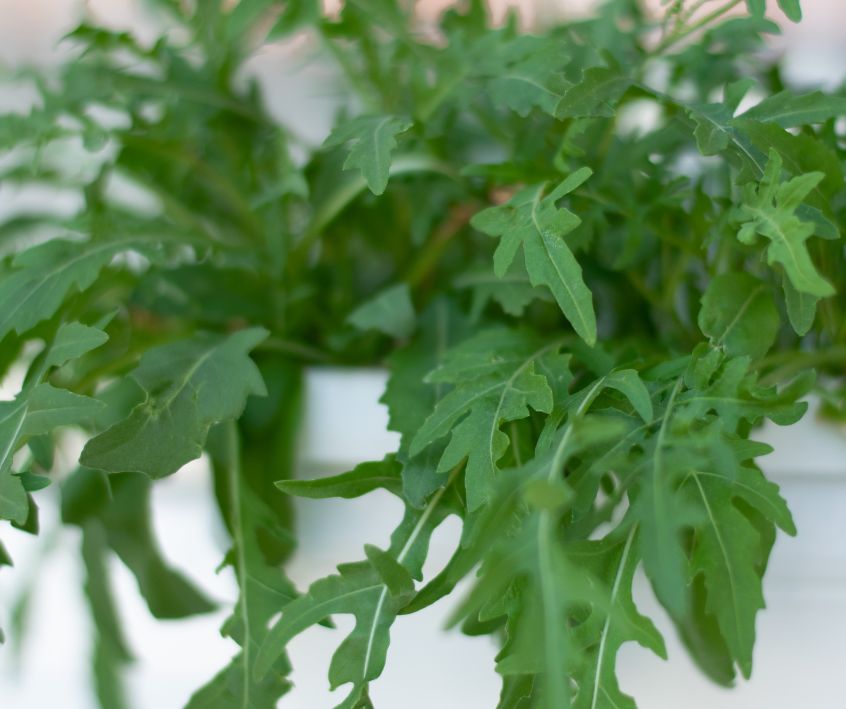
Growing your own food is a deeply rewarding experience, and arugula is the perfect plant to build your gardening confidence. It asks for so little. Just a bit of cool soil, some water, and a sunny spot, and in return, it provides you with weeks of fresh, flavorful harvests.
Whether you are tending to a lush backyard bed or a single pot on your windowsill, you are participating in a wonderful tradition of home cultivation.
So grab a packet of seeds and give it a try. Before you know it, you will be walking past the expensive salad greens at the grocery store with a knowing smile, heading home to harvest your very own crop.
Share Your Arugula Successes!
We would love to hear how your gardening journey is going. Did you try growing the spicy wild Sylvetta, or did you stick with the classic Astro?
Have you invented a new recipe using your fresh greens? Drop a comment below to share your tips, triumphs, and favorite meals with our community of home gardeners!
Visit the Garden Resources page for supplies and inspiration. Don’t forget to subscribe to the Calendula’s Garden Newsletter for more gardening tips.
Calendula’s Garden is reader supported. When you buy through links on our site, we may earn an affiliate commission. As an Amazon Associate, I earn from qualifying purchases. For more information, view our Disclaimer page. Thank you!