How to Get Rid of Fungus Gnats for Good
Calendula's Garden is reader suported This post may contain affiliate links, more on our Disclaimer page. Thank you!
If you’ve recently started collecting houseplants, you’ve probably noticed some tiny, flying insects buzzing around your pots. Don’t panic, you’re not alone. These annoying little pests are most likely fungus gnats, and they are one of the most common issues for indoor gardeners.
While they might look a bit like fruit flies, fungus gnats are a different kind of nuisance. They are drawn to the moist soil of your houseplants, where they lay their eggs.
Although the adult gnats are mostly just annoying, their larvae can damage your plant’s roots, especially in seedlings and more delicate plants.
This guide will walk you through everything you need to know about these pests. We’ll cover how to identify them, understand their life cycle, and most importantly, how to get rid of them with both DIY and store-bought solutions so you can get back to enjoying your green oasis.
How to Identify Fungus Gnats
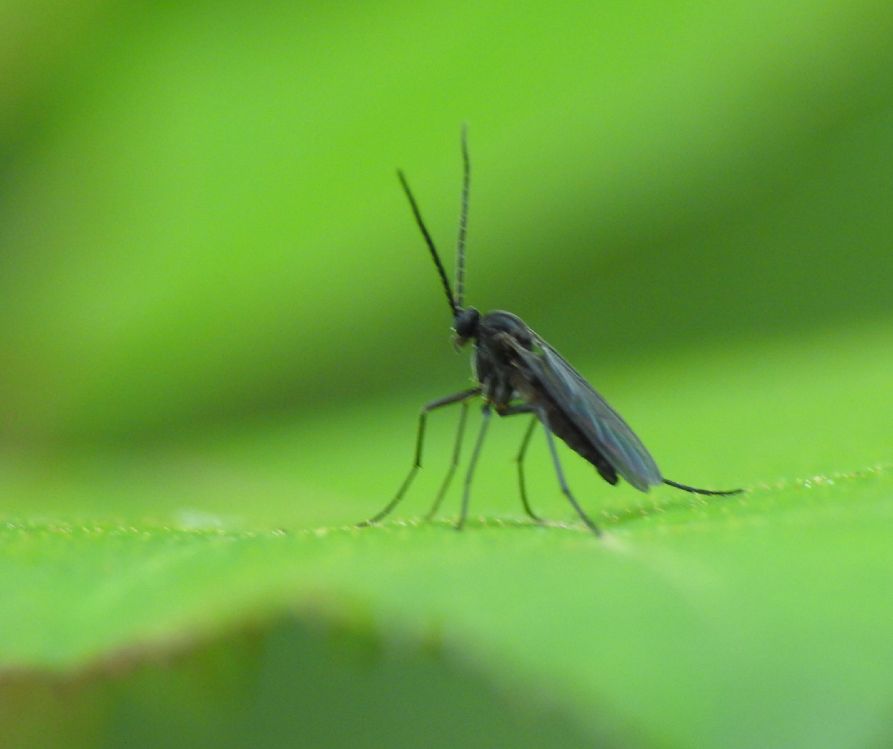
Before you start treating the problem, it’s important to make sure you’re actually dealing with fungus gnats. They are often mistaken for fruit flies or drain flies, but there are a few key differences to look for.
Appearance
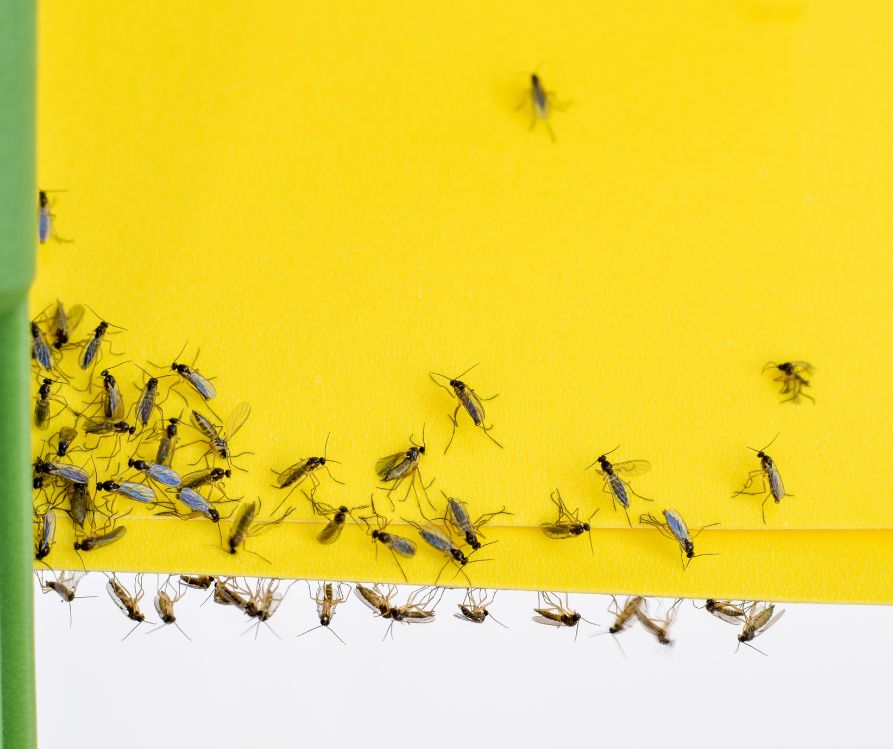
Adult fungus gnats are small, dark-colored flies, about 1/8 of an inch long. They have slender bodies and long legs, giving them a mosquito-like appearance. Their wings are grayish and transparent.
Behavior
You’ll usually see them flying erratically around your plants, windows, and other light sources. Unlike fruit flies, which hang out near your kitchen or compost bin, fungus gnats stick close to your houseplants. They are weak fliers and tend to stay low, often running across the soil surface.
Larvae
If you gently dig into the top inch of soil, you might see the larvae. They are tiny, translucent, worm-like creatures with a distinct black head. This is the stage where they can cause the most harm to your plants.
A simple way to confirm an infestation is to place a yellow sticky trap near your plants. Fungus gnats are attracted to the color yellow, and you’ll quickly see them getting stuck.
Understanding the Fungus Gnat Life Cycle
To effectively eliminate fungus gnats, it helps to understand their life cycle. They have four stages: egg, larva, pupa, and adult. The entire cycle can be completed in just 17 to 26 days, depending on the temperature.
- Egg: Adult females lay up to 200 tiny eggs in the top layer of moist soil.
- Larva: The eggs hatch within a few days, and the larvae emerge. This is the longest and most damaging stage, lasting about two weeks. The larvae feed on fungi, organic matter, and, unfortunately, the delicate root hairs of your plants.
- Pupa: After feeding, the larvae enter the pupal stage within the soil, which lasts for a few days.
- Adult: Finally, the adult gnats emerge from the soil, ready to mate and lay more eggs, starting the cycle all over again.
Because the life cycle is so fast, it’s crucial to target both the adults flying around and the larvae living in the soil to break the cycle completely.
DIY Solutions to Get Rid of Fungus Gnats
If you prefer a more natural approach, several effective DIY methods can help you manage a fungus gnat infestation. These solutions are easy to make with items you might already have at home.
Yellow Sticky Traps
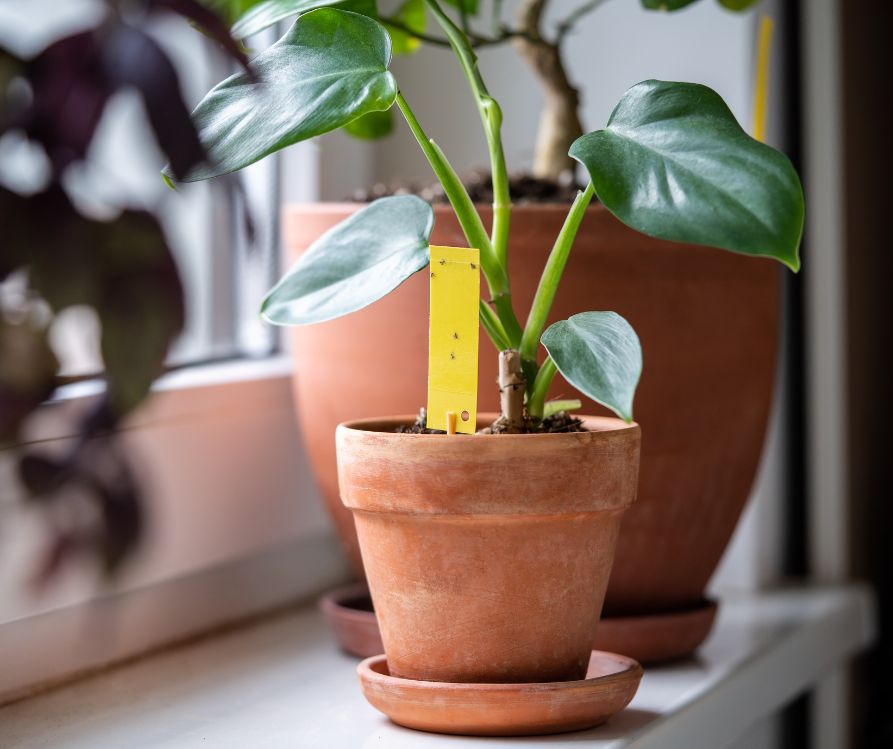
This is a simple, non-toxic way to catch adult fungus gnats. As mentioned, the adults are attracted to the color yellow and will get caught on the sticky surface.
58 Pcs Flying Insect Traps for Plants
How to use them:
- Purchase yellow sticky traps from a garden center or online.
- Place the traps on stakes and insert them into the soil of your affected plants.
- You can also lay them flat on the soil surface.
- Replace the traps when they become covered with gnats.
Apple Cider Vinegar Trap
This classic DIY trap is great for catching adult flies. It’s a simple set-it-and-forget-it solution.
How to make it:
- Pour about an inch of apple cider vinegar into a small jar or bowl.
- Add a few drops of liquid dish soap. This breaks the surface tension, causing the gnats to sink.
- Place the trap near your infested plants. The gnats will be attracted to the vinegar’s scent, fly in, and get trapped.
- Change the solution every few days.
The Potato Slice Method
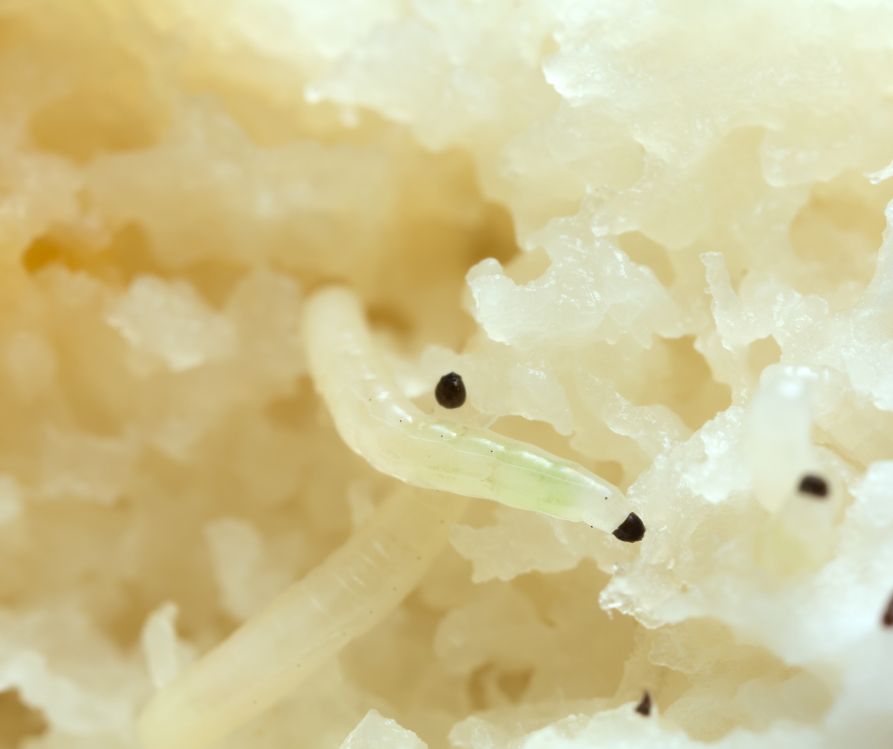
This method helps you trap and remove the larvae from the soil.
How to do it:
- Cut a raw potato into slices about a quarter-inch thick.
- Place the potato slices on the surface of the soil in your pots.
- The larvae will be attracted to the moisture and starch in the potato and will migrate to it to feed.
- After a day or two, lift the slices and you’ll likely see larvae on the underside.
- Dispose of the potato slices in a sealed bag and repeat the process with fresh slices until you no longer see larvae.
Store-Bought Solutions for Fungus Gnats
If your DIY efforts aren’t cutting it or you’re dealing with a large infestation, several store-bought products are highly effective.
Bacillus thuringiensis israelensis (Bti)
Bti is a naturally occurring bacterium found in soil that is toxic to the larvae of certain insects, including fungus gnats and mosquitoes. It is completely safe for humans, pets, and plants.
How to use it:
- Bti is available in various forms, such as “Mosquito Bits” or dunks.
- For Mosquito Bits, you can either sprinkle them on the soil surface before watering or soak them in water for about 30 minutes and then use that water to drench the soil of your plants.
- This will kill the larvae in the soil, breaking the life cycle. Repeat the application every one to two weeks to eliminate new hatchlings.
Insecticidal Soap
Insecticidal soap is a contact spray that can kill adult fungus gnats. It works by breaking down the insect’s outer protective layer, causing dehydration.
How to use it:
- You can buy a pre-mixed insecticidal soap spray or a concentrate to mix with water.
- Spray the adult gnats directly when you see them. You can also lightly spray the soil surface.
- Be sure to follow the product’s instructions, as some plants can be sensitive to these soaps. It’s a good idea to test the spray on a small part of the plant first.
If fungus gnats have started expanding their range throughout your house, I recommend Zevo 2 Flying Insect Traps & 2 Refill Cartridges – Plug in Fly Trap & Indoor Bug Catcher for Gnats, House & Fruit Flies to get rid of them.
How to Prevent Future Infestations
Once you’ve dealt with the current problem, the best strategy is prevention. Creating an environment that is less inviting to fungus gnats will keep them from coming back.
Water Properly
The most important step is to avoid overwatering. Fungus gnats thrive in consistently moist soil. Allow the top one to two inches of soil to dry out completely between waterings. This creates an inhospitable environment for their eggs and larvae.
Improve Soil Drainage
Ensure your pots have good drainage holes. Using a well-draining potting mix can also help the soil dry out more quickly. You can amend your soil with perlite or sand to improve aeration.
Bottom Watering
Consider watering your plants from the bottom. Place the pot in a saucer of water and allow the roots to soak up moisture from below. This keeps the top layer of soil dry, preventing gnats from laying their eggs there.
Keep It Clean
Regularly remove any dead leaves or other organic debris from the soil surface, as this can provide food for the larvae.
Take Back Your Indoor Garden
Dealing with fungus gnats can be frustrating, but with a little persistence, you can get rid of them for good. The key is to use a combination of methods that target both the adult flies and the larvae in the soil. Once you’ve broken their life cycle, focus on preventative measures like proper watering to keep your houseplants healthy and pest-free.
Now that you have the knowledge and tools, you can confidently tackle this common houseplant problem. Happy gardening!
Visit the Garden Resources page for supplies and inspiration. Don’t forget to subscribe to the Calendula’s Garden Newsletter for more gardening tips.
Calendula’s Garden is reader supported. When you buy through links on our site, we may earn an affiliate commission. As an Amazon Associate, I earn from qualifying purchases. For more information, view our Disclaimer page. Thank you!