How to Design a Small Container Garden
Calendula's Garden is reader suported This post may contain affiliate links, more on our Disclaimer page. Thank you!
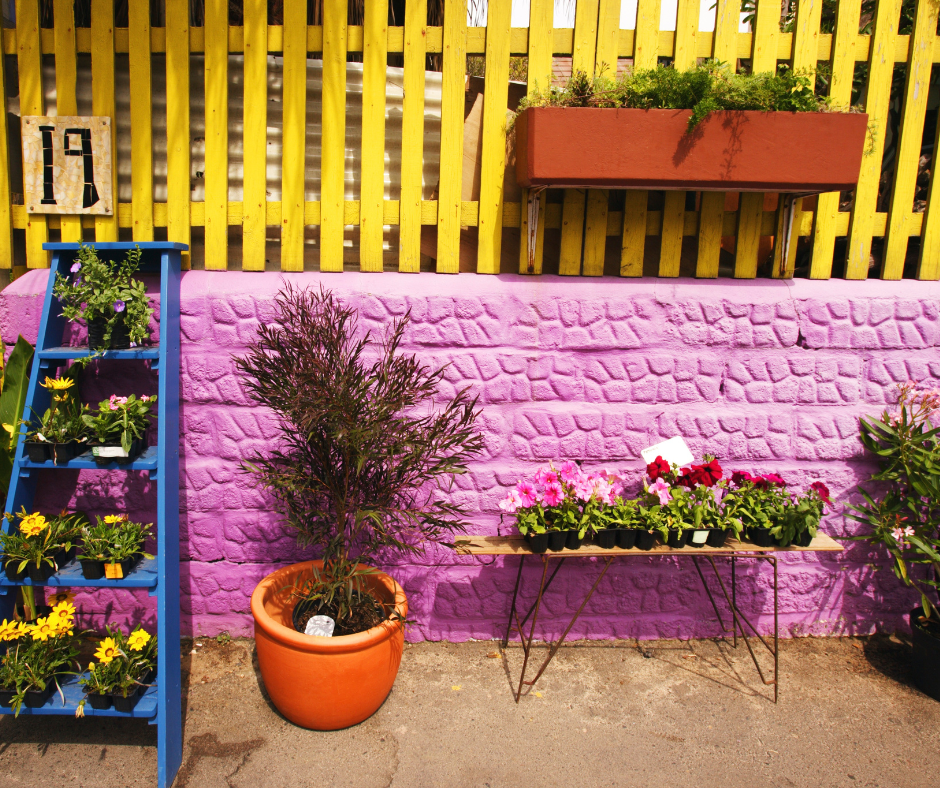
Most people think that in order to have a garden, they need a lot of space. But that’s not always the case. You can create a beautiful garden using containers of all shapes and sizes.
In this guide, I’ll show you how to do just that. I’ll also provide tips on choosing the right plants and flowers for your container garden, as well as how to care for them. So if you’re ready to get started, read on!
Choose the Right Containers
When it comes to containers, you have a lot of options. You can use anything from barrels and wheelbarrows to buckets and baskets. Just make sure that the container you choose has drainage holes in the bottom so that your plants don’t get overwatered.
There are many different types of containers that can be used for a small garden, and the best one for you will depend on the look you are going for and the amount of space you have.
If you want a classic look, terra cotta pots are a good option. They come in a variety of sizes, so you can find one that is just right for your space.
For a more modern look, you might consider using metal or plastic pots. These materials are often lighter weight than terracotta, making them easier to move around if necessary.
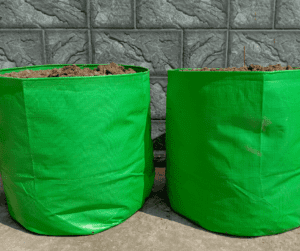
Grow bags are a type of container gardening that has become increasingly popular in recent years. They are generally made from a lightweight fabric, such as felt or burlap, and are filled with a growing medium, such as compost or potting soil.
Grow bags can be placed directly on the ground or hung from hooks or brackets.
One of the main advantages of grow bags is that they can be used to create a small garden in a limited space. If you have a patio, balcony, or small yard, grow bags can be an ideal solution for adding a splash of color or growing your own herbs and vegetables.
Another advantage of grow bags is that they are often more affordable than traditional pots and planters. And because they are lightweight and portable, grow bags can be moved around easily to take advantage of the best lighting conditions.
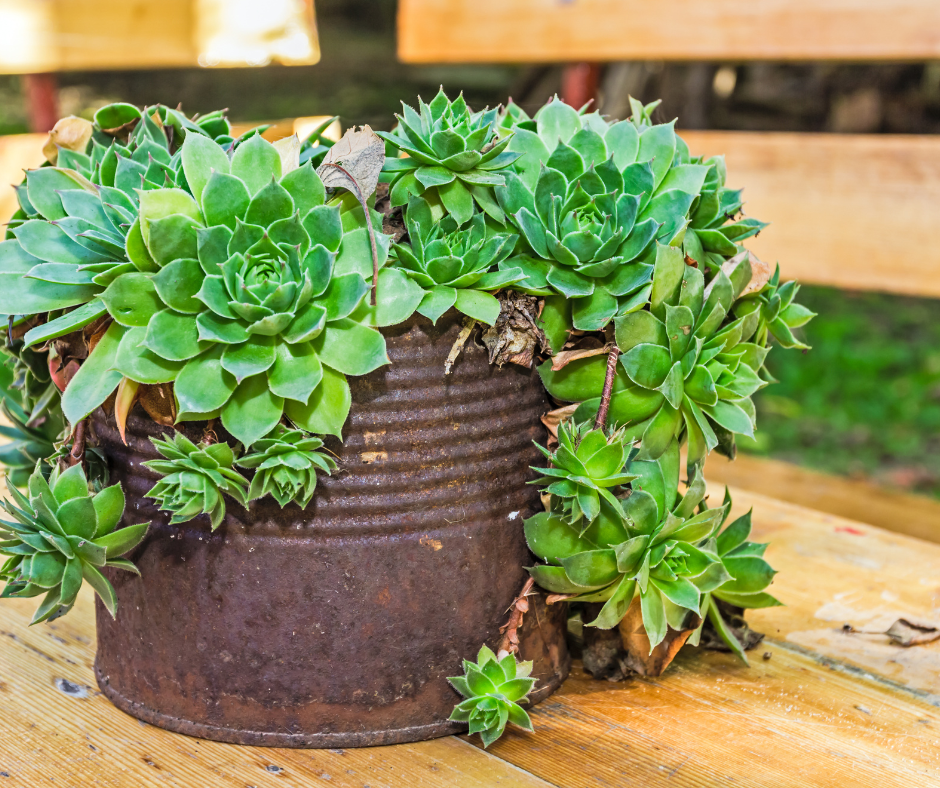
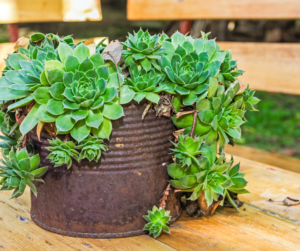
And if you’re really short on space and budget, you can even grow plants in recycled materials like old pots, boxes, barrels, buckets, bins, and trays. With a little creativity, you can easily find containers that are both functional and stylish.
Plan your Garden Layout
Deciding on a layout for your small garden can be daunting, but it doesn’t have to be! The first step is to decide what kind of garden you want. Do you want a place to grow vegetables, or are you looking for a more ornamental space?
Answering these questions will help you determine how many plants you’ll need and what size containers to use. Once you’ve decided on the purpose of your garden, you can start planning the layout.
When it comes to garden layout, there are a few things to keep in mind. Consider the size and shape of your space. Then, think about how much sun or shade it gets.
Once you have an idea of what you want to grow, sketch out a basic plan. You can use graph paper to help with this. Once you have your plan, it’s time to start shopping for containers!
Consider both function and aesthetics when selecting containers. And don’t forget about vertical growing space! Trellises, hanging baskets, and other vertical planters can help make the most of a small space.
Another common layout for a small vegetable garden is the raised bed garden. This type of garden is easy to construct and maintain, and it can be customized to fit any space.
If you’re looking for something more decorative, consider a butterfly garden. Butterfly gardens can be created with just a few plants, and they make a beautiful addition to any yard.
Pamper your container plants with a great potting soil mix
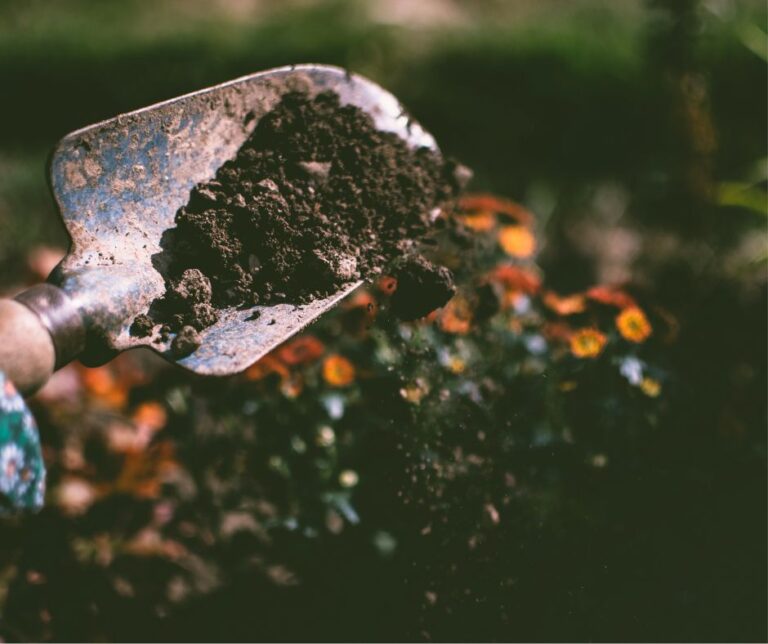
Not all types of soil are equally well suited for this type of gardening. Generally, soil direct from your yard is too compact and heavy to be used in container gardens.
One important factor to consider is drainage. The potting soil must drain well to avoid becoming waterlogged.
Another consideration is fertility. Since containers restrict the root growth of plants and watering tends to flush nutrients out of the soil, the soil must be highly fertile in order to provide adequate nutrition.
A third factor to keep in mind is weight. Since you want to be able to easily move your containers, it is important to choose a lightweight potting soil mix. Overall, a well-draining, highly fertile, and lightweight soil mix is the best type of soil for container gardening.
Add plants and flowers to your containers
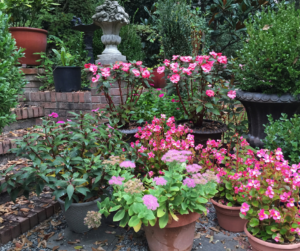
Container gardening is a great way to make the most of a small space. In addition to adding a splash of color and texture, plants can also provide a welcome bit of shade on a hot summer day.
You can grow a wide variety of vegetables, herbs, and ornamental plants in containers, and there are endless possibilities for creativity.
Just about any plant can be grown in a container, but some are better suited than others. Smaller plants such as lettuce, radishes, and spinach do well in pots, as do herbs like basil, mint, and oregano.
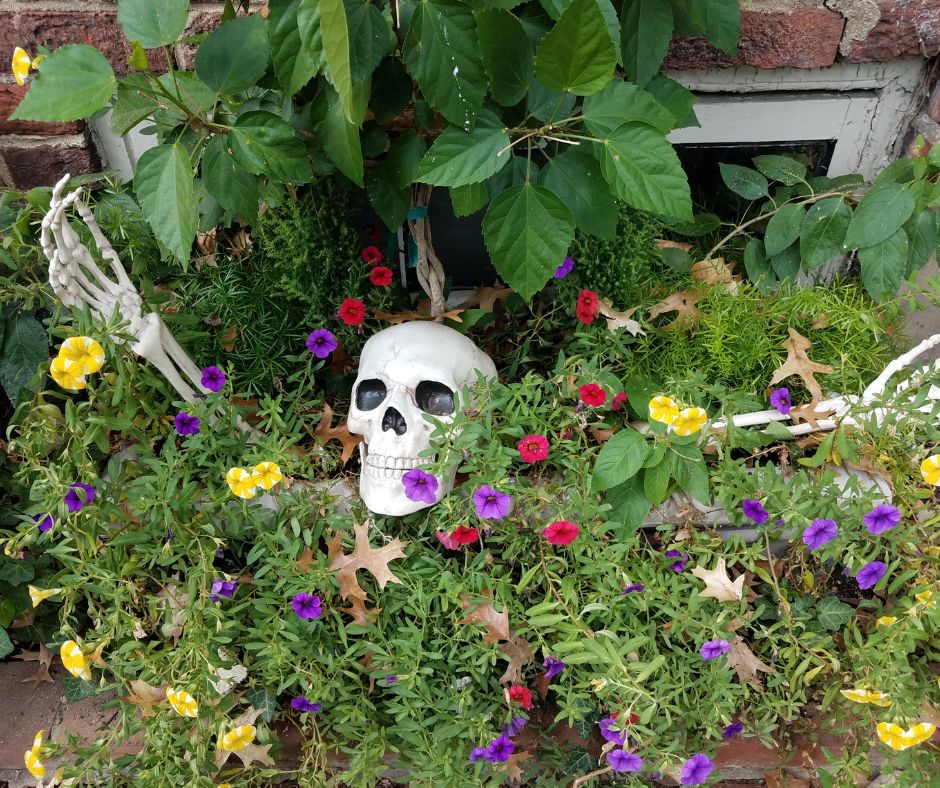
For ornamental plants, try dwarf varieties of flowers such as petunias, impatiens, and marigolds.
But with so many different types of plants to choose from, it can be daunting to know where to start. When choosing plants for a container garden, it is important to consider the amount of light and water they will need.
For example, succulents and cacti are well-suited for dry, sunny conditions, while ferns and impatiens prefer shady, moist areas.
Water and care for your plants
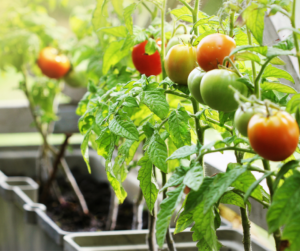
Container gardening is a great way to add color and life to your outdoor space, but it does require some extra care when it comes to watering. Here are a few tips to help you keep your plants healthy and hydrated:
– Check the soil before watering. Container gardens can dry out quickly, so it’s important to only water when the soil is actually dry. One way to check is to stick your finger into the soil up to the first knuckle. If the soil is dry, it’s time to water.
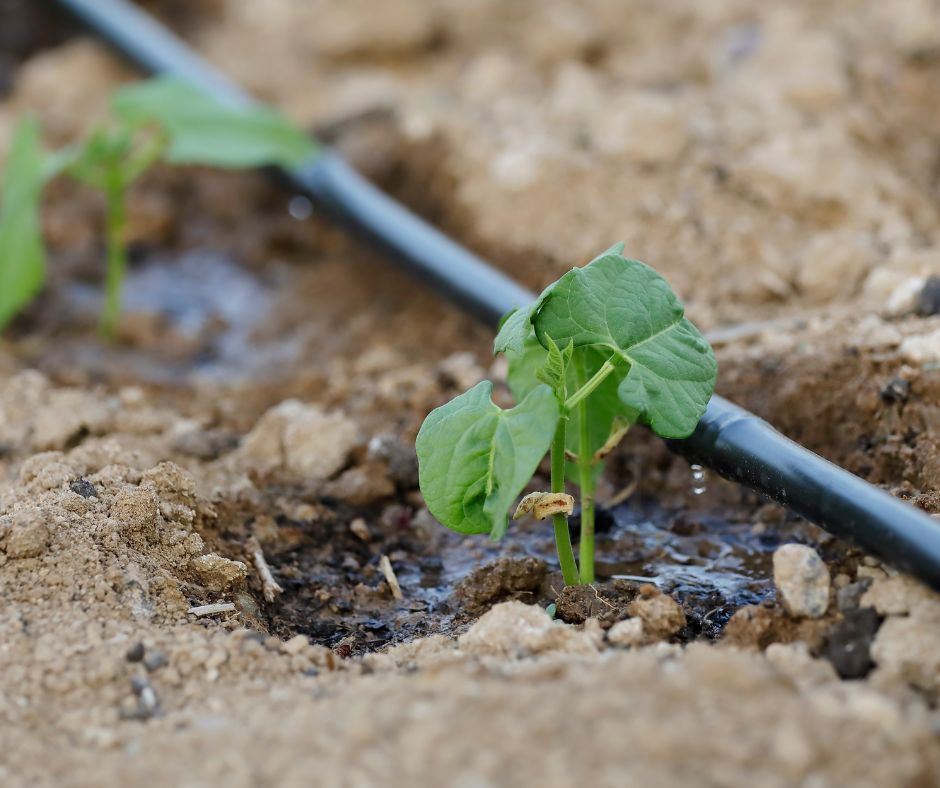
– Water thoroughly. When you do water, make sure to give the plants a good soaking so that the roots have plenty of moisture. Avoid watering too often, as this can also lead to problems such as root rot.
– Use a mulch. A layer of mulch on top of the soil helps to retain moisture and protect the roots from heat and direct sunlight.
By following these simple tips, you can keep your container garden healthy and hydrated all season long.
Feed your plants
As anyone who has ever tried to grow plants in containers knows, it can be a bit of a challenge to keep your plants productive in the long term.
The roots of a plant need access to oxygen, water, and nutrients in order to stay healthy, and when these resources are confined to a small space, it can be difficult for the plant to thrive.
That’s why one of the most important things you can do for your container plants is to fertilize them on a regular basis. But what kind of fertilizer should you use?
There are many different types of fertilizer available on the market, but not all of them are created equal. For best results, look for a fertilizer that is specifically designed for use in containers.
These products will typically contain a higher concentration of nutrients than those designed for use in larger gardens, making them ideal for plants that are growing in less-than-ideal conditions.
In terms of how often to fertilize, a good rule of thumb is to do it every two weeks or so. However, you may need to adjust this schedule depending on the type of fertilizer you’re using and the needs of your plants. Check the fertilizer label for guidance. If you’re still unsure about how often to fertilize, ask your local gardening center for advice.
Enjoy your small garden!
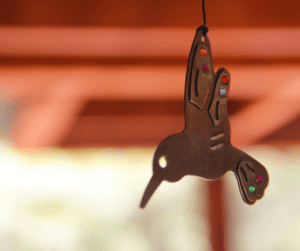
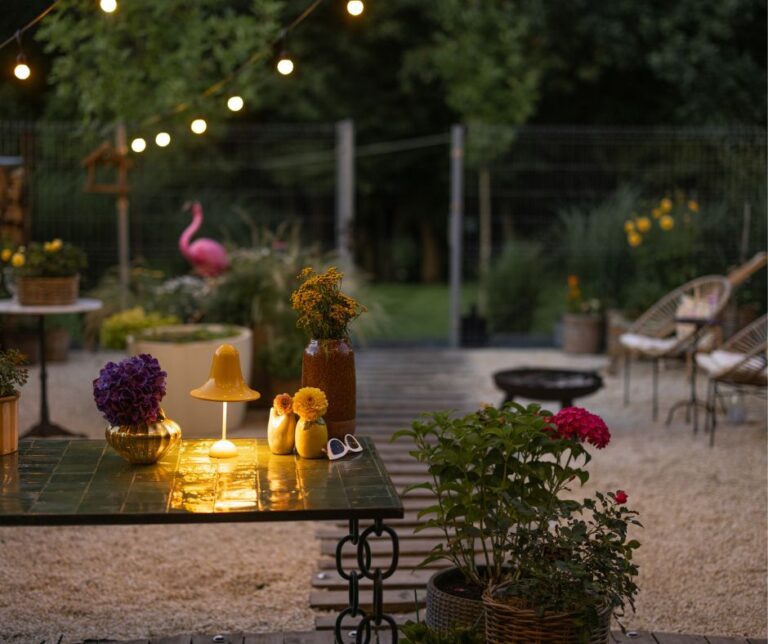
Garden art is a great way to add personality to your outdoor space. If you have a small garden, there are plenty of fun, whimsical pieces that will make it feel unique and inviting. One option is to install a metal sculpture, fountain, or wind chime. They can be found in a variety of styles, from classic to contemporary.
These eye-catching pieces can add height and movement to your garden. Another option is to hang string lights or lanterns from tree branches or fences. This will create a magical, fairy tale like atmosphere in your garden.
Whatever you choose, garden art is a great way to express your personality and make your garden feel like your own personal oasis. No matter what type of garden you’re planning, don’t forget to leave room for seating! A comfortable chair or bench will allow you to enjoy your handiwork all season long.
Visit the Garden Resources page for supplies and inspiration. Don’t forget to subscribe to the Calendula’s Garden Newsletter for more gardening tips.
Calendula’s Garden is reader-supported. When you buy through links on our site, we may earn an affiliate commission. As an Amazon Associate, I earn from qualifying purchases. For more information, view our Disclaimer page.
Container Resources
VIVOSUN 5-Pack 7 Gallon Plant Grow Bags, Heavy Duty Thickened Nonwoven Fabric Pots with Handles