How to Design a Beautiful Shade Garden in 5 Steps
Calendula's Garden is reader suported This post may contain affiliate links, more on our Disclaimer page. Thank you!
Do you have a shady spot in your yard that you’ve written off as a lost cause? Maybe it’s under a sprawling oak tree or on the north side of your house, where the sun rarely seems to visit.
Many gardeners see these areas as challenges, but I see them as opportunities. A shade garden can be a magical, tranquil retreat, filled with lush foliage and delicate, jewel-like blooms.
These cool, quiet spaces offer a welcome escape from the summer heat and open up a whole new world of planting possibilities.
Many of the most interesting plants, with unique textures and vibrant colors, actually thrive away from the sun’s direct glare. Imagine a serene corner of your yard with feathery ferns, broad-leafed hostas, and the soft glow of astilbe plumes. It’s a different kind of beauty, more subtle and peaceful than a sun-drenched flower bed, but just as captivating.
Creating your own shady oasis is easier than you might think. With a little planning and the right knowledge, you can transform that neglected corner into the most enchanting part of your landscape.
In this guide, I’ll walk you through a simple, five-step process to design and plant a beautiful, thriving shade garden.
Step 1: Assess Your Shade Conditions
Before you even think about buying plants, the first and most crucial step is to understand the kind of shade you’re working with. Not all shade is created equal, and the amount of light your garden receives will dictate which plants will flourish. Observing your space carefully is the key to success.
Understanding the Types of Shade
Shade can be categorized based on the amount of direct sunlight an area receives throughout the day. Here are the main types you’ll encounter:
Light Shade (or Open Shade)
This type of shade is often found on the north side of a building or under high-branched trees.
The area receives bright, indirect light for most of the day but is shielded from the sun’s direct rays. It’s an ideal condition for a wide variety of shade-loving plants, as it’s bright without being harsh.
Partial Shade (or Semi-Shade)
This term can be a bit confusing, but it generally refers to an area that receives between three and six hours of direct sun each day. Morning sun is usually preferable, as the afternoon sun can be too intense for many shade plants.
A spot that gets dappled sunlight filtering through tree leaves all day could also be considered partial shade.
Dappled Shade
This is the lovely, moving shade you find beneath deciduous trees with a light canopy, like birches or honey locusts. Sunlight filters through the leaves, creating a pattern of light and shadow that shifts throughout the day.
It’s a wonderful environment for woodland plants that appreciate protection from intense sun but still need some light to thrive.
Deep Shade (or Full Shade)
This is the most challenging condition. Deep shade occurs in areas that receive less than three hours of direct sunlight daily, with filtered light for the rest of the day.
This is common under dense evergreen trees, between closely spaced buildings, or beneath a low deck. While the plant selection is more limited, there are still many beautiful options that can handle these low-light conditions.
How to Measure Your Shade
To accurately determine what kind of shade you have, you’ll need to become a bit of a detective. Spend a day observing the area you want to plant.
Start in the morning and check on the spot every hour or two. Take notes or even photos to track how the light moves and changes. When does the sun first hit the area? How long does it stay? Is the light direct or filtered? Doing this will give you a “sun map” of your garden.
For a more scientific approach, you can use a sunlight calculator or a simple light meter. These tools can give you a precise reading of the light intensity. Some smartphone apps can also help you map the sun’s path over your property for any given day of the year.
This can be especially helpful since the sun’s angle changes with the seasons, affecting the amount of shade cast by trees and structures. Remember that a spot that’s shady in summer might get more sun in winter when deciduous trees lose their leaves.
Understanding your light conditions is the foundation of your shade garden. Once you know what you’re working with, you can move on to the fun part: choosing your plants!
Step 2: Choose the Right Plants
With a clear understanding of your light conditions, you can now select plants that will not just survive, but thrive. The secret to a stunning shade garden is choosing plants that are naturally adapted to lower light levels and then combining them in thoughtful ways.
Where to find seeds, plants, and supplies:
Top Plants for a Shade Garden
Here are some reliable and beautiful plants that are perfect for shady spots. They are categorized by type to help you plan a layered design.
Foliage Plants (for Texture and Color)
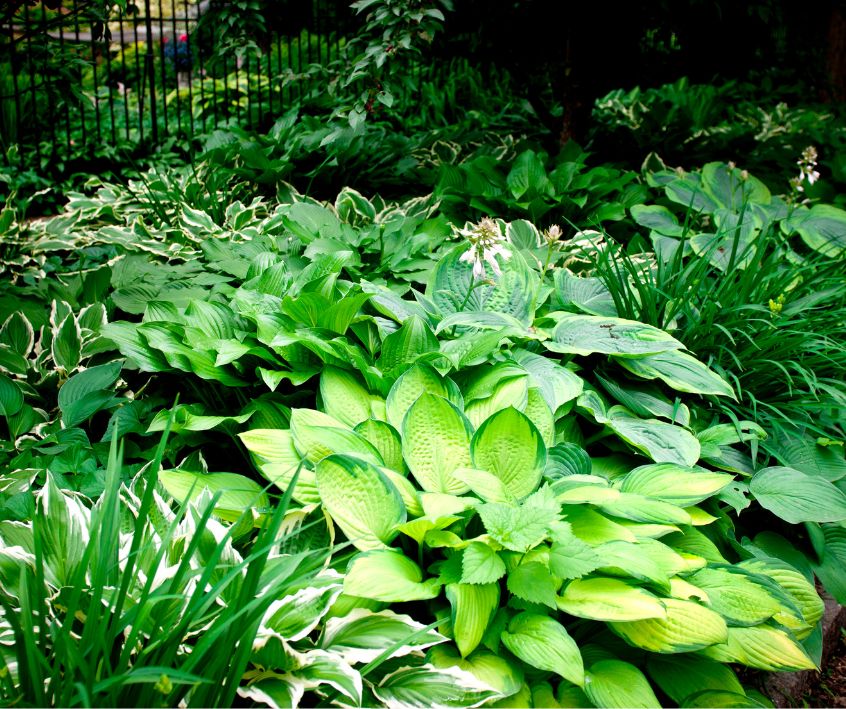
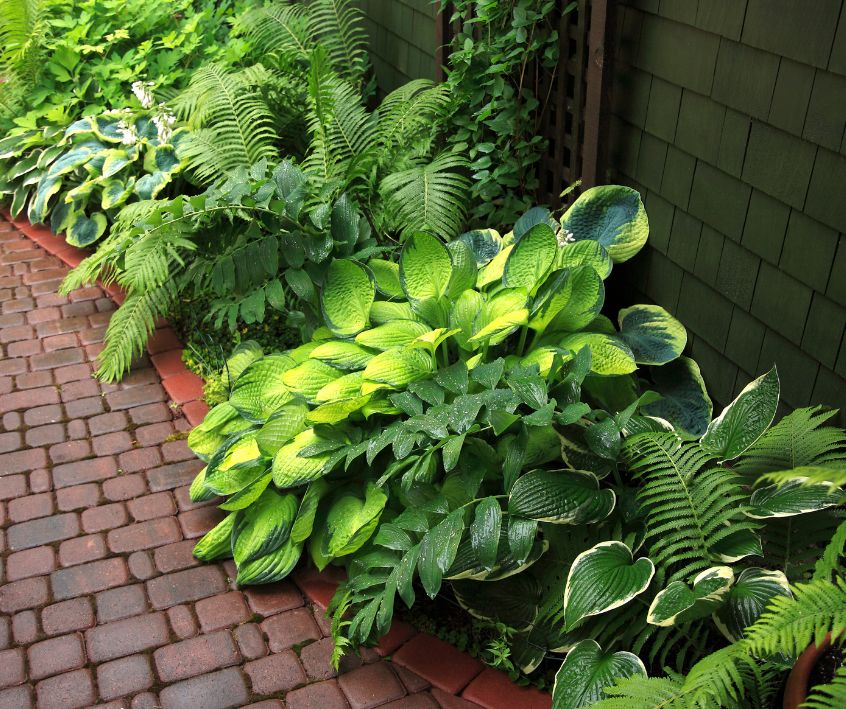
Hostas (Hosta spp.): The undisputed kings of the shade garden. Hostas come in an incredible variety of sizes, leaf shapes, and colors, from deep blue-greens to chartreuse and variegated patterns. They are exceptionally hardy and low-maintenance.
Ferns: Ferns add a delicate, feathery texture that contrasts beautifully with broad-leafed plants like hostas. Look for varieties like the Japanese Painted Fern (Athyrium niponicum ‘Pictum’) with its silvery fronds, or the hardy Ostrich Fern (Matteuccia struthiopteris).
Heuchera (Coral Bells): If you want a pop of color without relying on flowers, Heuchera is your answer. Its ruffled leaves come in shades of deep purple, amber, lime green, and bronze. They produce delicate flower spikes in late spring, but the foliage is the real star.
Brunnera (Brunnera macrophylla): Often called Siberian Bugloss, Brunnera is prized for its heart-shaped leaves, especially variegated varieties like ‘Jack Frost’ which have a stunning silver overlay. It also produces clouds of tiny, sky-blue flowers in the spring that resemble forget-me-nots.
Flowering Perennials
Astilbe (Astilbe spp.): Known for their fluffy, plume-like flowers in shades of pink, red, and white, Astilbes bring vibrant color and a soft texture to the shade garden in early to mid-summer.
Bleeding Heart (Lamprocapnos spectabilis): A classic spring-blooming shade plant, the Bleeding Heart produces arching stems of delicate, heart-shaped flowers. It adds a touch of whimsical romance to any garden.
Hellebores (Helleborus spp.): Also known as Lenten Roses, these amazing plants bloom in late winter or very early spring, often when snow is still on the ground. Their cup-shaped flowers and evergreen foliage provide much-needed interest when little else is growing.
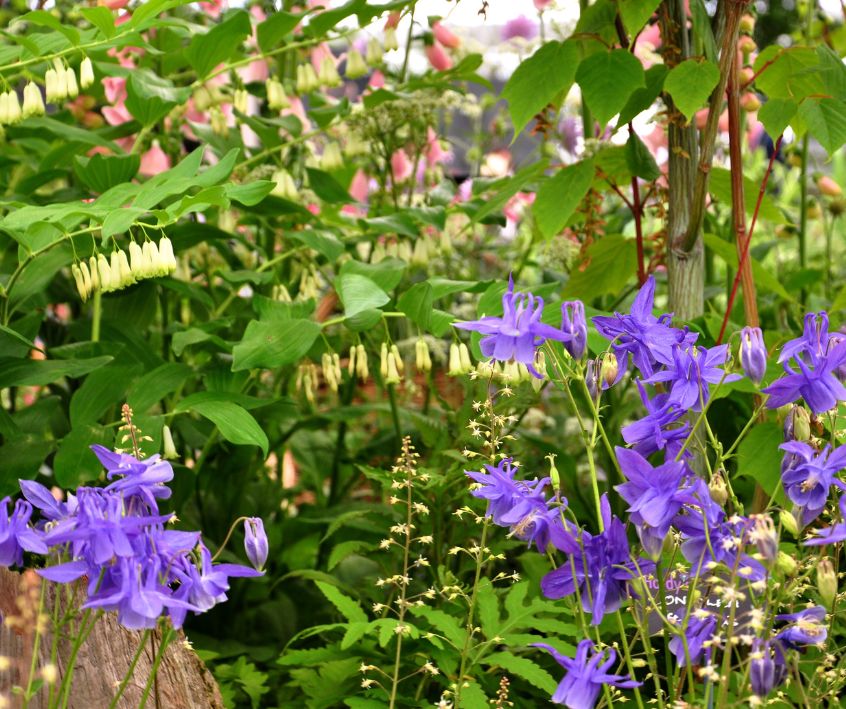
Columbine (Aquilegia spp.): With their unique, intricate flowers, Columbines are a magnet for hummingbirds. They come in a wide range of colors and bloom in late spring and early summer.
Ground Covers
Japanese Pachysandra (Pachysandra terminalis): An excellent evergreen ground cover for deep shade, it forms a dense, glossy green carpet that suppresses weeds.
Vinca Minor (Periwinkle): This trailing vine produces lovely blue or purple flowers in the spring and has glossy, dark green leaves. It’s very vigorous, so be sure to plant it where it has room to spread.
Sweet Woodruff (Galium odoratum): A fragrant, low-growing plant with whorled leaves and tiny white flowers in spring. It’s perfect for carpeting the ground under trees.
Factors to Consider When Choosing Plants
Beyond light requirements, keep these factors in mind:
Hardiness Zone: Make sure the plants you choose are appropriate for your climate. You can find your USDA Plant Hardiness Zone by entering your zip code online.
Soil Type: Shade gardens, especially those under large trees, often have dry soil because the tree roots absorb most of the available moisture. Look for plants labeled as “drought-tolerant” or “dry shade” tolerant. We’ll discuss improving soil in the next step.
Water Requirements: Group plants with similar water needs together. This makes watering much more efficient and ensures all your plants are happy.
Mature Size: Pay close attention to the plant tag to see how tall and wide a plant will get. This will prevent overcrowding and save you from having to move plants around later.
Step 3: Prepare the Soil
Healthy plants start with healthy soil. In shady areas, especially under trees, the soil is often compacted, dry, and depleted of nutrients. Taking the time to improve your soil before planting will pay off with lush, vigorous growth.
The Importance of Good Soil
The ideal garden soil is rich in organic matter, loose, and well-draining. This allows plant roots to spread out easily, access oxygen, and absorb water and nutrients efficiently. In a shade garden, competition from tree roots can make good soil even more critical.
How to Amend Your Soil
The best way to improve almost any soil is to add organic matter. This helps sandy soil retain moisture and helps clay soil improve drainage. Here’s how to do it:
- Clear the Area: Remove any weeds, grass, or debris from your planting area.
- Add Organic Matter: Spread a generous layer (3-4 inches) of compost, aged manure, shredded leaves, or peat moss over the entire bed. Compost is the gold standard, as it’s packed with nutrients and beneficial microbes.
- Incorporate It: Gently work the organic matter into the top 6-8 inches of soil using a garden fork or tiller. Be very careful if you are working under trees. Avoid digging too deeply or severing large roots, as this can harm the tree. It’s better to gently cultivate around the main roots. For established trees, you might even consider creating a raised bed or simply top-dressing with compost each year.
- Check the pH: Most shade-loving woodland plants prefer slightly acidic soil (a pH between 6.0 and 7.0). You can test your soil’s pH with a simple home test kit. If your soil is too alkaline, you can lower the pH by adding elemental sulfur or sphagnum peat moss. If it’s too acidic, you can raise it with lime. Always follow the package instructions.
By preparing your soil properly, you’re giving your new plants the best possible start in life and setting your shade garden up for long-term success.
Step 4: Design Your Garden Layout
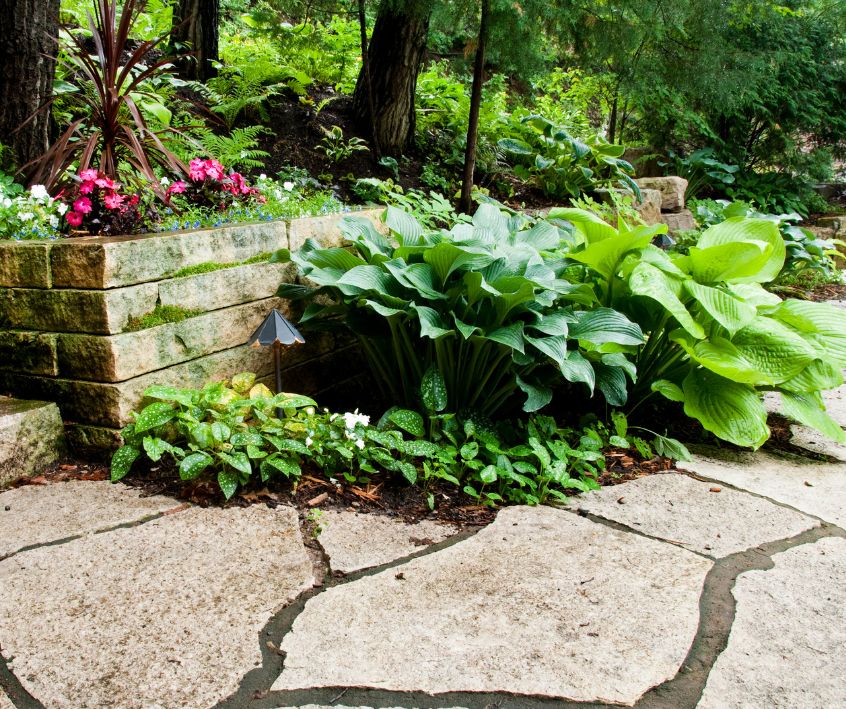
With your plants chosen and your soil prepared, it’s time for the creative part: designing the layout. A well-designed shade garden is more than just a collection of plants; it’s a harmonious composition of textures, colors, and forms that creates a sense of peace and beauty.
Tips for a Visually Appealing Design
Think like an artist painting a canvas. Here are some design principles to guide you:
Layering
Create depth and interest by planting in layers. Place taller plants, like Foxgloves or large ferns, at the back of the bed. Use medium-sized plants, such as hostas and astilbes, in the middle. Fill in the front with low-growing ground covers or smaller plants like Heuchera.
Play with Texture
In a shade garden, foliage is often the main attraction. Combine plants with different leaf textures for a sophisticated look. For example, pair the bold, smooth leaves of a hosta with the fine, lacy fronds of a fern and the glossy leaves of a Brunnera. The contrast will be stunning even when nothing is in bloom.
Use Color Thoughtfully
While shade gardens are often associated with green, you can incorporate plenty of color. Use plants with silver, chartreuse, or deep purple foliage to brighten up dark corners. When it comes to flowers, white, pale pink, and light blue blooms tend to stand out more in low light.
Plant in Drifts
For a more natural, flowing look, plant in groups or “drifts” of three, five, or seven of the same plant. Avoid planting single specimens in a row, which can look rigid and unnatural.
Incorporate Hardscaping
Hardscaping elements can provide structure and year-round interest. Consider adding:
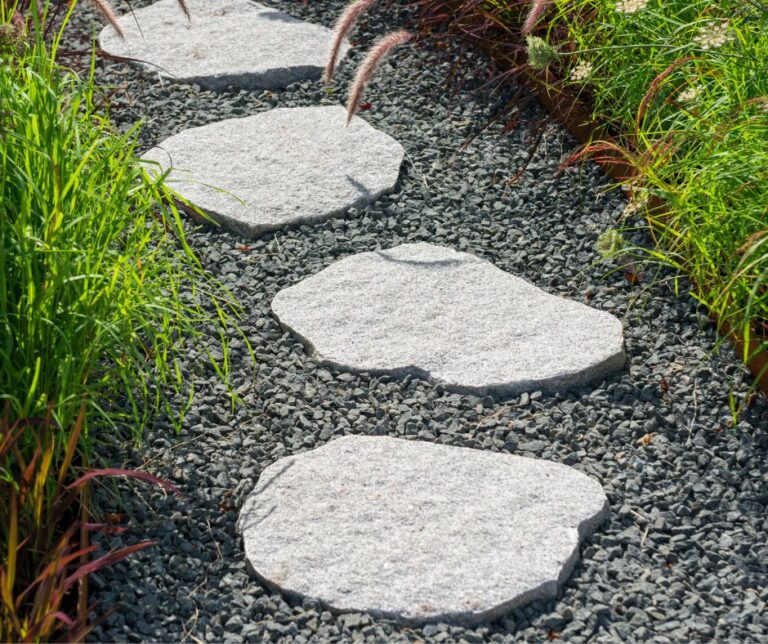
- Pathways: A winding path of flagstone or wood chips can invite exploration and lead the eye through the garden.
- Boulders and Rocks: Large rocks can add a naturalistic feel and create different planting levels.
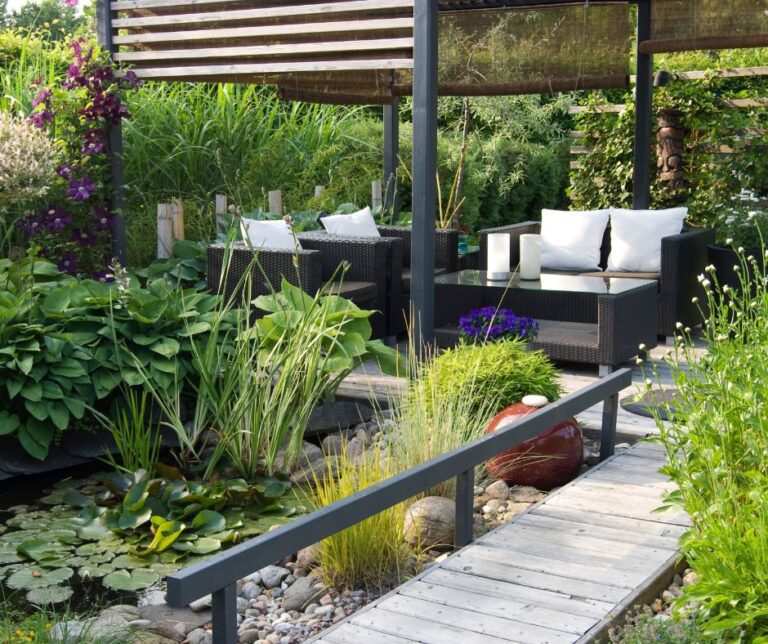
- Water Features: The gentle sound of a small fountain or bubbler can enhance the tranquil atmosphere of a shade garden.
- Benches or Seating: Create a destination within your garden—a place to sit and enjoy the serene environment you’ve created.
Before you start digging, it’s a good idea to arrange your plants (still in their pots) in the bed. Move them around until you find a composition you like. This allows you to visualize the final look and make adjustments easily.
Step 5: Maintain Your Shade Garden
Once your garden is planted, a little regular care will keep it looking its best. Maintenance for a shade garden is often less intensive than for a sun garden, but a few key tasks are essential.
Watering and Fertilizing
Watering
Shade gardens under trees can be surprisingly dry. Water your new plants regularly for the first year to help them get established. After that, water deeply but infrequently, when the top few inches of soil feel dry. It’s best to water early in the morning so the foliage has time to dry, which helps prevent fungal diseases.
Fertilizing
A top-dressing of compost each spring is often all the fertilizer your shade garden needs. If your plants seem to be struggling, you can apply a balanced, slow-release organic fertilizer in the spring.
Pest and Disease Prevention
Shady, damp conditions can sometimes encourage pests like slugs and snails, as well as fungal diseases like powdery mildew.
Slugs and Snails
These pests love hostas. You can hand-pick them in the evening or use organic slug bait.
Powdery Mildew
This appears as a white, dusty coating on leaves. To prevent it, ensure good air circulation by giving plants enough space. Water at the base of the plant, not on the leaves.
Pruning and Deadheading
Deadheading
Remove spent flowers from plants like Astilbe and Bleeding Heart to encourage more blooms or simply to keep the plant looking tidy.
Pruning
Trim back any dead, damaged, or yellowing foliage throughout the season. In late fall, after the first frost, you can cut back most of your herbaceous perennials to the ground. Leave evergreen or semi-evergreen plants like Hellebores and some Heucheras as they are for winter interest.
Finally, remember to add a 2-3 inch layer of mulch (like shredded bark or leaf mold) around your plants. Mulch helps retain soil moisture, suppress weeds, and regulate soil temperature.
Your Shady Sanctuary Awaits
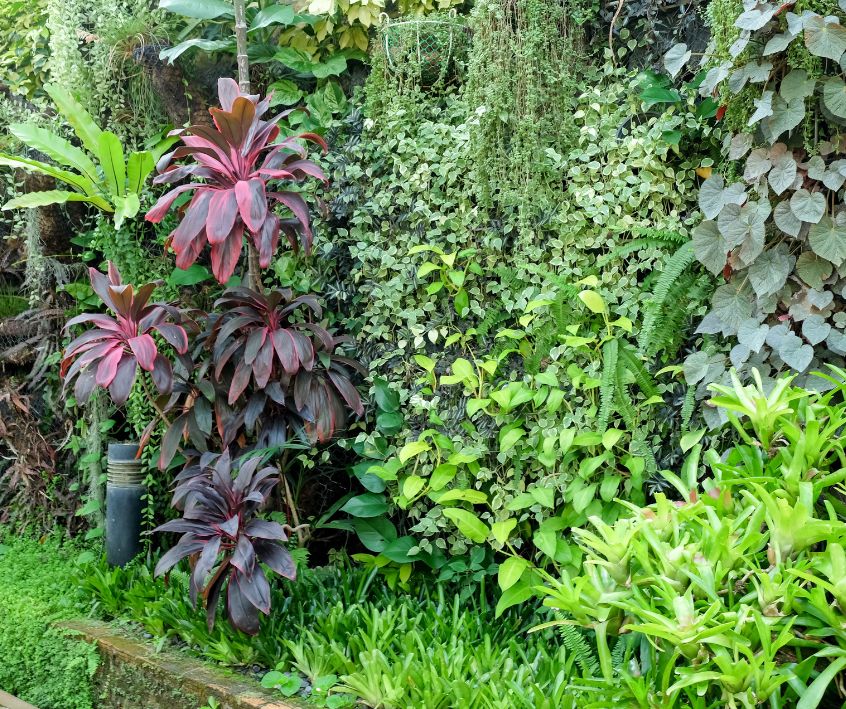
Creating a shade garden is a rewarding journey that transforms a challenging part of your yard into a peaceful retreat. By assessing your light, choosing the right plants, preparing your soil, designing a thoughtful layout, and performing regular maintenance, you can cultivate a lush and beautiful garden that will bring you joy for years to come.
Don’t be afraid to experiment. Gardening is a process of learning and discovery. Start small, see what works in your unique space, and let your garden evolve over time. That overlooked, shady spot has the potential to become your favorite place to unwind and connect with nature.
For more gardening tips and inspiration, check out our blog or join our online community of fellow garden lovers. Happy planting!
Visit the Garden Resources page for supplies and inspiration. Don’t forget to subscribe to the Calendula’s Garden Newsletter for more gardening tips.
Calendula’s Garden is reader supported. When you buy through links on our site, we may earn an affiliate commission. As an Amazon Associate, I earn from qualifying purchases. For more information, view our Disclaimer page. Thank you!