How to Dehydrate Garden Vegetables for Delicious and Sustainable Meals
Calendula's Garden is reader suported This post may contain affiliate links, more on our Disclaimer page. Thank you!

Dehydrating vegetables is one of the easiest and most efficient ways to preserve your garden’s bounty. Not only does it extend the shelf life of your harvest, but it also concentrates flavors, locks in nutrients, and offers endless culinary possibilities.
Whether you’re a gardener looking to make the most of your produce, a healthy eater aiming to stock up on wholesome snacks, or a homesteader wanting to reduce food waste, dehydrating vegetables can be a game-changer.
This guide covers some of the tastiest and easiest vegetables to grow and dehydrate, complete with tips for growing, dehydrating, and using them in your everyday meals.
Tomatoes: Versatile and Flavorful
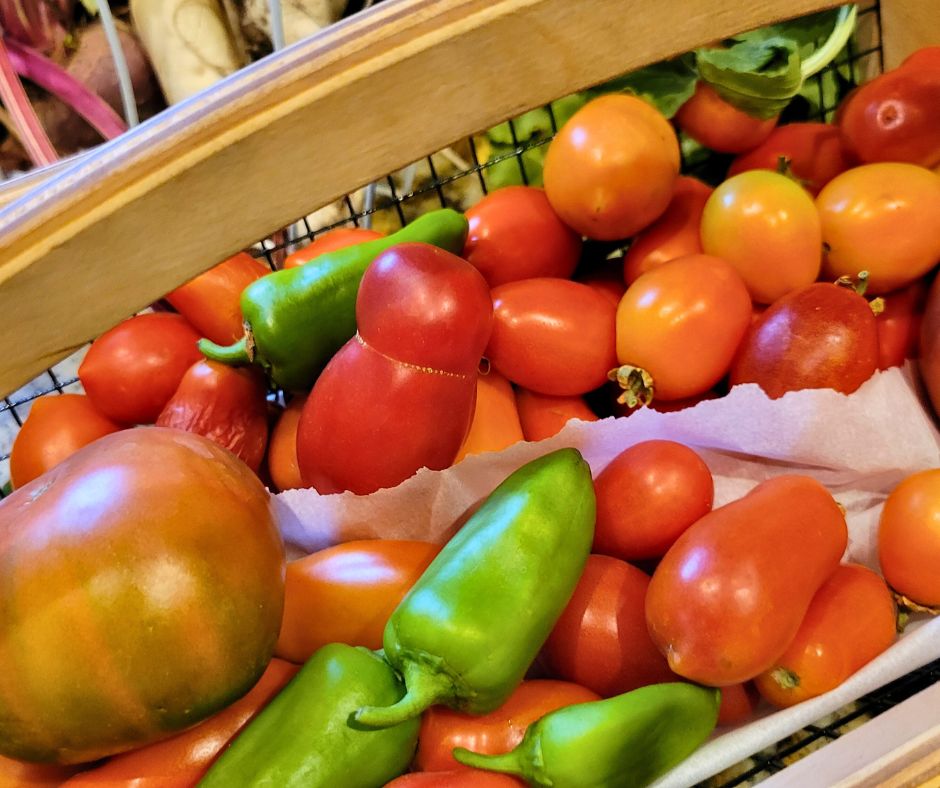
Tomatoes are a top choice for dehydrating due to their wide variety of uses. Seasoned with herbs and olive oil, dehydrated tomatoes transform into savory, flavor-packed sundried tomatoes perfect for pastas, salads, and pizzas. Cherry tomatoes, Roma, and other low-moisture varieties are ideal because they dry evenly and concentrate their natural sweetness.
Growing Tip: Tomatoes thrive in warm, sunny spots with well-draining soil. Be sure to prune regularly to encourage fruit production and periodically side dress with bone meal to ward off blossom end rot.
Recommended dehydrators: COSORI Food Dehydrator or NESCO Gardenmaster. I have used both with success.
Dehydrating Tip: Slice your tomatoes evenly to ensure consistent drying. For cherry tomatoes, cut them in half and place cut-side up in your dehydrator.
Bell Peppers: Colorful and Nutrient-Rich
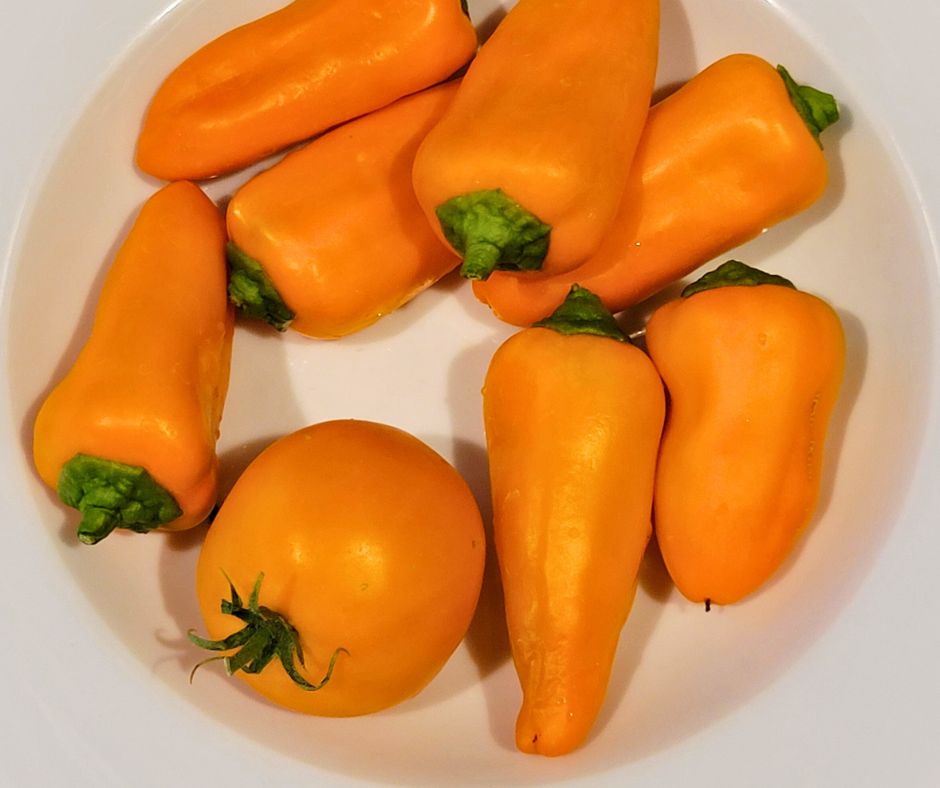
Bell peppers not only bring a pop of color to your garden but also dehydrate beautifully. Their natural sweetness is amplified when dehydrated, making them a delicious addition to soups, stews, or even DIY spice blends.
Growing Tip: Bell peppers love full sunlight and fertile soil. Consider multi-colored varieties like red, yellow, and orange to maximize flavor and aesthetic appeal.
Dehydrating Tip: Cut peppers into thin strips or small dice for quick drying. Their vibrant colors stay intact, adding visual appeal to your meals.
Zucchini: Easy to Grow and Dehydrate
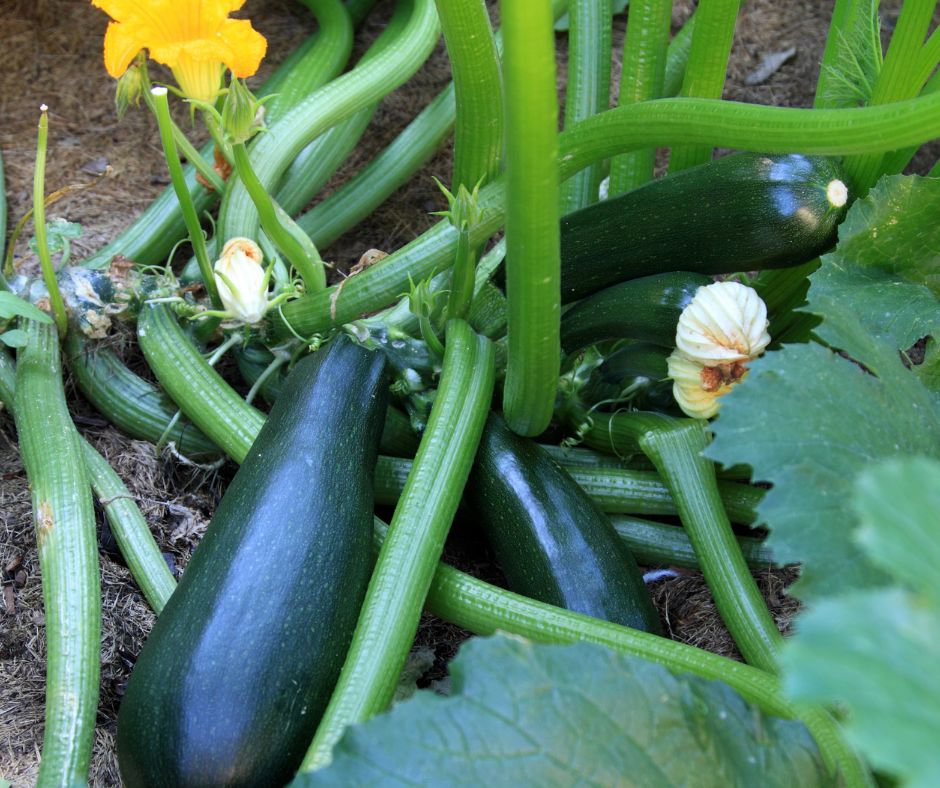
Zucchini is a beginner-friendly vegetable that’s perfect for dehydrating thanks to its versatility. Dehydrated zucchini can be used as chips, added to soups, or rehydrated for casseroles. Its mild flavor also makes it an excellent substitute for pasta or tortillas in creative recipes.
Growing Tip: Zucchini requires plenty of space and sunlight. Monitor for pests like squash bugs and harvest regularly to encourage more growth.
Dehydrating Tip: Slice zucchini thinly and season with spices for crispy veggie chips, or grate it first if you plan to use it in soups or baking.
Spinach: Nutrient-Dense and Great for Powdering
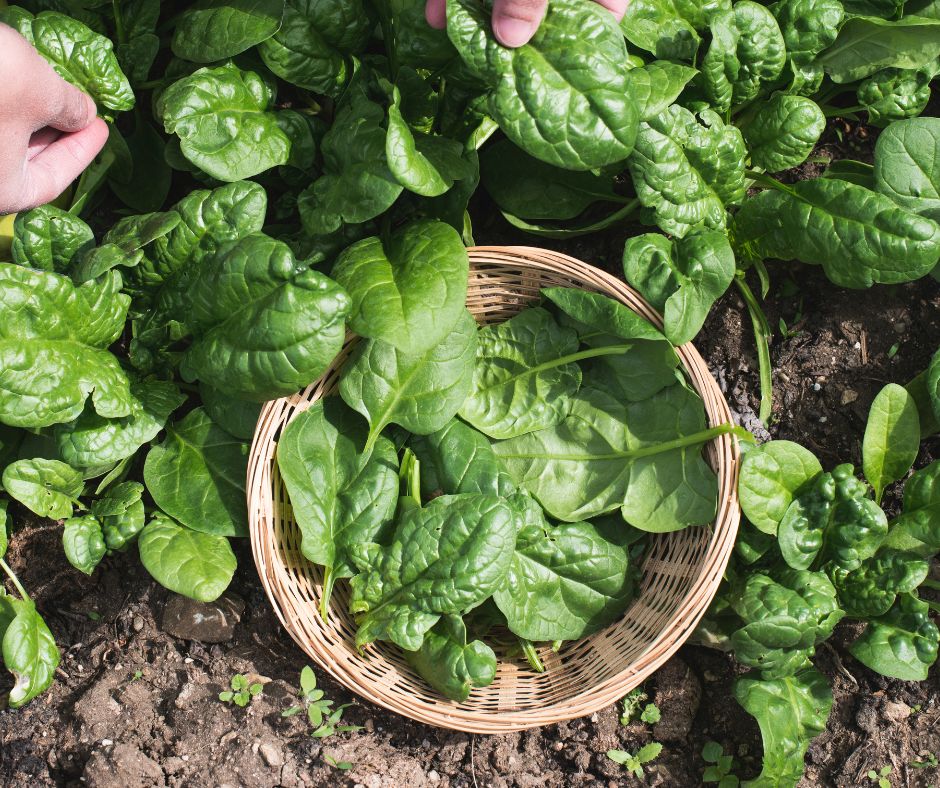
Spinach becomes a powerhouse when dehydrated, as it retains its nutrients while becoming incredibly lightweight. You can crush dried spinach into a powder for smoothies, sauces, or baked goods, giving you a convenient and healthy boost of vitamins.
Growing Tip: Spinach grows best in cool seasons and well-drained soil. Succession planting ensures a continuous harvest.
Dehydrating Tip: Wash spinach thoroughly and spread leaves in a single layer. Once dehydrated, crumble or blend into powder for easy storage and use.
Carrots: Sweet and Perfect for Snacking
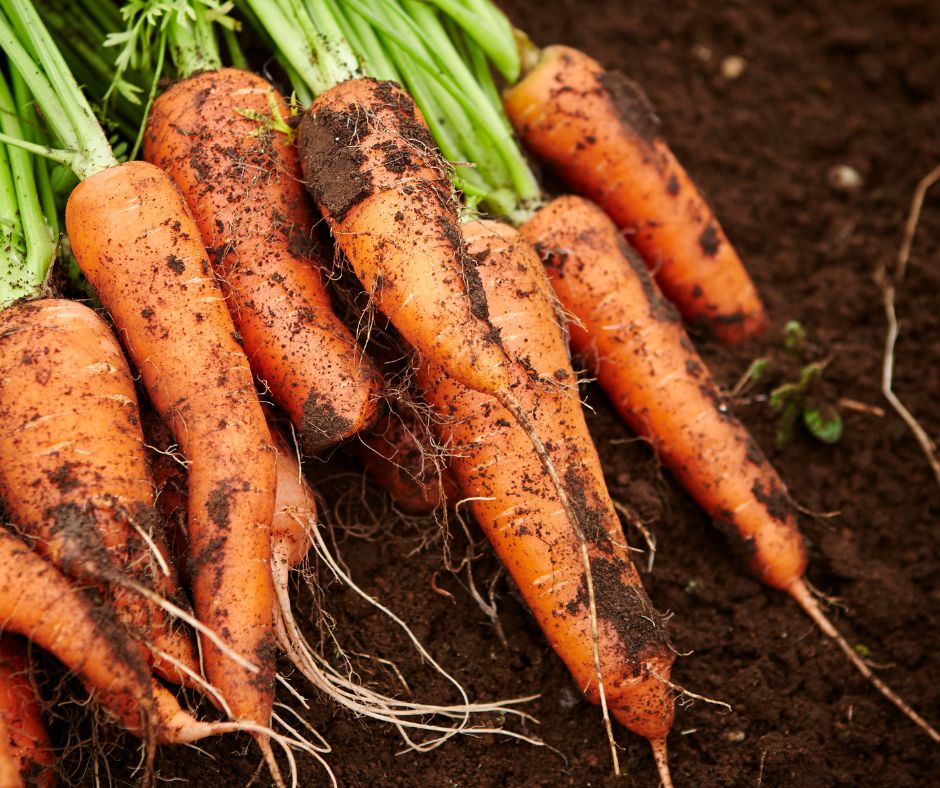
Carrots are naturally sweet, and dehydrating them heightens this characteristic, turning them into a crunchy and healthy snack. Dehydrated carrots also rehydrate well in soups, stews, and casseroles without losing their vibrant color.
Growing Tip: Carrots thrive in loose, sandy soil that allows roots to grow straight and long. Thin seedlings early to give them space.
Dehydrating Tip: Slice carrots thinly or dice them into small pieces. Blanching beforehand helps preserve their bright orange color and improves texture.
Moringa: A Superfood Powerhouse

Moringa is a nutrient-packed plant that’s easy to grow and highly versatile when dehydrated. Often referred to as the “miracle tree,” its leaves are rich in vitamins, minerals, and antioxidants.
Dehydrated moringa leaves can be powdered and used in teas, smoothies, soups, or even sprinkled on meals as a nutritional boost.
Growing Tip: Moringa thrives in warm, tropical climates and well-draining soil. It requires minimal maintenance and can grow quickly, even in less fertile soils.
Dehydrating Tip: Harvest moringa leaves when they are fresh and green. Wash thoroughly and dry them at low temperatures to maintain their nutritional value. Once dried, grind the leaves into a fine powder for convenient storage and use.
Kale: Hardy and Nutritious
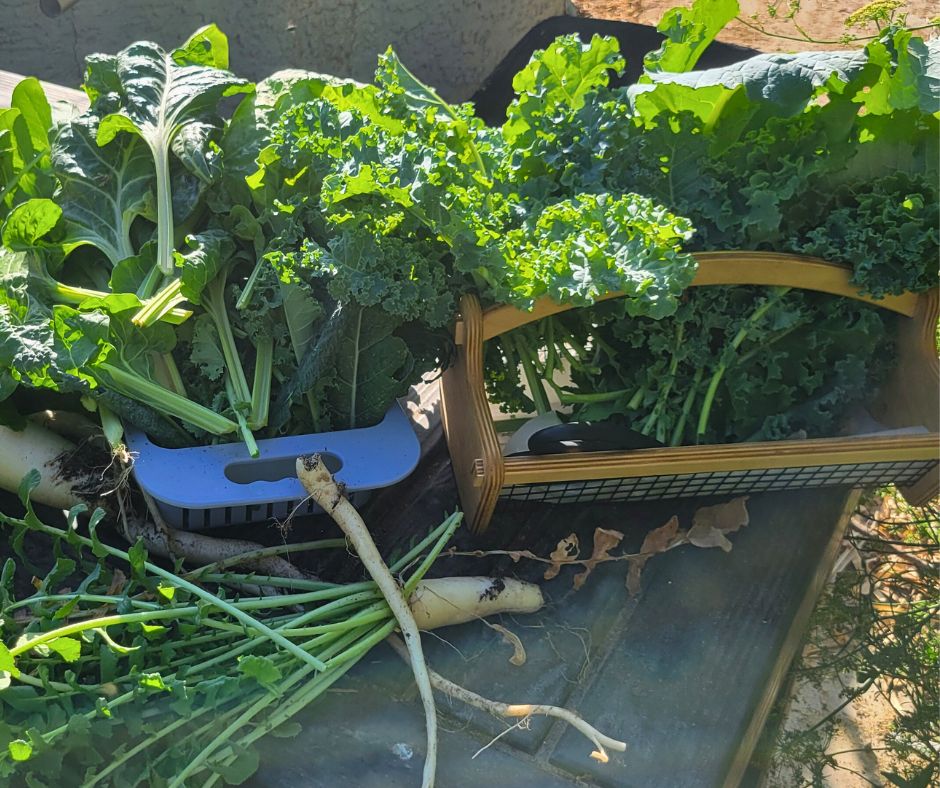
Kale is a robust, nutrient-rich vegetable that dehydrates well, retaining its vitamins and minerals. Dehydrated kale is perfect for making crunchy chips or adding to soups and smoothies for an extra boost of nutrients.
Growing Tip: Kale thrives in cooler weather and can withstand frost, which actually enhances its sweetness. Plant it in well-draining, fertile soil for best results.
Dehydrating Tip: Strip the leaves from the stems and tear them into chip-sized pieces. Lightly season and dehydrate until crisp for a healthy snack.
Green Beans: Crispy and Flavorful
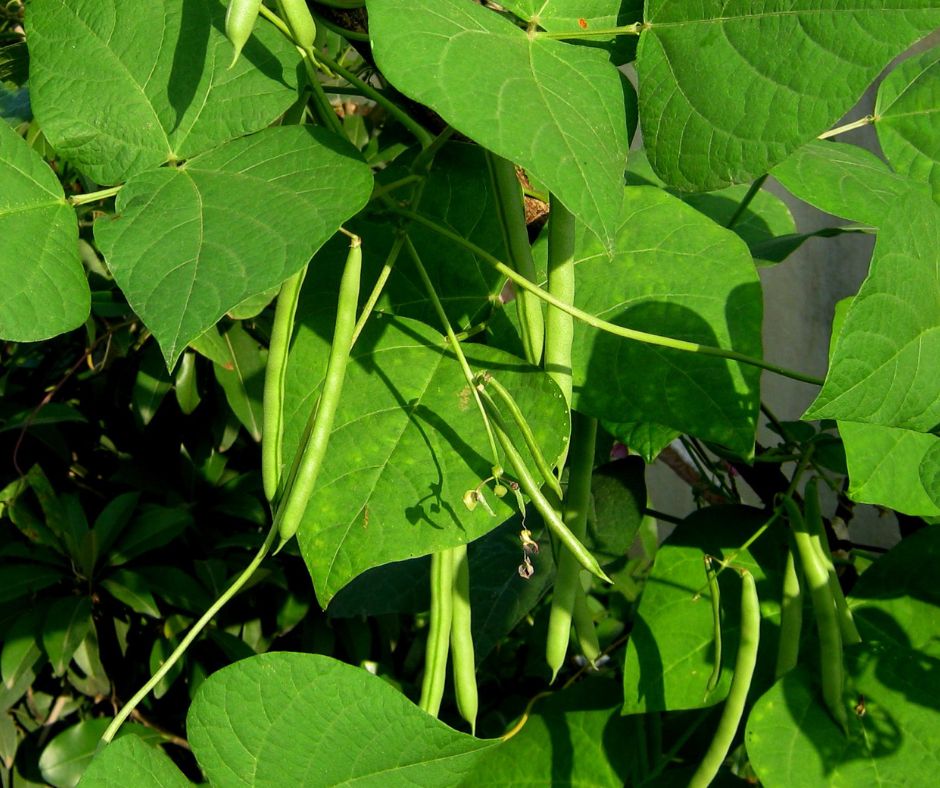
Green beans are an excellent choice for dehydrating due to their flavor and crunch. They make a great addition to soups, casseroles, or as a crispy snack when seasoned.
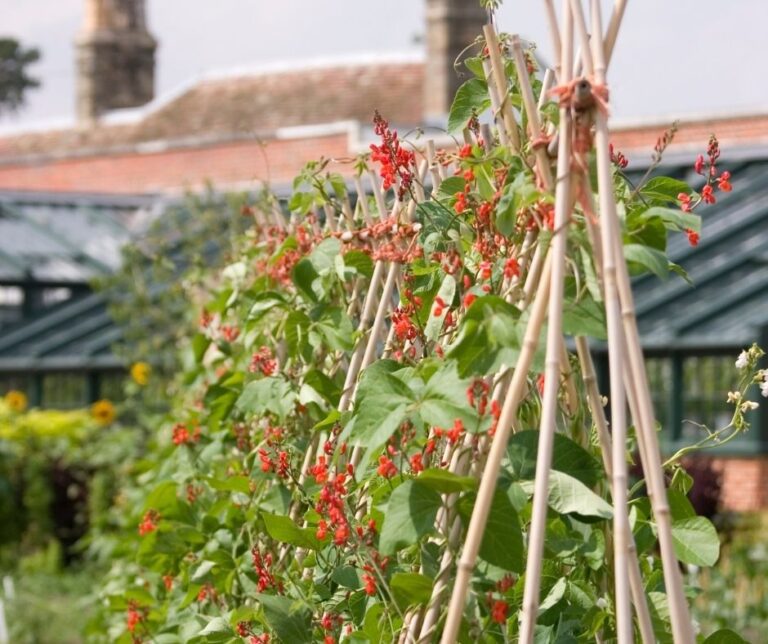
Growing Tip: Green beans prefer sunny locations and fertile, well-draining soil. They can be grown as bush or pole varieties, providing options for different garden setups.
Dehydrating Tip: Trim the ends and cut green beans into smaller pieces for faster drying. A quick blanch before dehydrating helps preserve their bright green color.
Beets: Vibrant and Naturally Sweet
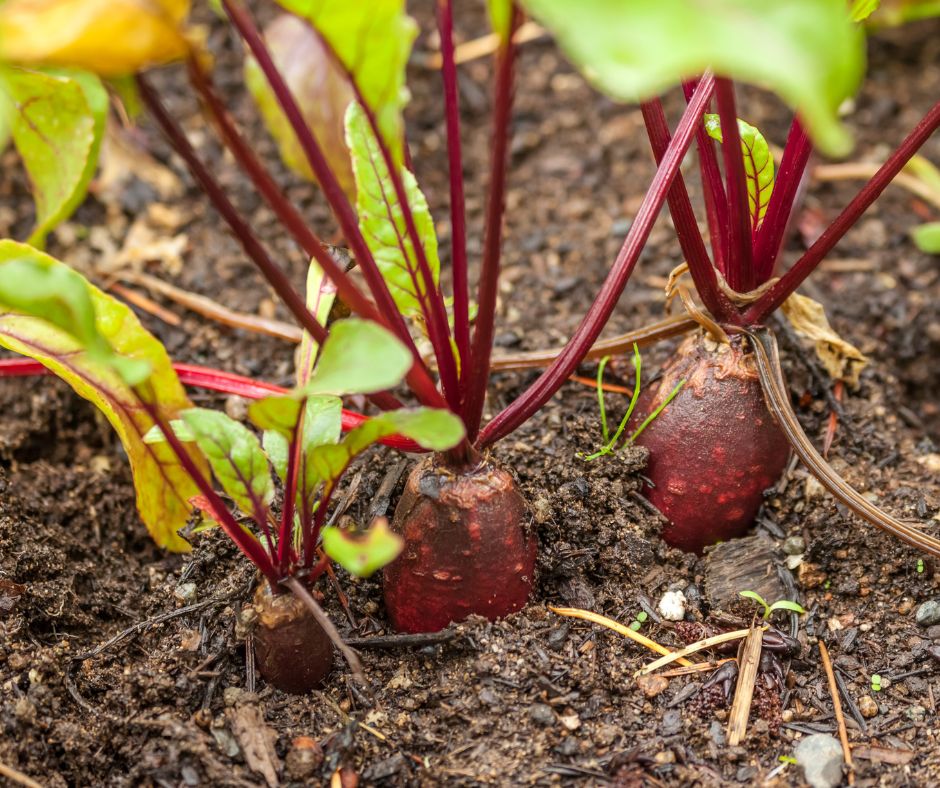
Beets are a vibrant, earthy vegetable that intensifies in flavor when dehydrated. Dehydrated beets can be used as snacks, salad toppings, or rehydrated for side dishes.
Growing Tip: Beets grow best in loose, sandy soil that allows the roots to expand. Be sure to thin seedlings early for larger, healthier roots.
Dehydrating Tip: Slice beets thinly with or without peeling, depending on your preference. Blanching helps maintain their deep, rich color during dehydration.
Mushrooms: Savory and Versatile
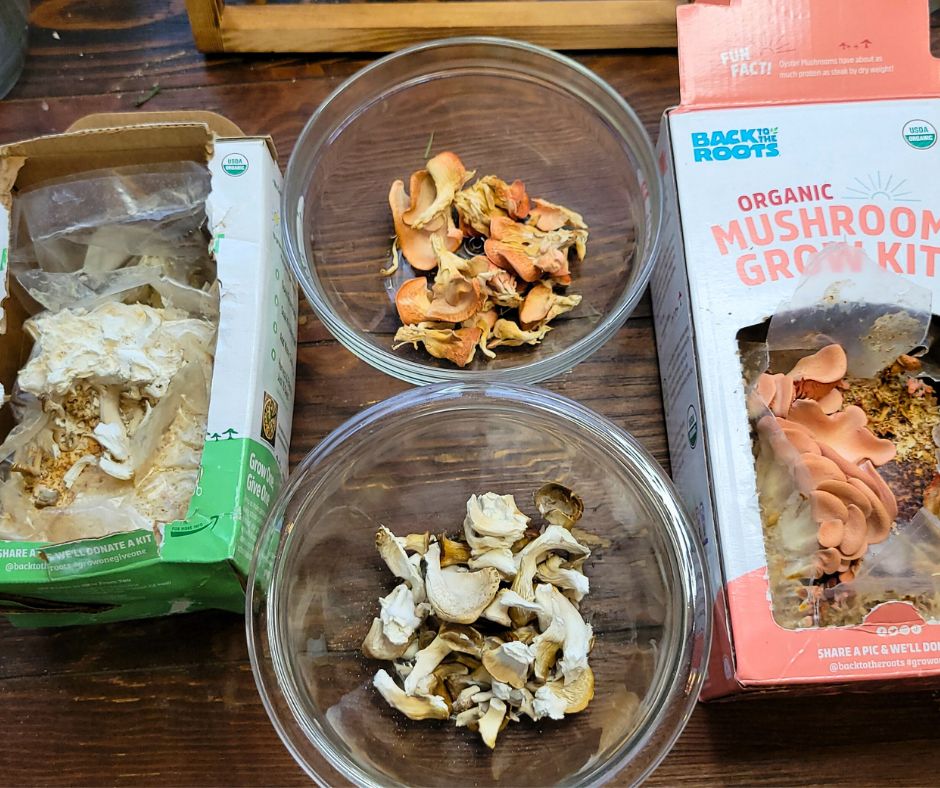
Though technically fungi, mushrooms are an ideal addition to your dehydrated pantry. Their concentrated umami flavor enhances soups, stews, and sauces, and they rehydrate beautifully.
Growing Tip: Mushrooms require a dark, humid environment with the right substrate for growth. Common varieties like button, cremini, or shiitake are readily cultivated at home.
Dehydrating Tip: Slice mushrooms evenly and place them in a single layer to dry. Once dehydrated, store them whole or grind them into powder for a flavorful seasoning.
Tips for Growing These Vegetables in Your Garden
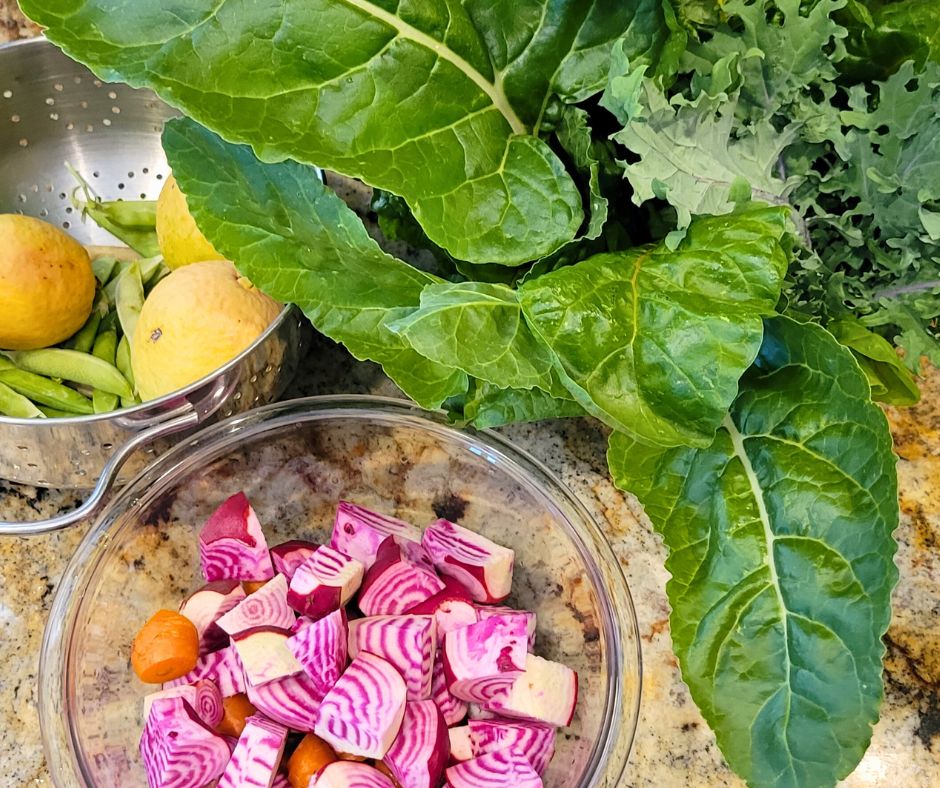
Plan Your Space
Keep in mind the spacing requirements for each vegetable to ensure optimal growth.
Use Companion Planting
Pair your vegetables with complementary plants that deter pests or boost yield. For example, plant basil near tomatoes for natural pest control.
Feed Your Plants
Regularly add compost or organic fertilizer to maintain healthy soils and boost yields.
How to Dehydrate Vegetables at Home

Dehydrating vegetables at home is simple and requires minimal equipment. Here’s how to get started:
Supplies
- Dehydrator – COSORI Food Dehydrator or NESCO Gardenmaster. I have used both with success.
- Adjustable Mandoline Food Slicer
- 32oz Wide Mouth Jars with Lids & Bands for storage
- Prepare Your Veggies: Wash, peel (if necessary), and cut your vegetables into equal-sized pieces.
- Blanch (Optional): Some vegetables, like carrots and peppers, benefit from blanching to preserve color and texture.
- Dehydrate: Use a dehydrator set at 125°F–135°F or your oven on the lowest setting. Arrange vegetables in a single layer and leave space for airflow. Drying times vary from 4–12 hours, depending on the vegetable and thickness. If using a countertop dehydrator, check the manual for specific temps and times.
- Store: Once dehydrated, store your vegetables in airtight containers in a cool, dark place.
Learn more about Food Dehydration from the University of Missouri Ag Extension Office.
Creative Uses for Dehydrated Vegetables

Snacking
Zucchini or carrot chips are great alternatives to potato chips.
Meal Prep
Add dehydrated vegetables to soups, stews, and casseroles for a burst of flavor without extra prep work.
DIY Seasoning
Grind dehydrated spinach or peppers into powders for use as seasoning or natural colorants.
Trail Mix
Include dehydrated vegetables with nuts and seeds for a nutritious, on-the-go snack.
Smoothie Add-in
Toss vegetable powders into smoothies for a nutrient boost. Moringa is my go to superfood booster.
Try Dehydrating Veggies for Health and Sustainability
Dehydrating vegetables is not only a tactful way to preserve your garden’s harvest but also a step toward a healthier and more sustainable lifestyle.
Try growing and dehydrating these versatile vegetables to keep your kitchen stocked with flavorful, long-lasting ingredients.
Start small but don’t stop experimenting! Whether you’re snacking on zucchini chips or stirring spinach powder into your next smoothie, dehydrating opens up a world of tasty and nutritious possibilities. Take the plunge today and see how delicious garden-fresh veggies can be all year round!
Visit the Garden Resources page for supplies and inspiration. Don’t forget to subscribe to the Calendula’s Garden Newsletter for more gardening tips.
Calendula’s Garden is reader supported. When you buy through links on our site, we may earn an affiliate commission. As an Amazon Associate, I earn from qualifying purchases. For more information, view our Disclaimer page. Thank you!