How to Deal with Scale Insects on Your Plants
Calendula's Garden is reader suported This post may contain affiliate links, more on our Disclaimer page. Thank you!
If you’re a gardener you’ve likely encountered the pesky problem of scale insects.
These tiny pests can wreak havoc on your beloved plants, both in the garden and indoors. Understanding how to effectively manage and prevent scale infestations is crucial for maintaining healthy and vibrant plants.
In this guide, we’ll walk you through everything you need to know about dealing with scale insects, providing you with practical tips and methods to safeguard your green companions.
Introduction to Scale Insects
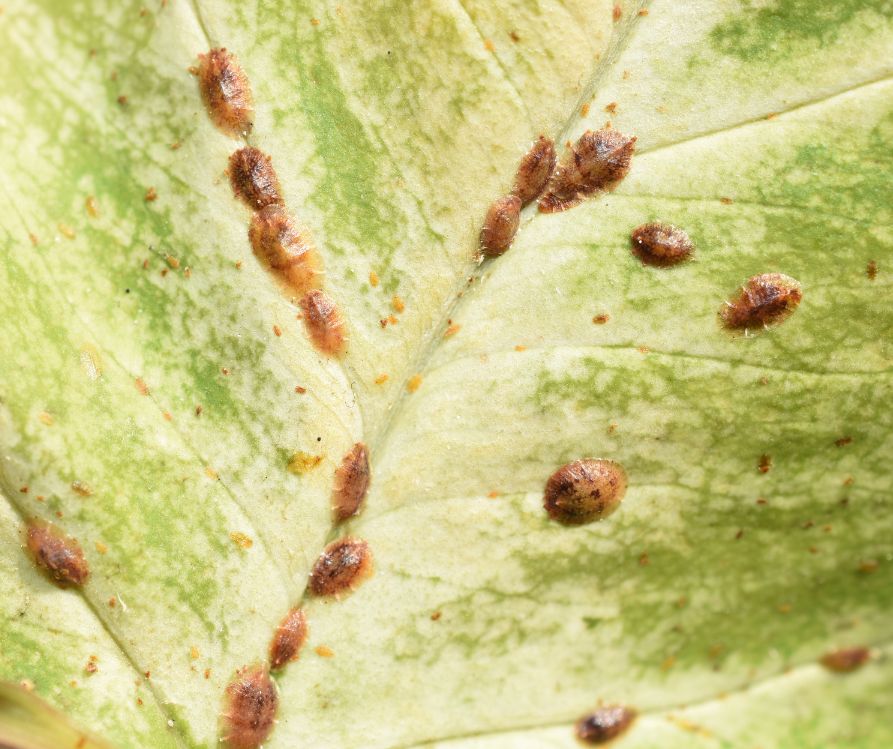
Scale insects are small, sap-sucking pests that attach themselves to plant stems, leaves, and sometimes even fruit.
They are part of the Coccoidea superfamily and are characterized by their protective waxy coating, which can make them difficult to spot at first glance.
These insects can weaken plants by depriving them of essential nutrients, leading to yellowing leaves, stunted growth, and in severe cases, plant death. Recognizing the signs of scale infestations early on is essential for effective control.
Identifying Scale Insects
Scale insects come in various shapes and sizes, but the most common types include soft scales and armored scales. Soft scales produce a sticky substance known as honeydew, which can lead to sooty mold growth on plants.
Armored scales, on the other hand, have a hard protective covering and do not produce honeydew.
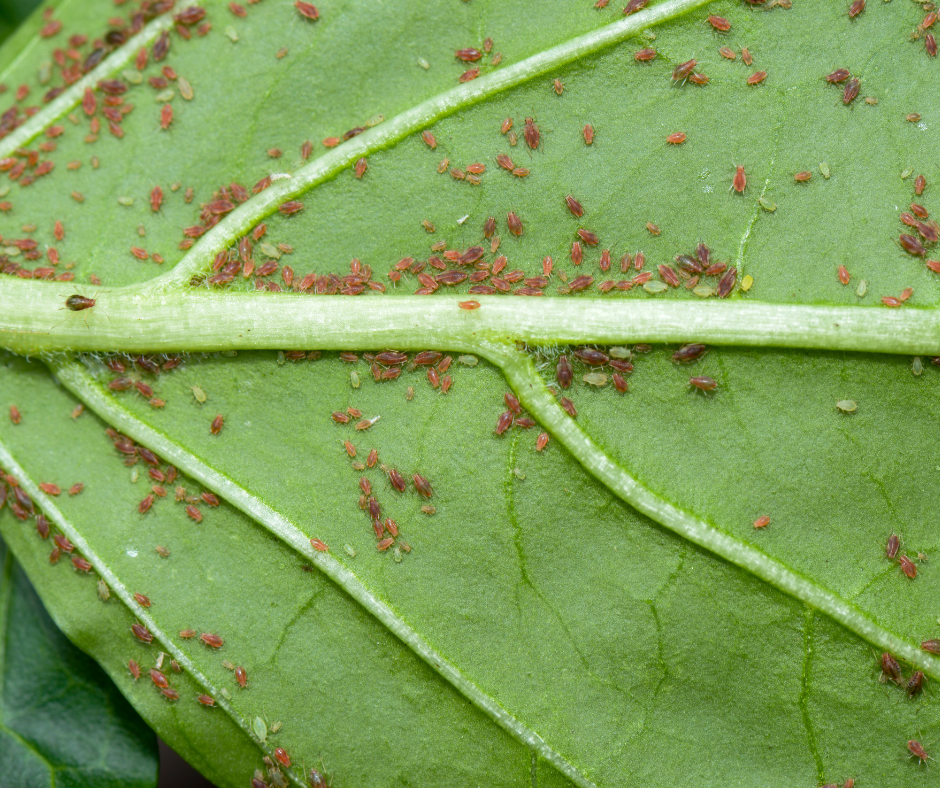
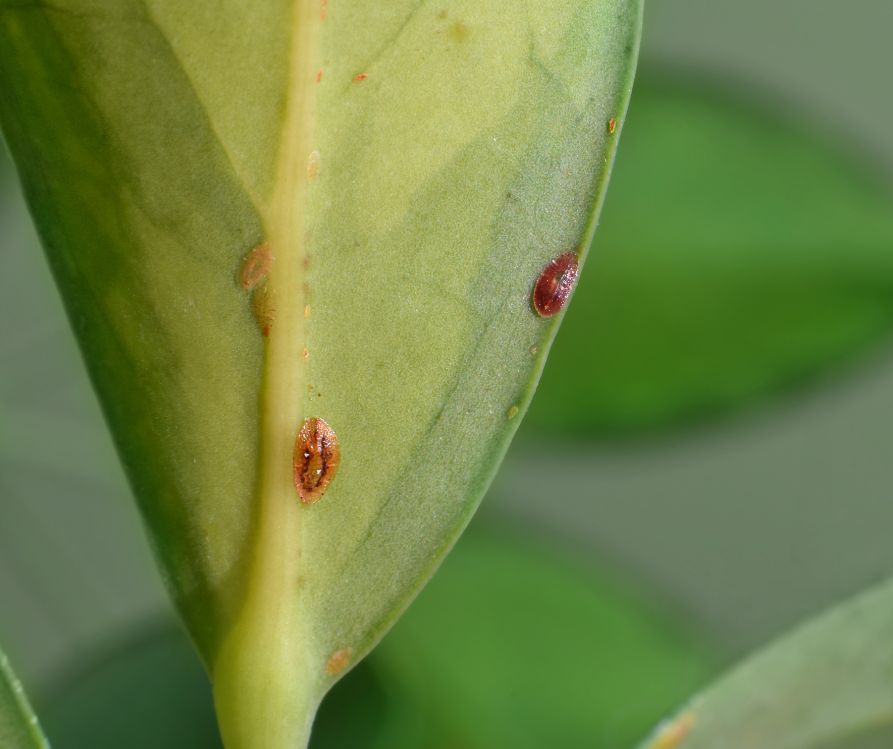
To identify scale insects, carefully inspect your plants for small, rounded, or oval-shaped bumps. These bumps can range from tan to brown and may be clustered along stems and leaf veins.
On houseplants, scales might be found on the undersides of leaves or around the nodes. If you notice these signs, it’s time to take action.
Understanding the Life Cycle
Understanding the life cycle of scale insects is key to controlling their populations effectively. Scale insects undergo several life stages, starting as eggs, then progressing to nymphs (also called crawlers), and finally maturing into adults.
Most scales are stationary during their adult stage, making it easier to tackle them at the crawler stage.
Nymphs are the most vulnerable stage in the life cycle and are typically the target for most control methods.
By understanding when nymphs are most active, you can time your interventions for maximum impact.
Non-Chemical Control Measures
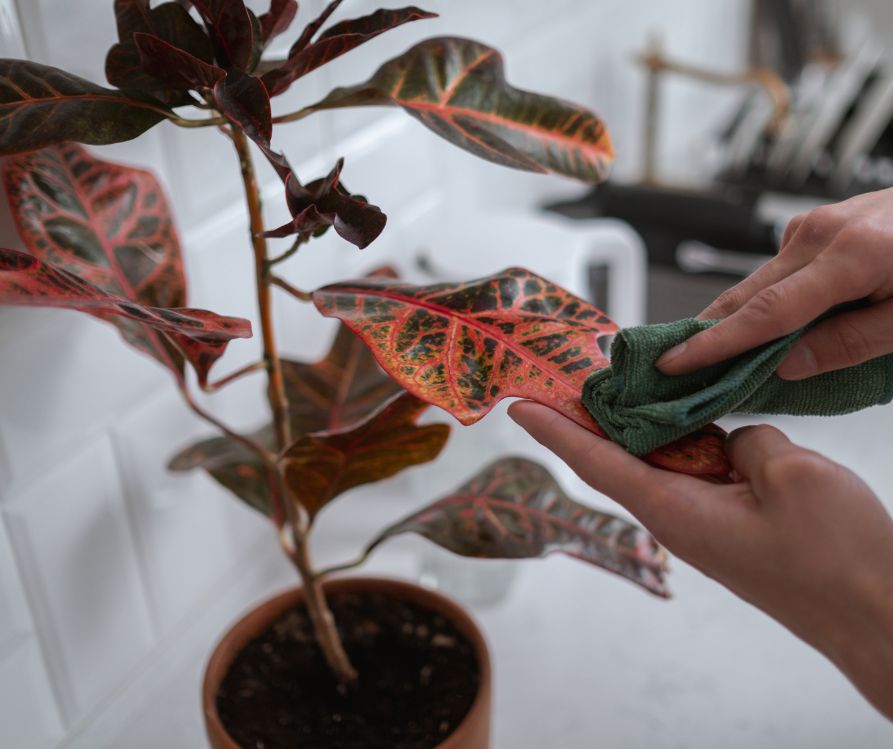
For those who prefer a more natural approach to pest control, there are several non-chemical methods you can employ to eradicate scale insects:
Manual Removal
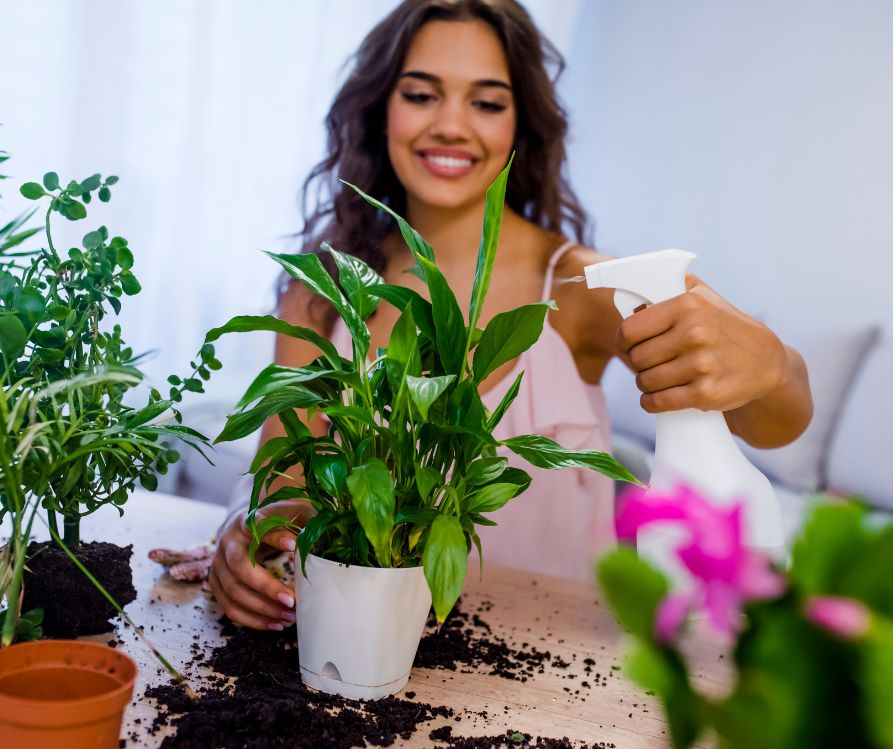
Use a soft cloth or an old toothbrush dipped in soapy water to gently scrub the scales off plant surfaces. This method works well for houseplants and small-scale infestations.
Pruning
For larger infestations, prune heavily infested branches and dispose of them properly to prevent the spread of scales to other parts of the plant or nearby plants.
Neem Oil
Neem oil is a natural insecticide derived from the seeds of the neem tree. It works by disrupting the growth and reproduction of insects. Apply neem oil directly to affected areas, ensuring thorough coverage.
Beneficial Insects
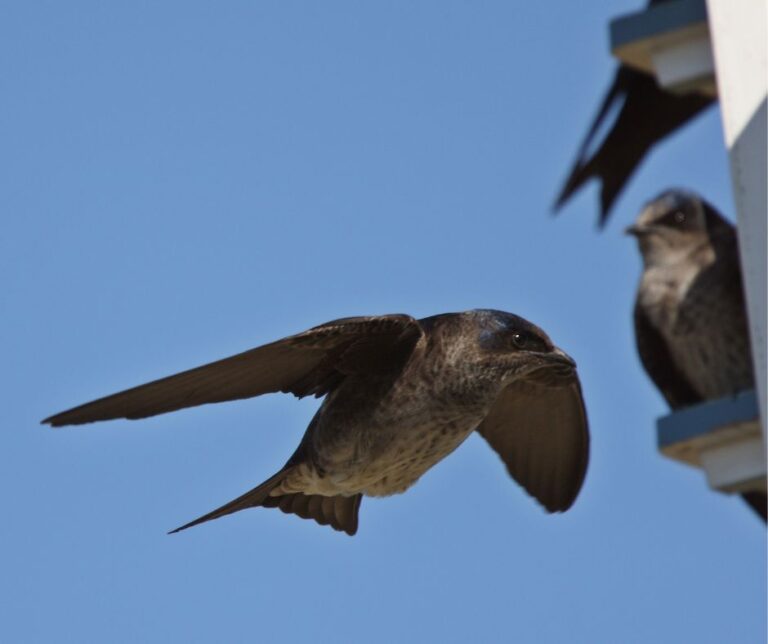
Introduce natural predators like ladybugs or parasitic wasps into your garden. These insects feed on scales and can help to naturally reduce their populations.
Entice Bees, Butterflies, and Ladybugs – Start Your Own Insectary Garden!
Chemical Control Options
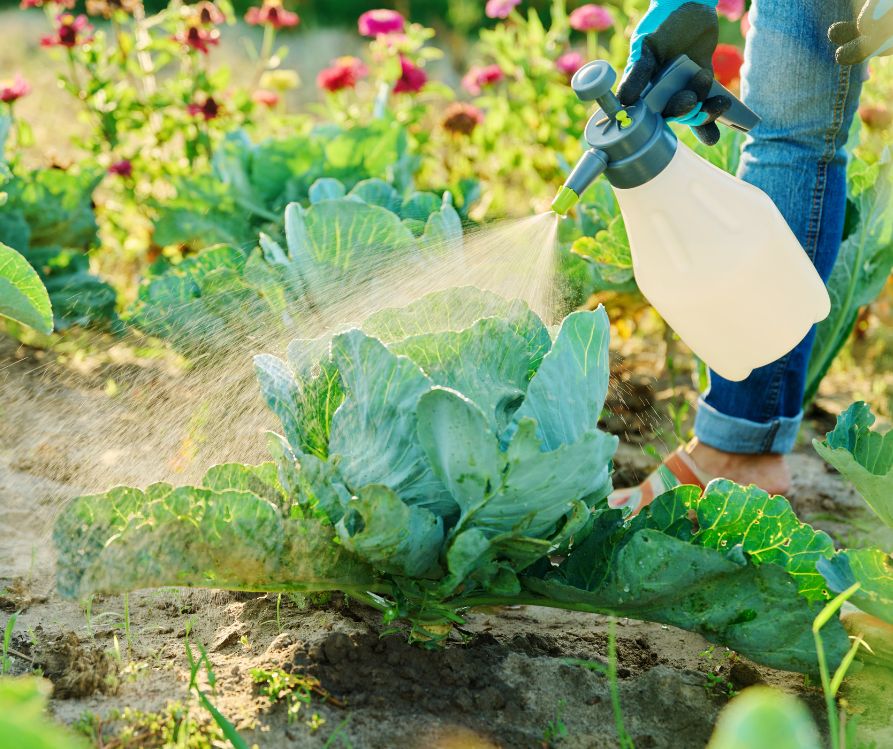
In cases where non-chemical methods prove insufficient, chemical controls can be considered. However, these should be used as a last resort and with caution:
Horticultural Oils
These oils suffocate scale insects by covering them with a film. Apply during the dormant season or when scales are in their crawler stage for best results.
Insecticidal Soaps
These soaps penetrate the protective shell of scales and disrupt their cell membranes. Effective against young scales, they should be applied when temperatures are moderate to avoid plant stress.
Systemic Insecticides
These insecticides are absorbed by the plant and move through its tissues, killing scales as they feed. They should only be used in severe infestations and with consideration of their potential impact on beneficial insects and the environment.
Preventing Scale Insects
Prevention is always better than cure. Here are some tips to prevent future scale infestations:
Regular Inspection
Regularly check your plants for signs of scale insects, especially during the warmer months when they are most active.
Proper Plant Care
Healthy plants are less susceptible to infestations. Provide your plants with adequate water, sunlight, and nutrients to keep them strong and resilient.
Quarantine New Plants
Before introducing new plants to your home or garden, isolate them for a few weeks to ensure they are not harboring any pests.
Cleanliness
Keep your gardening tools clean and disinfected to prevent transferring scales between plants.
Final Thoughts
Dealing with scale insects requires diligence and patience, but by following these steps, you can effectively manage and prevent infestations. Remember to regularly monitor your plants and take timely action to protect them from these sneaky invaders.
For more in-depth insights and guidance on pest management, consider consulting reputable gardening resources or reaching out to local gardening experts.
By staying informed and proactive, you can enjoy a flourishing garden and thriving houseplants.
Visit the Garden Resources page for supplies and inspiration. Don’t forget to subscribe to the Calendula’s Garden Newsletter for more gardening tips.
Calendula’s Garden is reader supported. When you buy through links on our site, we may earn an affiliate commission. As an Amazon Associate, I earn from qualifying purchases. For more information, view our Disclaimer page. Thank you!