How to Deal with Root Rot in Your Garden and Houseplants
Calendula's Garden is reader suported This post may contain affiliate links, more on our Disclaimer page. Thank you!
Root rot is a dreaded condition for any plant lover, whether you’re nurturing a sprawling garden or a collection of cherished houseplants. This insidious issue can quickly turn a thriving plant into a wilting mess, leaving both novices and seasoned gardeners scratching their heads.
But fear not, there are effective ways to combat root rot and restore your plants to health. In this guide, we will explore the nature of root rot, how to identify and prevent it, and the best steps for treatment and recovery.
Introduction to Root Rot

Root rot is a plant disease characterized by the decay of a plant’s root system, often caused by overwatering, poor soil drainage, or fungal pathogens.
There are several types of fungi responsible for this condition, including Pythium, Phytophthora, and Rhizoctonia, which thrive in moist environments.
These pathogens can attack both garden plants and indoor houseplants, leading to stunted growth, yellowing leaves, and eventually, plant death if left untreated.
Understanding the impact of root rot is crucial for plant enthusiasts who aim to maintain healthy gardens and indoor plants. By learning to recognize and address this issue, you can improve your plant care skills and enjoy a more vibrant, flourishing collection.
Identifying Root Rot
Early detection of root rot is key to saving affected plants. Here are the signs to look out for:
Wilting Leaves: Even when the soil is moist, plants with root rot will often appear wilted.
Yellowing Foliage: Leaves may turn yellow and fall prematurely.
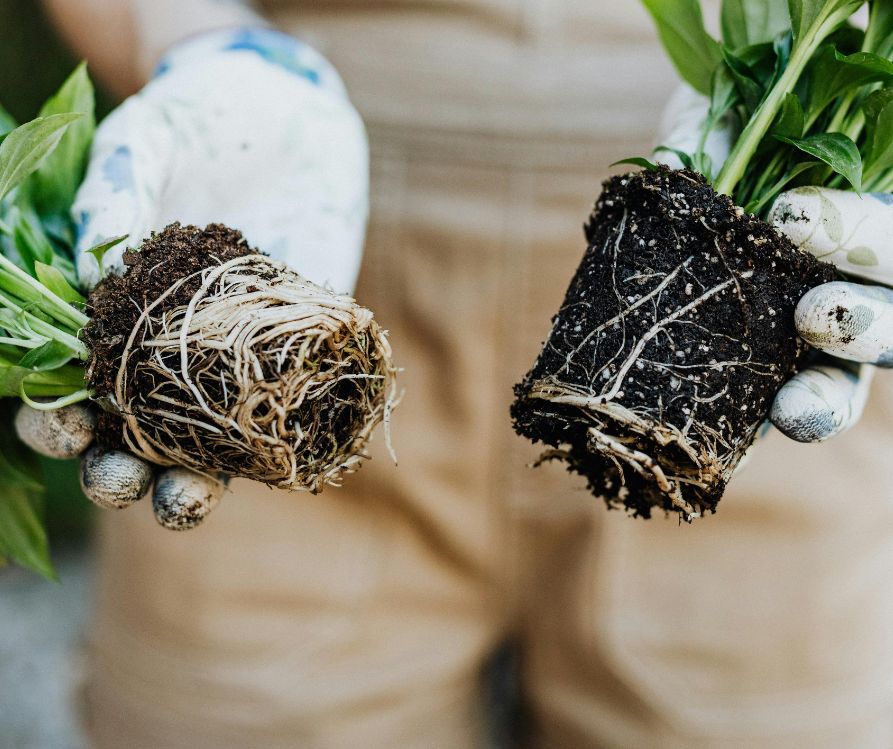
Mushy Roots: Upon inspection, the roots will appear black, mushy, and may emit a foul odor.
Stunted Growth: Affected plants may stop growing altogether or show very slow growth.
For garden plants, check the soil condition and dig around the base to inspect the roots. For houseplants, gently remove the plant from its pot and examine the rootball for discoloration or softness.
Understanding the Causes
Root rot is primarily caused by environmental factors and can be exacerbated by specific conditions:
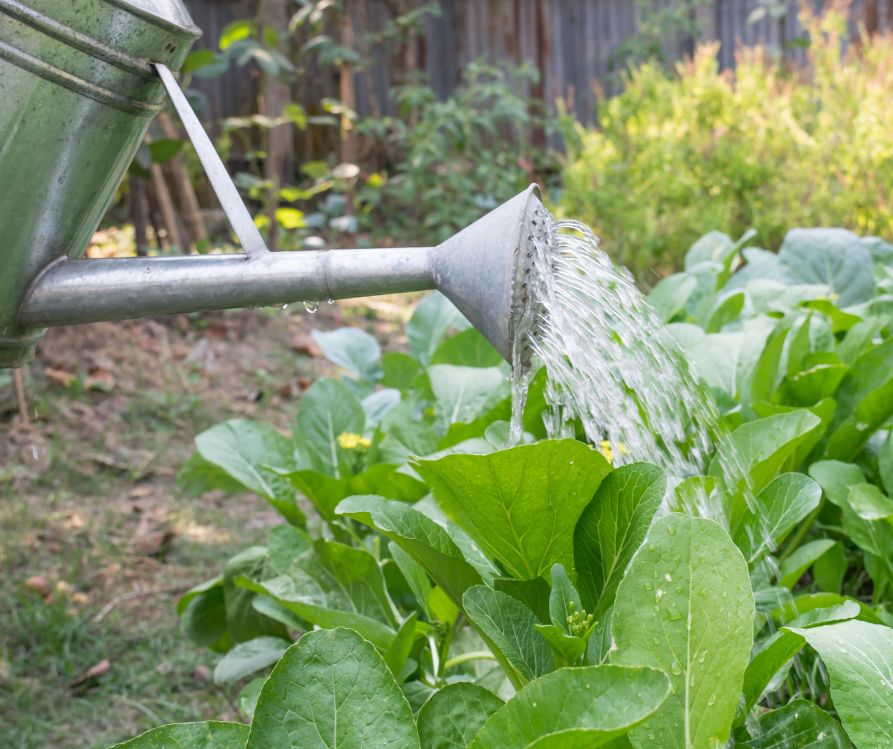
- Overwatering: Providing more water than the plant can absorb leads to waterlogged soil, depriving roots of oxygen, and creating an environment conducive to fungal growth.
- Poor Drainage: Compacted or clay-heavy soil that doesn’t allow water to drain can cause prolonged wet conditions.
- Fungal Infections: Once established, fungi spread rapidly in moist conditions, attacking plant roots.
Understanding these causes helps gardeners make informed decisions about plant care and environmental management.
Preventative Measures
Prevention is always better than a cure. Here are some ways to protect your plants from root rot:
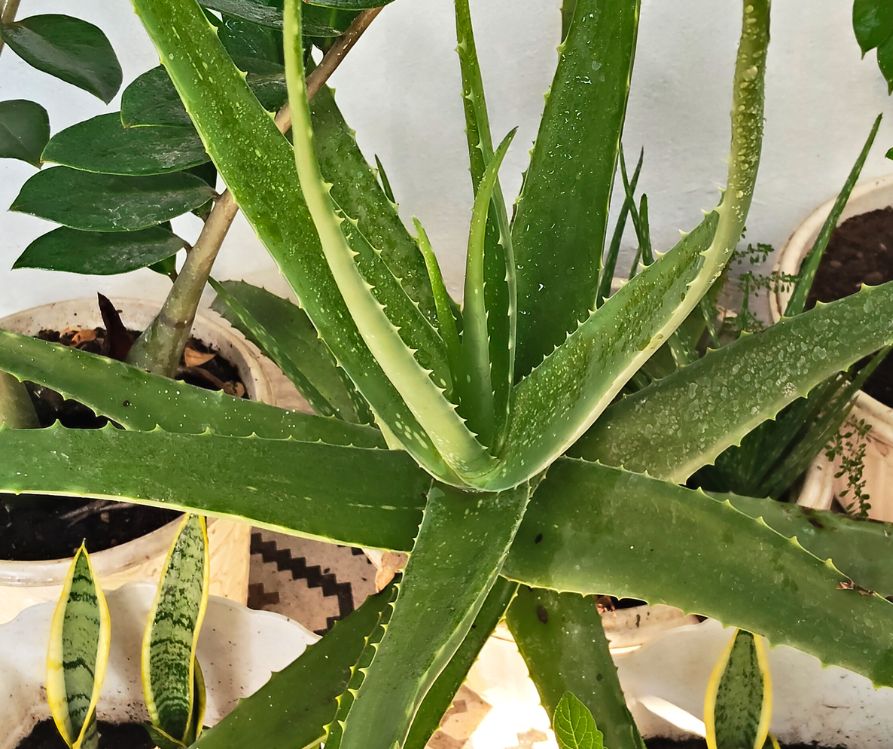
Water Wisely: Adjust watering schedules based on seasonal changes and the plant’s needs. Always allow the top inch of soil to dry out between waterings.
Enhance Drainage: Use pots with drainage holes for houseplants, and amend garden soil with coarse sand or perlite to improve aeration.
Select the Right Soil: Choose well-draining potting mixes for indoor plants and work organic matter into garden soil to improve structure.
Regular Inspection: Periodically check plants for signs of stress or disease, especially during rainy seasons.
By implementing these measures, you can create an environment less favorable for root rot and more conducive to healthy plant growth.
Treatment Options
If you suspect root rot, acting quickly can save your plants. Follow these steps for effective treatment:
Prune Affected Roots: Trim away rotten roots with sterilized scissors, removing all black and mushy parts. Healthy roots should be firm and white.
Repot in Fresh Soil: For container plants, repot in a clean pot with fresh, sterile potting mix. Ensure proper drainage to prevent recurrence.
Use Antifungal Treatments: Apply a fungicide specifically designed for root rot, following the product’s instructions carefully.
Monitor Watering Practices: Reduce watering frequency and monitor soil moisture levels to avoid future issues.
These methods help halt the spread of root rot and give your plants a chance to recover.
Recovering Your Plants
Post-treatment care is crucial to ensure your plants fully bounce back. Here’s how to support them:
Gradual Light Exposure: After treatment, place plants in a location with indirect light to reduce stress while they recover.
Balanced Fertilization: Once new growth appears, resume fertilization with a balanced, half-strength solution to encourage healthy root development.
Consistent Monitoring: Keep an eye on your plants for any signs of recurring issues and adjust care routines as needed.
With patience and attentive care, most plants can recover from root rot and regain their full vitality.
Final Tips
Root rot doesn’t have to spell the end for your beloved plants. By understanding its causes, implementing preventative measures, and employing effective treatments, you can protect your garden and houseplants from this common threat.
Remember, maintaining a healthy balance of moisture and proper soil conditions is your best defense against root rot.
Ready to take your plant care to the next level? Join our plant enthusiast community for more tips and personalized advice on keeping your roots and plants happy and healthy.
Visit the Garden Resources page for supplies and inspiration. Don’t forget to subscribe to the Calendula’s Garden Newsletter for more gardening tips.
Calendula’s Garden is reader supported. When you buy through links on our site, we may earn an affiliate commission. As an Amazon Associate, I earn from qualifying purchases. For more information, view our Disclaimer page. Thank you!