How To Deadhead Flowers For A Beautiful Garden
Calendula's Garden is reader suported This post may contain affiliate links, more on our Disclaimer page. Thank you!
Walking into a yard bursting with continuous, vibrant color is every gardener’s dream. If you want a simple secret for keeping that floral fiesta alive and thriving all season long, you are in the right place.
Today, we are talking about deadheading. The term might sound a bit harsh, but I promise it is one of the kindest and most productive things you can do for your plant pals.
We will explore why this simple gardening task is an absolute game changer, how to do it like a pro, and exactly what tools you need to keep your garden looking spectacular.
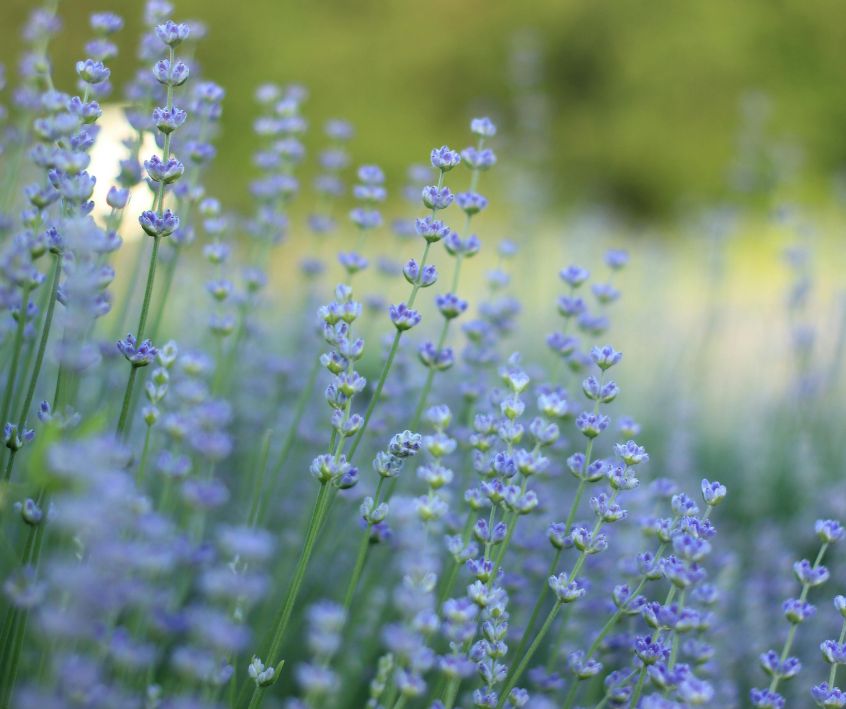
Why is deadheading flowers beneficial for your garden?
Understanding the science behind deadheading makes the chore feel incredibly rewarding. Plants have a singular biological goal: reproduction.
Once a flower blooms and begins to fade, the plant shifts its energy toward producing seeds.
How does deadheading encourage more blooms?
By removing the spent flower before it can form a seed head, you interrupt the reproduction process.
The plant responds by sending out fresh new blooms in an attempt to successfully reproduce. This means more flowers, vibrant colors, and a significantly longer blooming season for you to enjoy.
How does removing dead flowers improve plant health and appeal?
Beyond encouraging new growth, deadheading keeps your garden looking tidy. Fading, brown, and crispy petals can quickly ruin a gorgeous garden display.
More importantly, deadheading improves overall plant vigor. Rotting flowers stuck on a stem often become breeding grounds for fungal diseases like Botrytis (gray mold) and can attract unwanted garden pests.
Snipping away the dead material increases air circulation and keeps your plants incredibly healthy. Additionally, removing spent blooms prevents aggressive plants from unwanted self-seeding, saving you hours of weeding next spring.
What are the best techniques for deadheading different plants?
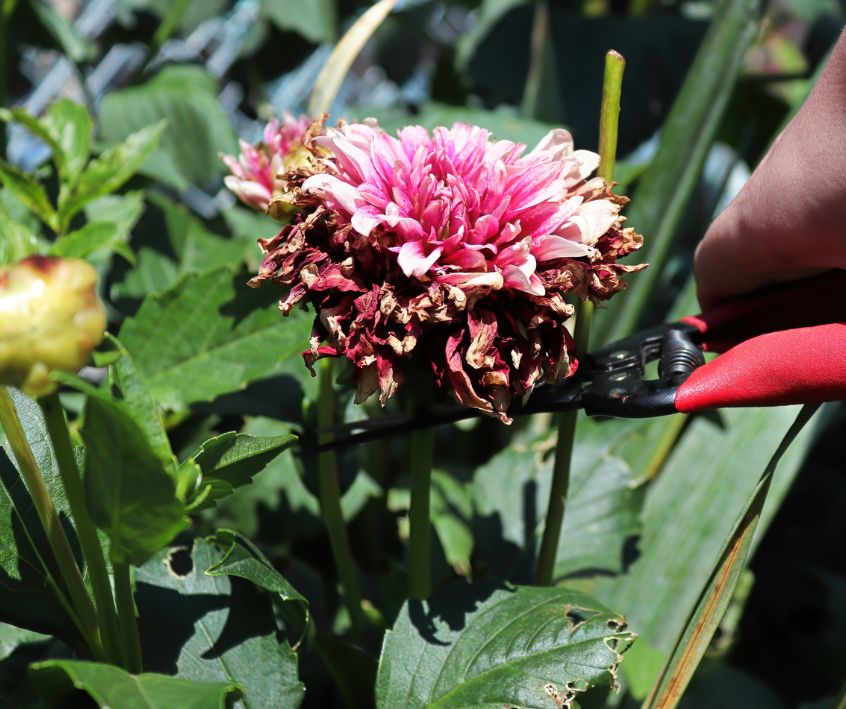
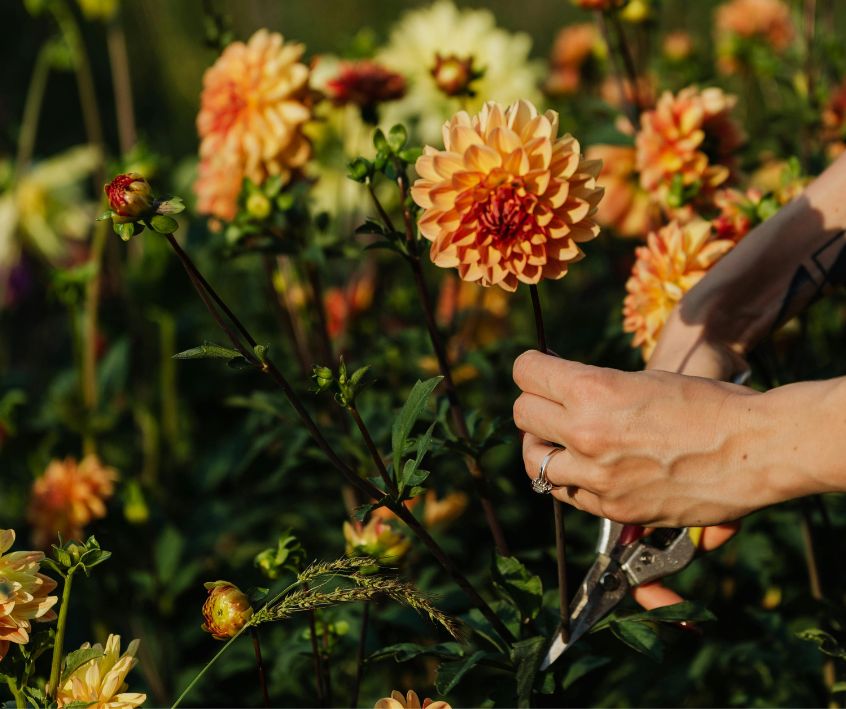
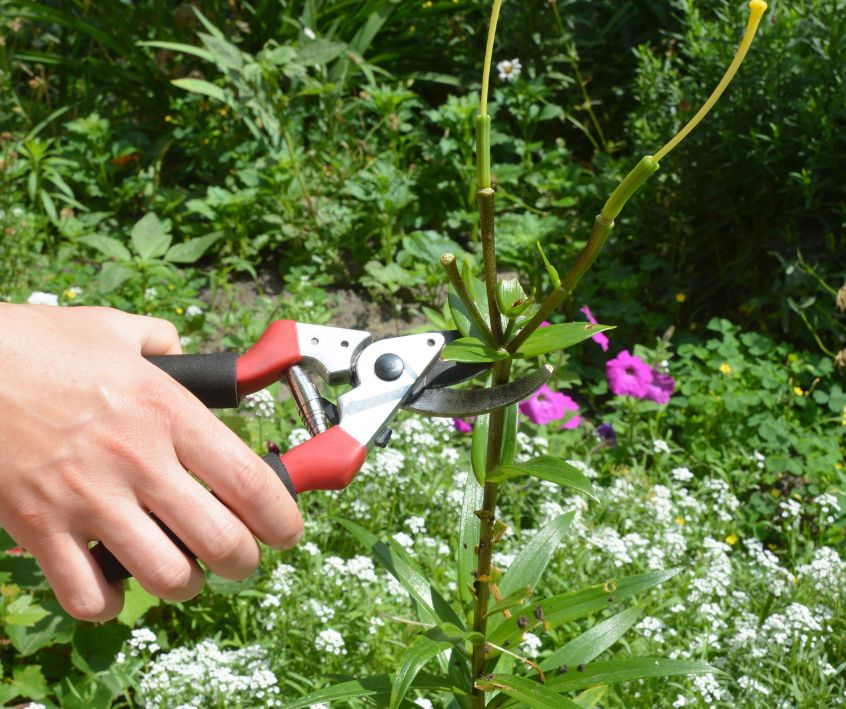
Mastering the art of deadheading comes down to knowing where to make your cut. The general rule of thumb is to snip the stem just above the first set of healthy leaves, a node, or a new flower bud.
Cutting too high leaves an ugly, barren stem sticking out, which eventually dies back and looks unsightly.
When should you pinch flowers versus cutting them?
Pinching is ideal for plants with soft, thin stems. You simply use your thumb and index finger to snap the stem right below the fading flower.
Cutting, on the other hand, is necessary for thicker, woody stems that would bruise or tear if you tried to break them by hand.
How do you deadhead annuals, perennials, and shrubs?
Different plants require slightly different approaches. Here is how to handle the main categories in your garden:
Annuals
Plants like petunias, marigolds, and zinnias are incredibly easy to manage. You can usually pinch these off with your fingers. Simply trace the stem down from the dead flower to the next set of leaves and pinch it off.
Perennials
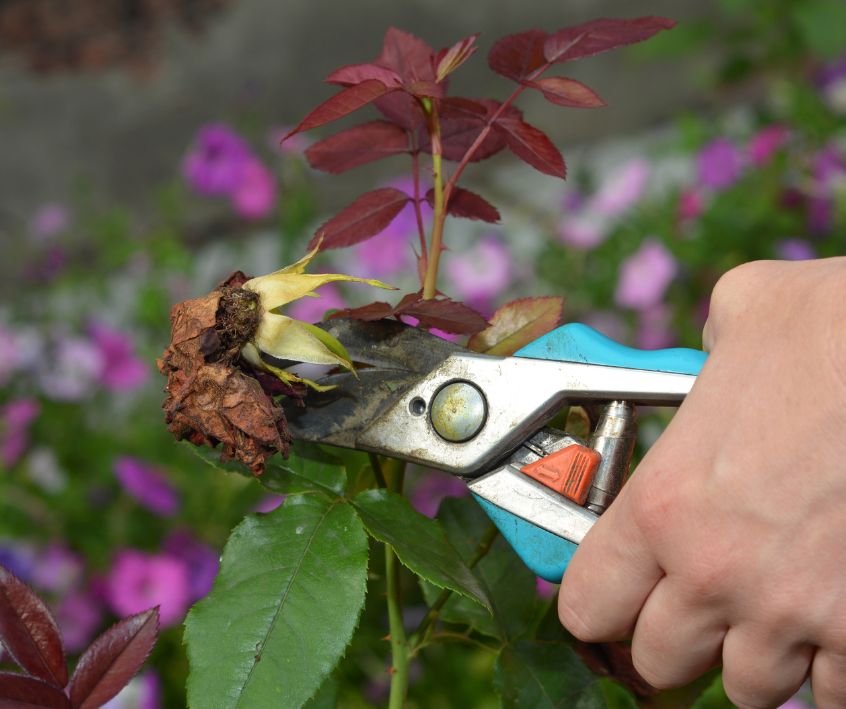
Plants that return year after year, such as roses, echinacea, lavender, and delphiniums, require a bit more thought. For roses, cut the stem down to the first outward-facing set of five leaves.
For tall spiking flowers like delphiniums, cut the main flower spike down to the base once it finishes, which often encourages a second, smaller flush of blooms. Cut lavender flower spikes back to the first set of leaves.
Shrubs
Woody plants like hydrangeas and rhododendrons need careful attention. For rhododendrons, gently snap off the sticky flower truss right at the base without damaging the new vegetative buds hiding just beneath it. For hydrangeas, carefully snip the dead mophead right above the first set of large, healthy leaves.
When is the best time to deadhead garden flowers?
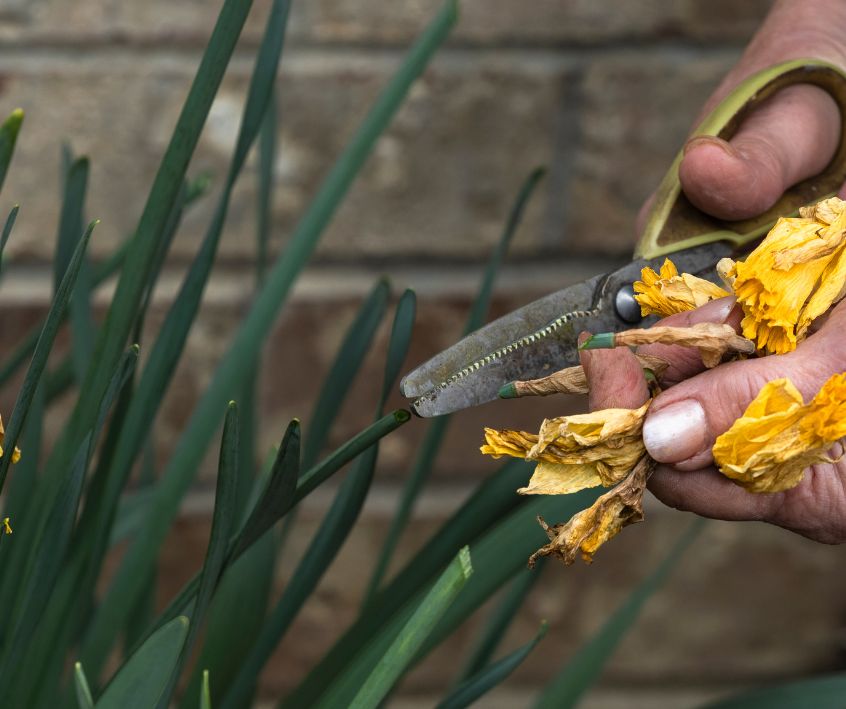
Timing your garden maintenance correctly ensures you get the best results without stressing your plants.
The most reliable guideline is the “just after they fade” rule. You want to catch the flowers as soon as they start looking tired and drop their petals, well before they have a chance to develop firm seed pods.
For continuous bloomers like cosmos or dahlias, you need to stay on top of the task throughout the entire summer. Checking your garden once a week is usually sufficient.
However, one-time bloomers like peonies or lilacs will not produce more flowers if you deadhead them. You remove their spent blooms purely for aesthetic reasons and to push energy back into the root system.
Finally, as late fall approaches, you might choose to stop deadheading altogether. Leaving some seed heads on plants like coneflowers or sunflowers provides beautiful winter interest and feeds local bird populations.
Which tools are best for deadheading different types of plants?
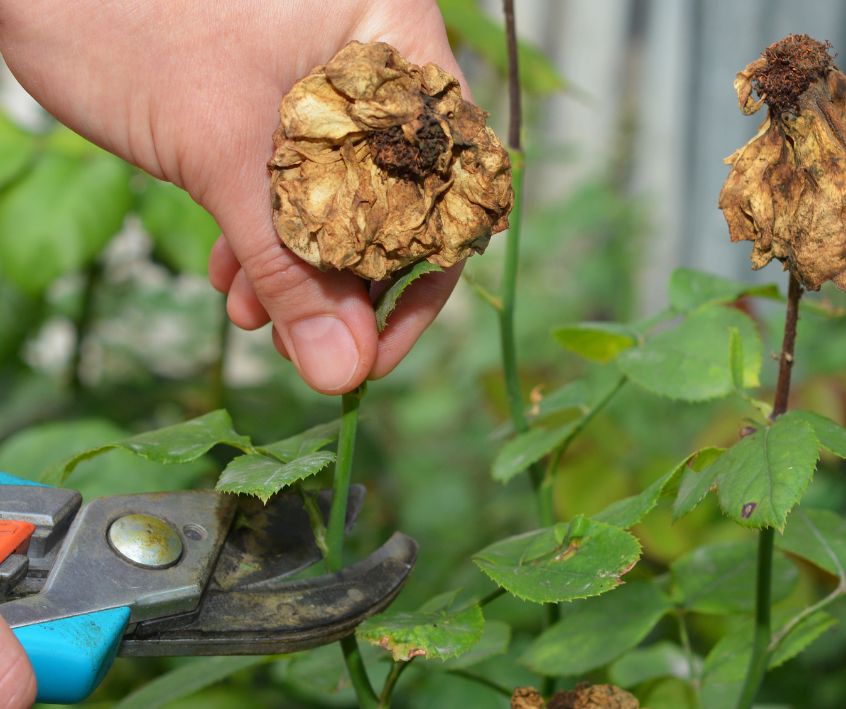
Having the right tool makes the job fast, efficient, and safe for your plants.
Fingers and Thumbs
Your own hands are the best tools for delicate annuals, soft stems, and plants like daylilies. It is fast and requires no extra equipment.
Hand Pruners and Snips
These are the absolute go-to tools for most deadheading tasks. Small floral snips are perfect for tight spaces and thin perennial stems. Bypass pruners are excellent for roses and thicker perennial stalks.
Fiskars 6″ Pruning Scissors for Flower Stems, Herbs, Buds, and Small Plants, Garden Snips with Stainless Steel Blades have always worked well for us and are rugged enough to withstand the hot Arizona summers.
Loppers
When you are dealing with thick, woody stems on large shrubs, hand pruners might struggle. Loppers give you the leverage you need to make a clean cut without crushing the plant tissue.
Fiskars 15-Inch PowerGear Loppers, Sharp Steel Blade Bush and Tree Trimmer
Garden Shears
If you have mass plantings of small flowers, like a long hedge of lavender or creeping phlox, cutting individual stems takes too long. A sharp pair of garden shears allows you to give the entire plant a quick “haircut,” removing all the dead blooms at once.
What are the most common deadheading mistakes to avoid?
Even experienced gardeners can make mistakes. Keep these common pitfalls in mind as you head out into the yard:
Cutting too much
Getting carried away and cutting too far down the stem removes healthy foliage that the plant needs for photosynthesis. Stick to cutting just above the nearest healthy node or leaf set.
Not cutting enough
Simply pulling off the dead petals and leaving the swollen seed pod behind defeats the entire purpose. The plant will still waste energy producing seeds. You must remove the ovary at the base of the flower.
Ignoring plant specifics
One size does not fit all in the garden. Research your specific plant varieties, as some (like certain modern shrub roses) are “self-cleaning” and drop their own blooms naturally without needing any help from you.
Using dirty tools
Unclean pruners act like a dirty surgical scalpel, transferring diseases from a sick plant to a healthy one. Always wipe your blades down with rubbing alcohol before moving to a new plant species.
We have found MagiCare 75% Large Alcohol Wipes are good for a quick wipe down of blades between plants. Make sure to rinse off your tool with water when you’re done to avoid damage to the blades.
Frequently asked questions about deadheading flowers
How long does deadheading usually take?
The time required depends entirely on the size of your garden. For an average backyard garden, spending 10 to 15 minutes once or twice a week is usually enough to stay on top of fading blooms.
Are there any plants I should never deadhead?
Yes. You should avoid deadheading plants that produce decorative berries or fruits you want to harvest, such as holly, viburnum, or berry bushes. Removing their flowers means they will not produce fruit.
Can I put deadheaded flowers in my compost bin?
Absolutely! Faded blooms are excellent additions to a compost pile, provided the plant was healthy.
If the flowers show signs of fungal disease, throw them in the household trash instead to prevent spreading the disease through your compost.
How deadheading creates a happier, healthier garden
Taking the time to pinch and snip away fading blooms is a small investment of time that yields incredible returns. By redirecting your plant’s energy, you promote lush foliage, robust roots, and a spectacular, continuous floral display.
Plus, it keeps your yard looking immaculate and protects your plants from disease.
Mastering this skill takes very little practice, and spending a quiet morning clipping flowers is a wonderful way to connect with nature.
Grab your favorite pair of pruners, head outside, and start deadheading. Your garden will absolutely reward you for the effort!
Visit the Garden Resources page for supplies and inspiration. Don’t forget to subscribe to the Calendula’s Garden Newsletter for more gardening tips.
Calendula’s Garden is reader supported. When you buy through links on our site, we may earn an affiliate commission. As an Amazon Associate, I earn from qualifying purchases. For more information, view our Disclaimer page. Thank you!