How to Create a Wildlife Friendly Winter Garden
Calendula's Garden is reader suported This post may contain affiliate links, more on our Disclaimer page. Thank you!
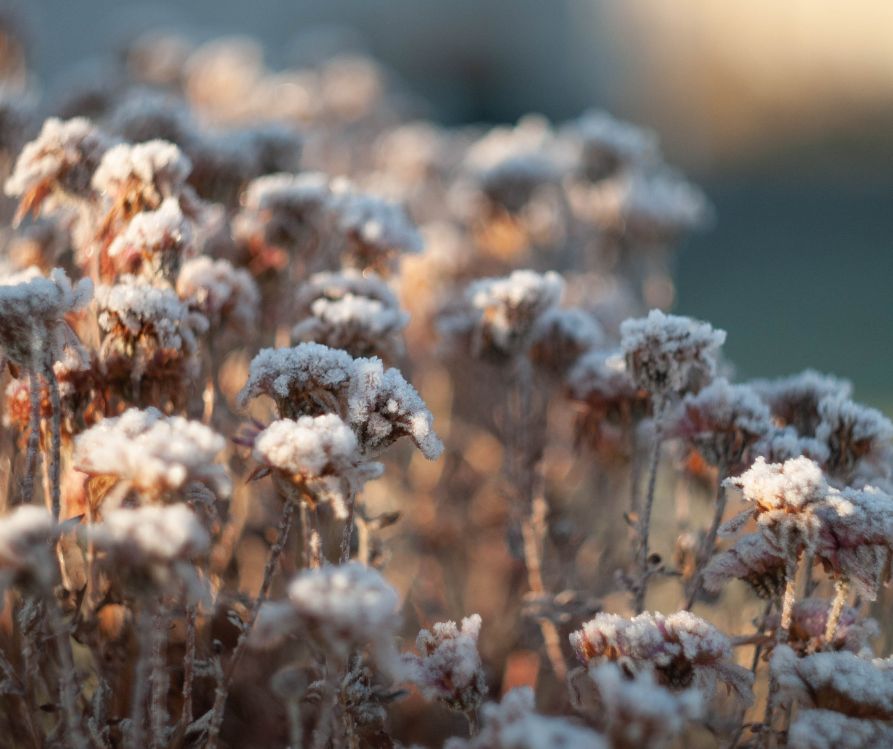
Imagine stepping into your garden on a crisp winter morning, the air filled with the sound of chirping birds and the sight of vibrant plants glistening with frost.
A wildlife friendly winter garden doesn’t just enhance your outdoor space; it plays a vital role in supporting local biodiversity during the colder months.
In this guide, we’ll walk you through the steps to transform your winter garden into a bustling refuge for wildlife, offering benefits for both the local ecosystem and your garden’s aesthetics.
Planning Your Wildlife Sanctuary
The first step in creating a wildlife-friendly winter garden is thoughtful planning. Consider how you can incorporate diverse habitats to support a variety of species.
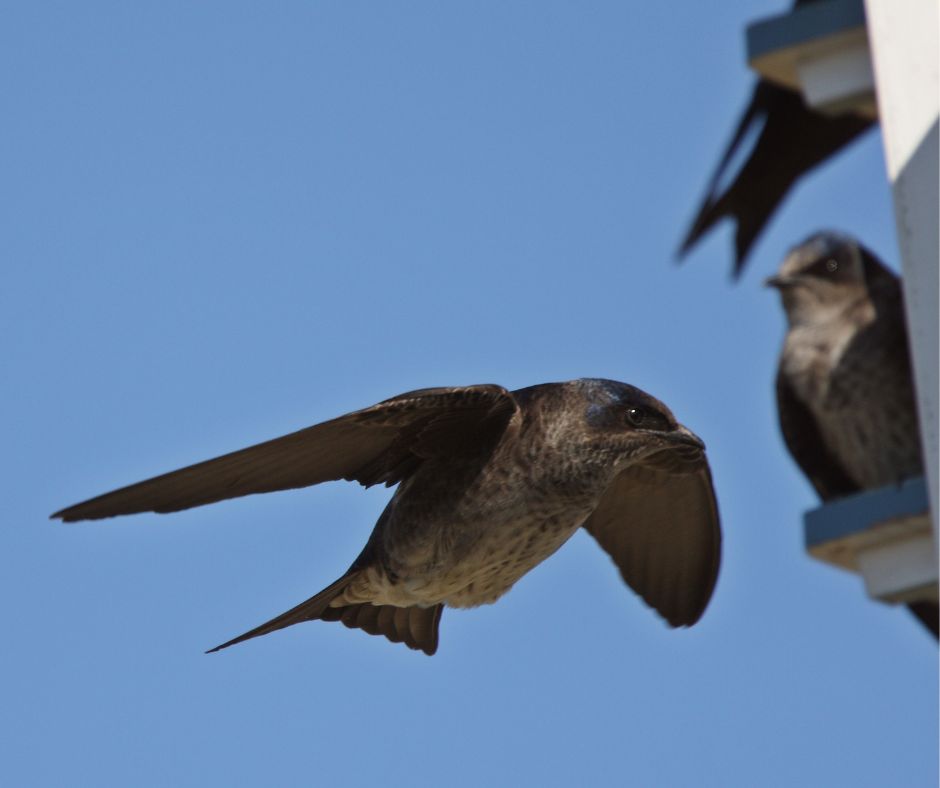
Install birdhouses at varying heights to accommodate different bird species. Bug hotels, made from materials like bamboo and logs, can house beneficial insects and pollinators even in the colder months.
Don’t forget spaces for hibernation; piles of leaves or logs make an excellent haven for amphibians and small mammals.
Example:
For a more structured look, you might position birdhouses on tall posts at the back of the garden, leaving room for a bug hotel nestled amongst native shrubs at ground level.
Selecting Native Plants for Sustenance
Native plants are the backbone of a wildlife garden as they are adapted to the local climate and provide necessary food and shelter for wildlife.
Aim to include a mix of evergreen shrubs, berry-producing bushes, and late-blooming perennials. Each offers critical resources like seeds, shelter, and nectar during the sparse winter months.
Where to find seeds, plants, and supplies:
Plant Recommendations by Region:
Northeast
Consider planting American Holly (Ilex opaca) and Winterberry (Ilex verticillata), which provide both food and protection.
Midwest
Try Prairie Dropseed (Sporobolus heterolepis) and Northern Sea Oats (Chasmanthium latifolium) for ornamental grasses that offer seeds and overwintering sites.
Southwest
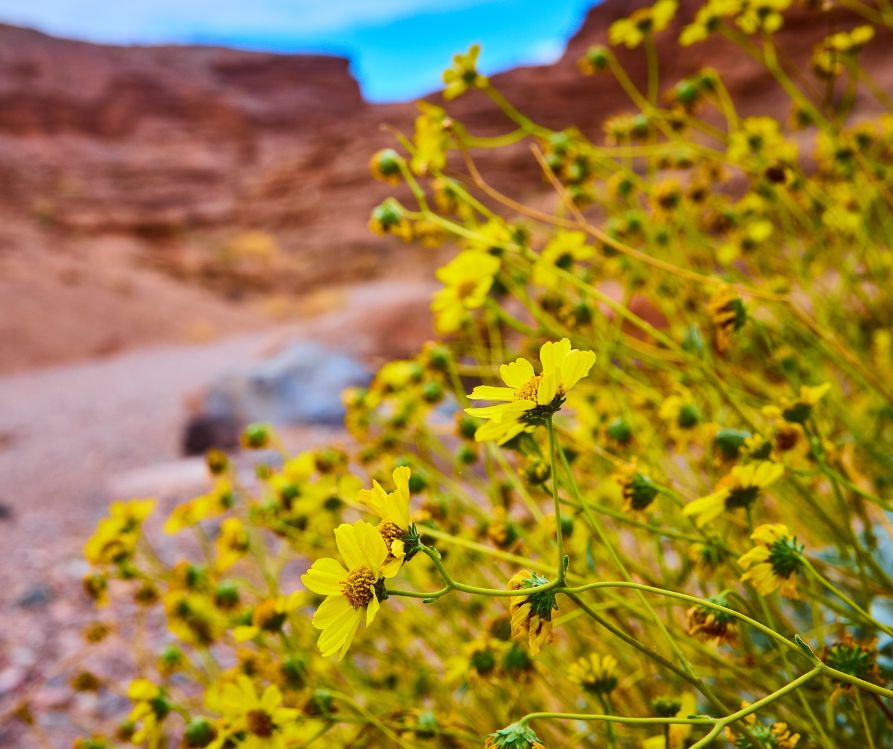
Opt for Texas Red Yucca (Hesperaloe parviflora) and Desert Marigold (Baileya multiradiata) to attract hummingbirds even in winter.
Southeast
Plant Florida Anise (Illicium floridanum) and Scarlet Beebalm (Monarda didyma) to provide food and shelter for hummingbirds, especially during migration.
Northwest
Consider planting Red-flowering Currant (Ribes sanguineum) and Indian Plum (Oemleria cerasiformis) to attract hummingbirds with their early spring blooms.
Where To Find Native Plants for Your Region
Finding the right native plant guide can simplify the process of choosing plants that benefit local wildlife while thriving in your specific region. Below are some helpful resources:
- Local Extension Offices: Many universities and agricultural extension offices provide region-specific native plant guides. These guides are often tailored to your local climate and ecosystem.
- Native Plant Societies: Organizations like the Native Plant Society of Texas or the California Native Plant Society offer comprehensive resources, including plant databases, identification tools, and care tips.
- Botanical Gardens and Arboretums: Visit your nearest botanical garden or arboretum to find expert advice and recommended guides. Many of these institutions also host workshops and seminars.
- Online Databases: Websites like the Lady Bird Johnson Wildflower Center or the National Wildlife Federation’s Native Plant Finder allow you to search for plants based on your zip code, providing instant access to curated options.
- Local Nurseries: Many native plant nurseries have staff who are knowledgeable about regional vegetation and can recommend books or pamphlets related to your area.
Lady Bird Johnson Wildflower Plant Lists & Collections Recommended Species by State
Arizona Native Plant Society Plant List
Xerces Society Pollinator Conservation Program Pollinator-Friendly Native Plant Lists
Using these resources, you can discover plants uniquely suited to your region, helping to support biodiversity and create a thriving outdoor environment.
Maintaining Your Garden in Winter
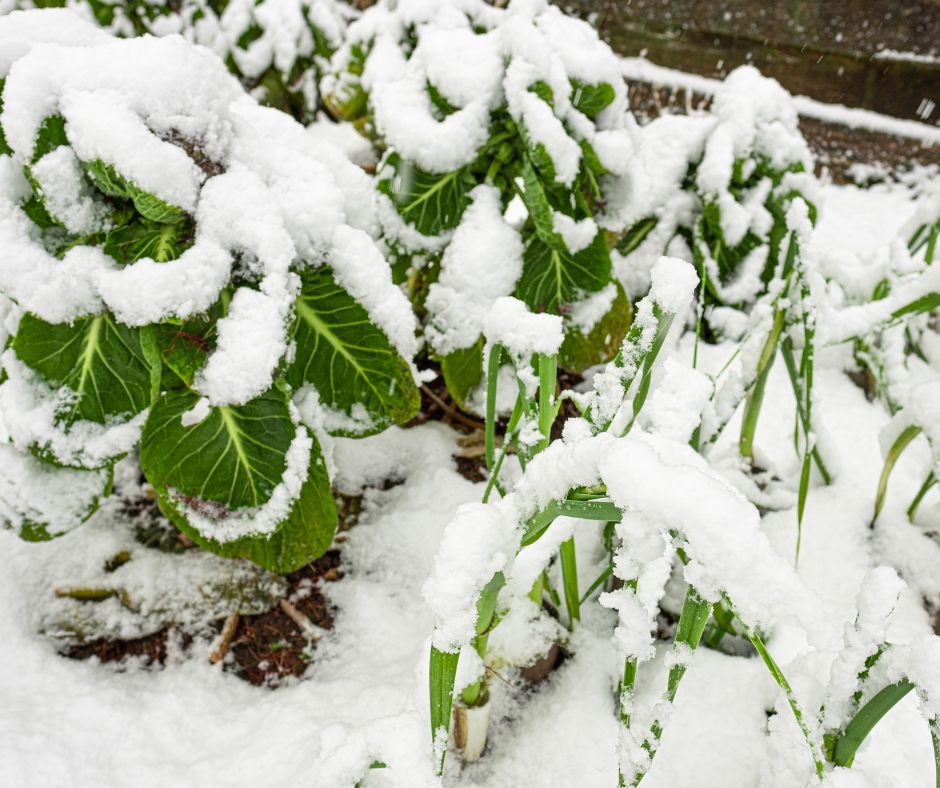
Winter maintenance is crucial for keeping your wildlife garden thriving. Ensure plants receive adequate water, especially before the ground freezes.
How to Mulch Your Garden for Winter Protection
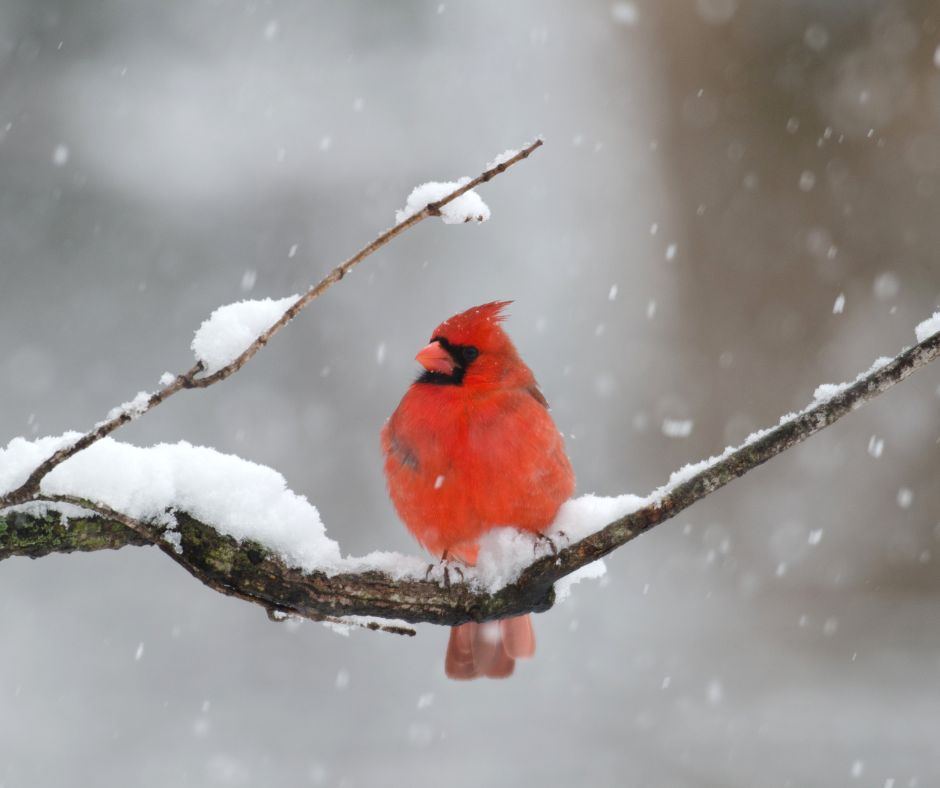
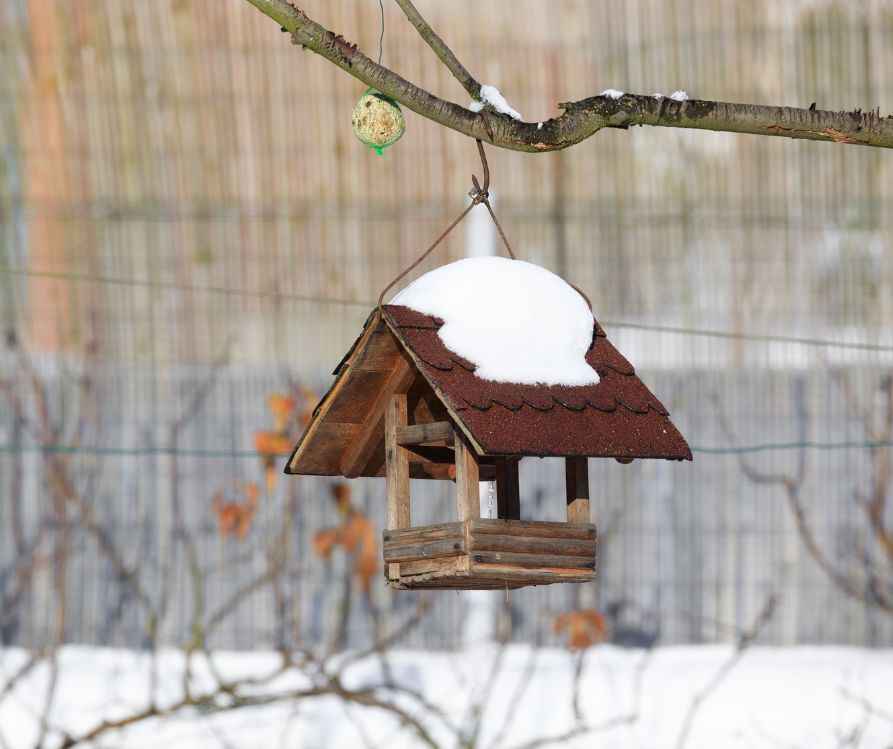
Mulching not only insulates plant roots but also provides warmth for ground-dwelling creatures. Supplement natural food sources with bird feeders filled with seeds or suet blocks.
Tips:
- Regularly clean out bird feeders to prevent the spread of disease.
- Check mulch levels and replenish as needed, aiming for a depth of 2-4 inches to effectively protect root systems and smaller animals.
Observing and Supporting Your Winter Wildlife
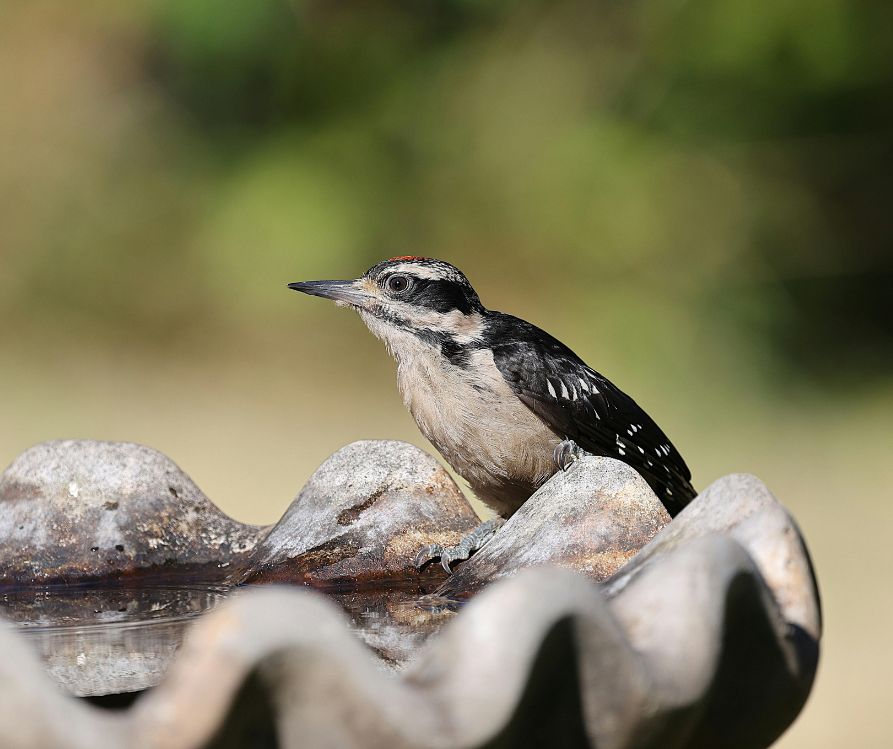
Once your garden is established, take time to observe the wildlife it attracts. Set up a comfortable viewing area indoors or create a sheltered spot outside to enjoy the show.
Keep a journal or photographs to document the diversity and changes in your garden’s visitors.
Advice:
- If you notice certain species struggling, adjust your garden’s offerings. For example, adding more berry-producing plants or additional water sources can make a significant difference.
- Engage children or neighbors in identifying and learning about the different species visiting your garden, fostering a community of wildlife enthusiasts.
Bring Life to Your Winter Garden
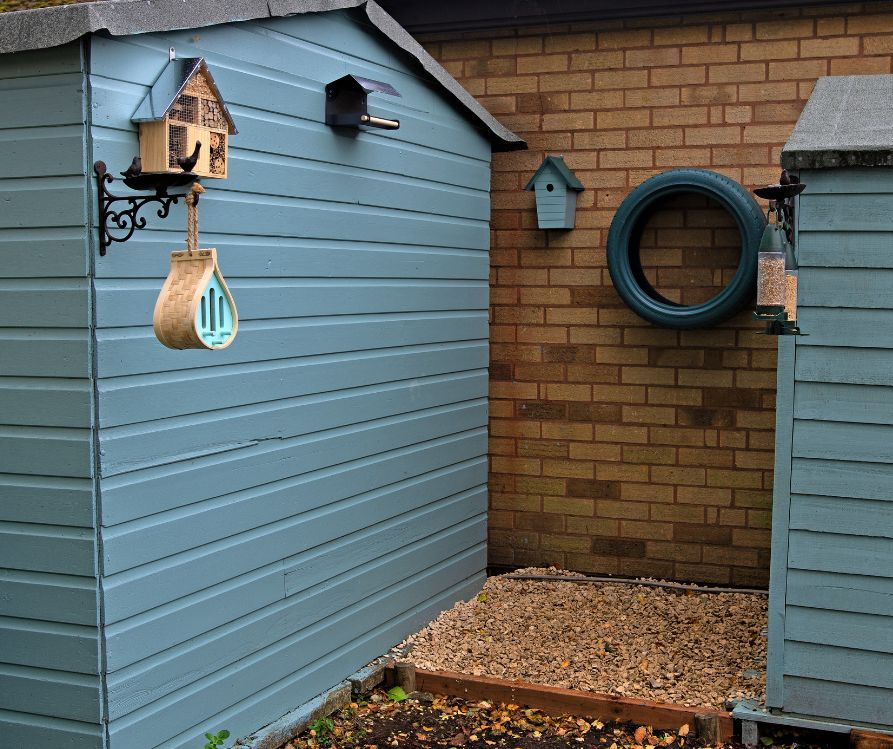
Creating a wildlife-friendly winter garden isn’t just about planting and maintenance; it’s about cultivating a vibrant ecosystem that supports local fauna through the harshest months.
By following these steps, you’re not only enhancing your garden’s beauty but also contributing to environmental conservation and education.
Start small or go big, but either way, take the first step toward creating your own slice of winter paradise. Share your gardening triumphs and discoveries with fellow enthusiasts and inspire others to join in supporting our precious wildlife.
Visit the Garden Resources page for supplies and inspiration. Don’t forget to subscribe to the Calendula’s Garden Newsletter for more gardening tips.
Calendula’s Garden is reader supported. When you buy through links on our site, we may earn an affiliate commission. As an Amazon Associate, I earn from qualifying purchases. For more information, view our Disclaimer page. Thank you!