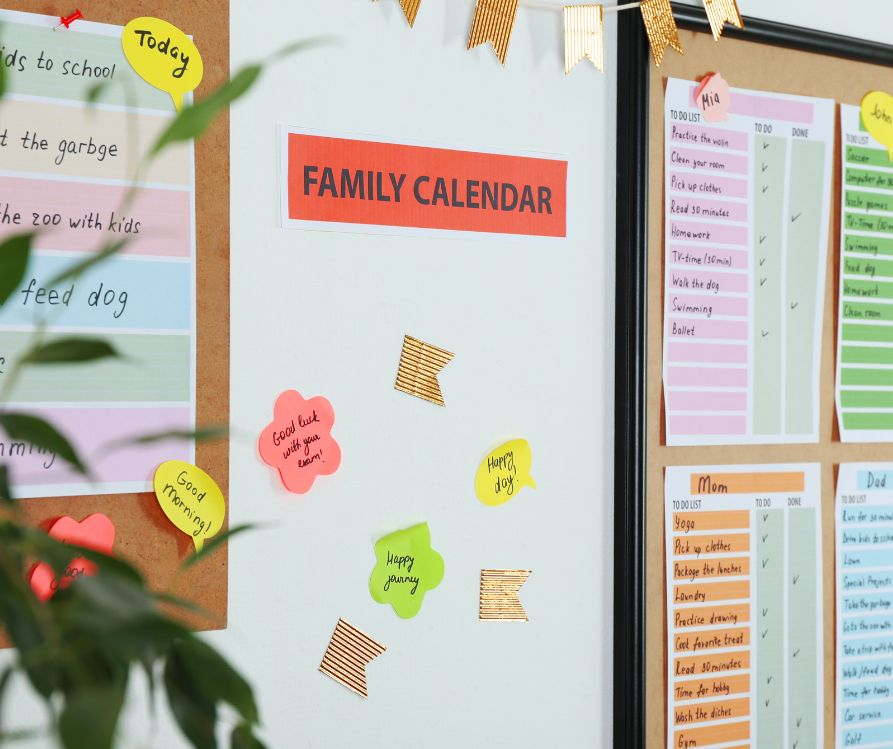
How to Create a Family Command Center That Works for Everyone
Calendula's Garden is reader suported This post may contain affiliate links, more on our Disclaimer page. Thank you!
Does this sound familiar? Monday morning arrives like a whirlwind. Lunches need packing, homework assignments surface from backpack depths, soccer cleats go missing, and someone forgot about picture day.
Meanwhile, you’re frantically checking three different calendars, trying to remember if tonight’s the school board meeting or your daughter’s piano recital.
If you’ve ever felt like your family’s schedule controls you rather than the other way around, you’re not alone. Many families struggle with the daily juggling act of coordinating everyone’s activities, responsibilities, and commitments. The solution might be simpler than you think: a well-designed family command center.
A family command center is essentially your household’s mission control. A designated space where schedules, important documents, reminders, and communication tools live together in organized harmony.
Think of it as the nerve center that keeps your family running smoothly, reducing those frantic morning searches and forgotten commitments that can turn any day upside down.
The benefits extend far beyond just staying organized. When done right, a command center becomes a communication hub that helps family members stay connected with each other’s lives, creates accountability through shared responsibility, and ultimately brings more peace to your home environment.
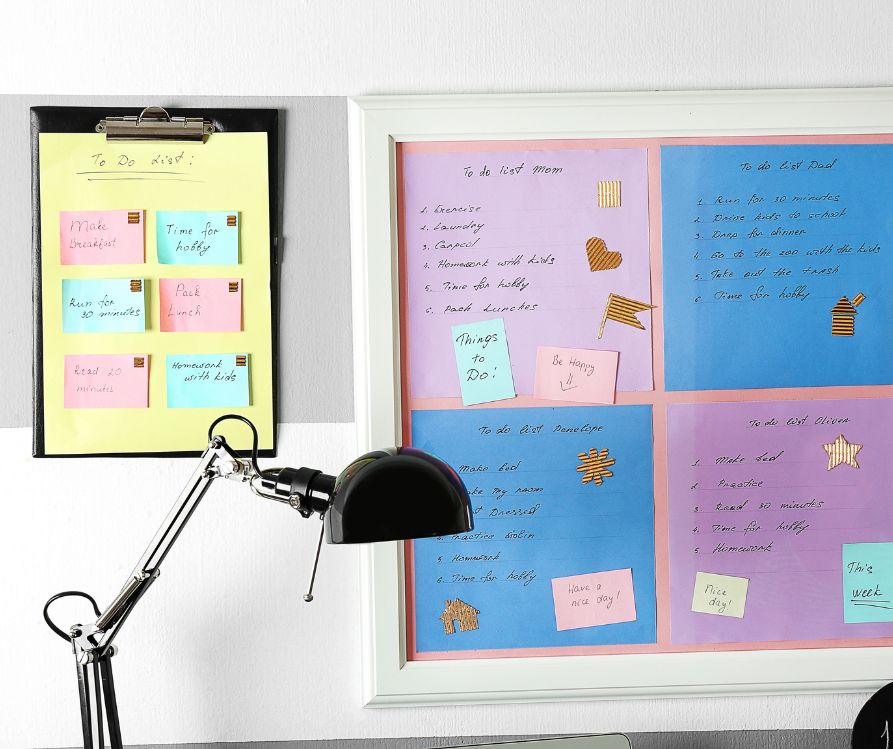
Understanding Your Family’s Unique Needs
Before diving into Pinterest-perfect command center ideas, take a step back and consider what your specific family actually needs. Every household operates differently, and what works beautifully for your neighbor might create more chaos in your home.
Start by observing your family’s current patterns and pain points. Do mornings feel rushed because everyone’s scrambling to find permission slips and sports equipment? Are you constantly playing phone tag about who’s picking up whom?
Maybe important family information gets lost in group text threads, or perhaps your children need more visual reminders to stay on top of their responsibilities.
Consider the ages and developmental stages of your family members. Preschoolers benefit from picture-heavy charts and simple visual cues, while teenagers might prefer digital integration and more independence in managing their schedules.
A family with multiple teenagers involved in various activities will need different organizational systems than a household with young children who follow more predictable routines.
Think about your family’s natural communication style as well. Are you text messengers, sticky note people, or do you prefer face-to-face check-ins? Your command center should complement, not fight against, how your family naturally shares information.
Family Command Center Essentials
- Calendar and Planning System:
- Large wall calendar, whiteboard, or digital display
- Color markers or pens (assign a color to each family member)
- Communication Hub:
- Chalkboard, corkboard, or magnetic board
- Push pins, magnets, or chalk
- Sticky notes for quick messages
- Task Management Area:
- Chore charts or task lists
- Dry-erase markers or checkboxes for tracking progress
- Storage Solutions:
- Small bins, baskets, or trays for organizing supplies
- Labels for easy identification
- File folders for documents like permission slips, coupons, and bills
- Charging Station:
- Power strip or multi-port USB charger
- Cable organizers or clips
- Designated space for devices (e.g., phones, tablets)
Additional Supplies
- Hooks or pegs for keys, backpacks, or bags
- Adhesive strips or mounting hardware for wall-mounted items
- Notebooks or planners for individual use
- Pens, pencils, and highlighters
- Scissors, tape, and other basic office supplies
Decorative and Personal Touches
- Family photos or children’s artwork
- Motivational quotes or decorative prints
- Frames or borders to match your home’s style
Maintenance Tools
- Cleaning supplies for whiteboards or chalkboards
- Recycling bin for outdated papers
- A small trash can for clutter removal
This list ensures you have everything needed to set up a command center that’s both functional and visually appealing! Let me know if you’d like help customizing it further.
Finding the Perfect Location
Location can make or break your command center’s effectiveness. The best spot is somewhere your family naturally gathers or passes by regularly—after all, an organized system tucked away in a spare room won’t do much good if nobody sees it.
The kitchen often emerges as the natural choice since it’s typically the heart of most homes. A section of wall near the breakfast table or coffee station ensures daily visibility.
However, don’t overlook other high-traffic areas like hallways between bedrooms and common areas, mudrooms where backpacks and shoes naturally land, or even a dedicated corner of your main living space.
When evaluating potential locations, consider both visibility and accessibility. Your command center needs to be at eye level for the people who’ll use it most.
If you have young children who need to interact with chore charts or calendars, make sure important elements are within their reach.
Space availability matters too, but don’t let a small area discourage you. A narrow hallway can accommodate a streamlined vertical setup, while a spacious mudroom might allow for a more comprehensive organizational system.
The key is working with what you have rather than waiting for the perfect amount of space.
Essential Components That Actually Work
A functional family command center doesn’t need to include everything. It needs to include the right things for your household. Here are the core components that tend to make the biggest difference:
Calendar and Planning System
This forms the backbone of your command center. Whether you choose a large wall calendar, whiteboard, or digital display, having everyone’s schedules visible in one place eliminates confusion and conflicts.
Many families find success with color coding. Assign each family member a specific color for easy recognition at a glance.
Consider your family’s planning horizon when selecting a calendar system. Some households operate best with monthly views, while others need to see the full week ahead to stay coordinated.
Communication Hub
Create a designated space for family messages, reminders, and important information. This might be a small chalkboard for daily notes, a corkboard for permission slips and invitations, or even a magnetic board where family members can leave messages for each other.
This is also a great place to post the family emergency plan. Make it a single, easy-to-read page so everyone can understand it quickly. Seeing the emergency plan daily helps family members remember what to do when the time comes.
The goal is to reduce the mental load of remembering to tell someone something important. When information has a physical home, it’s less likely to get forgotten or lost in the shuffle of busy days.
Task Management Area
Whether it’s chore charts for children, honey-do lists for spouses, or project tracking for the whole family, having visible task management helps everyone stay accountable. This doesn’t need to be complicated. Simple checkboxes and clear expectations often work better than elaborate systems.
Storage Solutions
Your command center needs homes for the various papers, supplies, and small items that accumulate. Small bins or baskets can corral everything from pens and push pins to permission slips and coupons. Label everything clearly so items can find their way back to their designated spots.
Charging Station
Our devices are integral to modern family life, so include a dedicated charging area within or near your command center. This prevents devices from being scattered around the house and ensures they’re ready when needed for coordinating family activities.
Creating Visual Appeal That Motivates Use
A beautiful command center is more likely to be used and maintained than a purely functional but unattractive one. This doesn’t mean you need expensive materials or professional design skills, just thoughtful attention to creating something your family actually wants to interact with.
Choose colors and materials that complement your home’s existing style. If your kitchen features warm wood tones, consider a natural cork board or wooden frame elements. For modern spaces, sleek magnetic boards and clean lines might feel more appropriate.
Personal touches make any organizational system more engaging. Include family photos, children’s artwork, or motivational quotes that resonate with your household’s values.
When your command center reflects your family’s personality, it becomes a welcoming focal point rather than just another to-do list.
Typography matters more than you might think. Use clear, readable fonts for any printed elements, and consider the visual hierarchy of information. The most important items should be the most prominent, while supporting details can be smaller or in different colors.
Maintaining Your System for Long-Term Success
Creating your command center is just the beginning. The real magic happens when you establish sustainable routines around maintaining it. Without regular upkeep, even the most beautiful organizational system will quickly become cluttered and ineffective.
Set up weekly review sessions, perhaps Sunday evenings, when the family gathers to update the coming week’s schedule, review completed tasks, and add new commitments.
This doesn’t need to be a formal meeting. Many families successfully combine this review with other weekly traditions like pizza night or family game time.
Establish clear guidelines about who’s responsible for updating what information. Children can be responsible for adding their own activities and completing their task charts, while parents might manage the master calendar and important deadlines.
Regular decluttering prevents your command center from becoming overwhelming. Monthly, remove outdated information, expired coupons, and completed task lists. This ongoing maintenance keeps your system feeling fresh and functional rather than stale and cluttered.
Remember that your command center should evolve with your family’s changing needs. What works perfectly when children are in elementary school might need adjustment as they become more independent teenagers. Stay flexible and willing to modify systems that aren’t serving your current reality.
Transform Your Daily Routine
A well-designed family command center becomes more than just an organizational tool. It becomes a cornerstone of smoother daily operations and stronger family communication.
When everyone knows where to find important information and how to share updates with the rest of the family, those stressful moments of miscommunication and forgotten responsibilities naturally decrease.
The true value lies not in having the most elaborate setup, but in creating a system that genuinely works for your unique family situation.
Start simple, focus on addressing your biggest pain points, and allow your command center to grow and adapt as you discover what serves your household best.
Your family deserves the peace of mind that comes with being organized and connected. Take the first step toward creating your own command center, and watch how this simple addition can transform your daily routine from chaotic to coordinated.
Visit the Garden Resources page for supplies and inspiration. Don’t forget to subscribe to the Calendula’s Garden Newsletter for more gardening tips.
Calendula’s Garden is reader supported. When you buy through links on our site, we may earn an affiliate commission. As an Amazon Associate, I earn from qualifying purchases. For more information, view our Disclaimer page. Thank you!