How to Create a Cottage Garden Design That Blooms Year Round
Calendula's Garden is reader suported This post may contain affiliate links, more on our Disclaimer page. Thank you!
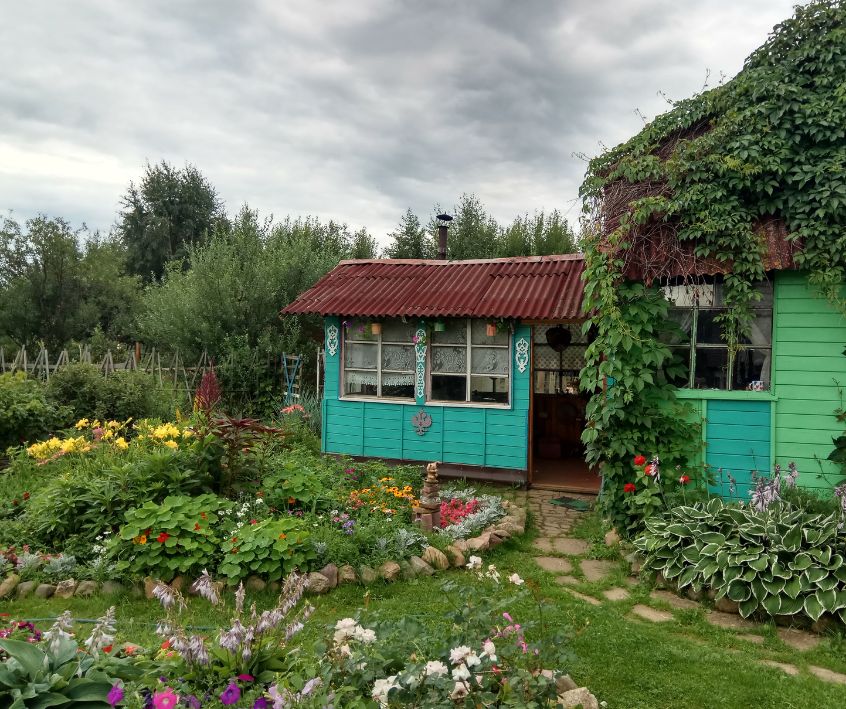
Imagine stepping into a garden that feels as though it has been borrowed from the pages of a storybook. Where flowers grow in an artful tangle, bees flit between blossoms, and every corner radiates rustic charm.
A cottage garden is more than just a space; it’s a sanctuary that celebrates nature’s creativity, overflowing with vibrant hues, lush greenery, and an invitingly unstructured beauty. Whether it’s a rose-laden fence or a medley of cheerful daisies and foxgloves, the allure of a cottage garden lies in its enchanting, unpredictable tapestry.
But here is the secret many aspiring gardeners don’t realize: that effortless, “always-in-bloom” look actually takes a bit of planning.
The goal isn’t just a burst of color in June and a barren patch of dirt in January. The true art of the cottage style lies in creating a living tapestry that shifts and evolves through every season.
If you are new to gardening, this might sound a little intimidating. You might be wondering, “How do I keep flowers blooming when it’s freezing?” or “Won’t a dense garden just invite pests?”
Don’t worry, we’ve got you covered. This guide will walk you through everything you need to know to cultivate your own slice of paradise, from the first spring bulb to the last winter berry.
Understanding the Basics of Cottage Garden Design
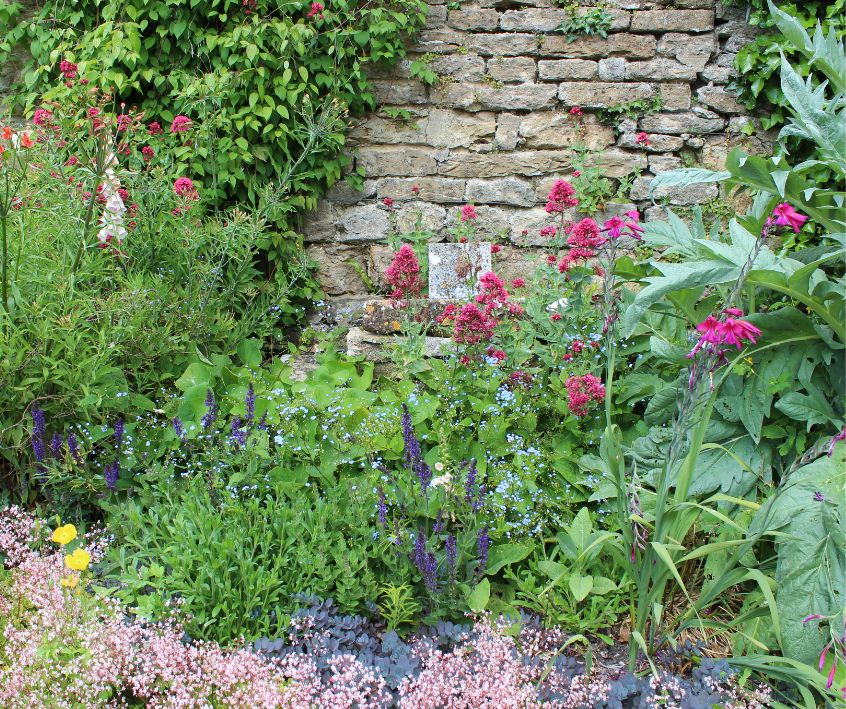
Before you start digging, let’s talk about what actually makes a garden a cottage garden. Unlike formal French gardens with their manicured box hedges and strict symmetry, the cottage style is all about organized chaos. It’s loose, informal, and deeply personal.
What Defines a Cottage Garden?
Historically, these gardens were practical spaces for English laborers. They needed to fit as many useful plants as possible into a small plot of land.
This meant mixing vegetables, herbs, fruit trees, and flowers all in one tight space. Today, while we lean more into the aesthetic side, the core principles remain the same.
A true cottage garden feels abundant. You shouldn’t see much bare soil. Instead, plants are packed closely together, spilling over pathways and weaving into one another.
This density isn’t just pretty; it’s a brilliant natural weed suppressant (nature’s mulch!) and helps retain soil moisture, which is a huge win for eco-conscious gardeners looking to save water.
Key Elements of the Style
To nail that nostalgic look, focus on these three elements:
Informal Layout: Forget straight lines. Curved pathways made of natural materials like gravel, brick, or stone chips invite visitors to wander slowly.
Dense Planting: As mentioned, avoid spacing plants too far apart. You want them to touch and support each other.
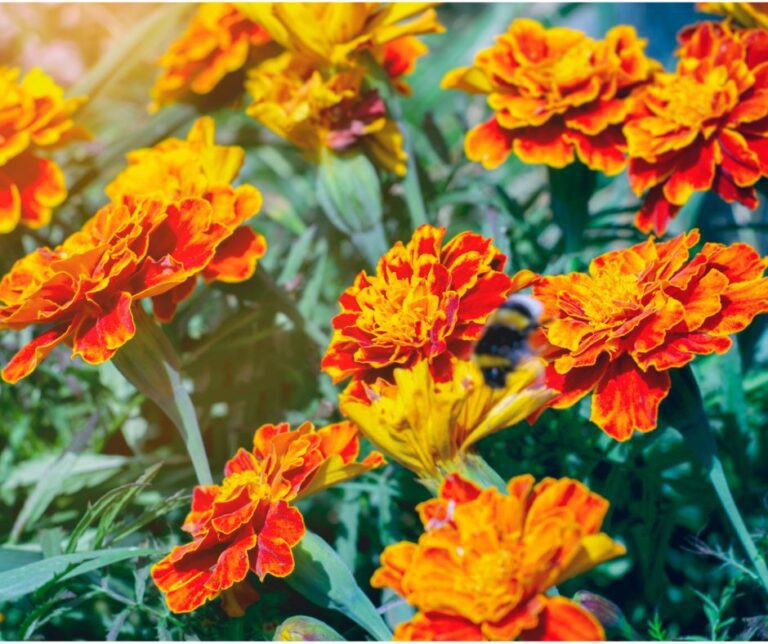
Mixed Planting: Don’t segregate your plants. Tuck your kale next to your marigolds and let your climbing beans scramble up a trellis alongside sweet peas. This biodiversity is fantastic for confusing pests and attracting beneficial insects.
Planning for Year-Round Blooms
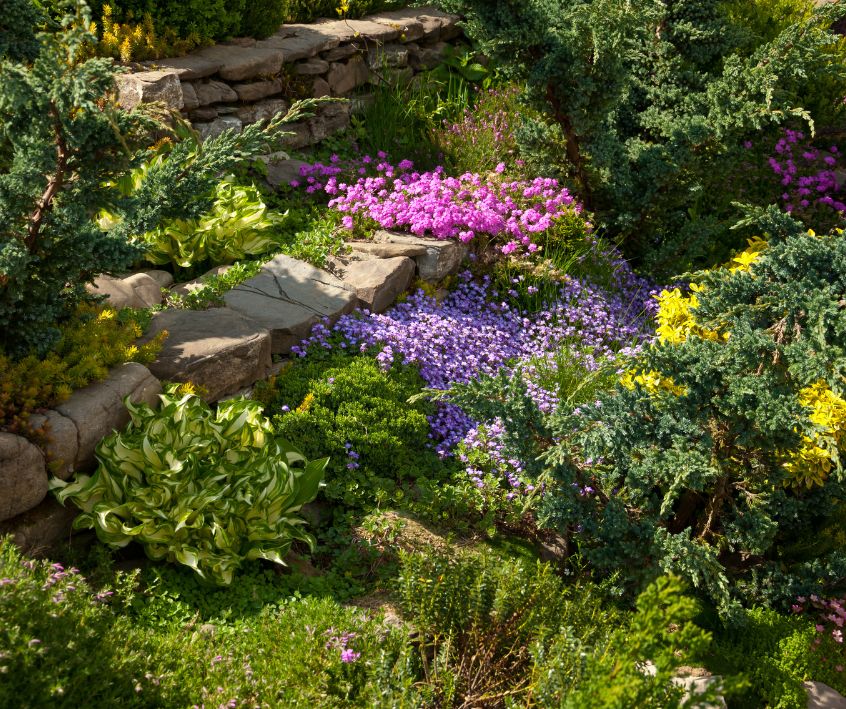
The biggest challenge for beginner gardeners is often the “boom and bust” cycle. Where everything blooms beautifully in summer, but the garden looks sad and empty the rest of the year.
To avoid this, you need to think of your garden like a choir; not everyone sings at the same time. You need soloists for every season.
Where to find seeds, plants, and supplies:
Spring: The Awakening
Spring is the season of hope. After a long winter, you want splashes of color to signal that life is returning.
Bulbs: These are your best friends for early color. Plant snowdrops (Galanthus) and crocuses for late winter/early spring, followed by daffodils and tulips.
Early Bloomers: Hellebores (Lenten Roses) are stunning, sturdy perennials that often bloom while snow is still on the ground. Bleeding hearts (Lamprocapnos spectabilis) add whimsical shape and bright pinks to shady corners.
Summer: The Main Event
This is when the cottage garden really shines. The goal here is abundance. You want height, drama, and fragrance.
The Classics: You can’t have a cottage garden without roses. Look for shrub roses or climbers that are disease-resistant. Pair them with tall spires of Delphiniums and Foxgloves (Digitalis) for that quintessential vertical interest.
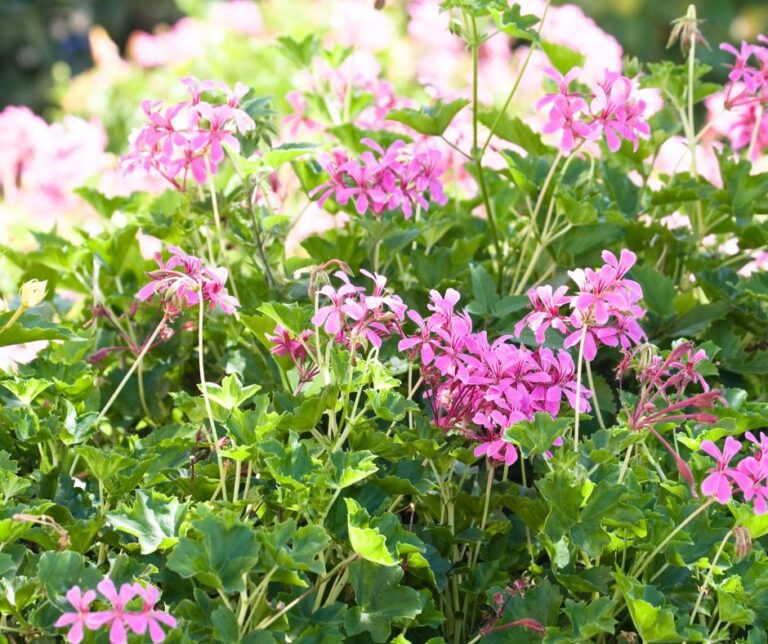
Fillers: Use hardy geraniums (Cranesbill) to weave around the ankles of taller plants. They bloom for months and cover the soil beautifully.
Autumn: The Golden Hour
Don’t let the garden fade away when September hits. Autumn offers a chance for deeper, richer colors and interesting textures.
Late Bloomers: Asters and Sedums (Stonecrop) are pollinators’ favorites this time of year. They provide vital nectar for bees preparing for winter.
Dahlias: These tubers are the queens of the late summer and autumn garden, offering spectacular blooms until the first hard frost.
Foliage: Japanese Anemones offer delicate pink or white flowers that dance in the wind, perfect for the breezier autumn days.
Winter: Structure and Silhouette
Winter is often overlooked, but in a sustainable garden, it is crucial. This is when the “bones” of your garden become visible.
Evergreens: Boxwood or Yew can provide green structure when everything else is brown.
Winter Flowering: Witch Hazel (Hamamelis) offers spicy fragrance and spider-like yellow flowers in deep winter.
Seed Heads: Resist the urge to cut everything back! Leave the seed heads of Coneflowers (Echinacea) and Rudbeckia standing. They look beautiful, dusted with frost, and provide essential food for birds during the cold months.
Plant Selection Guide: Top Picks for Every Season
Choosing the right plants can feel overwhelming when you are standing in the nursery aisle. To make it easier, here is a cheat sheet of reliable, beginner-friendly plants that fit perfectly into a sustainable, organic cottage garden.
Spring Stars
- Forget-me-nots (Myosotis): These self-seed enthusiastically, creating clouds of blue foam.
- Peonies (Paeonia): The extravagant blooms are short-lived but worth every second.
- Alliums: These purple pompoms bridge the gap perfectly between spring bulbs and summer perennials.
Summer Staples
- Lavender (Lavandula): A must-have for fragrance and bees. It loves full sun and well-draining soil.
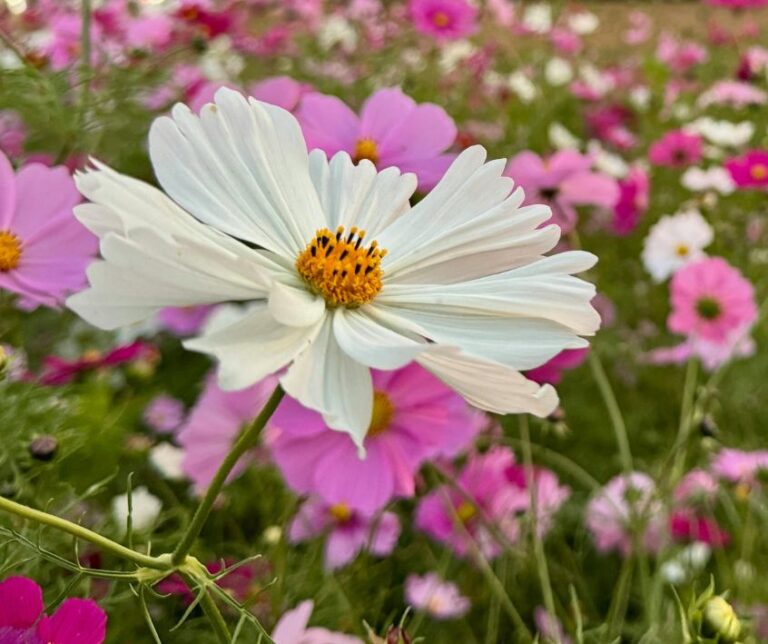
- Cosmos: An easy annual to grow from seed. They bloom non-stop and add a feathery, light texture.
- Hollyhocks (Alcea): The ultimate cottage backdrop plant. Note that they are prone to rust fungus, so give them good airflow.
Autumn Artists
- Rudbeckia (Black-eyed Susan): Cheerful, golden yellow flowers that last for weeks.
- Helenium (Sneezeweed): Don’t let the name scare you; these offer gorgeous burnt orange and red tones.
- Ornamental Grasses: Miscanthus or Fountain Grass add movement and golden hues as they dry out.
Winter Wonders
- Winter Jasmine (Jasminum nudiflorum): Bright yellow flowers on bare stems in the depths of winter.
- Hellebores: Available in moody purples, whites, and greens. They are tough as nails.
- Dogwood (Cornus): Grown for their vibrant red or yellow stems that shine against the snow.
Design Tips and Tricks for Beginners
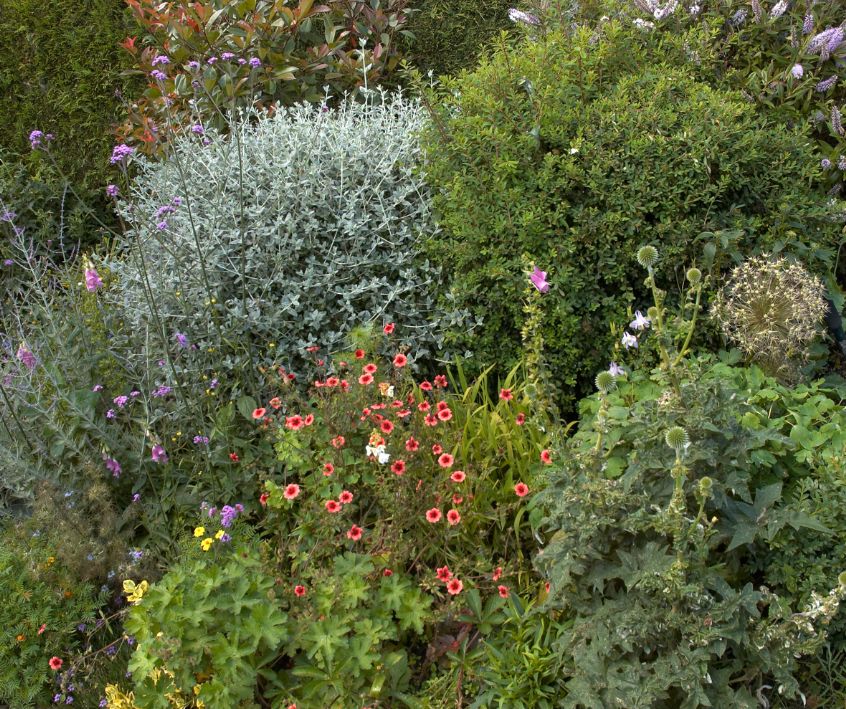
You have your plant list, but how do you put it all together without it looking like a jungle? Here are a few professional tricks to keep things looking intentional.
Creating Layers of Plants
Think of your garden bed like a class photo. Put the tall kids (Foxgloves, Hollyhocks, Delphiniums) in the back or the center if the bed is viewed from all sides.
Put the medium-sized plants (Roses, Phlox, Daisies) in the middle.
Finally, place the short, spilling plants (Geraniums, Alchemilla mollis) at the front to soften the edges of your path. This layering creates depth and ensures every plant gets its moment in the sun.
Using Self-Seeders and Perennials
One of the best “hacks” for a cottage garden is using plants that do the work for you.
- Perennials are plants that come back year after year. They are an investment that pays off over time.
- Self-seeders are annuals or biennials that drop seeds and pop up next year for free. Plants like Nigella (Love-in-a-mist), Poppies, and Verbena bonariensis will wander around your garden, filling in gaps you didn’t even know you had. It’s free plants and less planting work for you!
Integrating Herbs and Vegetables
Remember the roots of the cottage garden? It was an edible landscape. Don’t be afraid to mix your food with your flowers.
- Chives have adorable purple pompom flowers that bees love.
- Rainbow Chard has stunning stems in red, yellow, and pink that look beautiful next to flowers.
- Sage and Rosemary offer grey-green foliage that breaks up the bright greens of other plants.
Growing organic food right alongside your ornamentals is a fantastic way to maximize your space and improve your family’s health with pesticide-free produce.
Maintenance and Care: Gardening with Nature
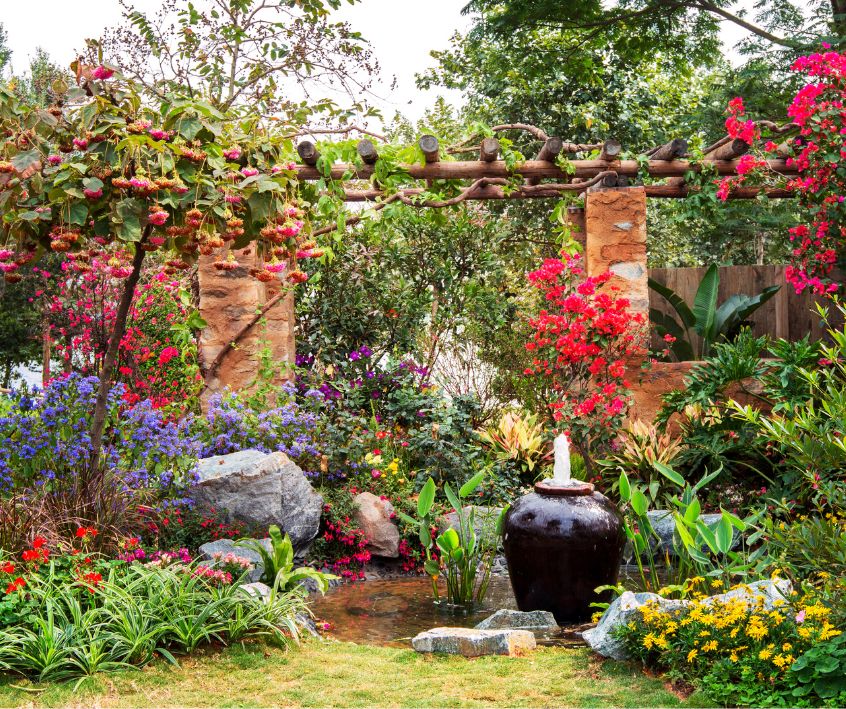
A dense cottage garden might look wild, but it relies on healthy soil and smart maintenance. Since you are focused on sustainability and health, we will skip the harsh chemicals and focus on working with nature.
Watering and Fertilizing
The golden rule for watering is: deep and infrequent. This encourages roots to grow down deep into the soil to find water, making your plants more drought-resilient.
Mulching is your best friend here. A layer of organic compost or shredded leaves on the soil surface keeps moisture in and suppresses weeds.
For fertilizer, skip the blue synthetic crystals. Instead, feed your soil with organic compost or well-rotted manure once a year in the spring. Healthy soil equals healthy plants.
Pruning and Deadheading
“Deadheading” is simply pinching off an old flower once it fades. This tricks the plant into thinking it hasn’t produced seeds yet, so it rushes to make more flowers. It’s the easiest way to extend your bloom season.
However, towards the end of autumn, stop deadheading. Let those seed heads form for the birds. It’s a small act that makes a big difference to local wildlife.
Dealing with Pests and Diseases Naturally
In a dense garden, airflow is key. If plants are too crowded, they can get fungal diseases like powdery mildew. If you see this, thin out some branches to let the breeze through.
For pests, rely on biodiversity. Aphids on your roses? Don’t reach for the spray. If you have planted a mix of flowers, you likely have ladybugs and lacewings nearby (the good guys!) who will eat the aphids for you.
This is the beauty of an organic ecosystem. It balances itself out. You can also plant “trap crops” like Nasturtiums, which attract pests away from your prized veggies and flowers.
Enjoying Your Cottage Garden Year-Round
Creating a year-round cottage garden is a journey, not a weekend project. It takes a little trial and error to find what loves your soil and your sunlight. But that is the joy of it.
Start small. Maybe this weekend, you can just carve out one small bed and plant a rose bush and some lavender. Next season, add some bulbs. Before you know it, you will have created a thriving ecosystem right outside your back door. A place that feeds the bees, shelters the birds, and provides a beautiful, healthy sanctuary for you and your family.
So grab your spade and get out there. Your year-round paradise is waiting to be planted.
Visit the Garden Resources page for supplies and inspiration. Don’t forget to subscribe to the Calendula’s Garden Newsletter for more gardening tips.
Calendula’s Garden is reader supported. When you buy through links on our site, we may earn an affiliate commission. As an Amazon Associate, I earn from qualifying purchases. For more information, view our Disclaimer page. Thank you!