How to Choose the Right Pot for Your Indoor Plants
Calendula's Garden is reader suported This post may contain affiliate links, more on our Disclaimer page. Thank you!
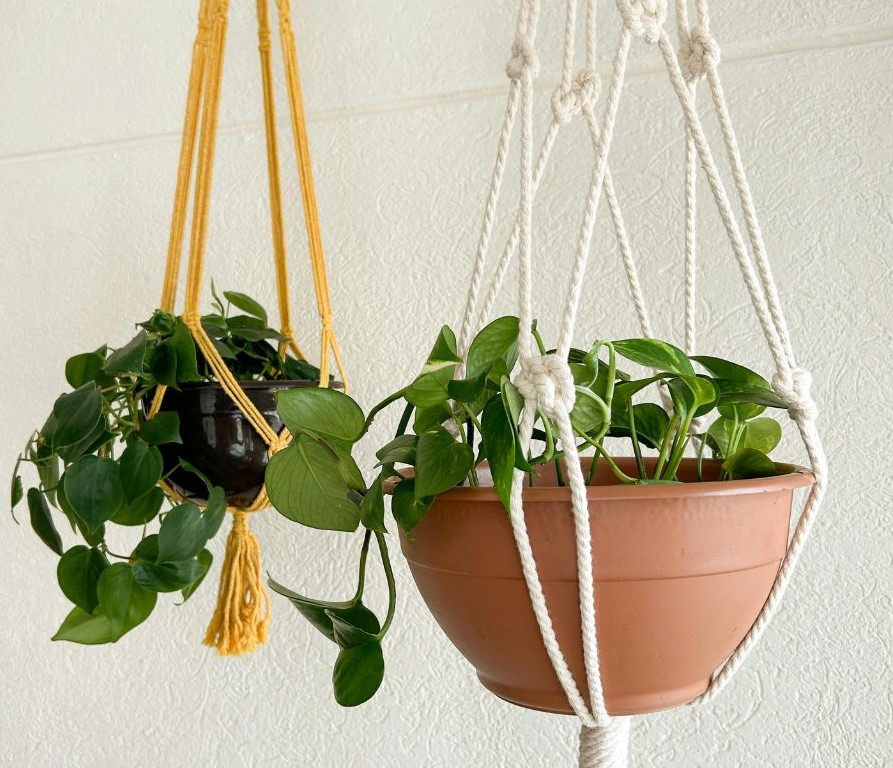
Bringing plants into your home transforms any space into a living, breathing sanctuary. But here’s something many plant parents overlook: the pot you choose can make or break your plant’s health and happiness.
Your plant’s pot is like its permanent home. Just as you wouldn’t want to live in a house that’s too small, poorly ventilated, or doesn’t suit your needs, your plants deserve containers that support their growth and well-being.
The right pot does more than just hold soil; it regulates moisture, provides adequate space for root development, and can even enhance your plant’s natural beauty.
Whether you’re a seasoned plant enthusiast or just starting your indoor garden, understanding how to select the perfect pot will set both you and your green friends up for success. Let’s explore everything you need to know about choosing containers that will help your plants thrive.
Selecting Different Types of Pots
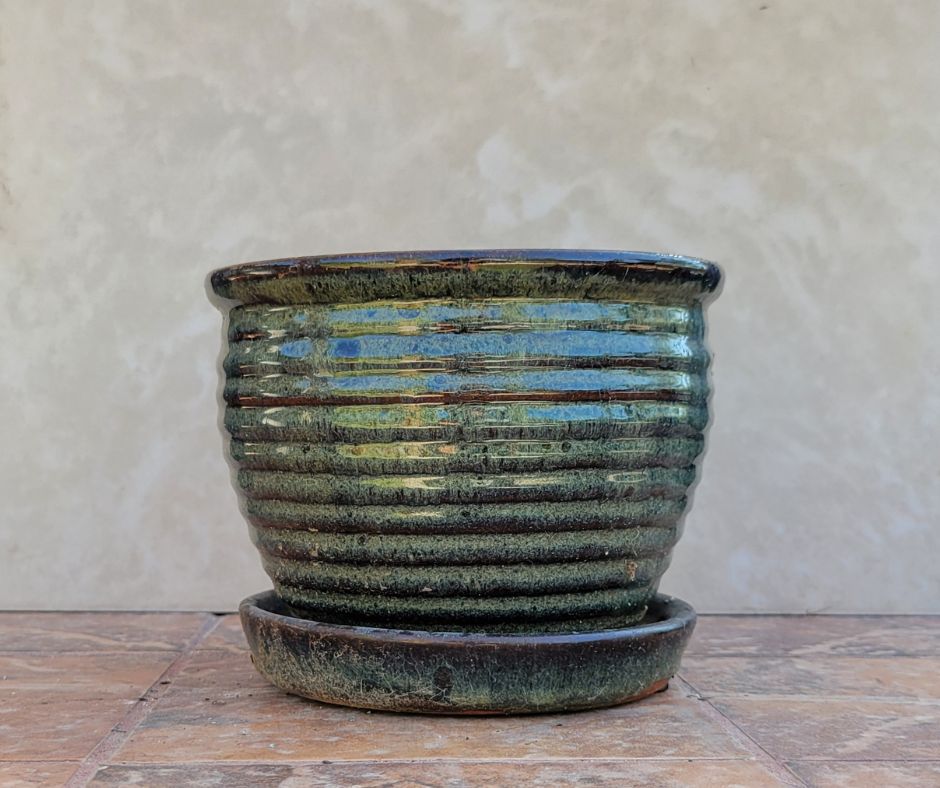
The material of your plant pot affects everything from water retention to root temperature. Each type comes with its own personality and benefits.
Potting Supplies to Get You Started
Gepege 6 Inch Beaded Ceramic Planter Set of 2 with Drainage Hole and Saucer for Plants
Back to the Roots 100% Organic Indoor Potting Mix
Large Repotting Mat for Indoor Plants, Transplanting, and Dirt Control
Terracotta Pots
Terracotta pots are the classic choice for good reason. These clay containers are naturally porous, which means they allow air to reach the roots and excess moisture to evaporate through the walls. This breathing quality makes terracotta excellent for plants that prefer drier conditions, like succulents, cacti, and herbs.
The downside? Terracotta dries out faster than other materials, so moisture-loving plants might struggle unless you’re committed to more frequent watering. These pots also tend to develop white mineral deposits over time, though many plant lovers consider this part of their charm.
Plastic Pots
Don’t dismiss plastic pots as purely utilitarian. Modern plastic containers come in countless styles and colors, and they offer some serious practical advantages. They retain moisture longer than terracotta, making them ideal for tropical plants that like consistent humidity. Plastic pots are also lightweight, affordable, and won’t break if dropped.
The trade off is less air circulation around the roots. However, this isn’t necessarily problematic if you’re careful not to overwater and choose high-quality plastic that won’t degrade quickly in sunlight.
Ceramic Pots
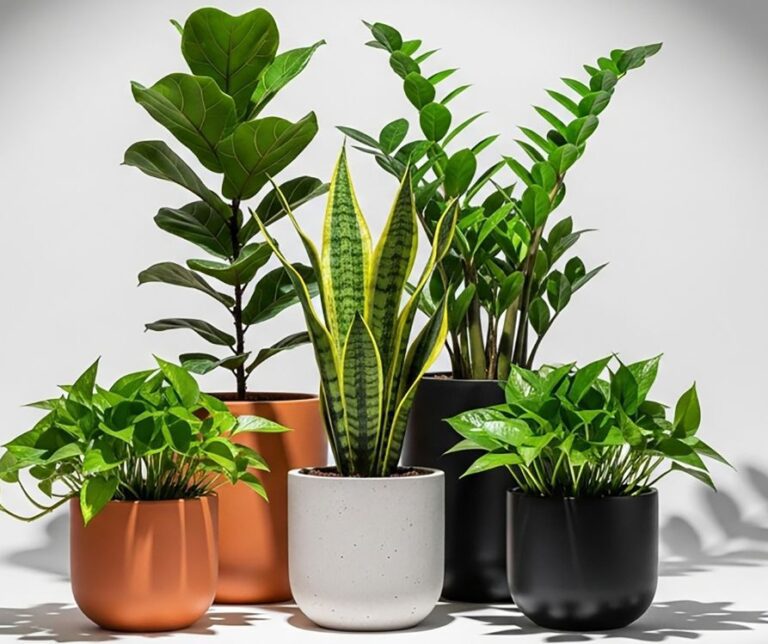
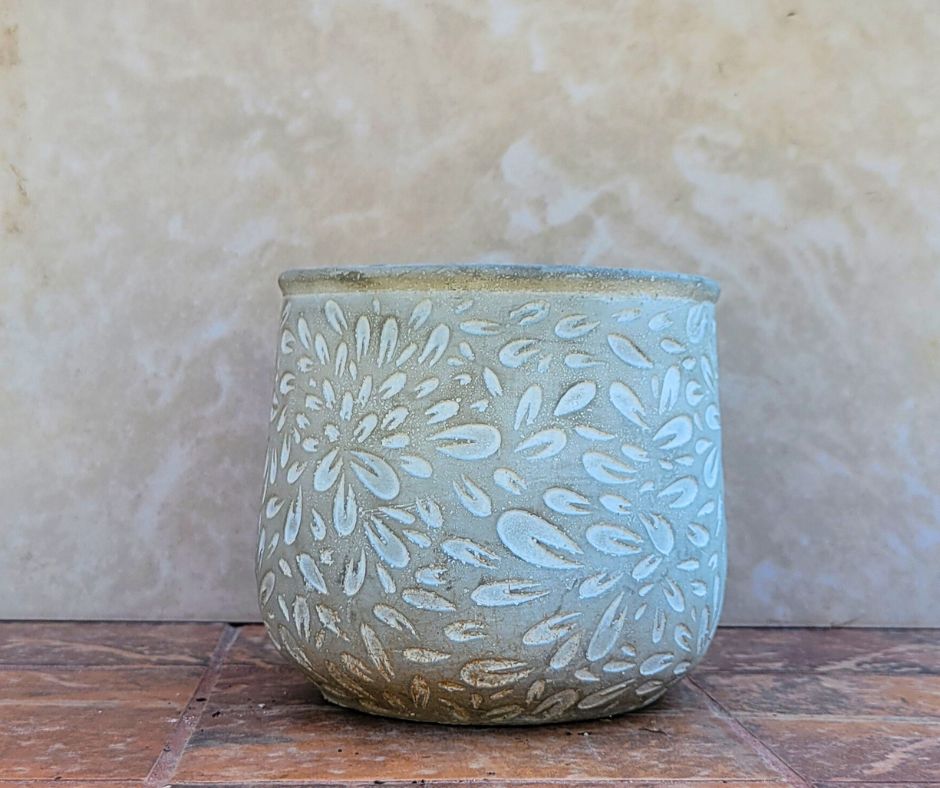
Ceramic pots give you the best of both worlds in many cases. They’re less porous than terracotta but more breathable than plastic, offering moderate moisture retention. The glazed surfaces come in endless designs, making them perfect when you want your pots to serve as decorative elements in your home.
Keep in mind that ceramic pots can be heavy, especially larger ones, and they’re more expensive than plastic alternatives. But for plants that need consistent moisture without being waterlogged, ceramic often hits the sweet spot.
Drainage is Key
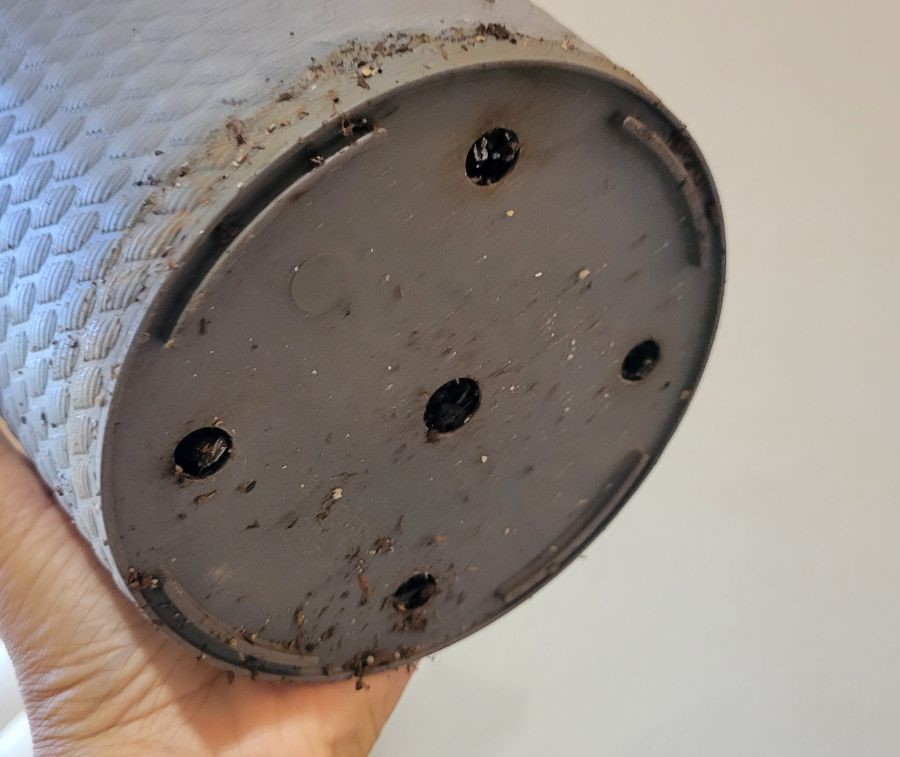
Here’s a non-negotiable truth about plant care: drainage holes aren’t optional—they’re essential. Even plants that love moisture can suffer from root rot when water sits stagnant around their roots.
Why Drainage Holes Matter
Drainage holes allow excess water to escape, preventing the soil from becoming waterlogged. When roots sit in soggy conditions, they can’t access the oxygen they need, leading to root rot and eventually plant death. Good drainage also helps flush out excess salts from fertilizers that could otherwise build up and damage your plant.
Working with Pots Without Drainage
Sometimes you fall in love with a pot that doesn’t have drainage holes. Don’t despair—you have options. Create a drainage layer by placing pebbles, activated charcoal, or broken pottery pieces at the bottom of the pot before adding soil. This creates space for excess water to collect away from the roots.
Another approach is the double-pot method: keep your plant in a smaller pot with drainage holes, then place that inside your decorative container. You can easily lift out the inner pot for watering and let it drain completely before returning it to the outer pot.
Just remember that pots without drainage require more careful watering. It’s better to underwater slightly than to risk drowning your plant’s roots.
Size Matters: Selecting the Right Pot Size
Choosing the right pot size feels a bit like picking out clothes—too small and growth becomes restricted, too large and problems arise in unexpected ways.
The Goldilocks Principle
Most plants prefer pots that are just slightly larger than their current root system. A good rule of thumb is to choose a pot that’s 1-2 inches larger in diameter than the current container. This gives roots room to grow without overwhelming them with too much soil.
Why Too Big Can Be a Problem
Oversized pots hold more soil, which retains more moisture. If your plant’s roots can’t absorb all that water quickly enough, you’re setting the stage for root rot. Additionally, plants often focus their energy on root development before putting out new leaves, so an overly large pot might slow visible growth.
When to Size Up
Look for signs that your plant needs a larger home: roots growing out of drainage holes, water running straight through the pot without being absorbed, or growth that seems stunted despite good care. Most houseplants benefit from repotting every 1-2 years, though slow-growing plants might go longer.
For fast-growing plants like pothos or spider plants, you might need to size up annually. Slow-growing succulents, on the other hand, often prefer to stay slightly root-bound and might only need repotting every few years.
Aesthetic Considerations
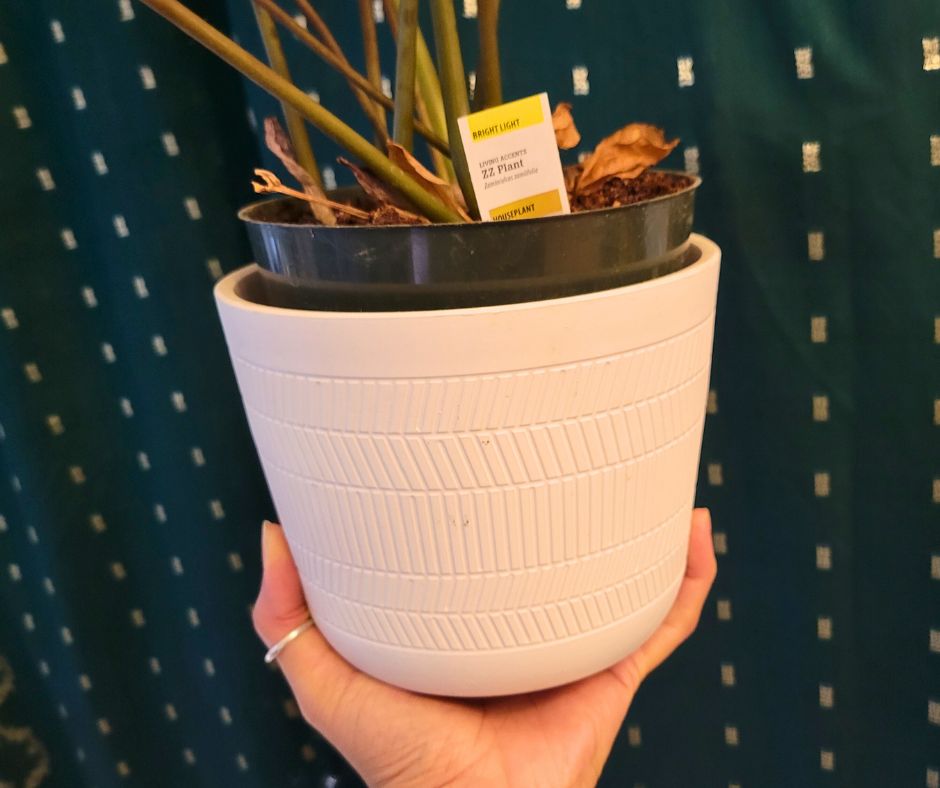
Your plant pots contribute significantly to your home’s overall style, so don’t underestimate their decorative impact.
Matching Your Decor Style
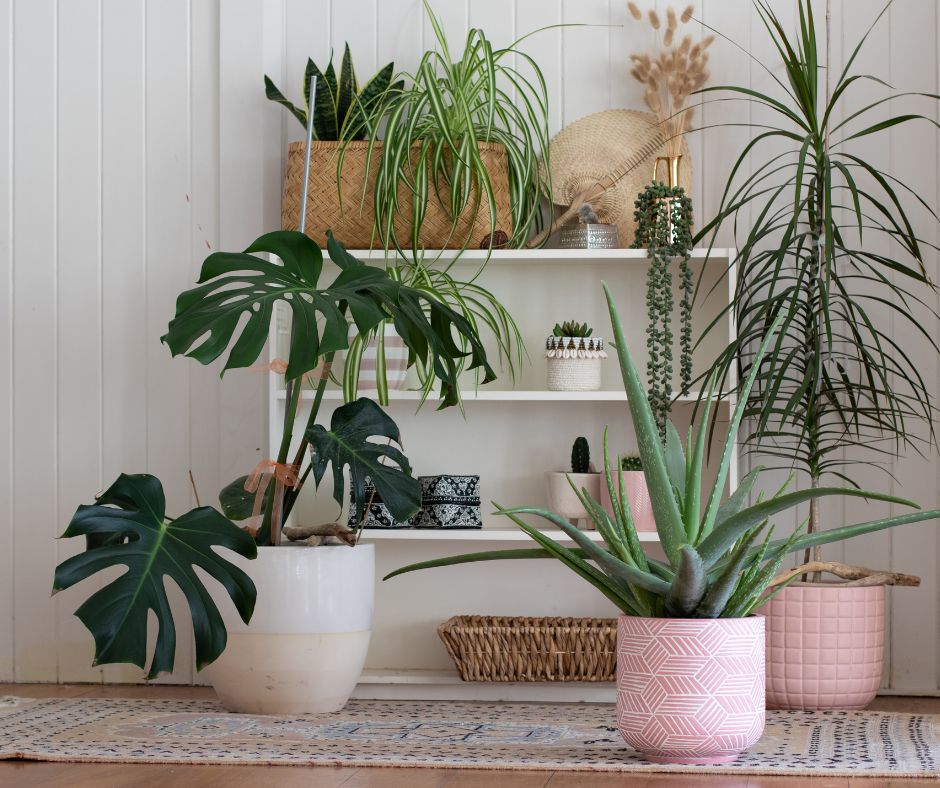
Consider your home’s aesthetic when selecting pots. Minimalist spaces often benefit from clean-lined ceramic pots in neutral colors. Bohemian interiors can handle more textural variety.
Think woven baskets, colorful ceramics, or vintage finds. Modern farmhouse styles pair beautifully with terracotta or galvanized metal containers.
Color Coordination
Neutral pots in white, black, gray, or natural clay tones work with virtually any decor and won’t compete with your plants’ natural beauty. If you want to add color through your containers, consider choosing pots in shades that complement rather than match your room’s color scheme.
Remember that your plant itself is the star. The pot should enhance, not overshadow, the natural beauty of your green friend.
Playing with Height and Groupings
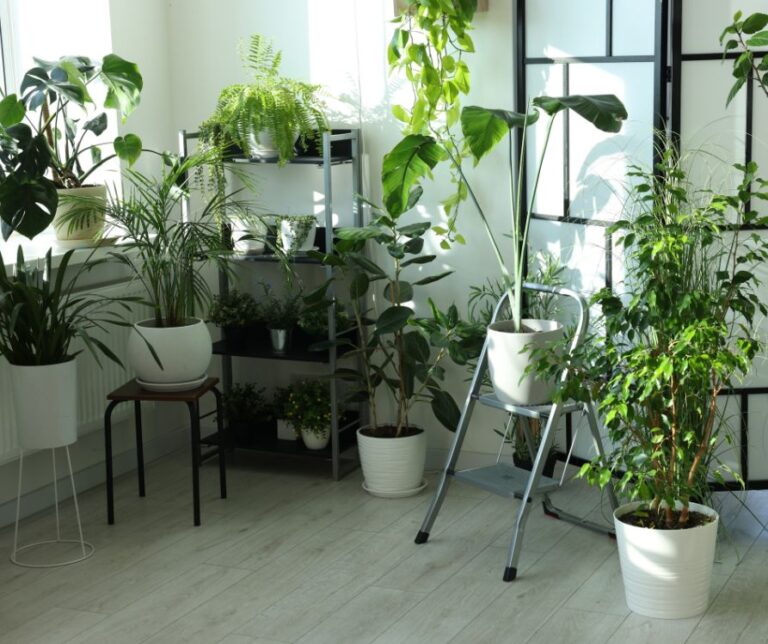
Vary the heights of your plant displays by using pots of different sizes or adding plant stands. Group plants in odd numbers for the most pleasing visual arrangement, and don’t be afraid to mix pot styles within the same space. Just maintain some common element, like color or material, to tie the look together.
Finding Your Perfect Match
Choosing the right pot for your indoor plants doesn’t have to feel overwhelming. Focus on your plant’s specific needs first. Does it prefer moist or dry conditions? How fast does it grow? Then consider practical factors like drainage and size before moving on to aesthetic preferences.
Remember that you don’t need to get everything perfect immediately. Part of the joy of plant parenthood is learning as you go and adjusting your approach based on what you observe.
Start with the basics like adequate drainage, appropriate size, and suitable material for your plant’s needs, and let your confidence grow along with your plants.
Your indoor garden is a reflection of your personal style and care. With the right pots supporting healthy growth, you’ll create a thriving green space that brings you joy for years to come.
Visit the Garden Resources page for supplies and inspiration. Don’t forget to subscribe to the Calendula’s Garden Newsletter for more gardening tips.
Calendula’s Garden is reader supported. When you buy through links on our site, we may earn an affiliate commission. As an Amazon Associate, I earn from qualifying purchases. For more information, view our Disclaimer page. Thank you!