Choosing the Best Lime Tree for Your Garden
Calendula's Garden is reader suported This post may contain affiliate links, more on our Disclaimer page. Thank you!
When it comes to choosing the right lime tree for your garden, there are a few things you need to consider. Each type of lime tree has its own benefits, and knowing which one is best for your needs can make all the difference. In addition, proper care is essential if you want your lime tree to thrive.
This guide will cover all the basics of choosing, planting, and caring for a lime tree and offer some helpful tips on pruning and harvesting your crop.
Finally, we’ll provide some useful information on uses for limes other than eating them, as well as common problems that can occur with lime trees and how to solve them.

Lime Tree Characteristics Table
| Characteristic | Description |
| Common Name | Lime (Key Lime, Persian Lime) |
| Botanical Name | Citrus aurantiifolia (Key Lime), Citrus latifolia (Persian Lime) |
| Plant Type | Evergreen fruit tree |
| USDA Hardiness Zones | Zones 9–11 (highly sensitive to frost; requires protection below 32°F/0°C) |
| Mature Height | 6 to 15 feet (standard); 4 to 8 feet (dwarf varieties) |
| Mature Spread | 6 to 15 feet (depending on variety and pruning) |
| Light Requirements | Full sun (at least 6–8 hours of direct sunlight daily for healthy growth and fruit production) |
| Moisture Requirements | Moderate to high; requires consistent watering, especially during dry spells and fruit development. Soil must be well-drained to prevent root rot. |
| Soil Preference | Well-draining, sandy loam rich in organic matter; slightly acidic pH (6.0–6.5) |
| Bloom Time | Can bloom year-round in warm climates, with peak flowering typically in spring |
| Harvest Time | Year-round in tropical climates; typically late summer to early winter in cooler regions |
What to Consider When Choosing a Lime Tree
When choosing a lime tree for your backyard, there are a few things to consider. Firstly, what type of lime do you want? There are many types of limes- the Key lime, Bearss lime, Australian Finger Lime, and Kaffir Limes to name a few.
Secondly, consider the climate in your area. Lime trees thrive in warm, humid climates and need acidic soil to grow well. If you live in an area with cold winters, you will need to choose a hardy tree to survive the cold weather.
Finally, think about the size of your backyard. Lime trees can get quite large, so if you have a small space, you may want to choose a dwarf variety. With these considerations in mind, you should be able to find the perfect lime tree for your backyard.
To learn more about more interesting varieties of citrus and other subtropical plants you can grow in your garden check out: Growing Tasty Tropical Plants in Any Home, Anywhere: (like lemons, limes, citrons, grapefruit, kumquats, sunquats, tahitian oranges, barbados … black pepper, cinnamon, vanilla, and more…)
Where to find seeds, plants, and supplies:
Popular Lime Tree Varieties
Key Limes
Key limes are also known as Mexican limes. Key limes are small, tart citrus fruit that is used in many dishes and drinks. The most common use for key limes is in Key lime pie, a dessert that originated in Florida.
The unique flavor of key lime juice also makes it a popular ingredient in cocktails, such as the classic “key lime martini.”
Key limes are believed to have originated in Southeast Asia and are commonly used in Thai, Vietnamese, and Malaysian cuisine. In addition to their culinary uses, key limes have also been used for centuries as a natural remedy for digestive problems and colds.
The high Vitamin C content of key limes makes them an effective way to boost immunity and fight off infection. So whether you’re making a delicious dessert or sipping on a refreshing cocktail, key limes are a versatile fruit that can add some zest to your life.
Persian Limes
Persian, also known as Bearss or Tahiti limes, are seedless and have thin skin, making them ideal for juicing. Persian limes are a fragrant and juicy variety of lime that is prized for their tart flavor.
While they can be used in any dish that calls for lime juice, they are particularly well-suited for salads, salsas, and marinades.
Persian limes are also a popular ingredient in cocktails. In addition to their culinary uses, Persian limes have a number of other applications.
The oil from the peel can be used to make soap and perfume, and the juice can be used as a natural cleaning agent. Persian limes are also an excellent source of Vitamin C, making them a valuable addition to any diet.
Australian Finger Limes

Finger limes are a unique citrus fruit that is native to the rainforests of Queensland. The fruits are small, elongated, and have a thin, wrinkled skin that is green when ripe. Inside the skin is a translucent pulp that is filled with small, round seeds.
When eaten, the pulp pops in your mouth and releases a tart, tangy juice.
Due to their unusual flavor and texture, Australian finger limes are often used in culinary dishes as a garnish or flavoring agent. They can also be candied or made into marmalade.
In addition to their use in food, Australian finger limes have also been used in cosmetics and skincare products due to their high content of vitamin C.
There are many fun ways to use Australian finger limes. They make a great garnish for cocktails and can also be used as a unique topping for salads or fish dishes.
You can also use them in place of traditional lime juice in recipes. For something really different, try making a finger lime caviar. This dish is made by extracting the tiny pulp balls from the fruit and combining them with vinegar, salt, and pepper. It makes a delicious and unusual condiment that is perfect for serving with grilled meats or vegetables.
Kaffir Limes

Kaffir limes are a type of citrus fruit that is often used in Southeast Asian cuisine. The fruit is small and round, with rough, bumpy skin. The inside of the fruit is divided into segments, each of which contains a lot of seeds.
The flesh of the kaffir lime is very aromatic and tart, and it is used to add flavor to curries, soups, and other dishes. The peel of the fruit is also used in some recipes.
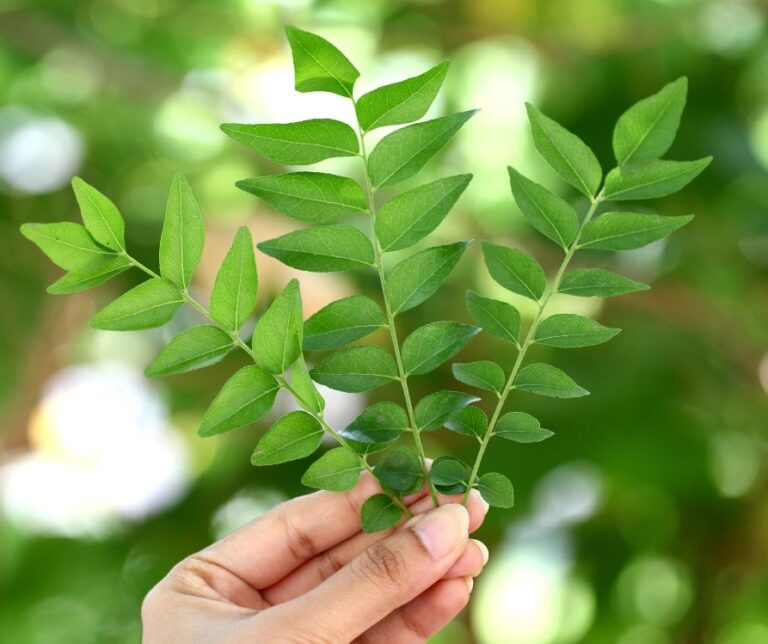
Kaffir lime leaves are also widely used in cooking and have a strong citrus flavor. In Thailand, kaffir lime leaves are often used to flavor soups and curries. The zest of the fruit is also used to add a fresh citrus flavor to dishes.
In addition to their culinary uses, kaffir limes are also traditionally used for their medicinal properties. The juice of the fruit is thought to be helpful in treating indigestion, and the leaves are sometimes used as a remedy for colds and flu.
The oil from the peel is said to have antiseptic and antibacterial properties, and it is sometimes used to treat skin conditions and wounds.
Benefits of Growing Lime Trees
Fresh limes are a delicious and healthy addition to any meal, and what could be more convenient than having your own lime tree right in your backyard? Growing your own lime tree has many benefits.
For one thing, you can be sure that the fruit is pesticide-free. In addition, home-grown limes are often sweeter and more flavorful than store-bought limes.
Lime trees are also relatively low-maintenance; they prefer full sun but can tolerate partial shade and need little pruning or fertilizing once they are established. And, of course, lime trees are simply beautiful to look at.
Their glossy green leaves and fragrant blossoms can add a touch of elegance to any garden. With a little care and attention, your lime tree will provide you with an abundance of fresh fruit for years to come.
How to Care for Your Lime Tree
A lime tree can add a touch of tropical flair to any backyard, and with proper care, it can produce an abundance of fragrant fruit. Caring for a lime tree is relatively easy and can produce an abundance of fruit.
The first step is to choose a location that receives full sun and has well-drained soil. They should be watered deeply and regularly, especially during the hot summer months.
Fertilize your lime tree twice a year, in spring and fall, with a fertilizer that is high in nitrogen. Down to Earth Organic Citrus Fertilizer always produces excellent results.
Pruning and Harvesting
Spring is the perfect time to prune your backyard lime tree. The weather is warm but not too hot, and the tree is just starting to bud. Pruning in spring helps encourage new growth, so you can expect your tree to produce more fruit in the coming season.
It’s important to prune selectively, as lime trees can easily be damaged. Remove any dead or diseased branches. Additionally, any branches that are crossing or rubbing against each other should be trimmed back.
You can also trim back any overgrown branches to promote airflow and prevent the spread of disease. Prune your lime tree annually to encourage new growth and promote fruit production.
Troubleshooting Problems

Just like any other type of tree, lime trees can be affected by pests and diseases. Some of the most common problems include scale insects, aphids, and mealybugs.
These pests can suck the sap out of the leaves, causing them to turn yellow and eventually die. As for diseases, lime trees are susceptible to fungal diseases like Alternaria, which can cause black spots on the leaves.
Other problems include anthracnose and brown rot.
Fortunately, you can do a few things to prevent these problems from occurring. First, make sure to plant your tree in an area that gets plenty of sunlight and has well-drained soil.
Also, regularly inspect your tree for signs of pests or disease and take action immediately if you see anything suspicious. You can keep your lime tree healthy and free from pests and diseases with a little care.
As any gardener knows, pests and diseases can quickly ruin a lime tree’s fruit crop. However, there are a number of natural treatments that can help to keep these problems at bay. For example, neem oil is a popular choice for treating scale insects, mealybugs, and mites.
To use, simply mix a small amount of neem oil with water and spray it on the affected areas of the tree. Another effective treatment is horticultural oil, which can be used to control aphids, whiteflies, and other small insects.
Horticultural oil works by suffocating the pests, so applying it thoroughly and carefully is important to avoid harming beneficial insects such as ladybugs.
Finally, copper sulfate can be used to treat fungal diseases such as rust and mildew. Copper sulfate works by preventing the fungi from growing and spreading, so it is important to apply it early in the season before the disease has a chance to take hold.
By following these simple tips, gardeners can protect their lime trees from pests and diseases without resorting to harmful chemicals.
Uses for Limes Other Than Eating Them
While most people think of limes as delicious citrus fruit, there are actually many other uses for these little green fruits. For example, limes can be used as a natural cleaning agent.
The acid in lime juice can help to break down dirt, grime and grease, making it an ideal choice for cleaning tough stains.
Lime juice can also be used to remove mineral deposits and soap scum. In addition, limes can be used as a natural air freshener.
Simply cut a lime in half and place it in a bowl of water. The citrusy scent will help to freshen up any room in your home.
In addition, lime juice is often used as a natural insect repellent and can also treat poison ivy rash. Limes are also a popular ingredient in many cosmetics and skincare products, as their high acidity helps to exfoliate skin and improve complexion.
So the next time you have a few limes on hand, don’t just eat them – put them to work!
FAQs About Lime Trees
If you’re thinking about planting a lime tree, you probably have some questions. Here are a few of the most frequently asked questions about lime trees:
What type of soil do they need?
Lime trees prefer sandy, acidic, well-draining soil.
How much water do they need?
They should be watered regularly, especially during dry periods. However, be careful not to over-water them, as this can lead to problems with root rot.
How much sun do they need?
They need full sun for the best results. However, they can also tolerate partial shade. In a very hot climate, they will appreciate afternoon shade.
What type of fertilizer do they need?
A balanced fertilizer is best for lime trees. Apply it according to the package directions.
When is the best time to plant them?
The best time to plant lime trees is in the spring or fall. Avoid planting them during the hot summer months.
How long do they take to fruit?
A lime tree can take up to 3 years to produce fruit.
Lime Tree Resources
Growing Tasty Tropical Plants in Any Home, Anywhere: (like lemons, limes, citrons, grapefruit, kumquats, sunquats, tahitian oranges, barbados … black pepper, cinnamon, vanilla, and more…) by Byron E. Martin and Laurelynn G. Martin
Down to Earth Organic Citrus Fertilizer
So if you’re looking for a versatile fruit tree that can be used for a variety of purposes, a lime tree may be the perfect choice for your garden. With a little bit of care and maintenance, you can keep your lime tree healthy and free from pests and diseases. And who knows – you may just find yourself with an abundance of delicious limes to enjoy!
Visit the Garden Resources page for supplies and inspiration. Don’t forget to subscribe to the Calendula’s Garden Newsletter for more gardening tips.
Calendula’s Garden is reader-supported. When you buy through links on our site, we may earn an affiliate commission. As an Amazon Associate, I earn from qualifying purchases. For more information, view our Disclaimer page.