How I Finally Softened My Dry, Cracked Feet Using Only Kitchen Ingredients
Calendula's Garden is reader suported This post may contain affiliate links, more on our Disclaimer page. Thank you!
Quick answer: Dry feet can often be softened naturally using ingredients like coconut oil, honey, avocado, oatmeal, and aloe vera, which hydrate skin and support the natural moisture barrier. Combined with gentle exfoliation, proper hydration, and the right footwear, most people see noticeably softer feet within one to two weeks of consistent care.
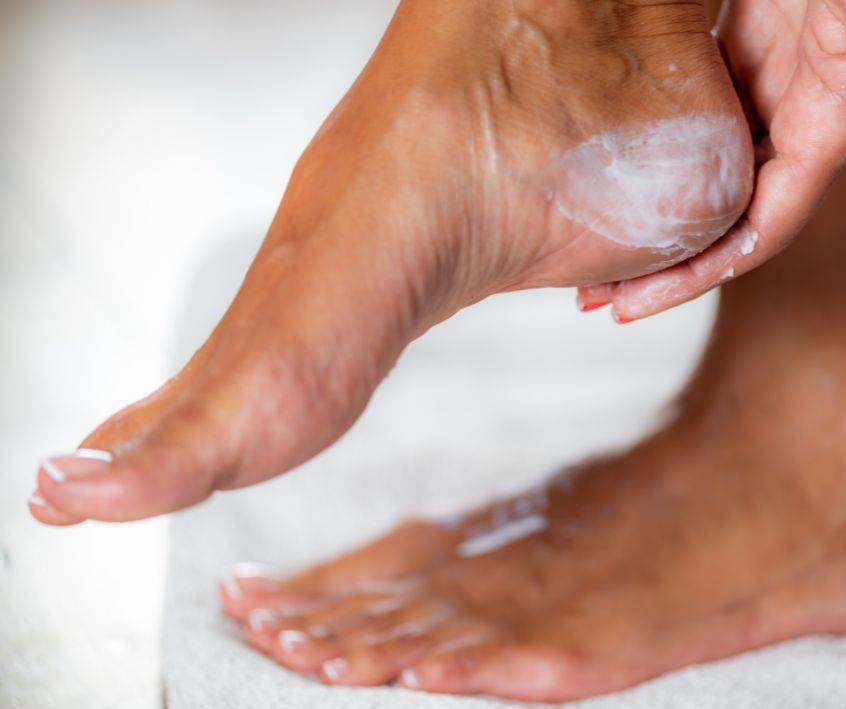
Last winter, I looked down at my feet while slipping on sandals for a weekend trip and felt genuinely embarrassed. My heels were cracked, my skin was flaky, and no amount of lotion seemed to help.
I tried three different drugstore creams in a single month, and while they offered temporary relief, the dryness always crept back within days.
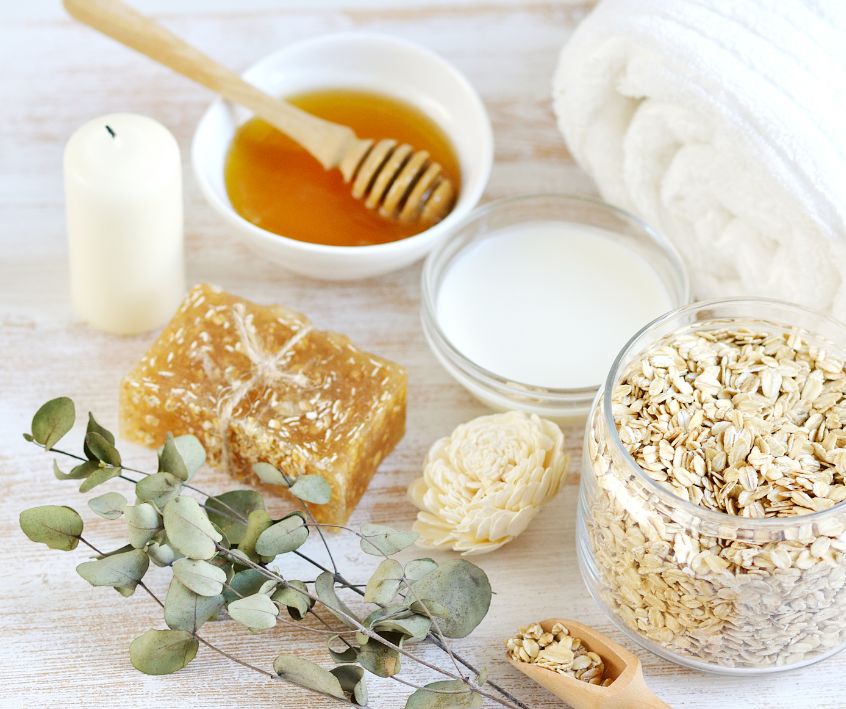
That frustration sent me down a rabbit hole of research, and eventually, into my own kitchen. I started experimenting with natural ingredients I already had on hand, things like honey, oats, and avocado, and within two weeks, my feet felt softer than they had in years.
Dry feet are incredibly common. Cold weather, long hours on your feet, aging skin, and even the wrong pair of shoes can all strip away moisture faster than your skin can replace it.
The good news is that nature already provides many of the tools we need to restore that moisture, often more gently and affordably than commercial products.
In this guide, I will walk you through what actually causes dry feet, the science behind why natural ingredients work so well, and five simple recipes you can make at home this week.
I will also share daily habits that help maintain soft feet long term, plus guidance on when it might be time to see a professional instead of reaching for another home remedy.
What Causes Dry, Cracked Feet in the First Place?
Before we get to the fun part (the recipes), it helps to understand what is actually happening to your skin.
Several factors contribute to dry feet, and most of us are dealing with more than one at a time:
- Climate: Cold, dry air pulls moisture from your skin, while low humidity indoors during winter months (thanks to heaters) makes things worse.
- Age: As we get older, our skin produces less natural oil, making it harder to retain moisture on its own.
- Lifestyle: Standing for long periods, walking barefoot on hard surfaces, or spending a lot of time in chlorinated pools can all dry out the skin on your feet.
- Footwear choices: Open backed shoes, flip flops, and poorly fitted shoes create friction and expose your skin to the elements, speeding up moisture loss.
Why Do Commercial Products Sometimes Fall Short?
I used to assume that if a lotion was sold in a pharmacy, it must work better than anything I could make at home.
That is not always true. Many commercial foot creams contain alcohol based ingredients or synthetic fragrances that can actually dry out sensitive skin further, especially with repeated use.
Some also rely on petroleum based moisturizers that sit on top of the skin rather than absorbing into it, which can leave feet feeling greasy without truly softening the deeper layers.
The Benefits of Using Natural Ingredients From Your Kitchen
Natural ingredients like coconut oil, honey, and shea butter have been used for skin care for centuries, and for good reason.
They tend to be rich in fatty acids, antioxidants, and humectants (ingredients that attract and lock in moisture).
Best of all, they are gentle enough for daily use, affordable, and you likely already have several of them in your pantry right now.
How Do Natural Oils and Ingredients Actually Soften Skin?
This is where things get interesting. Your skin has a protective outer layer called the stratum corneum, which is made up of skin cells held together by lipids (fats).
When this layer loses moisture, cracks begin to form, which is what causes that rough, flaky texture we associate with dry feet.
Natural oils like coconut oil and olive oil contain fatty acids that closely resemble the lipids already found in your skin.
This allows them to penetrate more effectively than many synthetic moisturizers, helping to repair the skin barrier from within rather than simply coating the surface.
Why Hydration and Moisture Retention Matter for Feet
Softening your feet is not just about applying moisture; it is about helping your skin retain it. Ingredients like honey and aloe vera are natural humectants, meaning they draw water into the skin and help keep it there.
Your Complete Guide to Growing Happy Aloe Vera Plants
Pairing a humectant (like honey) with an emollient (like shea butter) creates a one two punch: one ingredient pulls moisture in, while the other seals it inside.
The Role of Exfoliation in Preparing Feet for Softening Treatments
Here is something I wish I had known sooner: even the best moisturizer struggles to work through a thick layer of dead skin.
Gentle exfoliation, using something like an oatmeal scrub, removes that buildup so the nourishing ingredients in your treatments can actually reach the living skin underneath.
I now exfoliate my feet once or twice a week, and I noticed my other treatments started working much faster once I added this step.
5 Natural Foot Softening Recipes You Can Make Tonight
These are the exact recipes I rotate through each week. None of them require fancy equipment, and most take less than 20 minutes.
Recipe 1: Coconut Oil and Honey Foot Soak
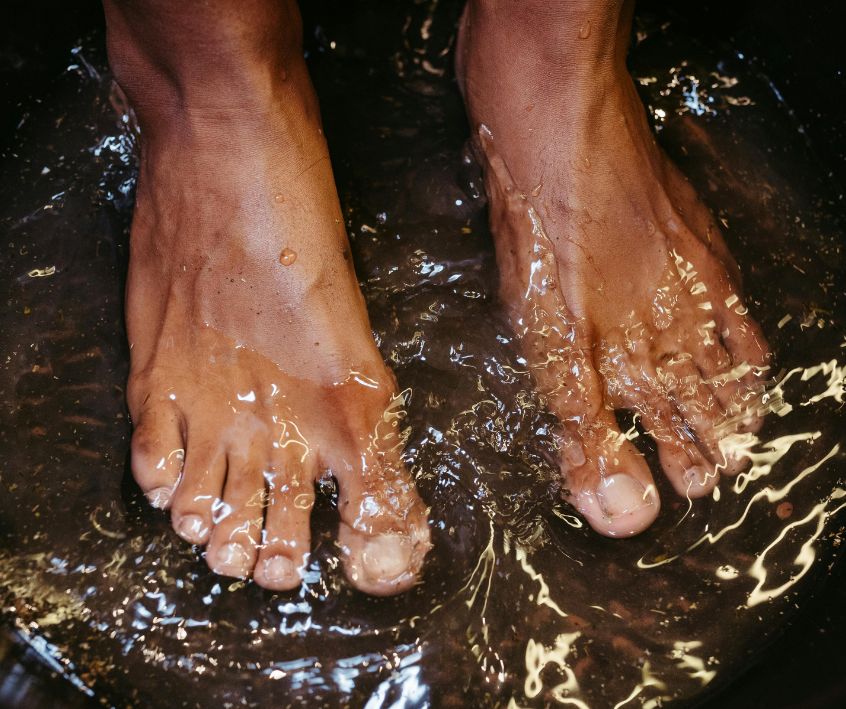
Mix two tablespoons of raw honey with one tablespoon of melted coconut oil in a basin of warm water. Soak your feet for 15 to 20 minutes, then pat dry. Honey’s antibacterial properties make this a great choice if your dry skin is prone to small cracks or irritation.
Viva Naturals Organic Coconut Oil
Recipe 2: Avocado and Olive Oil Foot Mask
Mash half a ripe avocado with one tablespoon of olive oil until smooth. Apply generously to clean, dry feet and leave on for 15 minutes before rinsing with warm water. Avocado is rich in vitamins A and E, both of which support skin repair.
Pompeian Robust Organic Extra Virgin Olive Oil
Recipe 3: Shea Butter and Lemon Foot Balm
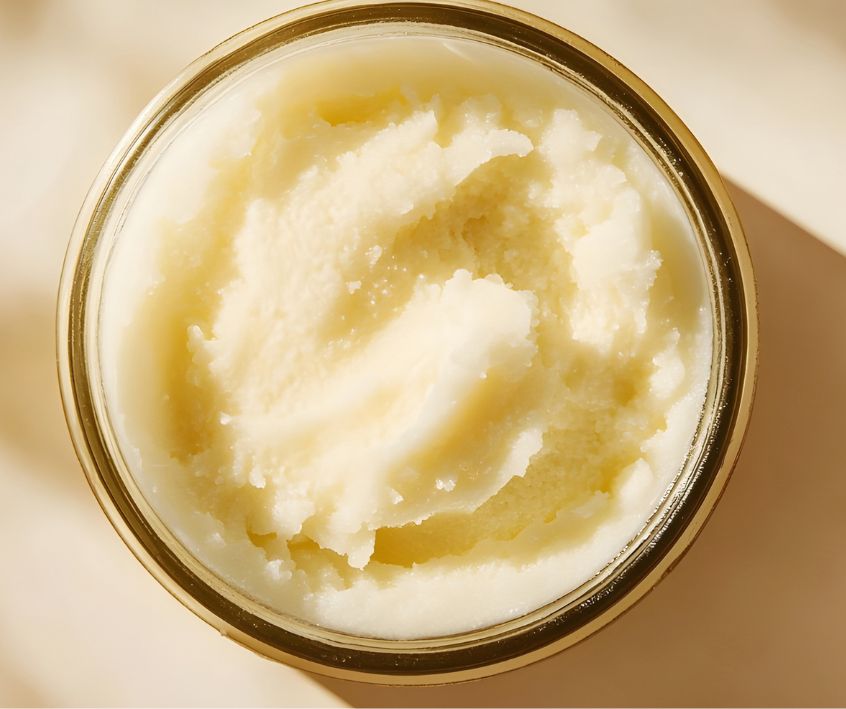
Melt two tablespoons of shea butter and mix in a few drops of fresh lemon juice. Let it cool slightly before massaging into your feet, focusing on the heels. The lemon helps brighten rough patches, while shea butter deeply moisturizes.
Raw Shea Butter – 100% Pure Unrefined African Shea Butter, 8 oz Block
Recipe 4: Oatmeal and Milk Foot Scrub
Combine half a cup of ground oatmeal with enough whole milk to form a paste. Gently massage this mixture into your feet for two to three minutes to exfoliate, then rinse. This is my go to recipe before applying any of the other treatments, since it preps the skin so well.
Recipe 5: Aloe Vera and Vitamin E Foot Treatment
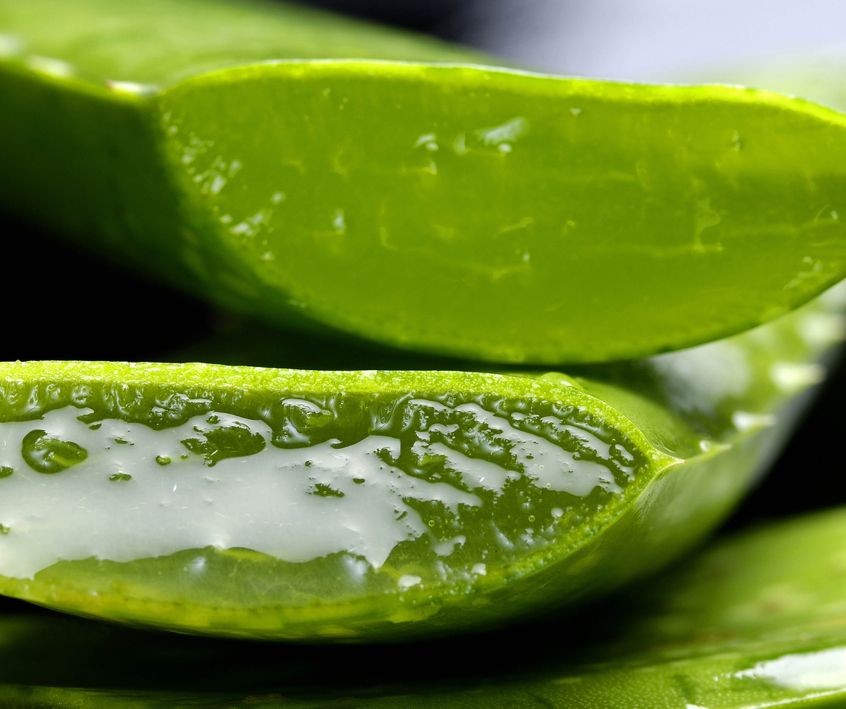
Mix two tablespoons of pure aloe vera gel with the contents of one vitamin E capsule. Apply before bed and cover your feet with soft socks overnight. I use this one most often during winter, since it leaves my feet noticeably softer by morning.
Seven Minerals Pure Aloe Vera Gel
Solgar Vitamin E 670 mg (1000 IU)
If you don’t have time to make your own mask, try Calendula Bath and Home Lavender Body Butter, a rich moisturizer made with Cocoa Butter, Shea Butter, Mango Butter, Avocado Oil, Apricot Kernel Oil, Lavender Essential Oil, Vitamin E Oil, and no drying artificial ingredients.
What Daily Habits Help Keep Feet Soft Between Treatments?
Treatments alone will only get you so far. The habits you practice every day matter just as much, if not more.
Hydration and Diet Tips That Support Skin Health
Drinking enough water throughout the day supports skin hydration from the inside out.
9 Simple Foods That Help With Hydration
I also noticed a difference when I added more healthy fats to my diet, like those found in nuts, seeds, and fish, since these support the skin’s natural barrier function.
Choosing the Right Footwear to Prevent Dryness
Shoes that fit well and allow your feet to breathe make a real difference.
I switched to socks made from natural fibers like cotton and started avoiding tight, synthetic shoes for long stretches, since they tend to trap moisture and irritate the skin.
Simple Daily Routines to Keep Feet Soft
A short nightly routine goes a long way. I apply a small amount of coconut oil to my feet every night before bed and put on soft socks to lock in the moisture while I sleep.
It takes less than two minutes and has made the biggest difference in my overall results.
When Should You See a Professional About Dry Feet?
Natural remedies work wonderfully for everyday dryness, but it is important to recognize when something more serious might be going on.
Signs That Dry Feet May Indicate a Larger Health Issue
If your feet are cracking deeply, bleeding, or not improving despite consistent care, this could be a sign of an underlying condition like eczema, psoriasis, or diabetes related skin changes.
Persistent dryness paired with numbness, discoloration, or swelling should never be ignored.
When Dermatologist Consultation Is Recommended
If you notice any of the signs above, or if your dry skin is not responding to home treatments after a few weeks, it is worth scheduling an appointment with a dermatologist or podiatrist.
They can rule out underlying conditions and recommend treatments suited to your specific skin.
How Natural Remedies Complement Professional Care
Even if you do need professional treatment, natural remedies like the ones shared here can still play a supporting role.
Many dermatologists actually recommend ingredients like coconut oil and aloe vera alongside prescribed treatments, since they are gentle and support overall skin health.
Start With One Recipe and Build From There
Soft, healthy feet are absolutely achievable, and you do not need an expensive skincare routine to get there.
Of the five recipes I shared, the coconut oil and honey soak and the nightly moisturizing routine made the biggest difference for me personally, but I encourage you to experiment and see what your skin responds to best.
My advice is to pick just one recipe and commit to it for the next two weeks.
Pair it with a simple daily habit, like applying moisturizer before bed, and pay attention to how your feet feel and look along the way. Healing takes a little patience, but with consistency, soft feet are well within reach.
Frequently Asked Questions About Softening Dry Feet Naturally
How long does it take to soften dry feet naturally?
Most people notice softer skin within one to two weeks of consistent treatment, especially when combining exfoliation with a moisturizing soak or mask a few times per week. Severe cracking may take longer and benefit from daily care.
What is the most effective natural ingredient for dry feet?
Coconut oil is one of the most effective natural ingredients, since its fatty acids closely resemble the skin’s own lipids, allowing it to absorb deeply and help repair the skin barrier. Honey and shea butter are also excellent for locking in moisture.
Can I use these natural remedies if I have cracked heels?
Yes, many of these recipes, especially the coconut oil and honey soak, can help soften cracked heels. However, if cracks are deep, painful, or bleeding, it is best to consult a dermatologist before continuing home treatment.
How often should I exfoliate my feet?
Exfoliating once or twice a week is generally enough for most people. Over exfoliating can actually irritate the skin and worsen dryness, so it is best to pair gentle exfoliation with regular moisturizing rather than exfoliating daily.
Are natural remedies a replacement for professional foot care?
Natural remedies work well for everyday dryness, but they are not a replacement for professional care if you have an underlying skin condition or health issue like diabetes.
In these cases, natural ingredients can complement, rather than replace, treatment from a dermatologist or podiatrist.
Visit the Garden Resources page for supplies and inspiration. Don’t forget to subscribe to the Calendula’s Garden Newsletter for more gardening tips.
Calendula’s Garden is reader supported. When you buy through links on our site, we may earn an affiliate commission. As an Amazon Associate, I earn from qualifying purchases. For more information, view our Disclaimer page. Thank you!