Growing Refreshing Lemon Verbena Herb
Calendula's Garden is reader suported This post may contain affiliate links, more on our Disclaimer page. Thank you!
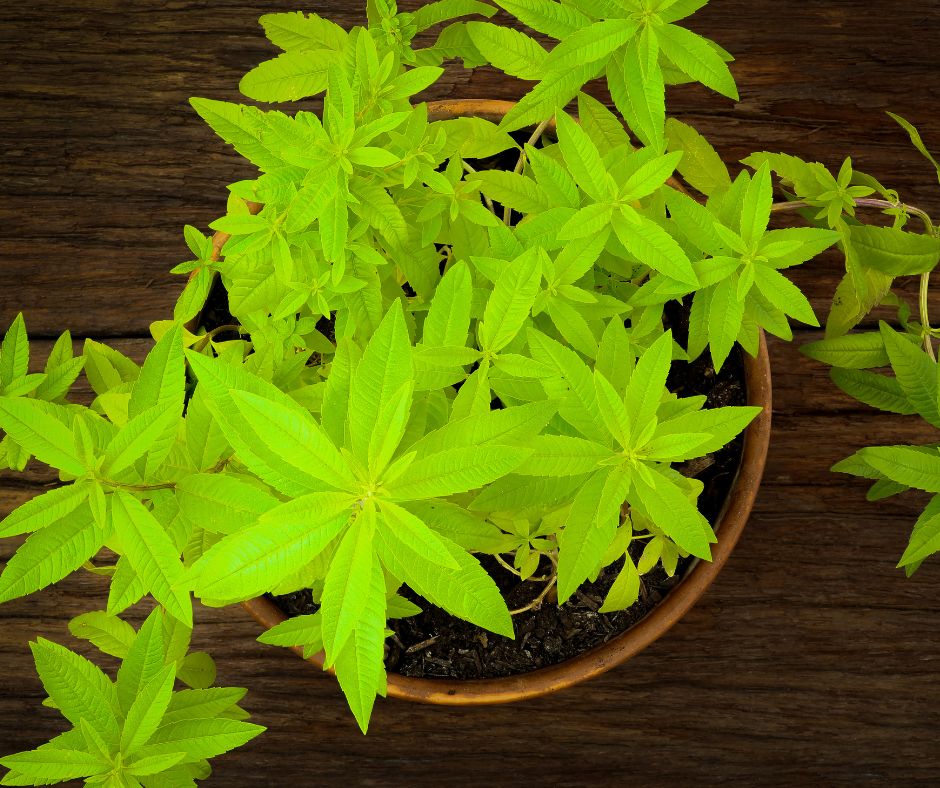
Lemon verbena (Aloysia citrodora) is a fragrant, versatile herb native to South America. Known for its bright, lemony aroma and delicate leaves, this plant is a favorite among gardeners, chefs, and herbalists alike.
Its refreshing scent and flavor make it a perfect addition to teas, cocktails, and culinary dishes, while its medicinal properties offer numerous health benefits. In this guide, we’ll explore how to successfully grow lemon verbena in your garden and containers, along with its companion planting options and wellness advantages.
Growing in the Garden
To thrive outdoors, lemon verbena prefers well-draining soil and full sun exposure (at least 6 hours per day). Amend your garden soil with organic matter like compost or well-rotted manure to improve its structure and fertility.
Water your lemon verbena regularly, especially during dry spells, but avoid overwatering as this can lead to root rot. Apply a balanced, organic fertilizer every 4-6 weeks during the growing season to support healthy growth.
Prune your lemon verbena plant regularly to encourage bushy growth and prevent it from becoming leggy. Trim back the stems by about one-third in early spring and pinch off the growing tips throughout the season to promote branching.
Where to find seeds, plants, and supplies:
Companion Planting
Lemon verbena makes an excellent companion plant for many herbs and vegetables. Its strong aroma can help repel pests, while its attractive foliage adds visual interest to your garden. Some ideal companions include:
Growing in Containers
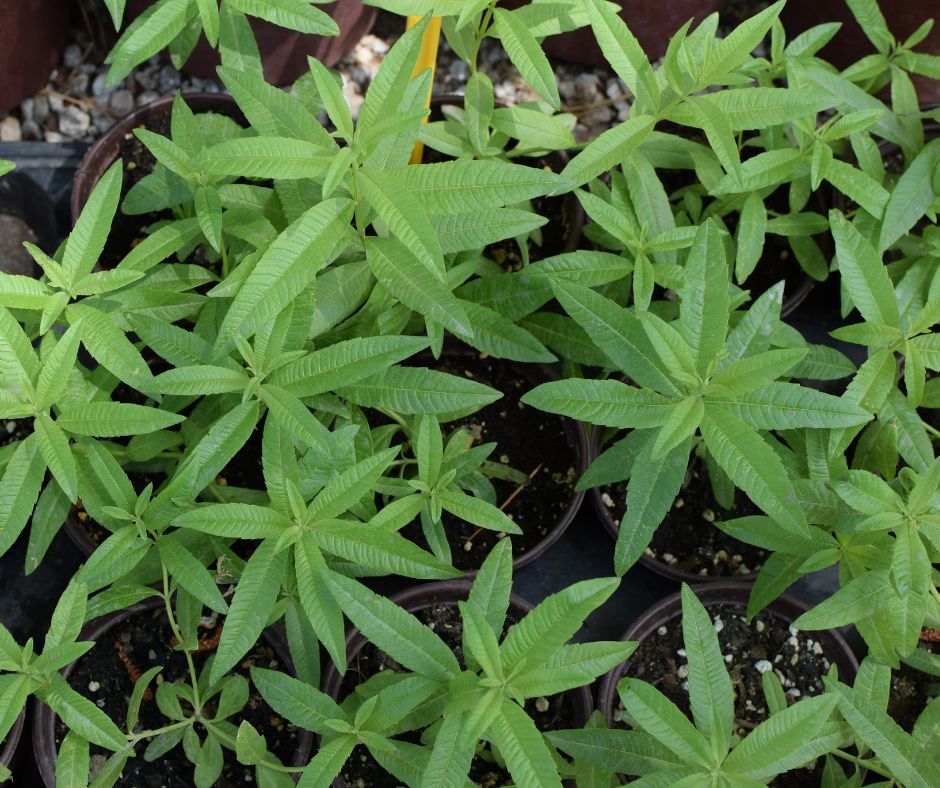
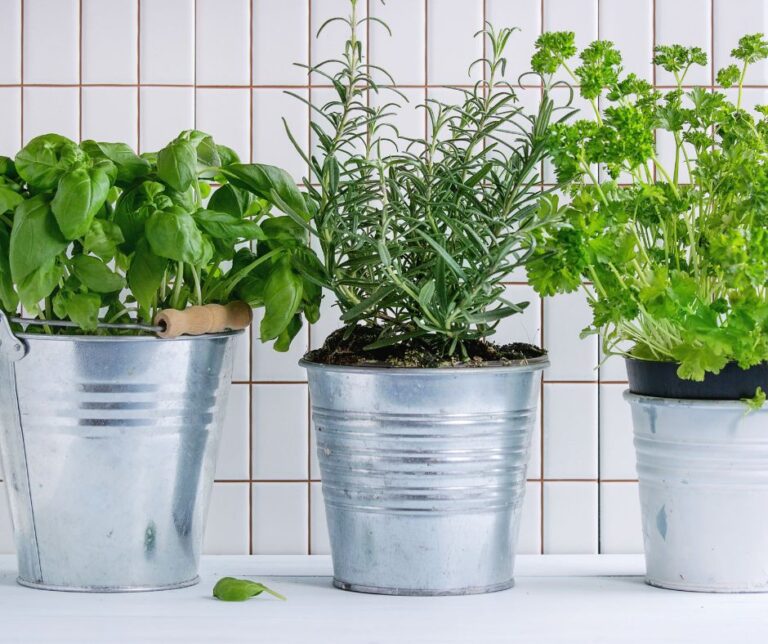
If you have limited garden space or live in a colder climate, growing lemon verbena in containers is an excellent option. Choose a pot at least 12 inches in diameter with adequate drainage holes. Fill the container with a high-quality, well-draining potting mix.
Water your potted lemon verbena when the top inch of soil feels dry to the touch, and be sure to empty any excess water from the saucer to prevent root rot. Fertilize every 2-3 weeks with a balanced, water-soluble fertilizer diluted to half-strength.
Regularly pinch back the growing tips to encourage business, and prune the plant more heavily in early spring to maintain its shape and size.
Creating a Secluded Oasis with a DIY Edible Living Wall for Privacy
Using Lemon Verbena in the Kitchen and Home

Lemon verbena’s bright, citrusy aroma and flavor make it a versatile ingredient in the kitchen and a refreshing addition to your home environment. Here are some popular ways to use this fragrant herb:
Culinary Uses
- Teas and Beverages: Lemon verbena leaves can be steeped to make a soothing herbal tea. Add fresh leaves to hot water and let steep for 5-10 minutes. This tea can be enjoyed hot or cold. For a summer refreshment, add a sprig to homemade lemonade or cocktails for a zesty twist.
- Culinary Dishes: Finely chop fresh leaves and use them to add a lemony flavor to salads, marinades, sauces, and desserts. Lemon verbena pairs particularly well with fruit salads, seafood, and poultry dishes. Use sparingly, as a little goes a long way.
- Baking: Infuse sugar with lemon verbena leaves by mixing them together and letting it sit for a few weeks. Use this flavored sugar in baking recipes like cookies, cakes, and scones for a subtle hint of lemon.
Home Uses
- Aromatherapy: Lemon verbena’s essential oil can be used in diffusers to fill your home with a refreshing, calming scent. It is known for its stress-relieving properties and can create a serene atmosphere.
- Potpourri and Sachets: Dried lemon verbena leaves can be added to potpourri mixes or placed in sachets. These can be used to scent drawers and closets or placed around the house for a natural, pleasant fragrance.
- Cleaning Products: Make a natural, lemony-scented cleaner by infusing vinegar with lemon verbena leaves. This can be used to clean surfaces, leaving a delightful aroma behind without the harsh chemicals.
Lemon verbena’s multifaceted uses make it a cherished herb in both culinary and home applications, bringing a touch of nature’s freshness into daily life.
Health Benefits of Lemon Verbena
In addition to its culinary uses, lemon verbena offers several health benefits:
- Aromatherapy and Stress Reduction: The soothing aroma of lemon verbena can help alleviate stress and promote relaxation.
- Digestive Health and Weight Management: Lemon verbena tea may aid digestion, relieve bloating, and support weight loss efforts.
- Antioxidant and Anti-inflammatory Properties: The plant contains antioxidants and anti-inflammatory compounds that can help boost immunity and overall health.
Final Tips
Harvesting lemon verbena is best done in the morning when the essential oils are most concentrated. Gently snip the stems, leaving at least two sets of leaves on each branch to encourage regrowth.
If you encounter common growth problems like yellowing leaves or stunted growth, assess your watering, sunlight, and fertilization practices and adjust as needed.
As you explore the joys of growing lemon verbena, don’t hesitate to experiment with different uses and companion planting combinations. This versatile herb is sure to become a treasured addition to your garden and wellness routine.
Visit the Garden Resources page for supplies and inspiration. Don’t forget to subscribe to the Calendula’s Garden Newsletter for more gardening tips.
Calendula’s Garden is reader supported. When you buy through links on our site, we may earn an affiliate commission. As an Amazon Associate, I earn from qualifying purchases. For more information, view our Disclaimer page. Thank you!