Growing Oregano: Planting, Companion Plants, and Health Benefits
Calendula's Garden is reader suported This post may contain affiliate links, more on our Disclaimer page. Thank you!

Oregano, a beloved Mediterranean herb, has been a staple in kitchens worldwide for centuries. Its fragrant leaves add a delightful, earthy aroma and a slightly bitter, pungent taste to various dishes, especially in Italian, Greek, and Mexican cuisines. Beyond its culinary prowess, oregano has a rich history of medicinal uses, making it a valuable addition to any herb garden.
Where to find seeds, plants, and supplies:
Planting Oregano in the Garden
To successfully grow oregano outdoors, it’s essential to provide the right conditions for this hardy herb to thrive.
Ideal Soil Conditions and Location
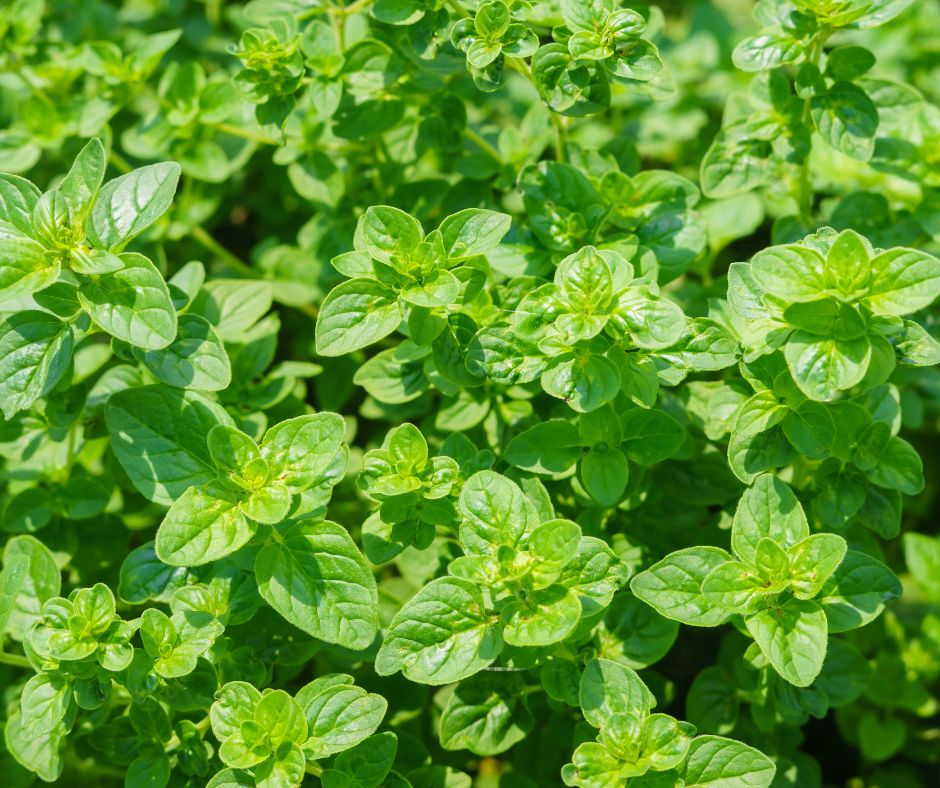
Oregano prefers well-draining soil that’s moderately fertile. It can tolerate slightly alkaline to neutral soil pH levels. Choose a sunny spot in your garden that receives at least 6 hours of direct sunlight daily, as oregano thrives in warm, bright conditions.
Steps for Planting Oregano
- If starting from seeds, sow them indoors 6-8 weeks before the last spring frost. Gently press the seeds into the soil without covering them, as they need light to germinate.
- Alternatively, you can propagate oregano from stem cuttings. Take 3-4 inch cuttings from healthy, established plants and remove the lower leaves. Plant the cuttings in well-draining potting mix and keep them moist until they develop roots.
- Once the risk of frost has passed, transplant your seedlings or rooted cuttings to the garden, spacing them about 8-10 inches apart.
Watering and Maintenance
Oregano is drought-tolerant once established, but regular watering during dry spells will keep the plants healthy and prevent them from becoming woody.
Water deeply but infrequently, allowing the soil to dry out between watering sessions. Prune the plants regularly to encourage bushier growth and prevent them from becoming leggy.
Ditch the Store Bought Herbs: How to Grow Your Own Flavorful Herbs de Provence
Growing Oregano in Containers
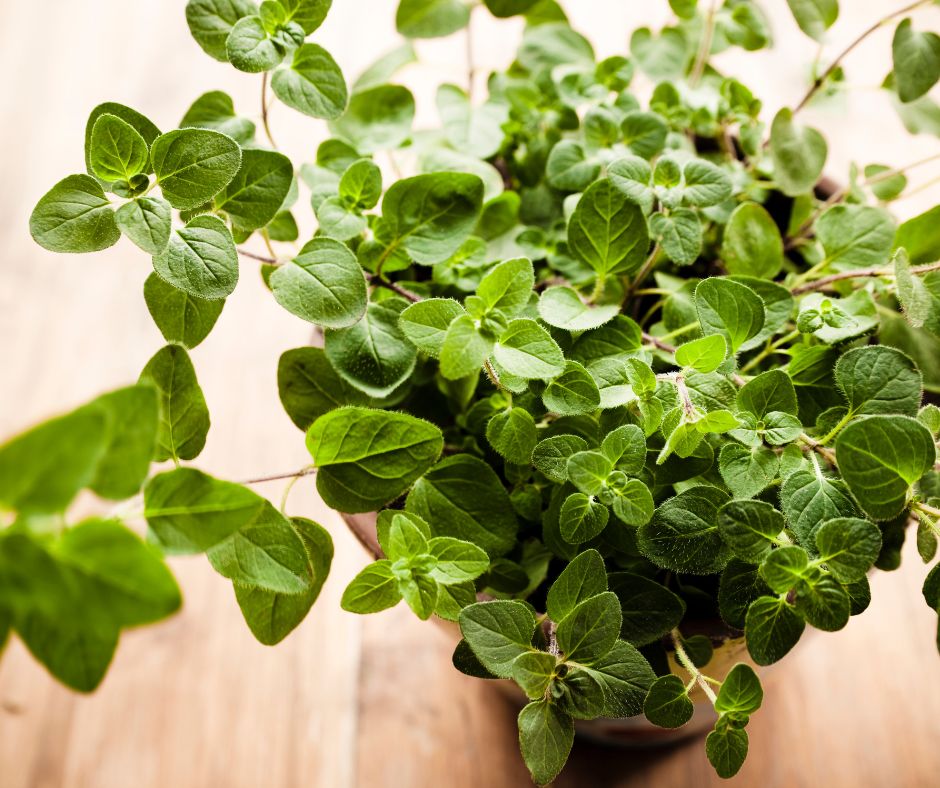
If you have limited garden space or want to keep your oregano close at hand, growing it in containers is a great option.
Choosing the Right Container and Soil
Select a container that’s at least 6 inches deep and has drainage holes to prevent water from accumulating. Use a well-draining potting mix that’s specifically formulated for herbs, or create your own by mixing equal parts potting soil, perlite, and compost.
Transplanting Oregano to a Container
Carefully dig up a portion of an established oregano plant from your garden, ensuring you retain a good root ball.
Place the plant in the prepared container and fill it with potting mix, pressing gently to remove air pockets. Water the plant thoroughly after transplanting.
Watering and Sunlight Requirements
Potted oregano will require more frequent watering than its garden counterpart, as containers tend to dry out faster.
Check the soil moisture daily and water when the top inch feels dry to the touch. Ensure your potted oregano receives at least 6 hours of direct sunlight each day, or consider using grow lights if natural light is limited.
Companion Planting with Oregano
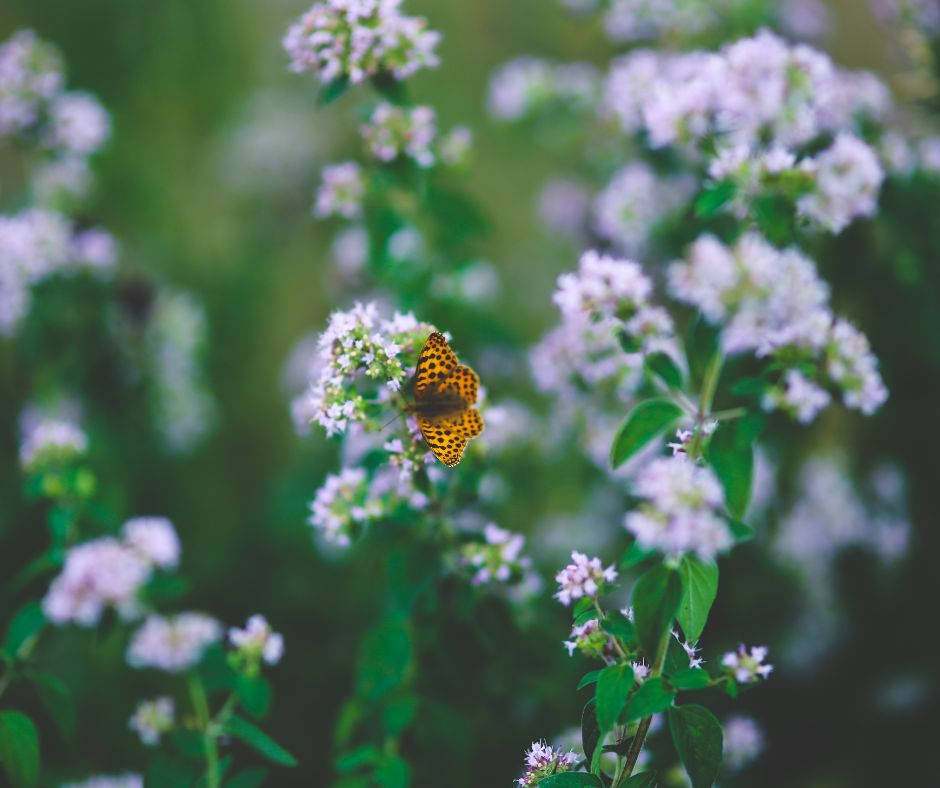
Oregano doesn’t just taste great; it also helps its neighboring plants thrive.
Beneficial Companion Plants
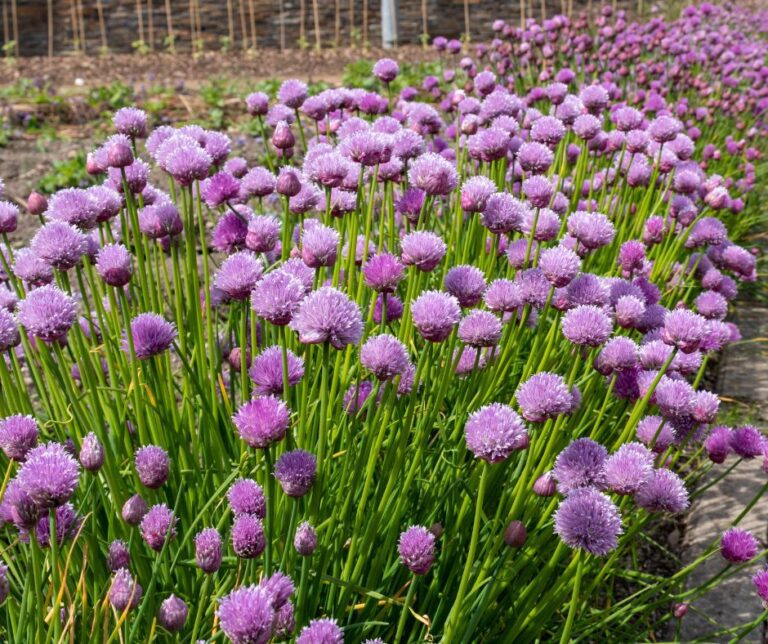
Oregano is a great companion for many vegetables and herbs. It can repel pests like cabbage moths, making it an excellent companion for Brassicas like broccoli, cabbage, and cauliflower. Oregano also enhances the flavor of companion plants like basil, thyme, and chives.
Plants to Avoid
While oregano is generally a friendly companion, it can hinder the growth of some plants. Avoid planting it near cucumbers, as it may stunt their growth.
Similarly, keep oregano away from sweet peppers and eggplants, as it can make them more susceptible to disease.
Health Benefits of Oregano
Oregano isn’t just a flavorful addition to your meals; it also packs a powerful nutritional punch.
Nutritional Content and Health Properties
Oregano is rich in antioxidants, vitamin K, manganese, iron, and calcium. It has antibacterial, antiviral, and anti-inflammatory properties, making it a potent natural remedy for various ailments.
25 Mosquito Repellent Plants for a Bug-Free Haven
Culinary and Medicinal Uses
In the kitchen, oregano is a versatile herb that can elevate the flavors of soups, stews, sauces, and meat dishes.
As a medicinal herb, oregano has been traditionally used to treat respiratory issues, digestion problems, and skin conditions. Oregano oil, in particular, is a potent natural antibiotic and antifungal agent.
6 Science-Based Health Benefits of Oregano
Oregano is a wonderful herb to grow in your garden or in containers, offering both culinary and medicinal benefits. By providing the right growing conditions, using companion planting strategies, and harnessing its health properties, you can make the most of this versatile plant.
Visit the Garden Resources page for supplies and inspiration. Don’t forget to subscribe to the Calendula’s Garden Newsletter for more gardening tips.
Calendula’s Garden is reader supported. When you buy through links on our site, we may earn an affiliate commission. As an Amazon Associate, I earn from qualifying purchases. For more information, view our Disclaimer page. Thank you!