Growing Orange Trees in a Drought: Tips to Keep Your Backyard Orchard Thriving
Calendula's Garden is reader suported This post may contain affiliate links, more on our Disclaimer page. Thank you!
If you’re like most homeowners, you’re always looking for ways to save money on your monthly expenses. One easy way to do that is by growing some of your own food. And what’s better than growing orange trees?
In this post, we’ll give you tips on how to keep your backyard citrus orchard thriving during these tough drought conditions. With a little care and attention, you can enjoy fresh, juicy oranges all year long!
So let’s get started…
Orange Tree Characteristics Table
| Characteristic | Description |
| Common Name | Sweet Orange |
| Botanical Name | Citrus × sinensis |
| Plant Type | Evergreen fruit tree |
| USDA Hardiness Zones | Zones 9–11 (requires protection from frost) |
| Mature Height | 15 to 30 feet (standard); 6 to 10 feet (dwarf varieties) |
| Mature Spread | 15 to 25 feet (standard); 5 to 10 feet (dwarf varieties) |
| Light Requirements | Full sun (requires at least 8 hours of direct sunlight daily for optimal growth and fruit sweetness) |
| Moisture Requirements | Moderate; needs deep, regular watering but allow the topsoil to dry out slightly between waterings. Intolerant of standing water. |
| Soil Preference | Well-drained, sandy loam; slightly acidic to neutral pH (6.0–7.0) |
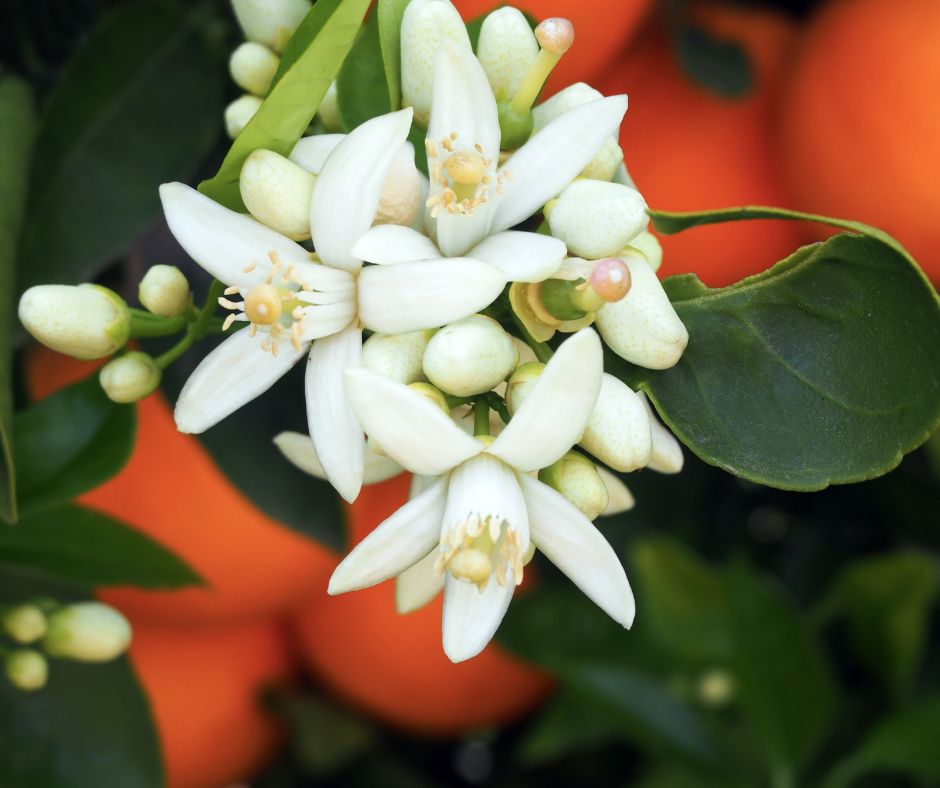
| Bloom Time | Spring (flowers are white and highly fragrant) |
| Harvest Time | Late autumn through spring, depending on the specific variety |
Choose the Right Orange Tree for Your Climate

If you’re looking for an orange tree that can stand up to a dry climate, there are a few different varieties to choose from. Some varieties of citrus are more drought-tolerant than others, so do your research before heading to the nursery.
If you live in a dry climate, you may be wondering which orange varieties are best suited for your region. Luckily, there are a number of different options to choose from. For example, Valencia ‘Delta’ orange is a popular choice for dry climates.
This variety is known for its juicy flesh and sweet flavor and is ready to pick two weeks earlier than other Valencia oranges.
The Navel ‘Cara Cara ‘ orange is another good option for dry regions. This lycopene-rich red flesh variety won’t fade in the late summer heat like blood oranges. This type of orange is easy to peel and has a slightly tart flavor.
Best Evergreen Fruit Trees for Privacy
Arizona Sweets ‘Trovita’ orange trees are great for juicing and eating fresh. This vigorous tree is particularly heat tolerant. It produces high-quality seeded fruit.
If you are like me and like growing out of the ordinary plant varieties, find a spot in your garden for Sour Oranges. While the fruit is too bitter for fresh eating, the rind and juice of ‘Seville’ are the star ingredients in orange marmalade.
Essential oils are also extracted from the leaves, twigs, rinds, and flowers for the perfume and beverage industry! The small dark green leaves and thorny branches make Seville an interesting specimen tree.
Regardless of your taste preference, there is an orange tree variety that will thrive in your dry climate. No matter which variety you choose, you’re sure to enjoy the delicious flavor of fresh-picked oranges.
Where to find seeds, plants, and supplies:
Best Soil for Growing Orange Trees

Once you’ve chosen the right trees for your garden, it’s important to plant them in well-draining soil. Citrus trees don’t like to sit in wet soil, so make sure you amend your soil with sand or gravel to help with drainage.
Growing orange trees can provide you with fresh, juicy oranges for many years to come. If you live in an area with well-draining soil, you’re in luck – orange trees thrive in these conditions.
To ensure that your tree gets off to a good start, follow these steps when planting:
- Choose a spot in your yard that gets plenty of sunlight. Orange trees need at least 6 hours of sunlight per day to produce fruit.
- Prepare the planting hole before adding your tree. The hole should be twice as wide as the tree’s rootball but no deeper.
- Gently remove the tree from its pot and place it in the center of the planting hole. Fill in around the root ball with soil, and then water deeply to settle the roots into their new home.
- Mulch around the base of the tree to help retain moisture and keep weeds at bay. Try to layer your mulch at least 6 inches deep around your tree.
There are a number of things you can do to improve the drainage in your soil. One is to add organic matter, such as compost or peat moss, to the soil surface.
This will help increase the soil’s porosity as the organic matter is broken down by organisms, allowing water to drain through more easily. You can also add perlite or sand to improve drainage.
Mulch Magic: Improving Your Soil Health
Another option is to create raised beds or mounds, which will allow water to drain away from the roots of your plants. Improving the drainage in your soil will help your plants thrive and will also reduce the likelihood of problems such as root rot.
Water Regularly
Orange trees are a beautiful addition to any yard, and they can thrive in dry climates with the proper care. One of the most important things you can do when growing orange trees is to water them deeply and regularly.
Deep watering means giving the tree enough water to reach the roots, which are typically located two to three feet below the surface. This can be accomplished with a soaker hose or drip irrigation system.
How to Keep Your Garden Alive While on Vacation
Maintaining a consistent watering schedule is also important, as citrus trees are susceptible to drought stress. Watering early in the day will allow the leaves and the top layer of mulch time to dry out before nightfall, which will help to prevent fungal diseases.
If you live in a dry climate, you know that it can be tough to keep your plants healthy. One of the most important things you can do is to make sure that your plants are getting enough water.
However, with limited resources, you may be wondering what is the best way to find supplemental water in a dry climate.
One option is to collect rainwater. This can be done by placing a large rooftop rain collection system near your home or outbuilding to catch water during a rainstorm.
Drought and Salinity in Citriculture: Optimal Practices to Alleviate Salinity and Water Stress
Another option is to use greywater from your home. This includes water from sinks, showers, and laundry machines. Just make sure that you avoid using water that contains chemicals, as this can damage your plants.
Whichever method you choose, just be sure to give your orange tree enough water to keep it healthy and happy.

Fertilize Monthly During the Growing Season
There are a few key things to remember when it comes to fertilizer and growing orange trees. They need a lot of nitrogen, so look for a fertilizer that has a high nitrogen content. Another is that orange trees are sensitive to chemicals, so it’s important to choose a natural fertilizer if possible.
The University of Arizona College of Agriculture & Life Sciences Cooperative Extension Citrus Resource
Also, orange trees need regular feeding – about once every four to six weeks. With these things in mind, here are three of the best fertilizers for orange trees.
First is compost, which is rich in nitrogen and other nutrients. Second is cow manure, which is also high in nitrogen and other nutrients. The third is blood meal, which is a great source of nitrogen and other nutrients.
7 Best Garden Soil Amendments and Fertilizers
Additionally, using slow-release citrus fertilizer can help reduce the risk of overfeeding, which can damage the tree’s roots. Whichever fertilizer you choose, make sure to follow the instructions carefully and fertilize your orange tree regularly for the best results.
A Note on pH

The pH level of the soil is one of the most important factors in determining whether an orange tree will thrive. Most orange trees prefer slightly acidic soil with a pH level between 6 and 6.5. This allows the tree to absorb nutrients more effectively and helps to prevent diseases.
If the soil is too alkaline, it can lead to nutrient deficiencies and stunted growth. On the other hand, if the soil is too acidic, it can damage the roots and make the tree more susceptible to pests and diseases.
Therefore, it is essential to test the pH level of the soil before planting an orange tree. Once the tree is established, it is also important to monitor the pH level and make adjustments as needed.
Garden Soil Test: Tips for Backyard Gardeners
To test your soil’s pH, you can buy a testing kit at your local nursery or garden center. Once you know your soil’s pH, you can adjust it by adding lime if it is too low or sulfur if it is too high. Maintaining the proper pH will help your Orange tree stay healthy and productive.
Orange Tree Pests
Anyone who has ever grown an orange tree knows that they can be susceptible to pests. Common orange tree pests include aphids, scale insects, and whiteflies.
While these pests can cause damage to the leaves, fruit, and branches of the tree, there are some simple steps that can be taken to control them.
For example, regularly spraying the tree with water will help to dislodge aphids and whiteflies. Ladybugs and lacewings are natural predators of many orange tree pests. Scale insects can be controlled with a mixture of soap and water applied directly to the affected areas.
The Best Natural Pest Control Solutions
To protect your orange trees from these and other pests, be sure to plant them in well-drained soil and regularly monitor them for signs of damage. By taking these simple measures, you can protect your orange tree from common pests.
Frost Protection
As the weather gets colder, orange growers need to take special care of their trees to protect them from frost damage. The first step is to choose a variety of orange that is frost-resistant.
If you already have a tree, you can wrap it in burlap or place a frost blanket over it to help protect it from the cold. You should also make sure to water your tree regularly, as dry soil is more susceptible to frost damage.
Finally, if you live in an area where extreme cold is forecast, you may need to use a mechanical device such as a fan to circulate the air around your tree and prevent frost from settling on the leaves.
By taking these precautions, you can help ensure that your orange tree survives the winter without incident.

Harvest Your Fruit Regularly
Oranges are a delicious and nutritious fruit that can be enjoyed year-round. But how do you know when they’re ripe and ready to harvest? There are a few things to look for. For starters, oranges should be a deep orange color, as this indicates that they’re packed full of flavor.
How to Grow Grapefruit: A Beginner’s Guide
Another indicator of ripeness is aroma: oranges that are ready to harvest will have a strong, citrusy fragrance. Finally, you should be able to easily detach the fruit from the tree.
If you’re unsure, it’s always better to err on the side of caution and wait a few more days before harvesting. With these tips in mind, you’ll be sure to enjoy fresh, juicy oranges all season long!
Choosing the Best Lime Tree for Your Garden
Citrus trees are a great addition to any backyard garden, but they can be tricky to grow in areas that are experiencing a drought. It is important to take into account a variety of factors when growing an orange tree, from the pH level of the soil to protecting it from frost. By following these tips, you can help your orange tree thrive and produce delicious fruit year-round.
Home Grown Oranges Resources:
Books
How To Grow Citrus Practically Anywhere, by Darren Sheriff
Growing Citrus: The Essential Gardener’s Guide, by Martin Page
More Citrus Inspiration
Article – Citrus in the Desert – Fine Gardening
Visit the Garden Resources page for supplies and inspiration. Don’t forget to subscribe to the Calendula’s Garden Newsletter for more gardening tips.
Calendula’s Garden is reader supported. When you buy through links on our site, we may earn an affiliate commission. As an Amazon Associate, I earn from qualifying purchases. For more information, view our Disclaimer page. Thank you!