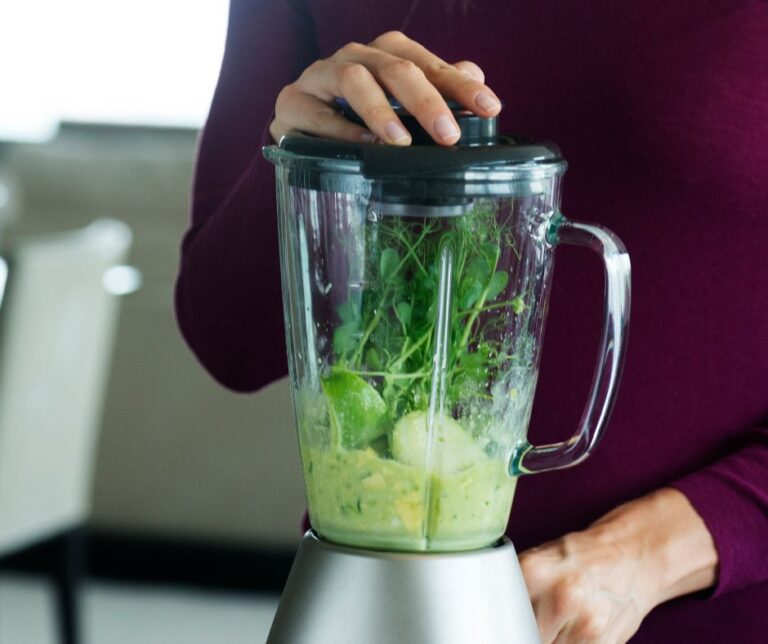
Growing Microgreens Indoors or Outdoors: Which is Better?
Calendula's Garden is reader suported This post may contain affiliate links, more on our Disclaimer page. Thank you!
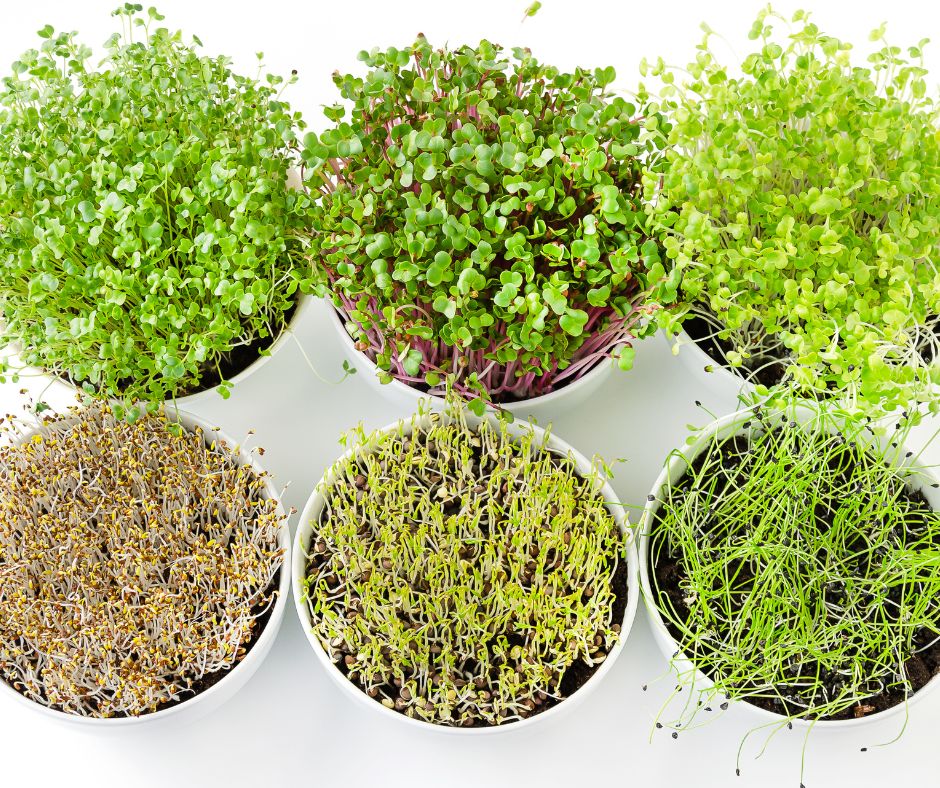
Microgreens have become a great source of fast growing greens. These tiny, nutrient-packed greens are celebrated for their health benefits and versatility in the kitchen.
But one question remains for many gardeners. Should you grow your microgreens indoors or outdoors?
We aim to answer that question by exploring the benefits and drawbacks of each method, helping you decide which is better for you.

Introduction to Microgreens
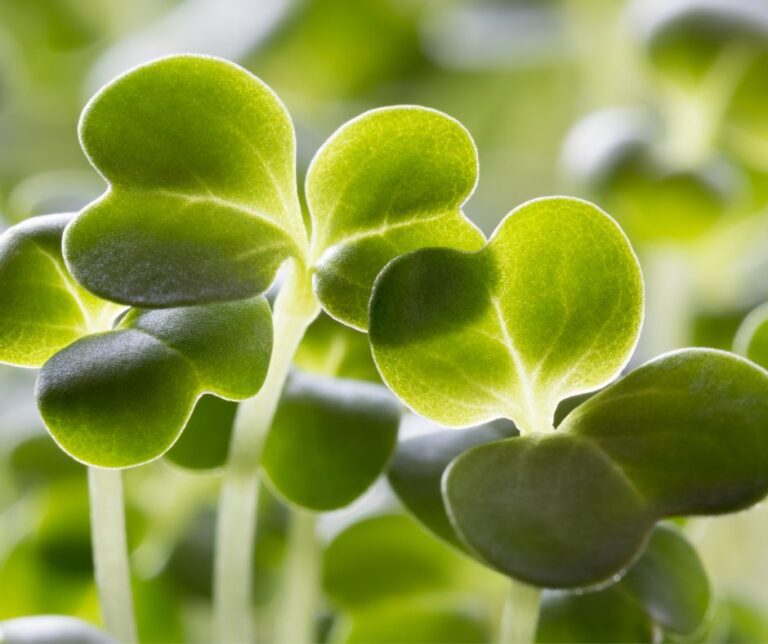
Microgreens are young vegetable greens that are harvested just after the first true leaves have developed. Despite their small size, they pack a powerful punch of flavor and nutrients.
Often used in salads, sandwiches, and soups, microgreens have gained popularity for their ability to elevate dishes both in taste and presentation.
With the rise of health conscious living and sustainable gardening practices, many people are turning to microgreens as a way to incorporate fresh, homegrown produce into their diets. But where should you grow them, indoors or outdoors?
This guide will explore the pros and cons of each option, providing you with the information you need to make an informed decision.
The Case for Indoor Microgreens
Indoor microgreens offer several unique advantages. Firstly, growing microgreens indoors allows for year-round cultivation, regardless of the weather outside.
You can enjoy a continuous supply of fresh greens even in the dead of winter. This accessibility makes indoor growing particularly appealing for urban gardeners with limited outdoor space.
How To Start Growing Delicious Microgreens
Another significant advantage is the ability to control environmental factors such as light, temperature, and humidity. This control can result in more consistent growth and higher yields.
Additionally, growing indoors reduces the risk of pests and diseases, which means less need for pesticides and other chemicals.
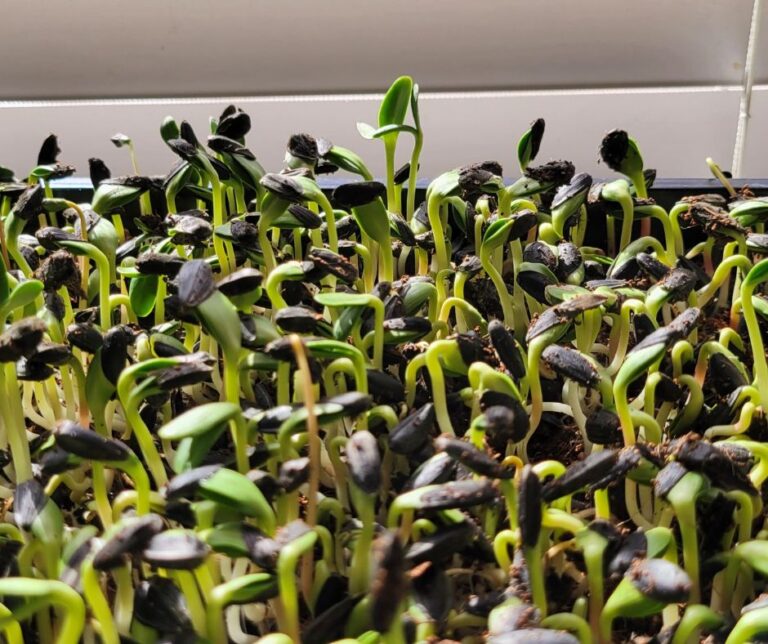
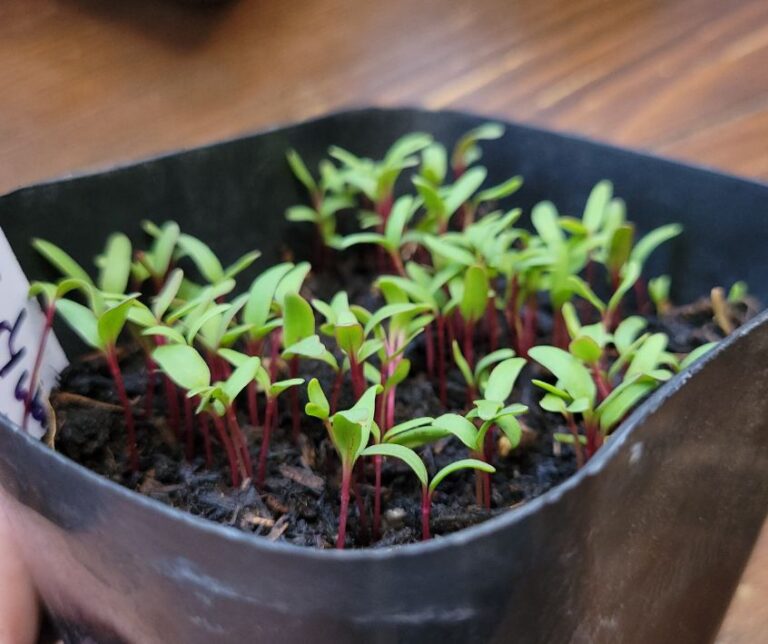
Setting up an indoor microgreen garden is relatively simple. You’ll need containers, soil or a growth medium, and a light source—natural or artificial.
LED grow lights are a popular choice for their efficiency and ability to provide the full spectrum of light needed for healthy growth. With the right setup, you can create a thriving indoor garden that fits comfortably in your kitchen or living room.
The Benefits of Outdoor Microgreens
Growing microgreens outdoors also has its benefits. One of the most significant advantages is exposure to natural sunlight, which is crucial for photosynthesis and can lead to more robust growth.
Outdoor conditions can produce microgreens with richer flavors and more vibrant colors.
However, outdoor growing comes with its own set of challenges. Seasonal limitations are a primary concern, as microgreens cannot withstand extreme temperatures.
Pea Microgreens: A Nutritious and Delicious Addition to Your Diet
Pests and diseases are more prevalent outdoors, requiring vigilant monitoring and potentially the use of natural pest deterrents or organic pesticides.
Despite these challenges, many gardeners find outdoor growing rewarding. The natural elements contribute to the overall gardening experience, and the opportunity to grow other plants alongside your microgreens can make for a more diverse and fulfilling garden.
Nutritional Comparison
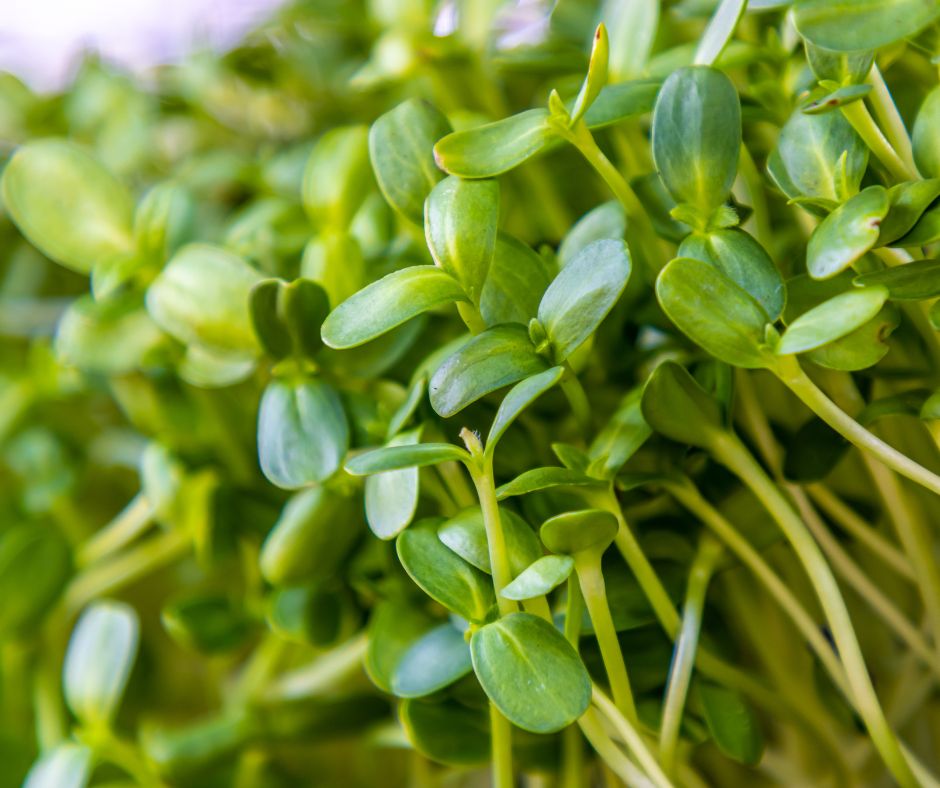
Research suggests that microgreens grown indoors and outdoors can have different nutritional profiles. Indoor grown microgreens often benefit from controlled environments that can optimize nutrient absorption.
However, outdoor grown microgreens might develop unique phytochemicals due to their exposure to natural stressors like varying temperatures and sunlight.
The Power of Broccoli Microgreens: A Guide to Growing Microgreens at Home
For instance, microgreens grown under natural sunlight have been found to have higher levels of certain vitamins, such as Vitamin C and E.
On the other hand, those grown indoors may show increased levels of specific minerals and antioxidants, thanks to the stable growing conditions.

In general, both indoor and outdoor microgreens are highly nutritious. While there may be slight variations in their nutritional content, either option will provide a healthy, nutrient-dense addition to your diet.
Taste and Aesthetic Considerations
When it comes to taste, texture, and visual appeal, both indoor and outdoor microgreens have their merits.
Many gardeners and chefs note that outdoor grown microgreens tend to have more intense flavors, likely due to the natural growing conditions and exposure to sunlight. These microgreens can also exhibit more vibrant colors and firmer textures.
Indoor microgreens, while sometimes milder in flavor, offer a consistent and clean taste that is often preferred for delicate dishes.
Their controlled growing environment can result in a more uniform appearance and texture, making them ideal for aesthetically pleasing presentations.
Personal preference plays a significant role here. Some may prefer the bold flavors and rustic appeal of outdoor grown microgreens, while others might favor the subtlety and sophistication of their indoor-grown counterparts.
Environmental Impact
The environmental footprint of growing microgreens can vary significantly between indoor and outdoor methods.
Indoor growing typically requires artificial lighting, which can increase energy consumption. However, advancements in LED technology have made it possible to grow plants with minimal energy use.
Additionally, indoor growing often uses less water compared to traditional outdoor gardening.
The Battle of the Greens: Microgreens vs Sprouts
Outdoor growing, on the other hand, relies on natural resources like sunlight and rainwater, which can make it more sustainable in terms of resource use.
However, this method might require more interventions, such as pest control and soil amendments, which can impact the environment.
Ultimately, both methods can be environmentally friendly when done mindfully. Using energy-efficient lighting, recycling water, and opting for organic pest control can minimize the environmental impact of indoor growing.
Similarly, practicing sustainable gardening techniques can make outdoor growing more eco-friendly.
Health and Safety
Health and safety are crucial considerations when growing microgreens. Outdoor microgreens are more susceptible to contamination from soil, water, and pests.
They might also be exposed to pesticides and pollutants, which can affect their safety for consumption.
Indoor growing offers a more controlled environment, reducing the risk of contamination. However, it’s essential to maintain cleanliness and proper hygiene practices to avoid issues like mold and fungal growth.
Regardless of where you grow your microgreens, certain best practices can ensure their safety. Use clean, high quality soil or growth mediums, and wash your hands and tools before handling plants.
Regularly inspect your microgreens for signs of disease or pests, and harvest them promptly to reduce the risk of contamination.
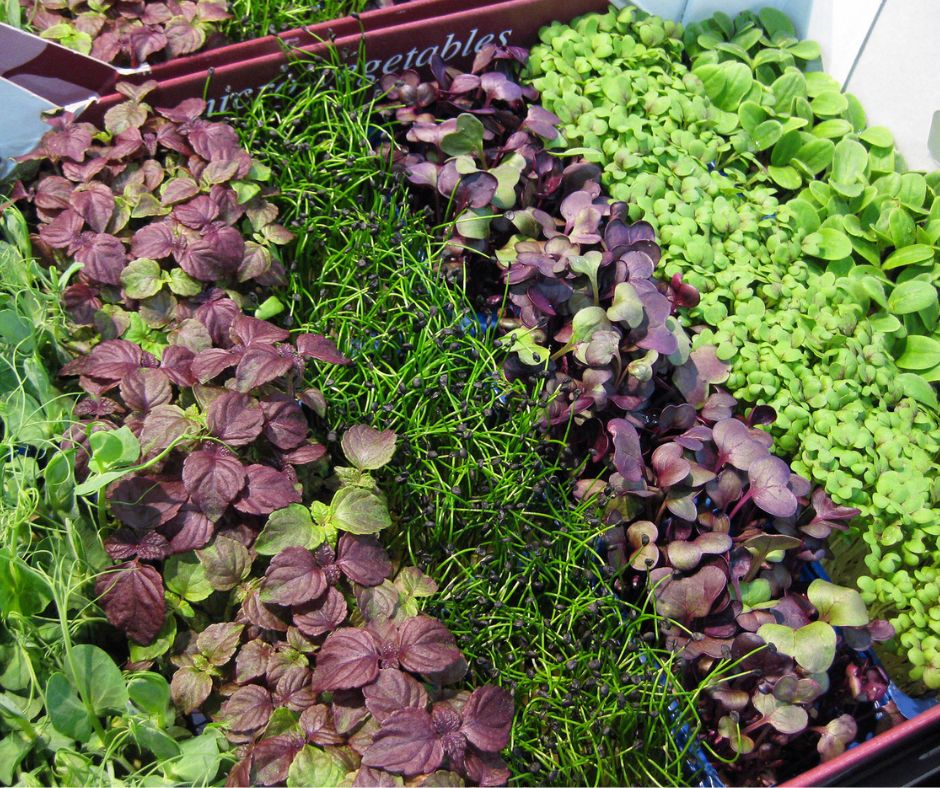
Indoor and outdoor microgreens each have their unique advantages and challenges. Indoor growing offers year-round availability, better control over conditions, and lower risk of pests.
Outdoor growing provides the benefits of natural sunlight, richer flavors, and a more immersive gardening experience.
Molecules: Microgreens—A Comprehensive Review of Bioactive Molecules and Health Benefits
When deciding between indoor and outdoor microgreens, consider your personal preferences, available space, and commitment level.
Both methods can yield delicious, nutritious greens that enhance your meals and support your health.
If you’re still undecided, why not try both? Experimenting with different growing methods can help you discover what works best for you.
Visit the Garden Resources page for supplies and inspiration. Don’t forget to subscribe to the Calendula’s Garden Newsletter for more gardening tips.
Calendula’s Garden is reader supported. When you buy through links on our site, we may earn an affiliate commission. As an Amazon Associate, I earn from qualifying purchases. For more information, view our Disclaimer page. Thank you!