Growing Lemon Basil A Zesty Delight
Calendula's Garden is reader suported This post may contain affiliate links, more on our Disclaimer page. Thank you!
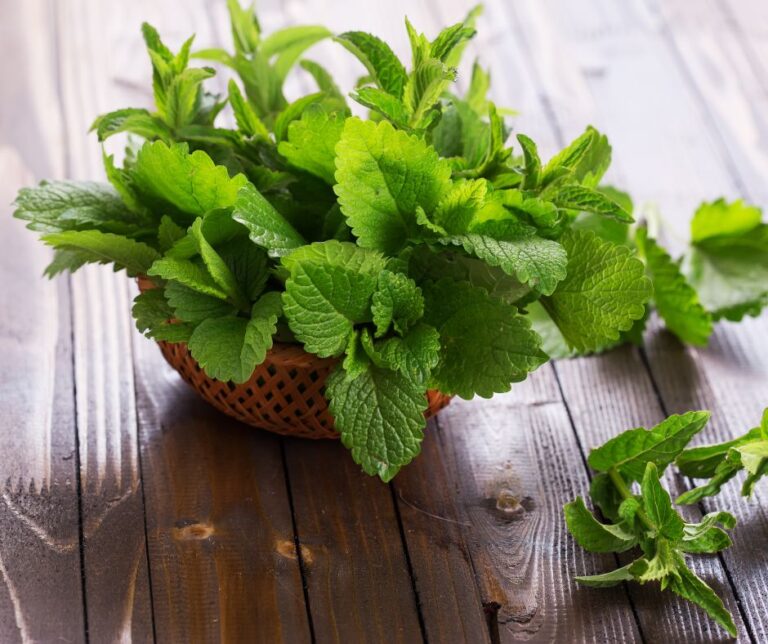
Lemon Basil is a fragrant and flavorful herb that adds a delightful citrusy twist to your culinary creations. Its delicate leaves and vibrant aroma make it a favorite among gardeners.
In this guide, we’ll explore how to grow Lemon Basil in your garden and containers, along with its companion planting benefits and health advantages.

Lemon Basil Characteristics Table
| Characteristic | Description |
| Common Name | Lemon Basil |
| Botanical Name | Ocimum × citriodorum (hybrid between Ocimum basilicum and Ocimum americanum) |
| Plant Type | Herbaceous annual |
| USDA Hardiness Zones | Zones 10–11 (grown as an annual in all other zones; extremely frost-sensitive) |
| Mature Height | 12 to 24 inches |
| Mature Spread | 12 to 18 inches |
| Light Requirements | Full sun (requires at least 6–8 hours of direct sunlight daily for optimal essential oil production and flavor) |
| Moisture Requirements | Moderate; keep soil consistently moist but not waterlogged. Water at the base to avoid wetting foliage, which can lead to fungal issues. |
| Soil Preference | Fertile, well-drained soil rich in organic matter; neutral to slightly acidic pH (6.0–7.0). |
| Bloom Time | Mid to late summer; produces spikes of small white flowers. (Pinching off blooms encourages leaf growth). |
| Flavor Profile | distinct citrus aroma and lemony flavor combined with traditional basil notes; excellent for teas, vinaigrettes, and seafood dishes. |
| Harvest Time | Harvest leaves throughout the growing season once the plant is established (about 6 inches tall). Best harvested in the morning after dew dries. |
Growing Lemon Basil in the Garden
Where to find seeds, plants, and supplies:
Climate and Soil Conditions
Lemon Basil thrives in warm, sunny climates with well-drained soil. It prefers temperatures between 65°F to 85°F (18°C to 29°C) and can be sensitive to frost.
Ensure your garden spot receives at least 6 hours of direct sunlight daily for optimal growth.
Planting, Watering, and Sun Exposure
- Sow Lemon Basil seeds directly into your garden bed or start them indoors 4-6 weeks before the last frost.
- Plant the seeds about 1/4 inch deep and 10-12 inches apart to allow room for growth.
- Water the soil gently and consistently, keeping it moist but not waterlogged.
- Once the seedlings emerge, thin them out to maintain proper spacing.
- Lemon Basil requires regular watering, especially during hot and dry spells. Aim to keep the soil evenly moist.
Companion Planting
Lemon Basil makes an excellent companion plant for various vegetables and herbs. It can enhance the growth and flavor of tomatoes, peppers, and other herbs like oregano and parsley.
Additionally, Lemon Basil’s strong scent can help repel pests, benefiting its neighboring plants.
25 Mosquito Repellent Plants for a Bug-Free Haven
Growing Lemon Basil in Containers

Container Size and Type
Choose a container at least 6 inches deep and wide for a single Lemon Basil plant. Make sure the container has adequate drainage holes to prevent waterlogging.
Terra cotta, ceramic, or plastic pots work well for Lemon Basil.
How to design a small container garden
Soil Mixture and Drainage
Use a well-draining potting mix specifically formulated for herbs. You can also create your own mix by combining equal parts potting soil, perlite, and compost.
Add a layer of pebbles or broken pottery at the bottom of the container to improve drainage.
Watering and Feeding
- Water your potted Lemon Basil when the top inch of soil feels dry to the touch.
- Avoid overwatering, as it can lead to root rot. Allow the water to drain freely from the container.
- Feed your Lemon Basil every 2-3 weeks with a balanced, water-soluble fertilizer diluted to half-strength.
- Regular harvesting encourages bushier growth and prevents the plant from becoming leggy.
Health Benefits of Lemon Basil
Lemon Basil is more than just a flavorful herb; it also packs a nutritional punch. It contains essential vitamins and minerals, including vitamin A, vitamin C, iron, and calcium.
The herb is also rich in antioxidants, which help protect your cells from damage caused by free radicals.
Consuming Lemon Basil may offer several potential health benefits:
- Boosting the immune system
- Reducing inflammation
- Promoting digestive health
- Relieving stress and anxiety
Incorporate Lemon Basil into your diet by adding it to salads, pestos, sauces, or infusing it in teas for a refreshing and health-promoting experience.
More about the health benefits of basil from the Cleveland Clinic: 5 Health Benefits of Basil
Growing Lemon Basil in your garden or containers is a rewarding endeavor that yields fresh, aromatic herbs for your culinary creations and offers potential health benefits.
By providing the right growing conditions, companion planting, and regular care, you can enjoy a bountiful harvest of this zesty herb.
Visit the Garden Resources page for supplies and inspiration. Don’t forget to subscribe to the Calendula’s Garden Newsletter for more gardening tips.
Calendula’s Garden is reader supported. When you buy through links on our site, we may earn an affiliate commission. As an Amazon Associate, I earn from qualifying purchases. For more information, view our Disclaimer page. Thank you!