Growing Green Curtains: A Guide to Privacy Shrubs
Calendula's Garden is reader suported This post may contain affiliate links, more on our Disclaimer page. Thank you!
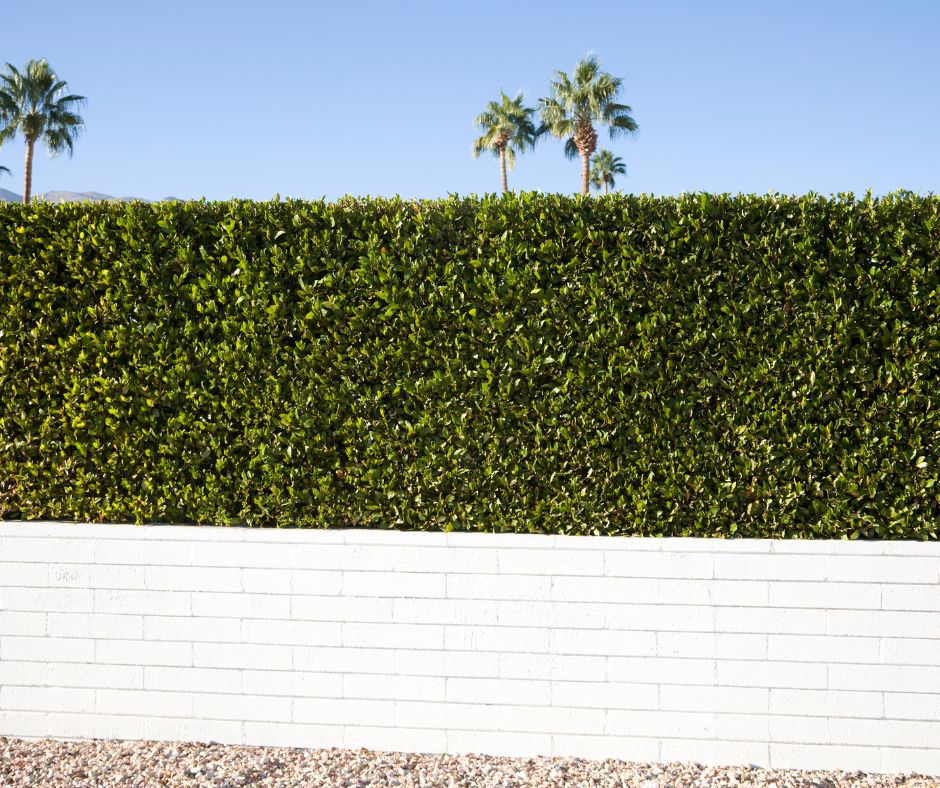
Privacy is a valuable commodity in the urban and suburban landscape. Whether you want to enjoy your garden space in peace, keep prying eyes away from your windows, or simply create a sanctuary within your property, privacy shrubs are a green solution that never goes out of style.
In this comprehensive guide, we’ll walk you through selecting, planting, and caring for privacy shrubs. You’ll soon be on your way to nurturing a verdant fortress around your home that not only offers seclusion but also enhances the beauty of your outdoor environment.
The Emerald Wall: Why Privacy Shrubs Matter
Picture this: quiet mornings on the patio with your favorite book, family barbecues shielded from the neighbors’ gaze, and a living barrier against the bustle of daily life. Privacy shrubs are the key to creating these idyllic scenes.
They act as a soft, organic partition, marking the boundaries of your property while blending seamlessly with your garden’s natural aesthetic. But their importance extends beyond the visual and the psychological. A well-chosen row of privacy shrubs can help control noise pollution, reduce soil erosion, and even encourage wildlife to visit your garden.
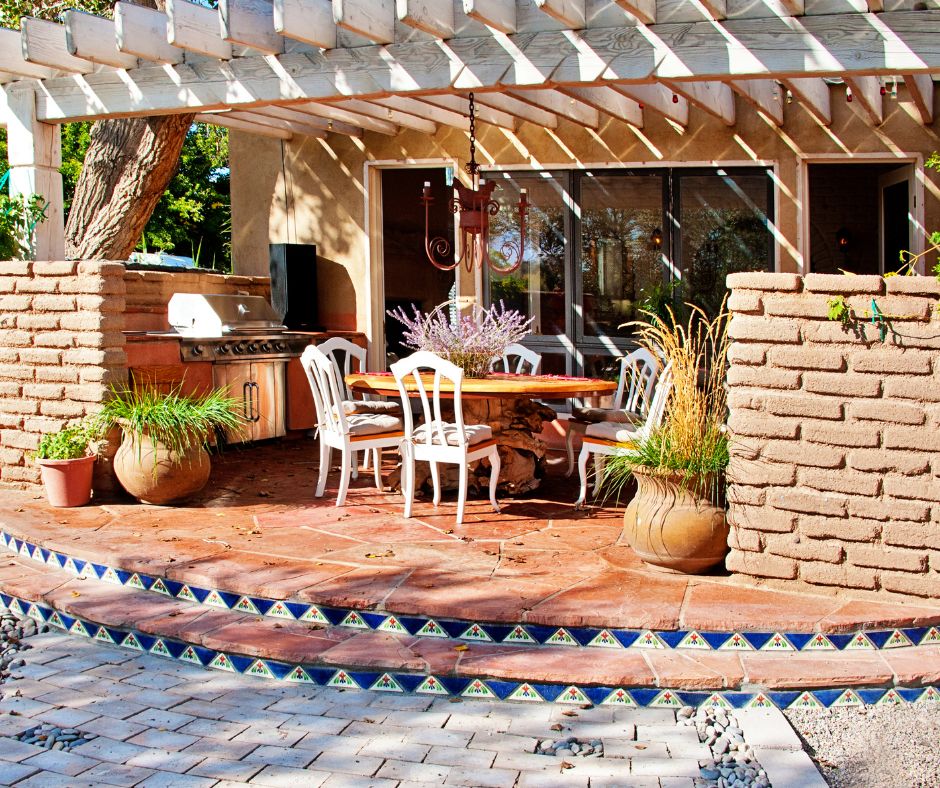
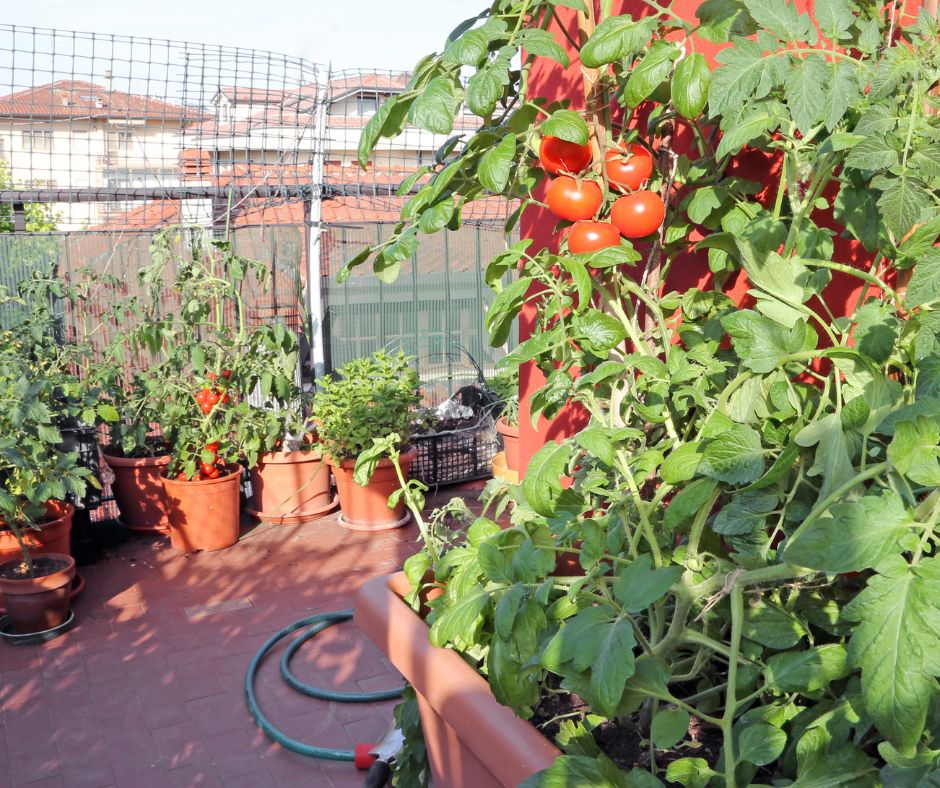
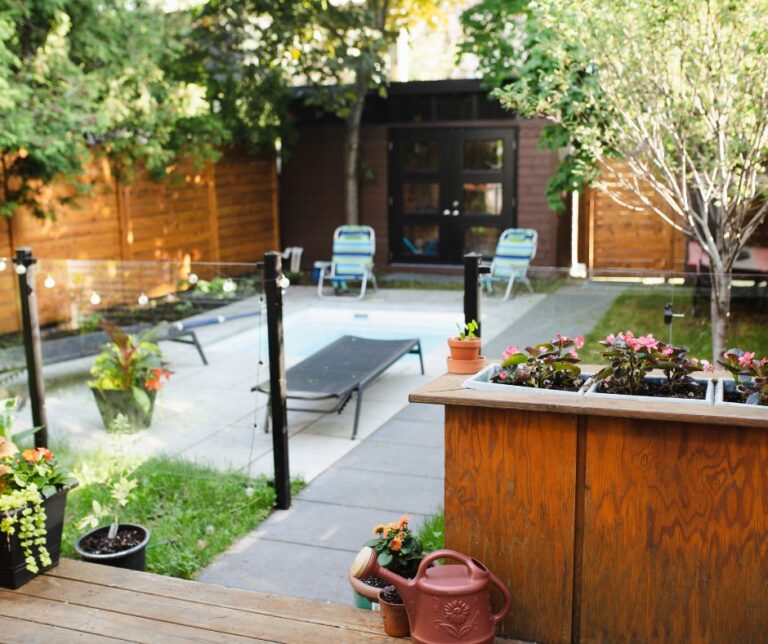
Create A Patio Oasis Using Potted Plants For Privacy
Popular Privacy Shrubs
The plant kingdom is full of shrubs suitable for privacy planting. Here’s a glimpse of the more popular ones:
Arborvitae
The Thuja occidentalis, or arborvitae, is a classic privacy shrub known for its tall, narrow shape. It suits many climates and is relatively low maintenance once established.
Leyland Cypress
This fast-growing conifer is popular for its rapid growth and year-round coverage. It thrives in sunny conditions and can reach considerable heights, offering a quick solution to privacy concerns.
Boxwood
If you prefer the look of a more manicured hedge, the boxwood (Buxus) is an excellent choice. With regular pruning, it can provide a dense, leafy wall perfect for smaller spaces.
Holly
For those who want an added touch of color, the holly (Ilex) family offers a range of choices. Its spiny leaves and bright berries are a well-known holiday season staple and can also create a beautiful privacy screen.
Privet
The privet (Ligustrum) is another popular choice for a sturdy, hardy privacy shrub. With regular pruning, it can form a dense, lush foliage that stays green for most of the year.
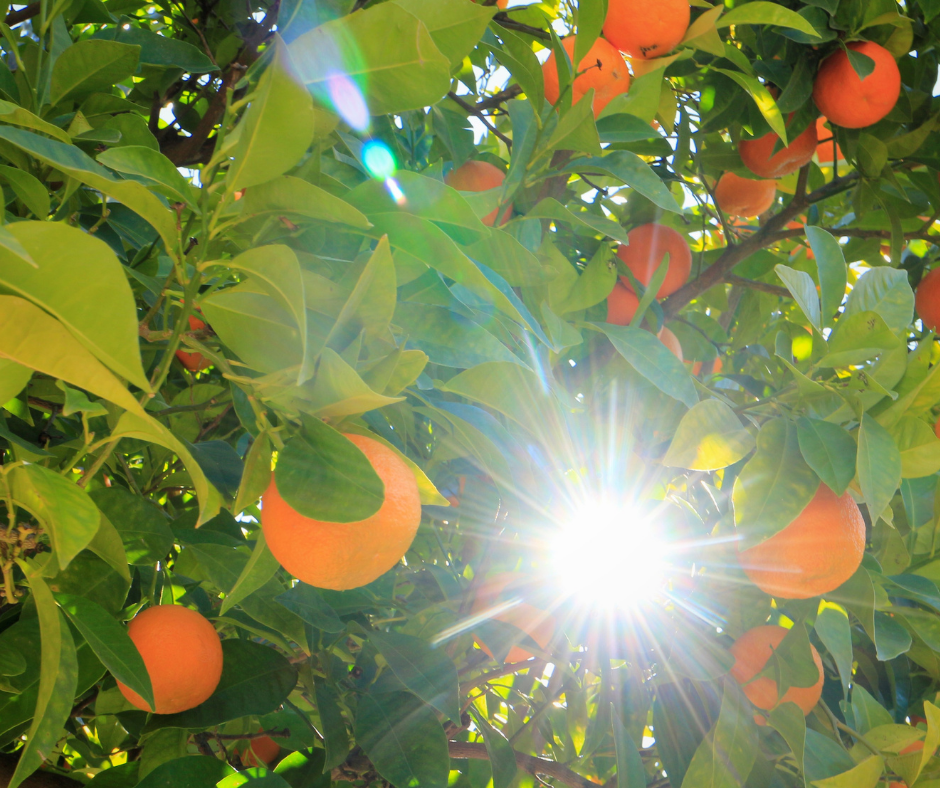
Best Evergreen Fruit Trees for Privacy
Choosing the Right Privacy Shrub for You
Assess Your Space
Start by evaluating your landscape. What is the size of your property? Are you looking to create a screen in a narrow strip of land between your property and a walkway, or do you have a spacious area to fill? By understanding your space, you can choose shrubs that won’t overwhelm your garden with size or underwhelm by not providing the privacy you seek.
Know Your Climate
Whether you’re under the sun of the Southwest or the clouds of the Pacific Northwest, climate plays a significant role in the success of your privacy shrubs. Hardy varieties that match your USDA hardiness zone will survive and thrive through the seasons, ensuring your boundary stays lush year-round.
Soil Type
Your soil type affects how well plants grow and, consequently, how much effort you’ll need to invest. Some privacy shrubs, for example, thrive in acidic soil, while others need a more alkaline environment. Soil quality also influences the frequency and quantity of watering required.
Desired Height and Spread
Privacy shrubs come in various sizes, and it’s essential to choose ones that will grow to your desired height without getting too overpowering. Consider how quickly you want your shrubs to reach their full potential and the visibility you intend to block at different points of growth.
Planning and Preparing Your Planting Space
Measure Your Site
To ensure your privacy, shrubs provide the perfect partition for privacy, and the length and width of the planting area must be measured. This not only helps in understanding how many shrubs you’ll need but also in spacing them out correctly for proper growth.
Consider Sunlight
Sunlight is one of the most critical ingredients for plant health. When planning your privacy barrier, know which areas receive the most sun and when, and choose shrubs that will be happy in those conditions.
Account for Structures
Take into account any structures, underground utilities, or infrastructure around the planting area. Privacy shrubs must be planted at enough distance, 4-6 ft, to ensure that roots do not interfere with pathways or utility lines.
The Best Plants For Privacy Hedges In Hot Climates
Planting Your Privacy Shrubs
Optimal Planting Time
Fall or early spring are the best times to plant privacy shrubs. This gives them a chance to establish roots before the harsh conditions of winter or the stress of summer heat.
Digging the Right Hole
The adage “the bigger, the better” applies to shrub planting. Dig a hole that’s at least twice as wide as the shrub’s root ball but no deeper than the ball’s height. This will allow the roots to spread and anchor the shrub.
Placement and Spacing
Space your shrubs according to their eventual width. This will provide the perfect web of green as they mature without overcrowding. If you desire a denser look sooner, plant your shrubs a little closer than recommended and supplement with a hedge-friendly fertilizer.
Mounding and Mulching
Create a small mound of soil in the center of the planting hole that’s tall enough for the shrub to sit on. This will improve drainage. Fill in with native soil. Mulch around the base to retain moisture and keep weeds at bay. But do not allow the mulch to touch the trunk of the shrub.
The Art of Watering
Water your recently planted shrubs deeply to help them take root. Continue to water them regularly, especially during dry spells, until they are established. Which takes about one year on average.
Maintenance and Care
The First Year
The first year is crucial for your shrubs’ development. Regular watering, especially during dry periods, will help them establish, along with a light layer of mulch, to retain moisture and suppress weed growth.
Pruning for Privacy
Proper pruning is crucial for maintaining your shrubs’ shape and privacy barrier. Prune regularly to encourage fullness, but be careful not to prune too much as that can stunt growth or lead to sparse foliage.
Fertilization
Fertilize your privacy shrubs annually to keep them healthy and green. A balanced, slow-release fertilizer can encourage steady growth without promoting excessive foliage at the expense of a strong root network.
Protection from Pests
Keep an eye out for pests such as mites, aphids, and scale insects, which can damage your shrubs. A healthy garden environment with proper air circulation can mitigate the need for pesticides that could harm beneficial insects.
Privacy shrubs aren’t just green barricades. They’re living, breathing additions to your outdoor life, offering shade, beauty, and, most importantly, a sense of seclusion. By carefully selecting, planting, and nurturing your privacy shrubs, you’ll not only keep your activities private but also create a natural haven that enhances your relationship with the outdoors.
As each season passes, you’ll witness the magnificent growth of the green curtains that you’ve so diligently cultivated, providing a serene pleat in the fabric of your daily life.
Visit the Garden Resources page for supplies and inspiration. Don’t forget to subscribe to the Calendula’s Garden Newsletter for more gardening tips.
Calendula’s Garden is reader supported. When you buy through links on our site, we may earn an affiliate commission. As an Amazon Associate, I earn from qualifying purchases. For more information, view our Disclaimer page. Thank you!