5 Glorious Edible Climbing Vines: A Gardener’s Guide
Calendula's Garden is reader suported This post may contain affiliate links, more on our Disclaimer page. Thank you!

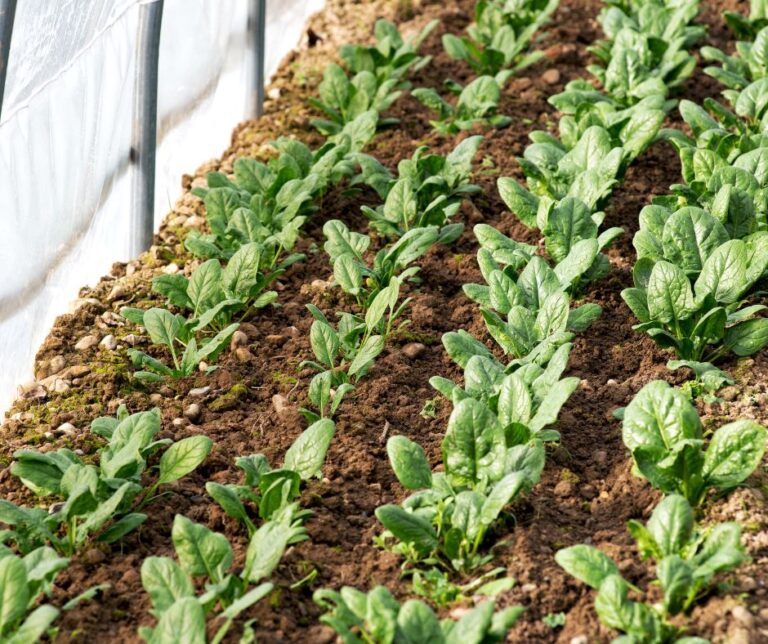
When thinking about adding plants to your garden, a typical image that comes to mind is rows of seeds planted in the soil. But you can add a whole new dimension to your garden by incorporating edible climbing vines.
These plants make excellent use of vertical space and can quickly provide additional privacy and shade to your garden and home during warmer months.
Edible vines not only provide a stunning aesthetic to any garden, but they also offer a range of delicious and nutritious fruits and vegetables.
In this guide, we will explore the delicious world of a few of our favorite edible climbing vines and how to care for them.
Where to find seeds and plants:
Passion Fruit Vine
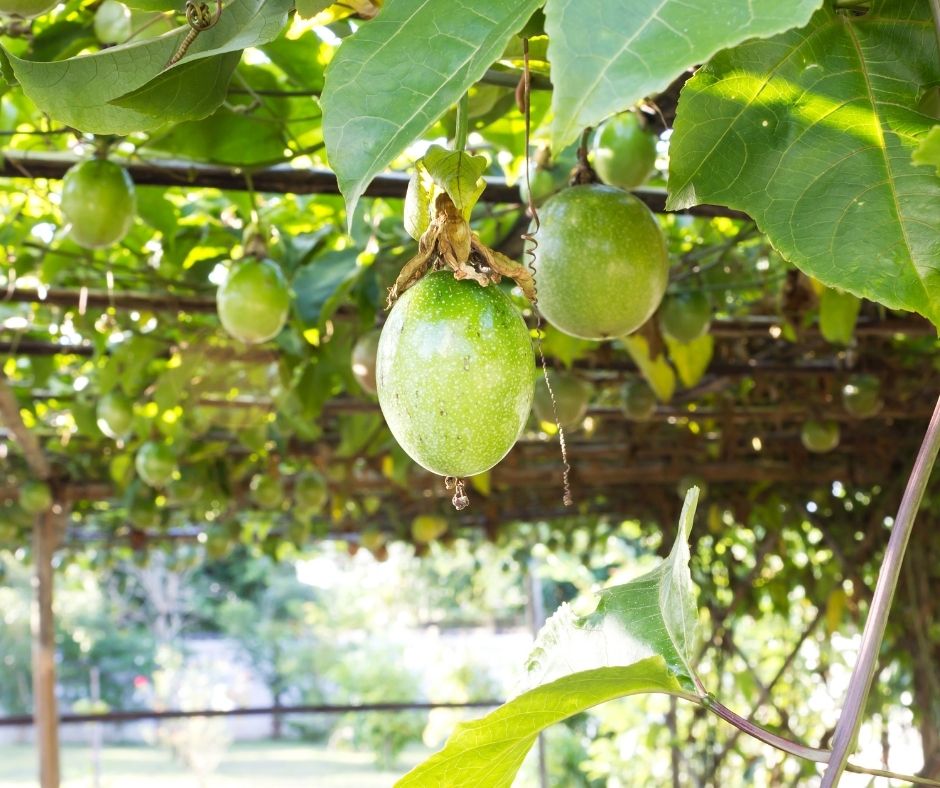
Passion Fruit vines are known for their pretty, exotic-looking flowers and delicious, tangy fruit. These climbing vines are easy to grow, require little maintenance, and love a lot of sunshine.
They can adapt to various soil types and can grow up to 20 feet long. You can plant them against a trellis or a fence. The vines produce fruit in their second year and can yield up to 60 to 70 fruits per year.
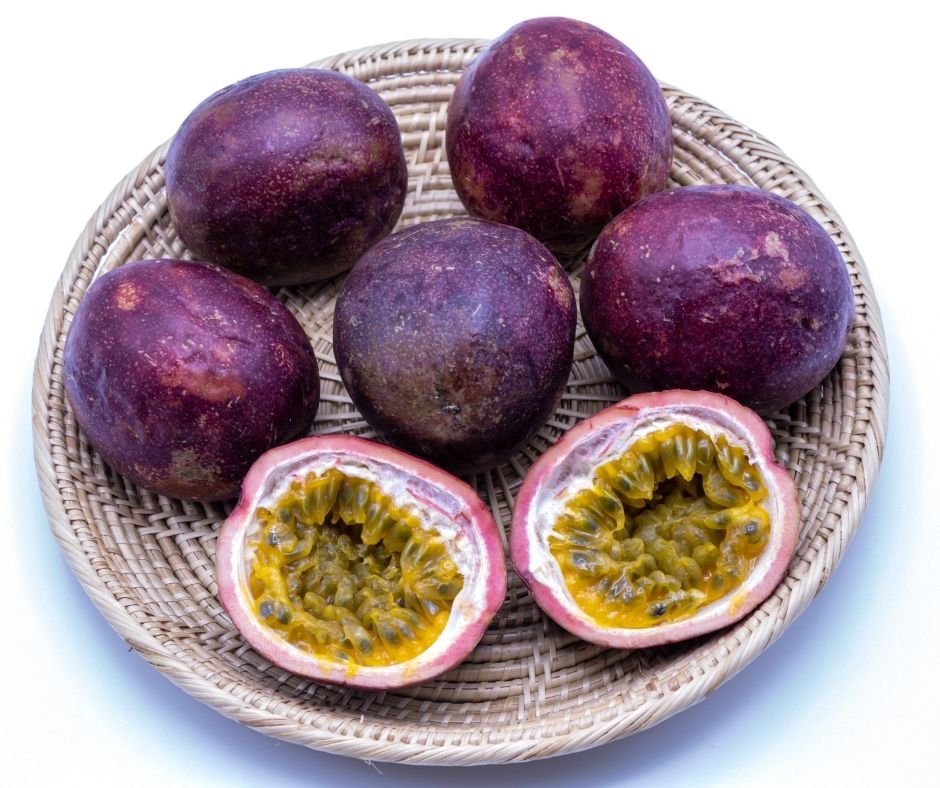
These vines thrive in full sun exposure and well-draining soil and can be grown in both warm and cool climates.
Passionfruit vines require regular pruning and support, so keep this in mind when planning their placement in your garden.
These fruit vines can bring delight to any backyard garden. To maintain healthy and productive vines, it is essential to provide frequent and balanced fertilization.

Find out how to prepare all of the different parts of the passion fruit plant. Here: Chestnut School of Herbal Medicine – Passionflower: Ecology, Cultivation, Botany, and Medicinal and Edible Uses
Passion fruit vines have high nutrient requirements, and a balanced fertilizer should be applied frequently throughout the growth season.
It is ideal to use a complete slow-release fertilizer with a 4-1-3 or 6-2-4 ratio of nitrogen, phosphorus, and potassium.
Inorganic fertilizers, but natural fertilizers like fish emulsion, compost, and mulch are more effective in the long term.
A list of our favorite soil amendments and fertilizers: 7 Best Garden Soil Amendments and Fertilizers
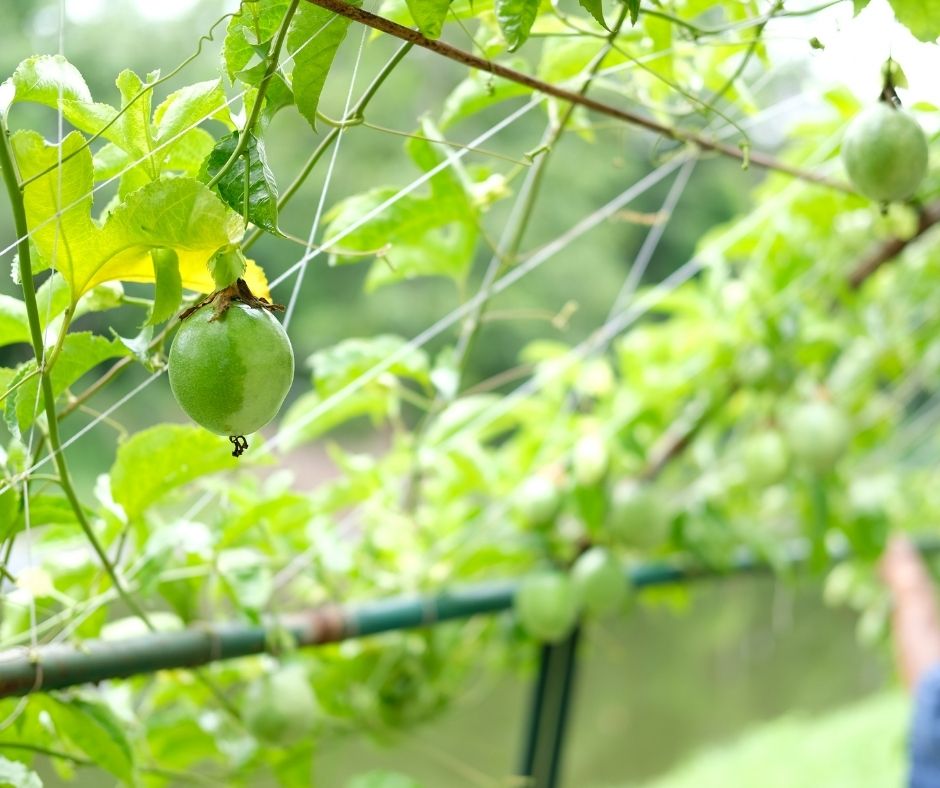
One common question that people ask about these vines is whether they are evergreen. The answer is a bit more complicated than a simple “yes” or “no.”
While some types of passion fruit vines are evergreen, others are deciduous and lose their leaves in the winter.
This variation in leaf-holding behavior depends on where the plant is grown and what climate it’s exposed to.
Whether the plant is evergreen or deciduous, passion fruit vines are known for their unique and delicious fruit, making them a popular choice for gardeners.
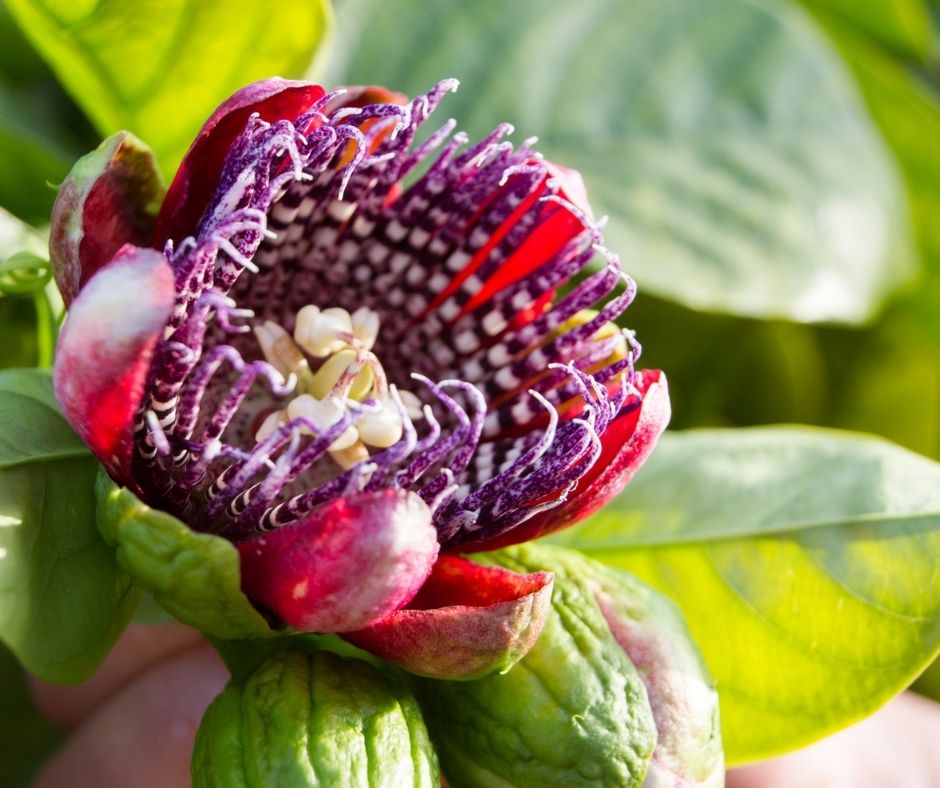
Overall, passion fruit plants are manageable and straightforward to fertilize. These plants can climb up trellises and arbors, making them an excellent addition to any garden space.
By adding these edible climbing vines to your garden, you can create the perfect balance between beauty and practicality.
Hops Vine
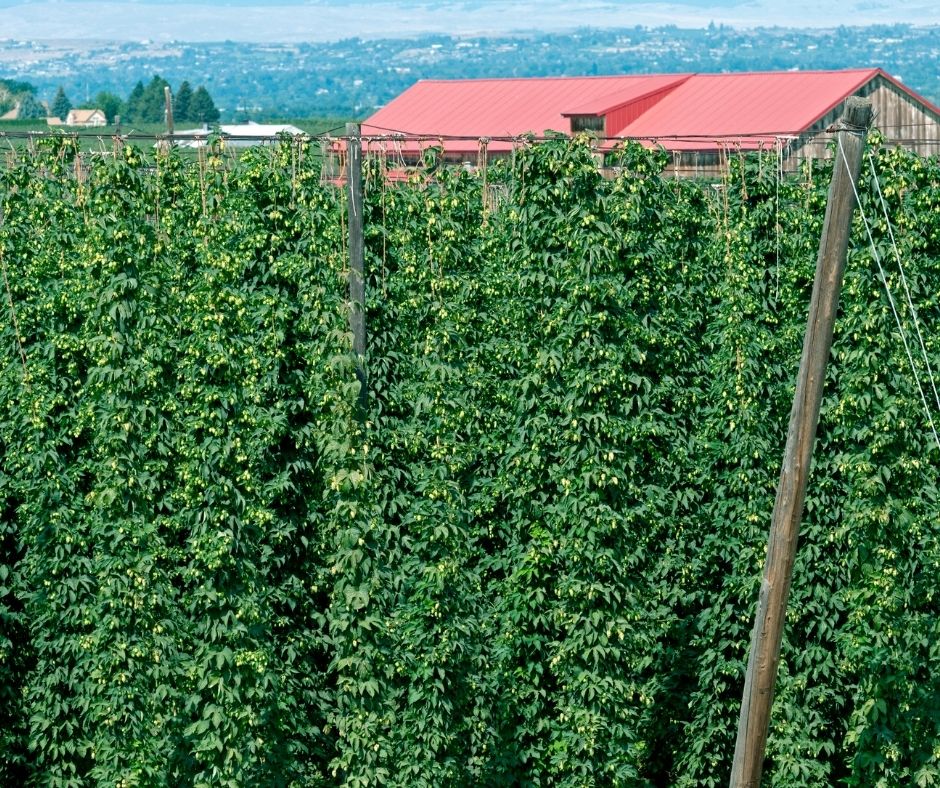
Hop vines are not only great for brewing beer, but they also produce edible shoots that are high in fiber and vitamin C.
These edible vines prefer cooler climates and full to partial sunlight, making them a great option for many gardeners.
Hops are known for being fast-growing and require sturdy support to reach their full potential.
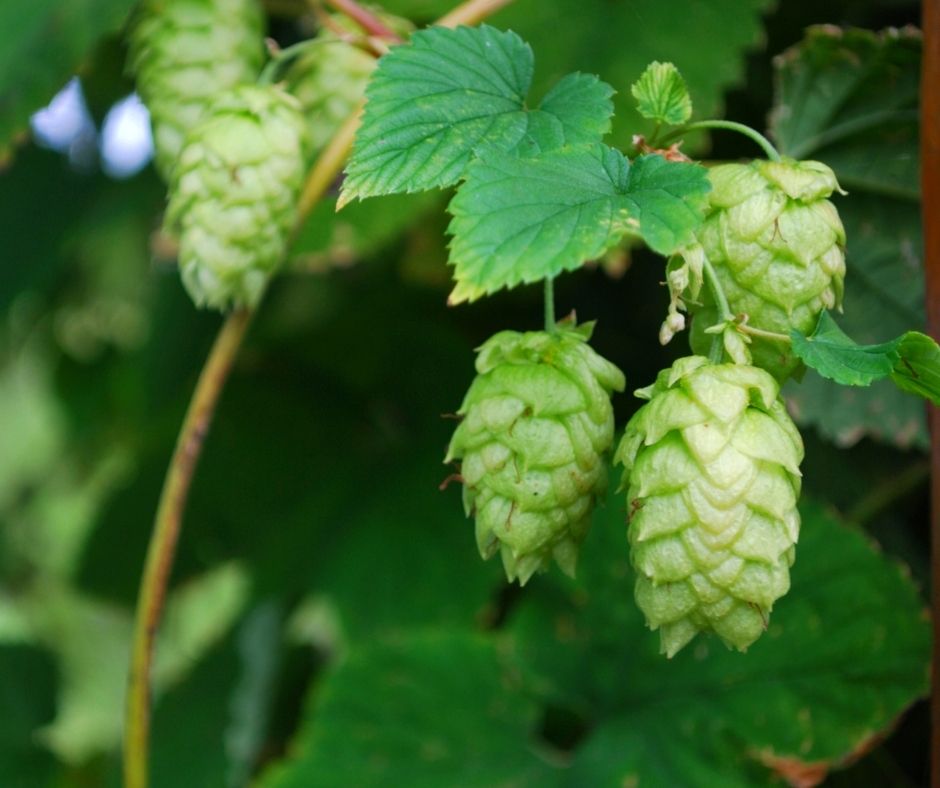
Hops vines have a unique and fascinating growth cycle. They typically emerge from the ground in the spring, growing rapidly upwards of 20 feet tall in just a few months.
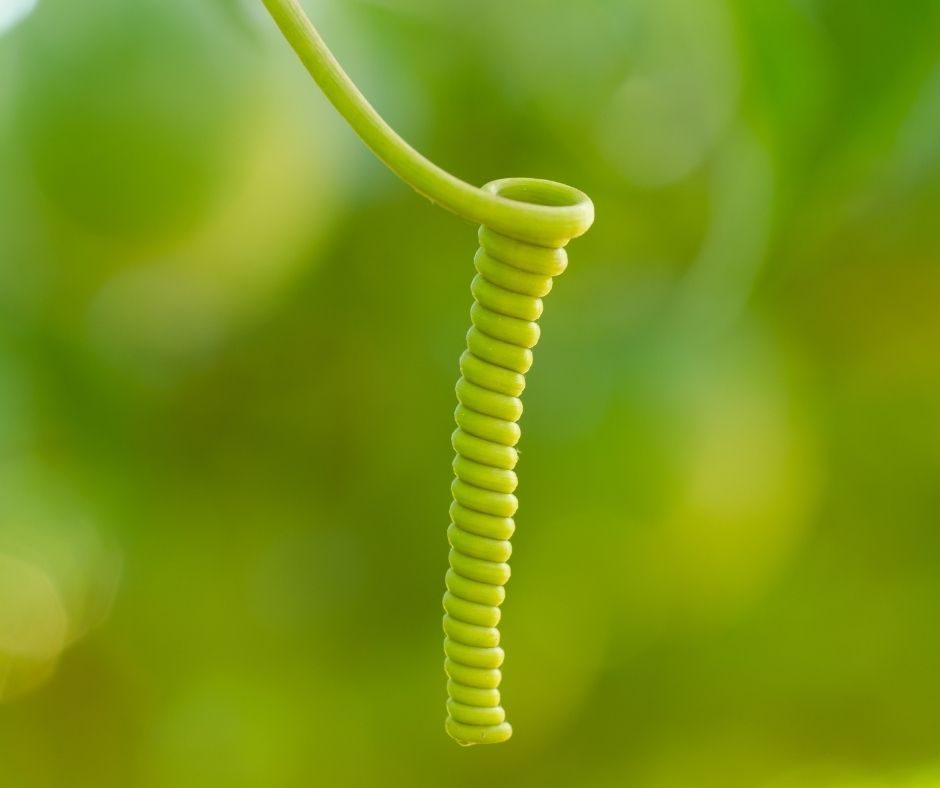
The climbing vines use tendrils to attach themselves to any support structure they can find, including trellises, poles, and ropes.
As the summer sun beats down on the vine, the leaves begin to change color from light green to a deeper hue. In late summer, cones begin to form and grow in size until they are ready for harvest in the early fall.
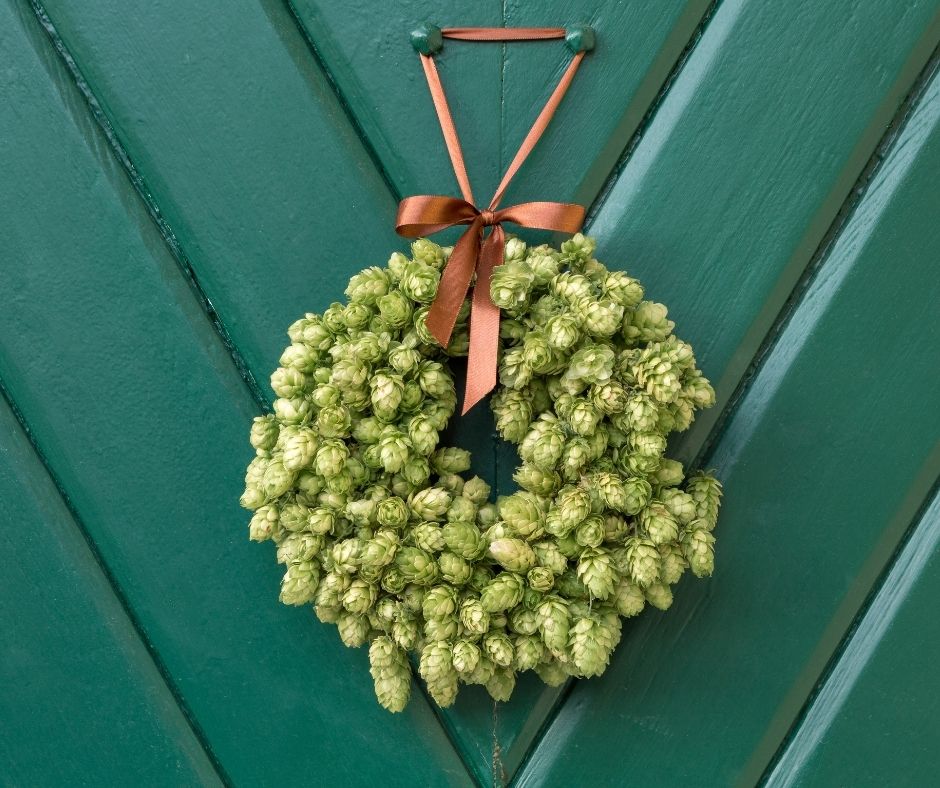
Hops vines are herbaceous perennials, which means that their above-ground growth dies down in the fall when the temperatures drop.
This is a part of their natural growth cycle, and it is nothing to worry about. The plant will remain dormant throughout the winter, and its root system will continue to survive underground.
Find a wide variety of hop vines at Raintree Nursery
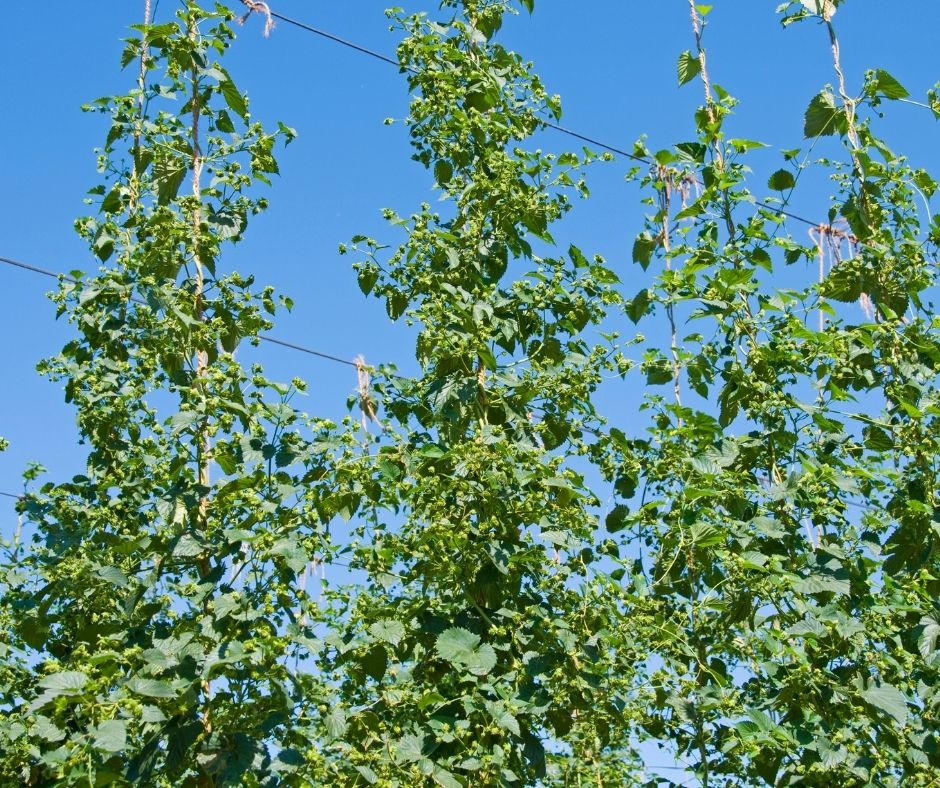
As the weather warms up in the spring, the plant will start growing again, sending out new shoots from the base of each dormant stem.
So, while it may seem like the vines have died, have no fear, they will come back!
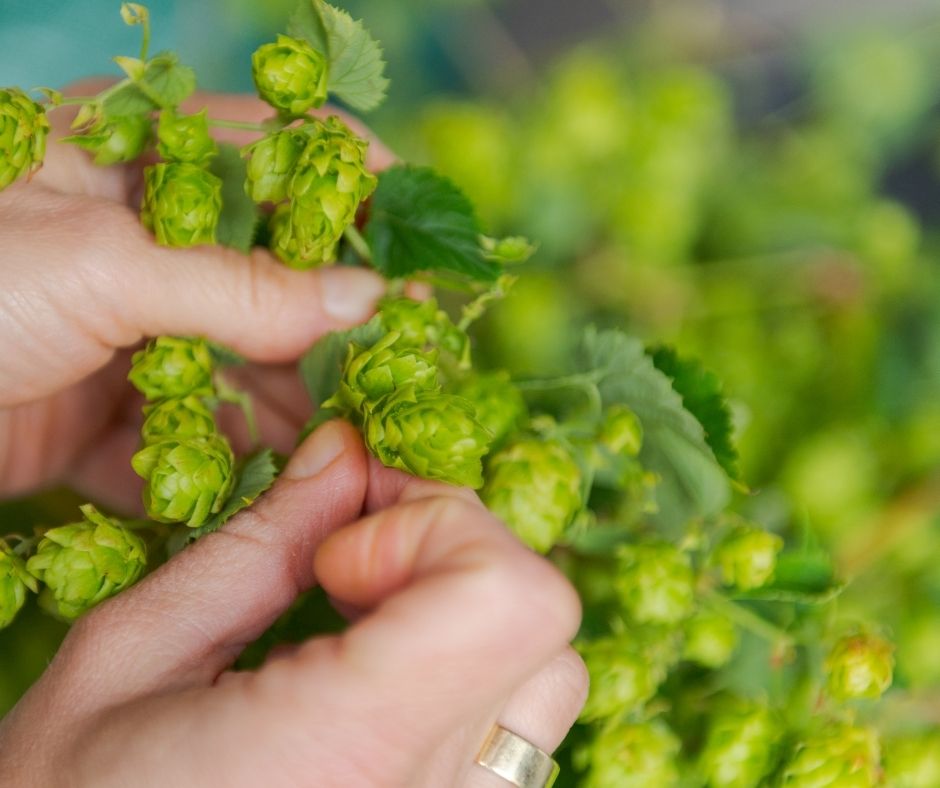
Fertilizing your hop vine is an essential part of growing a healthy and abundant harvest.
The first step in fertilizing your vine is to test your soil to determine its nutrient content.
Once you know what your soil is lacking, you can choose the appropriate type of fertilizer to add to the soil.
Learn more about how to test your soil here: How to Test Your Garden Soil: Tips for Backyard Gardeners.
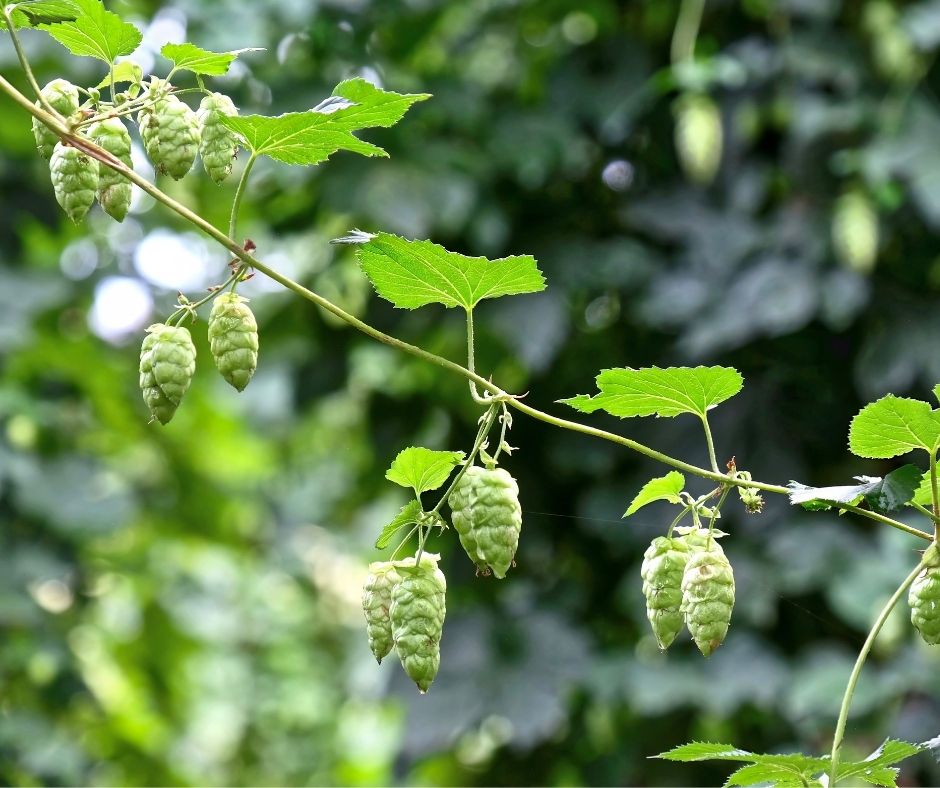
A balanced fertilization program with a combination of nitrogen, phosphorus, and potassium will help promote strong root and shoot growth, increased disease resistance, and improved yield.
Organic options, such as fish emulsion or compost, can also be effective. With proper fertilization, your hop vine will thrive and produce impressive yields in no time.
Kiwi Vine
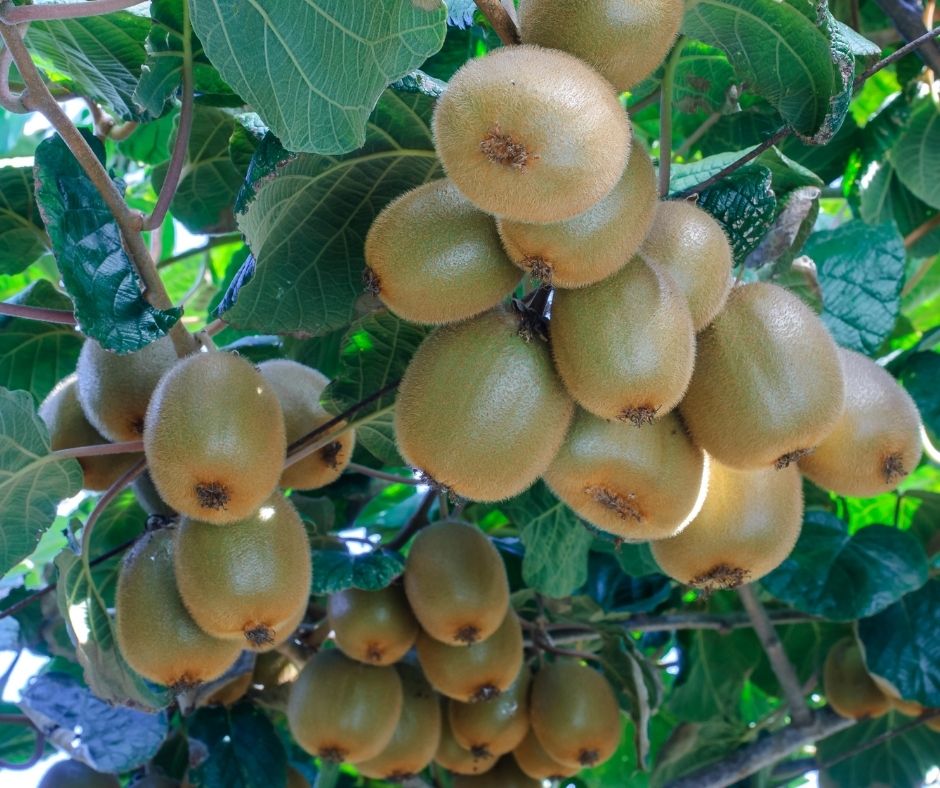
Kiwi Vine is a popular choice for gardeners because of its delicious fruit and beautiful foliage. These climbing vines grow up to 20 feet long and require at least six hours of sunlight.
There are many varieties of kiwi, including hardy plants that can withstand cooler weather and produce miniature berry-like fruit that you do not need to peel before eating.
Find out more about growing kiwi in cool regions at: The University Of Minnesota Ag Extension – Growing kiwiberry in the home garden.
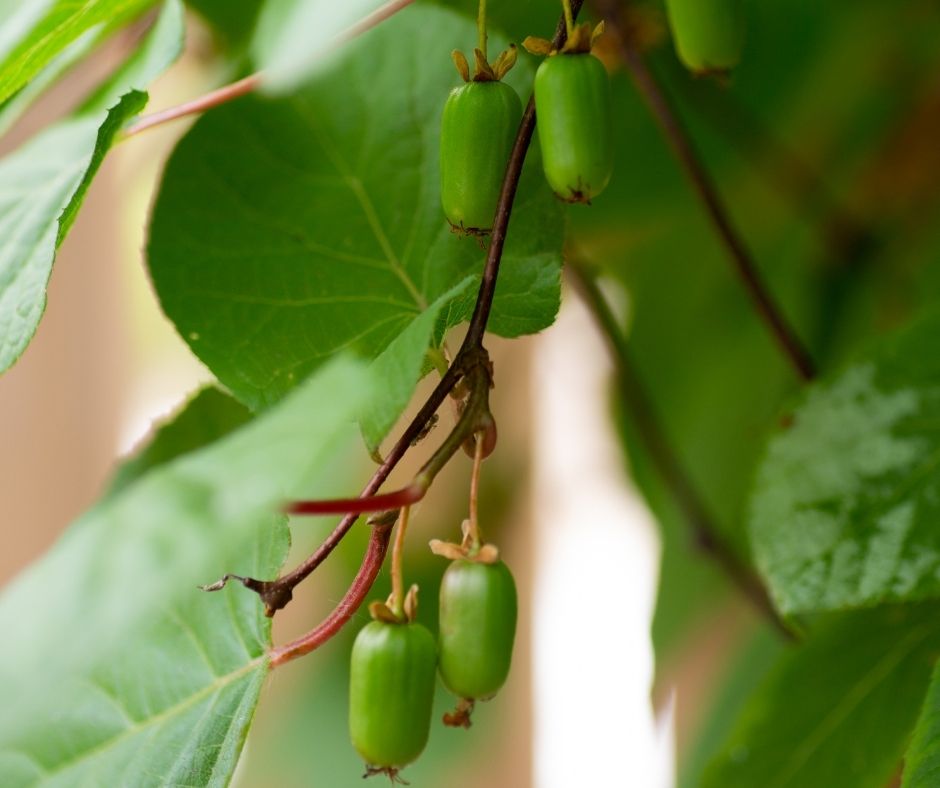
All kiwi plants require regular pruning to keep them manageable and to encourage fruiting. Kiwi vines require sturdy support and regular pruning to ensure optimal fruit production.
Fertilizing kiwi vines organically is a great way to ensure that your plants are healthy and thriving.
Organic fertilizer is made from natural materials, such as compost, manure, or animal by-products. These fertilizers are often less expensive than synthetic fertilizers, and they are much better for the environment.
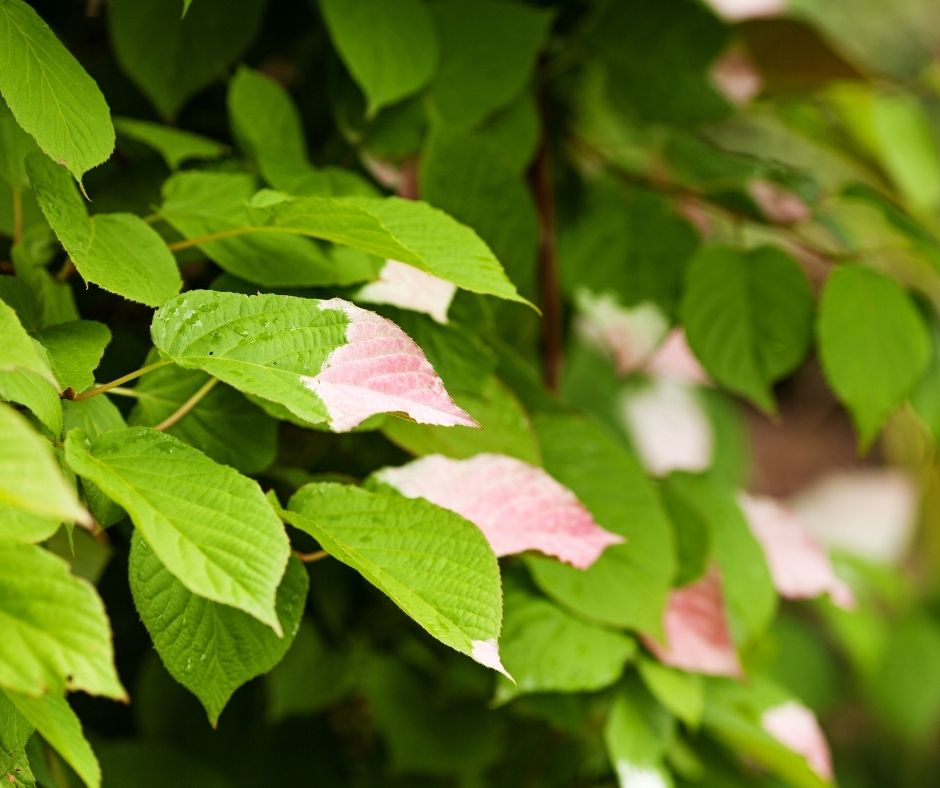
To fertilize your kiwi vines organically, start by choosing an organic fertilizer that is specifically formulated for fruiting plants.
You can also use a general organic fertilizer, such as compost, to provide your kiwi vines with the nutrients they need. Apply the fertilizer around the base of the plant, being careful not to over-fertilize.
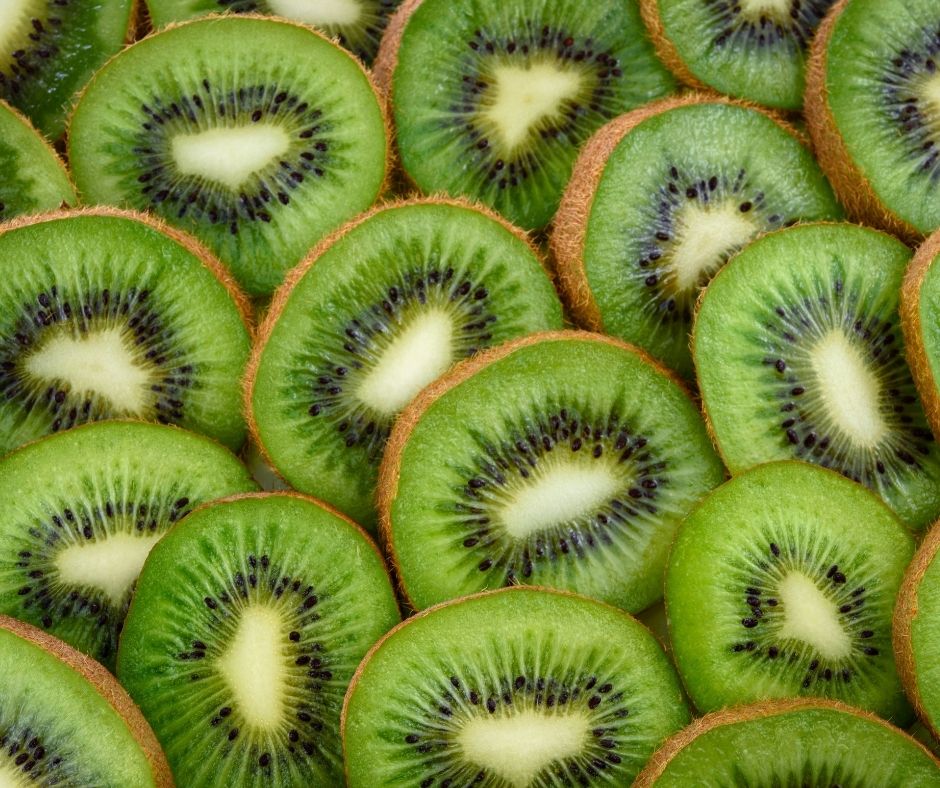
When it comes to growing kiwi vines, choosing the right trellis is crucial. These vigorous climbers require strong support to produce abundant fruit and prevent damage to the plant.
The best trellis for kiwi vines and all fruit-bearing climbing vines should be sturdy and able to withstand strong winds and heavy fruit loads.
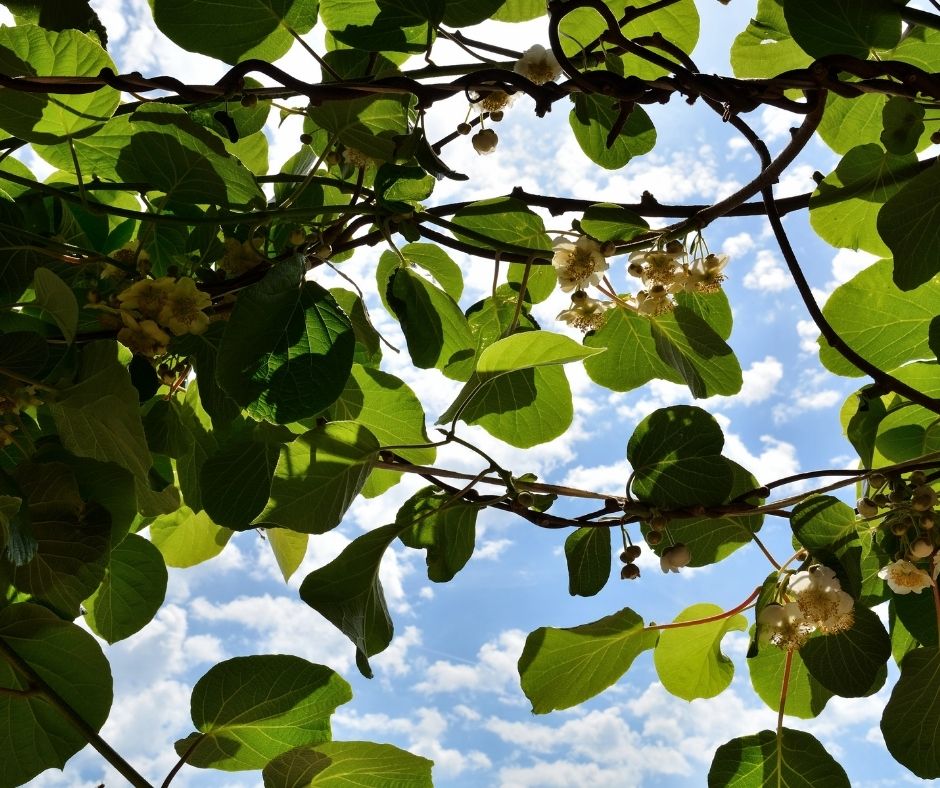
A popular option is a grape trellis, which provides ample space for the kiwi vines to spread out and climb. Other suitable trellis designs include a vertical cordon or T-bar trellis.
Choose a trellis made of durable materials, such as heavy-duty metal or sturdy wood, that can withstand the weight of mature kiwi vines for years to come.
Grapes
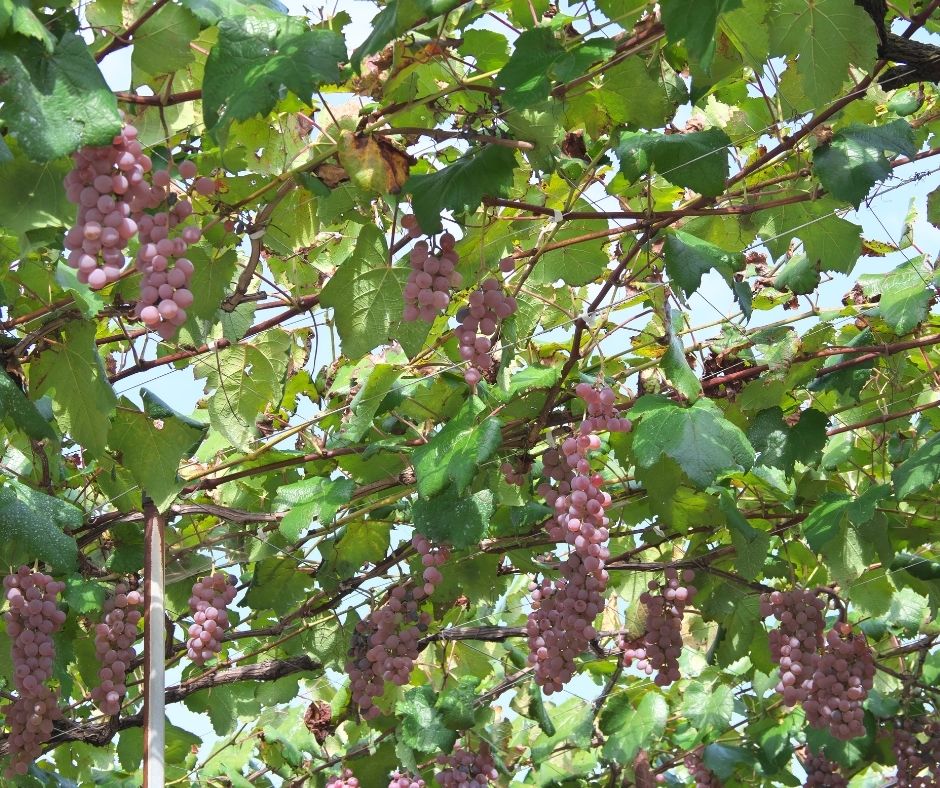
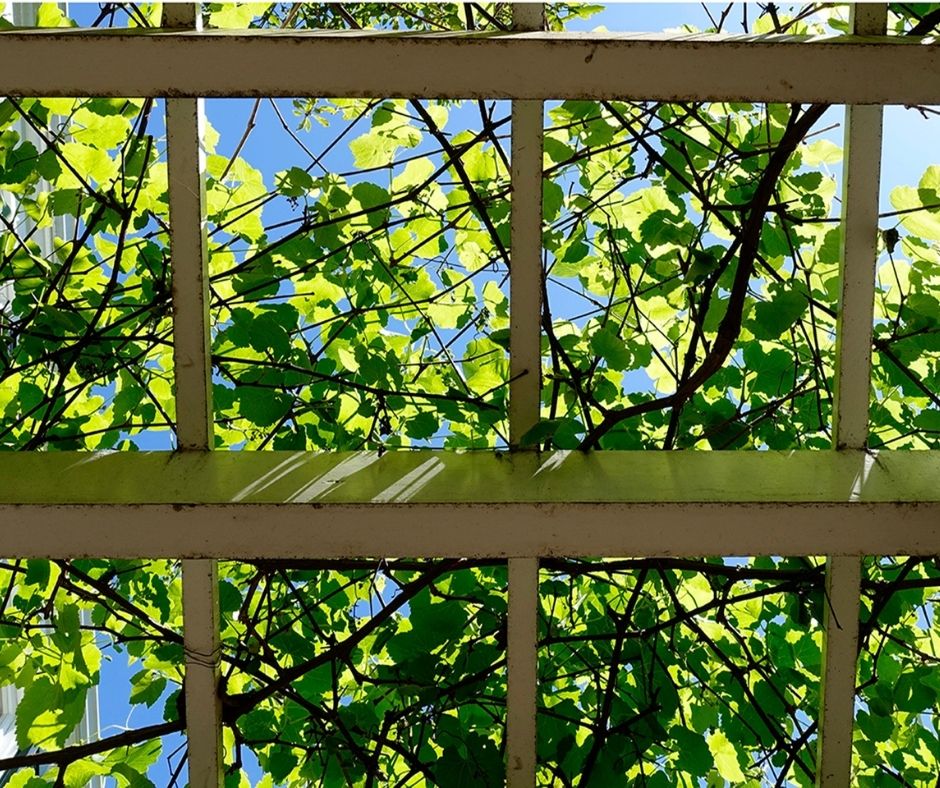
One of the most well-known edible climbing vines, grapes are a staple in many gardens. Not only do they produce juicy and sweet fruits, but they also offer beautiful foliage and can be trained to grow on trellises or arbors.
Grapes thrive in well-draining soil and moderate to warm climates, making them a great option for gardeners in many regions.
These vines prefer full sunlight and well-drained soil. They require trellising support for the weight of their grapes and to train them to grow upwards.
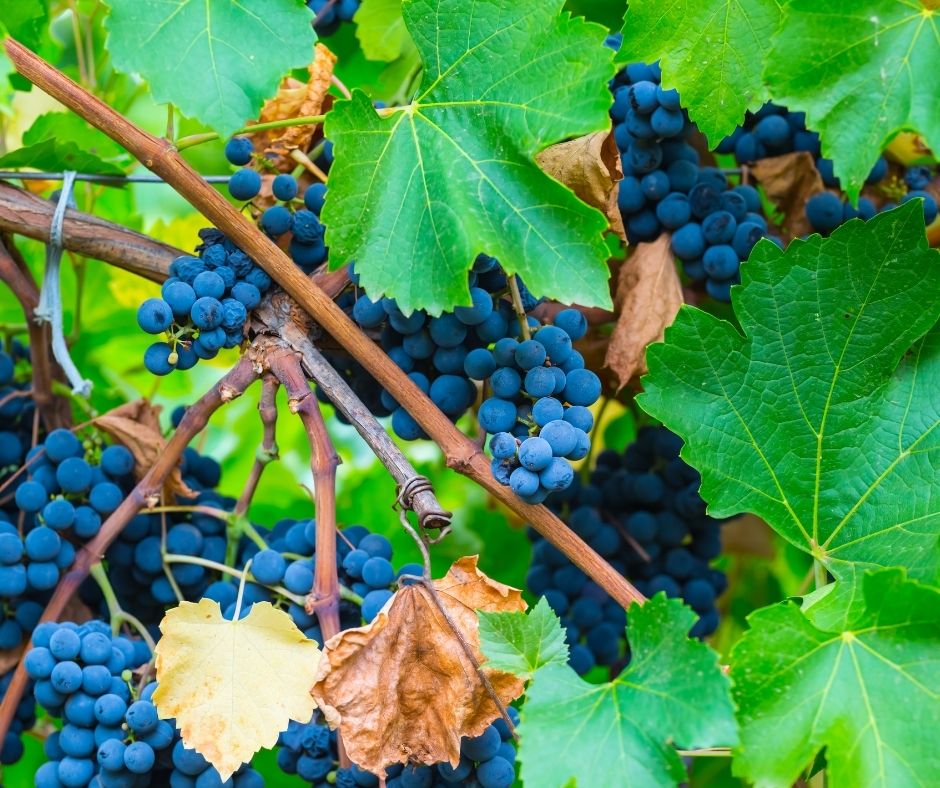
Grape leaves may seem like an unusual food to some, but they have been enjoyed in cultures throughout the Mediterranean and the Middle East for centuries. These tender leaves are not only delicious but also packed with nutrients.
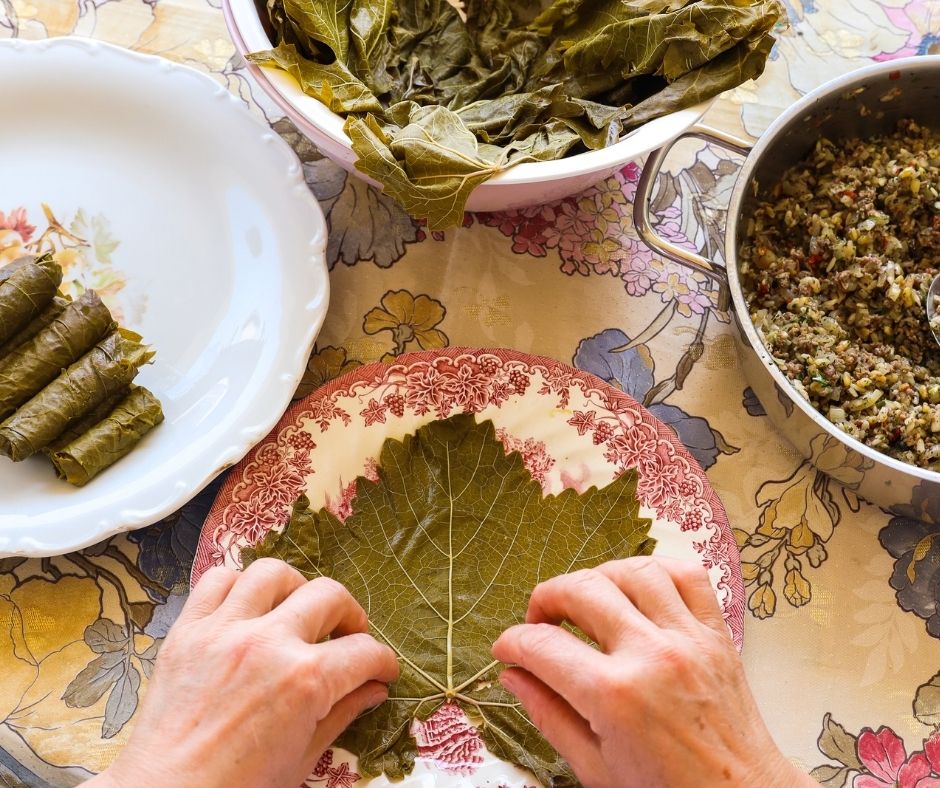
To prepare them for eating, rinse the leaves and remove any tough stems. Then, blanch the leaves in boiling water for a few minutes to make them soft and pliable.
Fill with your desired stuffing, such as seasoned rice or meat, and roll tightly.
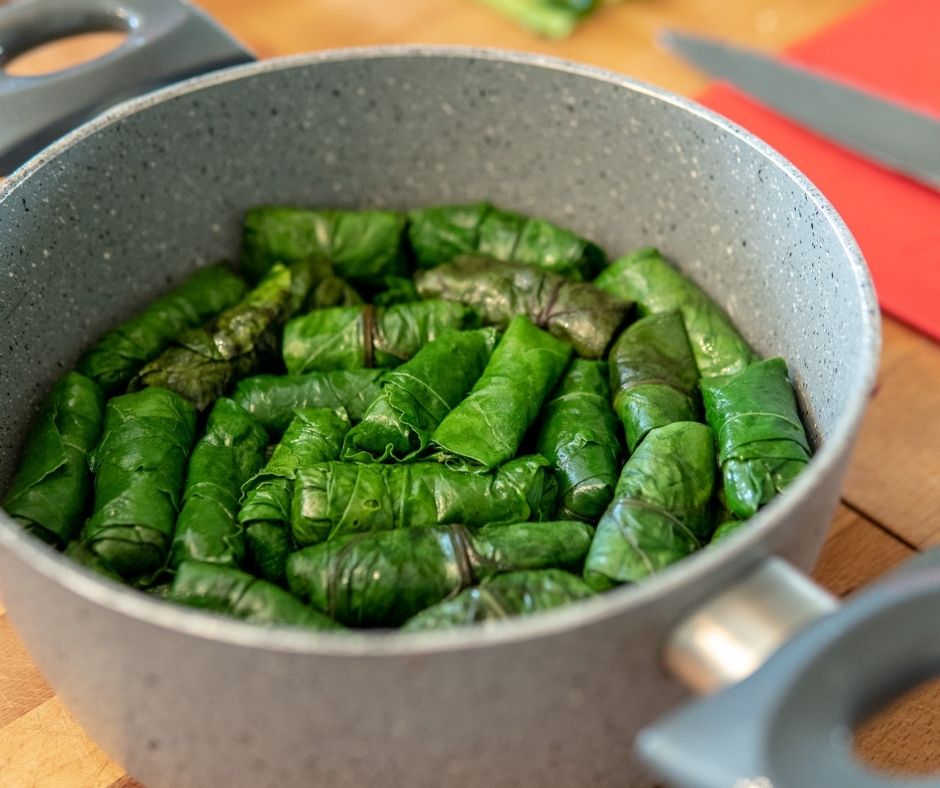
Some recipes call for steaming or baking the stuffed leaves, while others suggest simmering them in a flavorful broth.
Whichever cooking method you choose, be sure to serve the grape leaves warm and enjoy the unique and satisfying flavor they bring to the table.

As grape vines are susceptible to many pests, it’s important to take preventative measures to ensure they remain healthy and lush. One of the best ways to control pests on grape plants is through the use of organic methods.
Some effective organic pest control options include using insecticidal soaps, neem oil, and pyrethrin sprays.
Additionally, introducing natural predators such as ladybugs and lacewings can help to control pests like aphids. Consistently monitoring the grape plants for any signs of pest infestations and taking action immediately can help prevent any damage to the grape leaves.
When it comes to organic pest control for grape vines, prevention is key. Keep your grapevines well fed so they fend off pests and disease as well as recover faster.
A list of our favorite soil amendments and fertilizers: 7 Best Garden Soil Amendments and Fertilizers
Scarlet Runner Bean
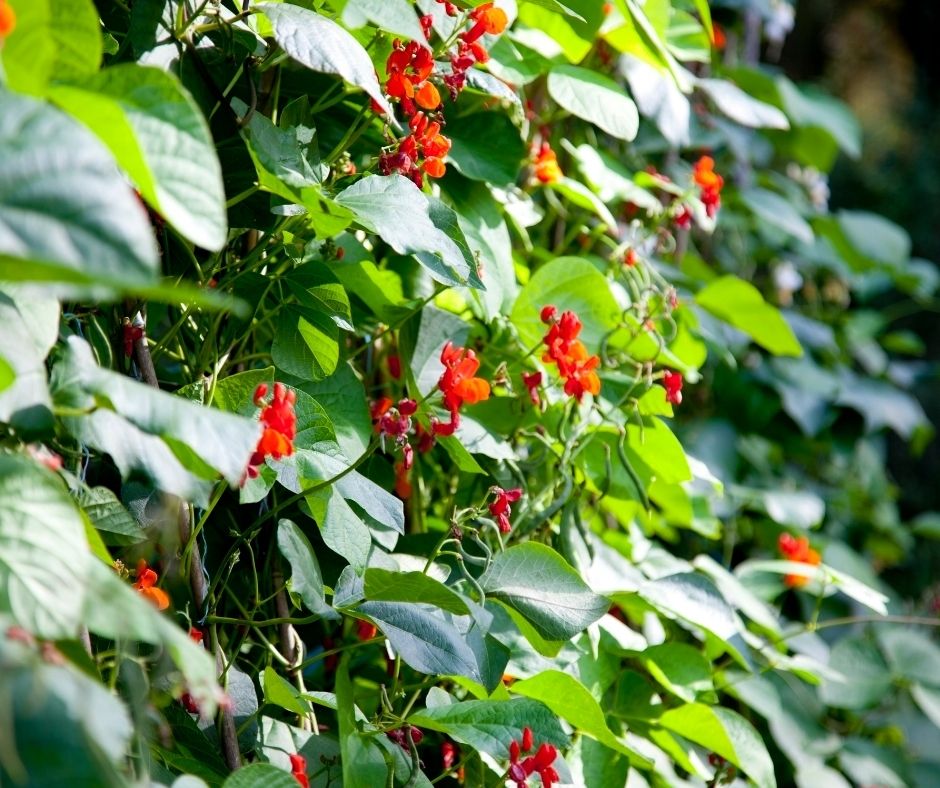
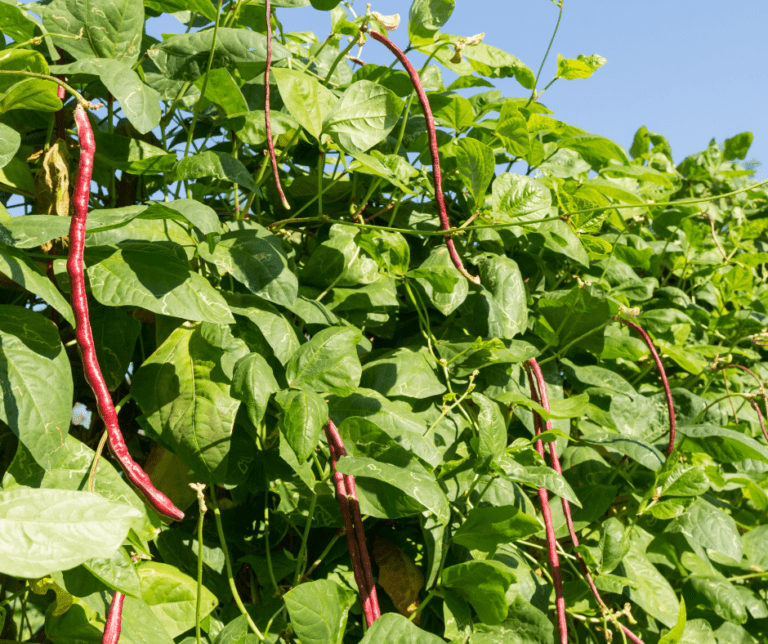
The Scarlet Runner Bean vine is not only beautiful but also versatile. The vines produce stunning red flowers and edible pods, making them an excellent addition to any garden.
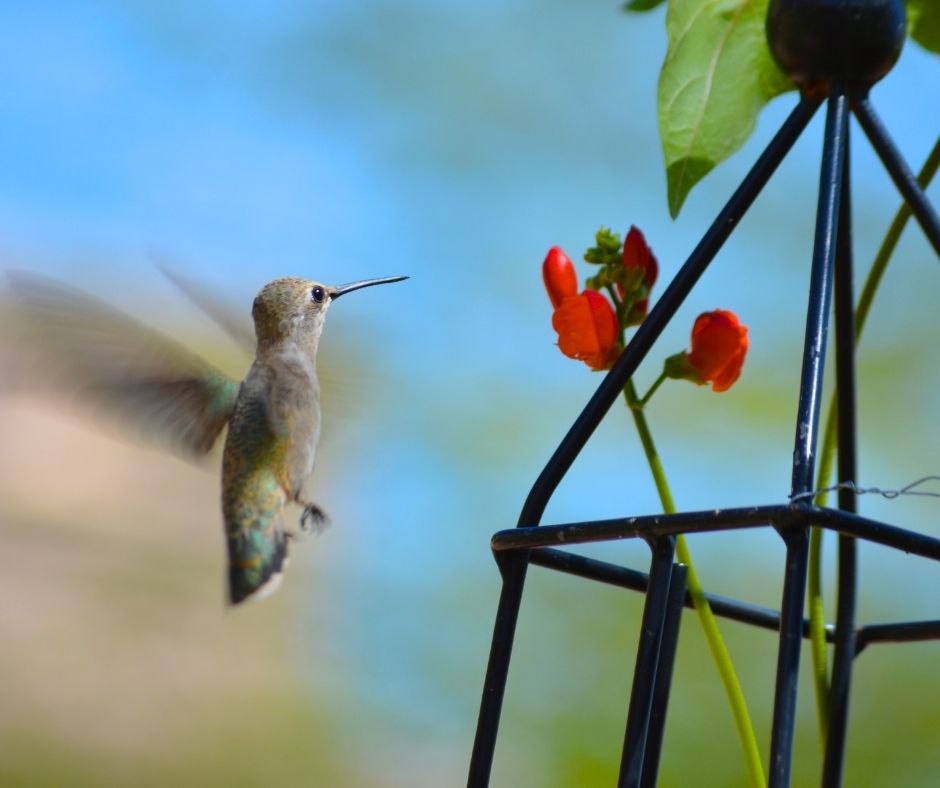
Scarlet Runner Bean vines grow vigorously. They require full sunlight and well-drained soil. These vines attract hummingbirds and butterflies, adding a delightful touch to your garden.
Scarlet runner beans are not only a beautiful addition to any garden but also an excellent choice for attracting pollinators and hummingbirds.
These bright red blooms allure hummingbirds with their nectar, while the scent of the blossoms invites a variety of bees, butterflies, and other pollinators.
Find out more at the Wisconsin Horticulture Division of Extension: Scarlet Runner Bean, Phaseolus coccineus
The vines can grow up to 10 feet tall and bloom continuously, providing a reliable food source for these winged creatures. Scarlet runner beans are easy to grow, and their vigorous growth habits will make them a standout addition to any garden.
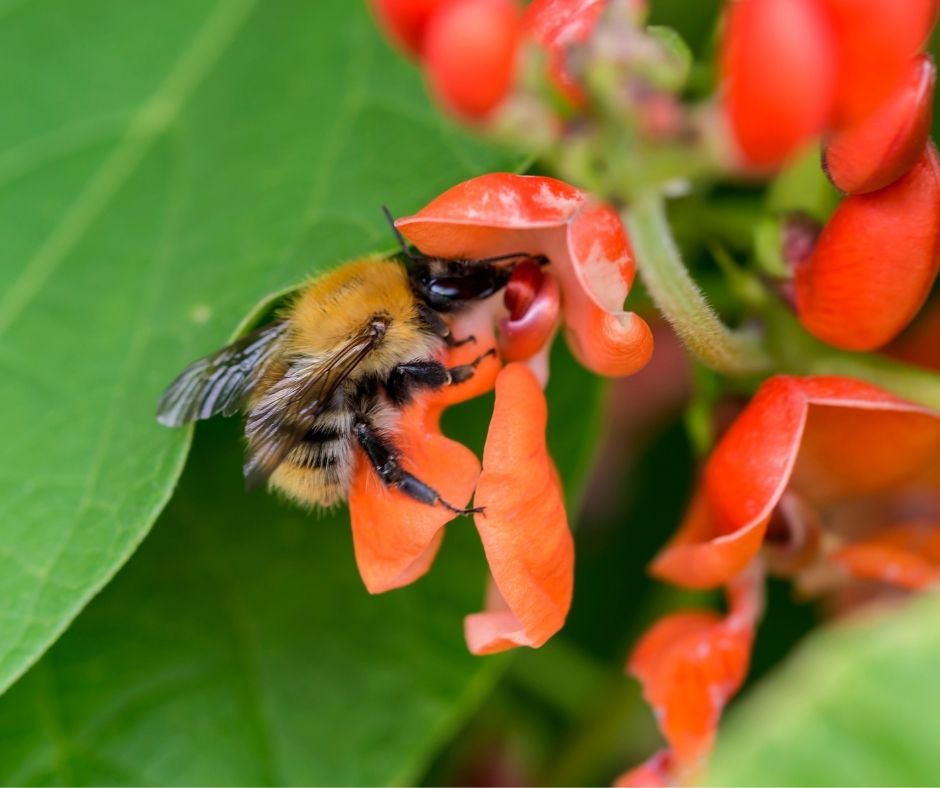
Scarlet runner beans can also be trained to grow on trellises or arbors, adding a unique and colorful touch to any garden.
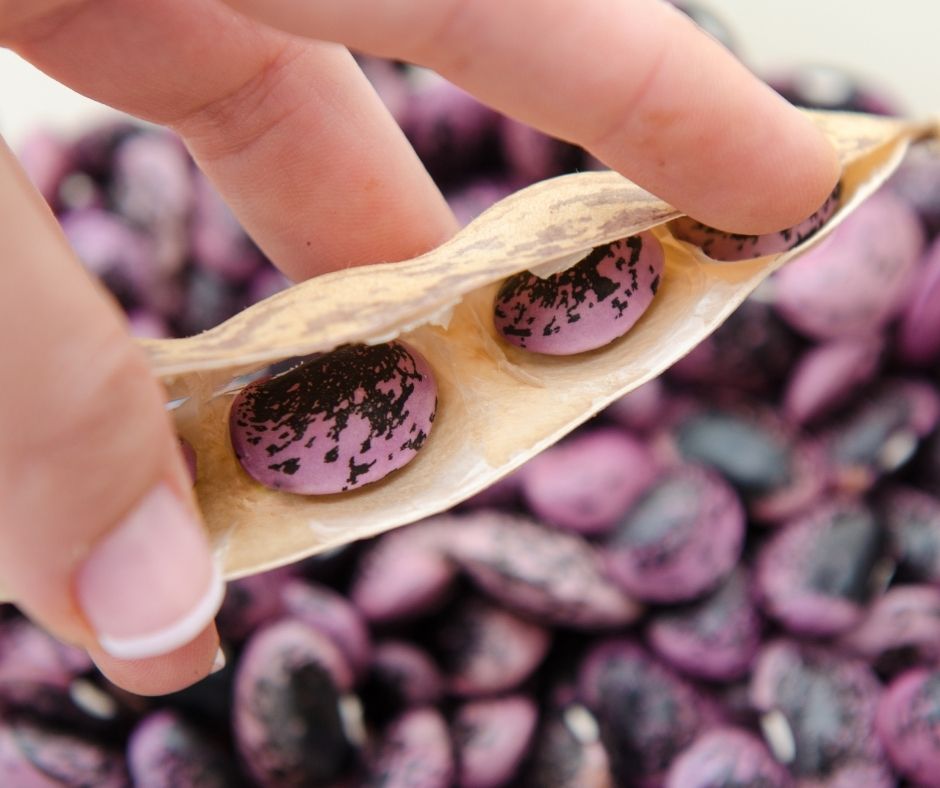
Not only are these beans ornamental and functional, they’re also delicious. The young pods can be eaten like green beans, while the mature beans can be used in soups and stews.
The leaves and flowers are also edible. By planting scarlet runner beans in your garden, you’ll be providing a tasty treat for yourself and a haven for pollinators and hummingbirds.
Best Support for Edible Climbing Vines
Growing edible vines like grapes, passion fruit, or kiwi can be a rewarding and fruitful experience.
However, these plants require support structures that can handle their weight and growth patterns while maintaining accessibility to their fruits.
Thankfully, some support structures have proven to be efficient and practical for this purpose.
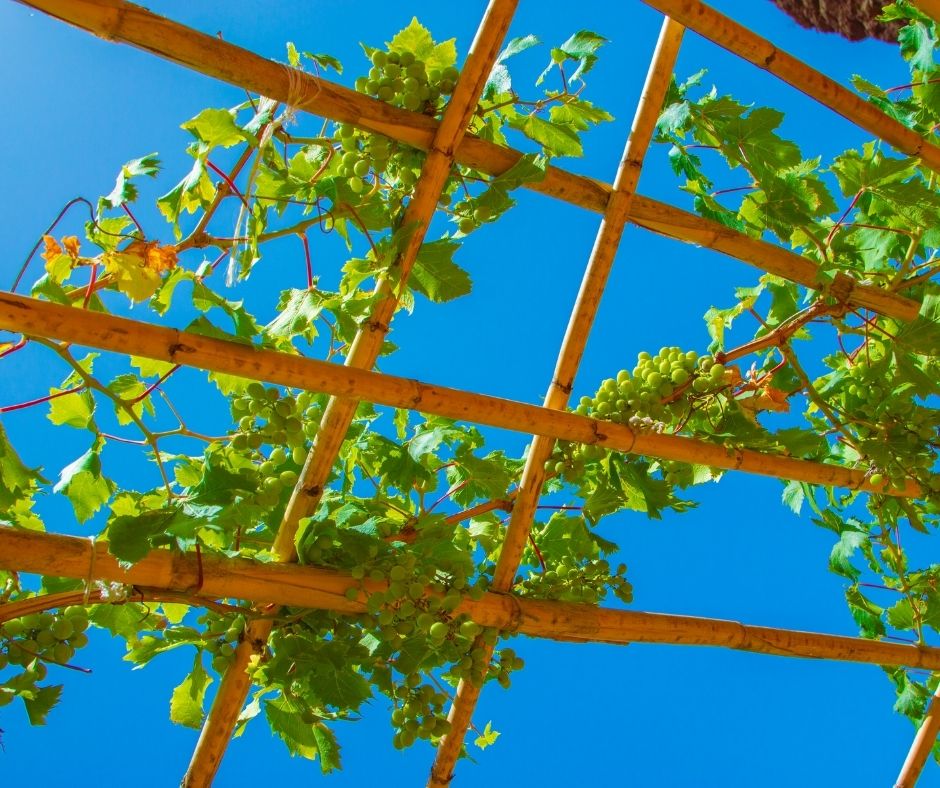
One of the most popular supports is the trellis, which consists of a series of vertical poles and horizontal wires where vines can be trained to climb.
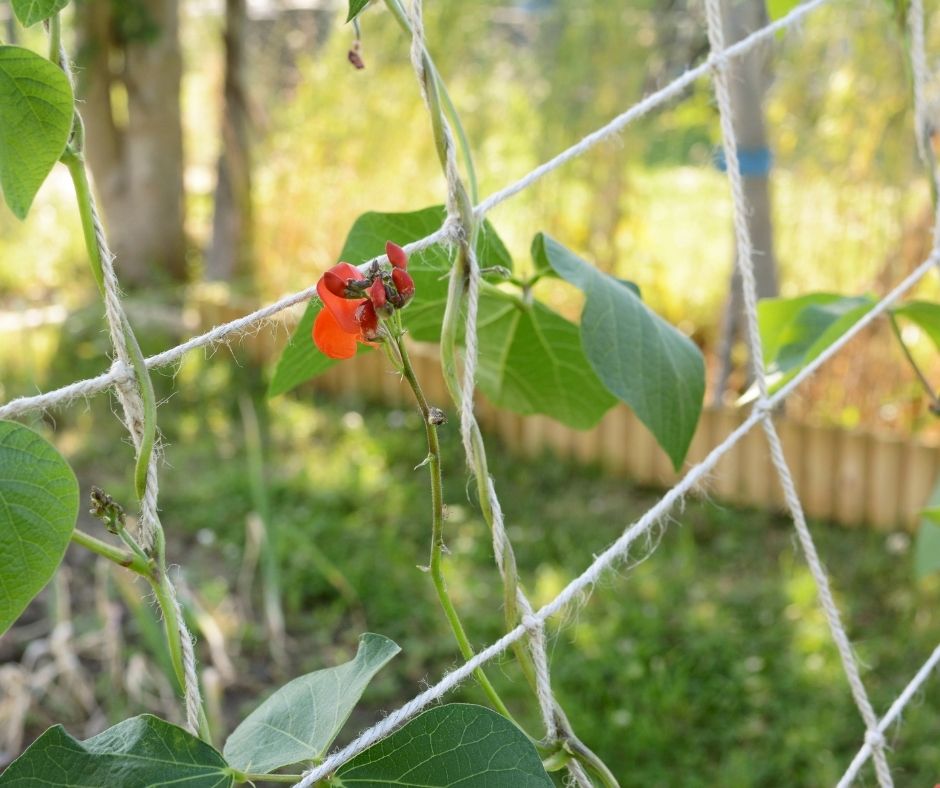
Another popular option is the arbor, a freestanding structure similar to a pergola, that provides shade and support for the vines.
Whichever structure you choose, make sure it can withstand the weight of the fruit and allow easy access for maintenance and harvest.
By providing the right support, you can let your edible vines thrive and enjoy the taste of fresh, homegrown fruit.
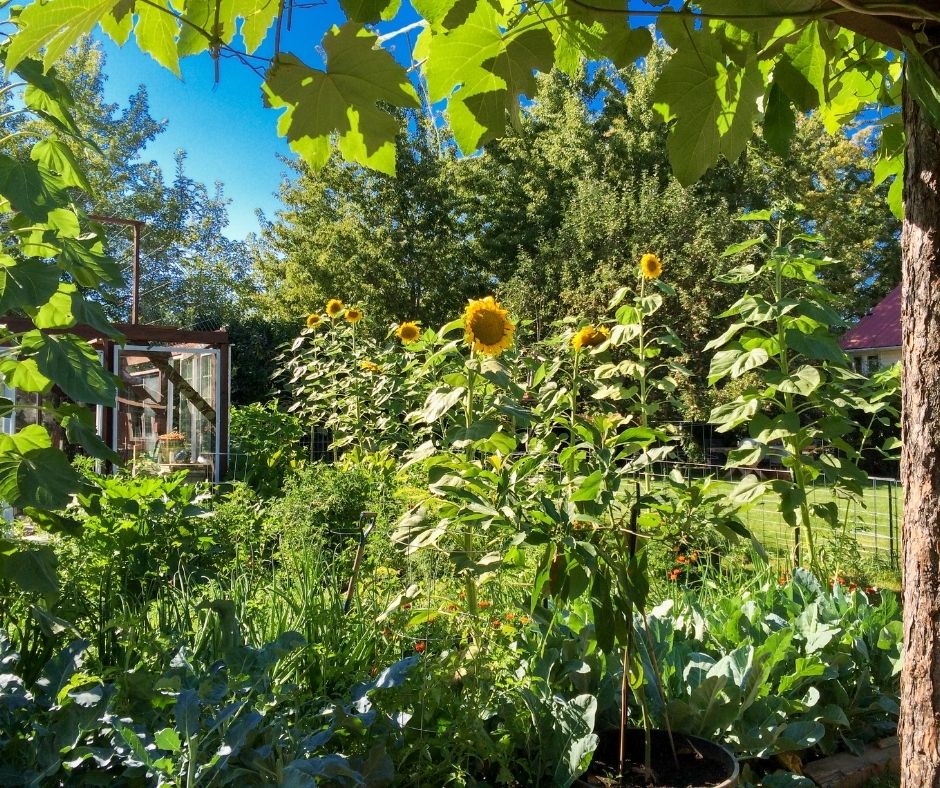
Edible climbing vines are an adventure waiting to happen. They offer a unique and tasty addition to any garden.
By incorporating these plants into your garden, you can create a private edible landscape that is not only visually appealing but also adds another layer of depth to your gardening experience.
With a wide variety of plants to choose from, there is an option for every gardener, no matter your location or climate.
Provide proper support and care for these plants, and soon you will be rewarded with a bountiful harvest of delicious and nutritious fruits and vegetables. Let’s add some vertical variety and watch our gardens climb towards the sky.
Happy gardening!
Visit the Garden Resources page for supplies and inspiration. Don’t forget to subscribe to the Calendula’s Garden Newsletter for more gardening tips.
Calendula’s Garden is reader supported. When you buy through links on our site, we may earn an affiliate commission. As an Amazon Associate, I earn from qualifying purchases. For more information, view our Disclaimer page. Thank you!